Short Introduction
Yes, you can replace just the glass in a sunroof without replacing the entire assembly—this is often the most cost-effective solution when the frame, motor, and tracks remain functional 1. If you're asking how to choose sunroof glass,Can you just replace the glass in a sunroof?, the answer depends on your vehicle type, sunroof design, and whether you prioritize exact fit (OEM) or lower cost (aftermarket). Key factors include glass quality, adhesive strength, compatibility with ADAS systems, and professional installation. Avoid DIY attempts—they risk leaks, noise, or structural failure. For most drivers, choosing OEM glass installed by a certified technician ensures durability and safety.
About sunroof glass,Can you just replace the glass in a sunroof?
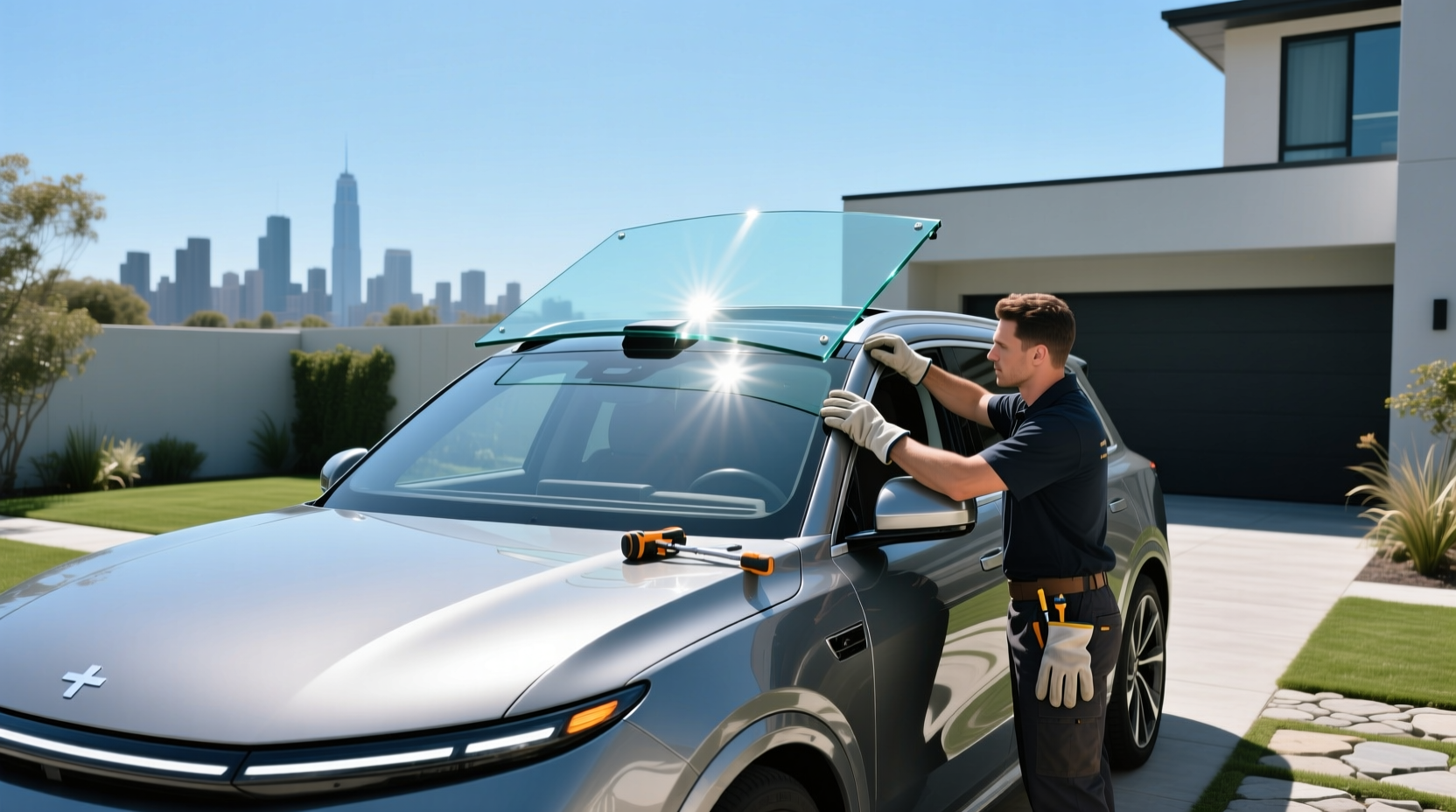
Replacing only the glass panel of a sunroof refers to removing the damaged or degraded glass while retaining the original frame, seals, motors, and track mechanisms. This repair option applies when structural and mechanical components are intact but the glass has cracked, shattered, or developed persistent leaks due to failed bonding or weather exposure 2.
This approach is commonly used for vehicles with sliding, pop-up, or panoramic sunroofs where full assembly replacement would be significantly more expensive. It's particularly relevant after hail damage, thermal stress fractures, or minor impacts from debris. The process requires precision removal, frame preparation, and resealing with automotive-grade urethane adhesives to maintain structural rigidity and water tightness.
Why sunroof glass,Can you just replace the glass in a sunroof? is gaining popularity
Consumers increasingly seek partial repairs like sunroof glass replacement to reduce costs and environmental impact. Full sunroof assemblies can cost thousands, especially on luxury or electric vehicles with integrated electronics and sensors. Replacing just the glass typically cuts repair expenses by 30–60%, making it an attractive alternative.
Additionally, modern vehicles often feature large glass roofs that are prone to UV degradation and micro-cracking over time. Rather than scrapping the entire unit, owners prefer targeted fixes. There’s also growing awareness about proper auto glass recalibration for ADAS systems—professionals now offer complete service packages that include sensor alignment post-installation, increasing confidence in partial replacements.
Types and variants
Sunroof designs vary widely, affecting both feasibility and cost of glass-only replacement:
- 🛒 Fixed Sunroof: Non-operational glass panel. Easy to replace; minimal moving parts involved. Best candidate for glass-only service.
- 🔧 Pop-Up/Tilt Sunroof: Manually or electrically tilted panel. Requires careful handling of hinge mechanisms during glass removal.
- ⚙️ Sliding Sunroof: Retracts into roof cavity. Complex track system means extra caution needed to avoid damaging internal components.
- ✨ Panoramic Sunroof: Large, multi-panel units spanning front and rear seats. Often includes electronic tinting or solar control. Replacement may involve multiple glass sections and recalibration.
Not all types allow simple glass swaps—older models or rare imports might require full assembly replacement if individual panels aren’t available.
Key features and specifications to evaluate
When considering how to choose sunroof glass,Can you just replace the glass in a sunroof?, assess these technical and practical criteria:
- 🔍 Glass Thickness & Type: Typically 4–6mm laminated safety glass. Must match original specs for weight and curvature.
- 📏 Curvature and Fit: Precision molding ensures no gaps. Even slight mismatches cause wind noise or leaks.
- ☀️ UV and Solar Protection: Factory-tinted or coated glass reduces heat gain. Aftermarket options may lack equivalent protection.
- 🔗 Adhesive Compatibility: Must bond securely with OEM-grade urethane sealants. Poor adhesion risks detachment at high speeds.
- 🌐 ADAS Integration: Some panoramic roofs house rain sensors or cabin monitoring systems. Verify compatibility before installation.
- 🧼 Seal and Gasket Condition: Old seals should be replaced during glass swap to prevent future leaks.
Always verify part numbers against your VIN to ensure dimensional accuracy.
Pros and cons
✅ Pros
- Lower cost than full assembly replacement
- Retains original mechanical functions
- Faster turnaround time
- Environmentally responsible (less waste)
- Maintains factory aesthetics and calibration
❌ Cons
- Requires skilled technician and special tools
- Not viable if frame or tracks are damaged
- Aftermarket glass may not match optical clarity
- Risk of improper sealing leading to leaks
- Limited availability for older or niche models
Best suited for newer vehicles with isolated glass damage and accessible service networks.
How to choose sunroof glass,Can you just replace the glass in a sunroof?
Follow this step-by-step guide to make an informed decision:
- 📍 Assess Damage: Confirm only the glass is compromised. Check for frame warping, motor issues, or track obstructions.
- 🏭 Decide OEM vs Aftermarket: Choose OEM for guaranteed fit and ADAS compatibility; consider high-quality aftermarket for budget needs.
- 👥 Select Installer: Pick a shop specializing in auto glass with experience in your vehicle make/model.
- 📊 Get Written Quote: Ensure it includes labor, materials, warranty, and leak testing.
- ❗ Avoid These Red Flags:
- Diy kits promising easy installation
- Installers who don’t test operation post-repair
- No written warranty on workmanship
- Use of non-automotive adhesives
Ask whether the new glass will undergo a water test and function check before final approval.
Price & market insights
Costs vary significantly based on vehicle and glass type:
| Sunroof Type | Description | Replacement Cost Range (USD) |
|---|---|---|
| Fixed Sunroof | Stationary light-transmitting panel | $300 – $500 |
| Pop-Up/Tilt Sunroof | Vents upward manually or electronically | $400 – $1,000 |
| Sliding Sunroof | Slides open along roof rails | $700 – $1,200 |
| Panoramic Sunroof | Large multi-pane or single-piece roof | $1,500 – $3,000+ |
Additional variables include geographic location, labor rates, dealership vs independent shop pricing, and whether supplementary repairs (e.g., motor cleaning, track lubrication) are needed. Luxury brands like BMW, Mercedes, or Tesla often command higher prices due to complex integration and proprietary parts 3.
Top-seller & competitive analysis
While specific brands depend on vehicle application, top-tier suppliers include PGW (Philadelphia Ind.), Fuyao, and Saint-Gobain Sekurit. These manufacturers produce both OEM and premium aftermarket glass.
| Supplier | OEM Availability | Aftermarket Line | Known For |
|---|---|---|---|
| PGW | Yes (GM, Ford, Stellantis) | Limited | Durability, North American production |
| Fuyao | Yes (Tesla, VW, Toyota) | Yes (FY Glass) | Global scale, value pricing |
| Saint-Gobain Sekurit | Yes (European makes) | Yes | Optical clarity, advanced coatings |
When comparing products, focus on manufacturing origin, coating technology, and installer certification—not brand name alone.
Customer feedback synthesis
Analysis of real-world reviews reveals consistent patterns:
- ⭐ Positive Feedback: Customers praise seamless installations, elimination of leaks, and restored quiet ride quality. Many highlight satisfaction with OEM glass matching factory appearance.
- ❗ Common Complaints: Issues arise primarily from poor sealing (leading to drips), mismatched tints (especially on two-tone roofs), and delayed service appointments. A few report unresolved rattling due to misaligned trim.
- 📝 Recurring Advice: Buyers emphasize verifying installer experience and insisting on post-installation testing under simulated rain conditions.
Overall, success heavily correlates with technician expertise rather than glass brand.
Sourcing & supplier tips
To source reliable sunroof glass:
- 🌐 Use your VIN to request exact-match glass from distributors or dealerships.
- 🔎 Work with national auto glass chains or local specialists who stock verified inventory.
- 📦 For bulk purchases (e.g., fleet operators), inquire about volume pricing from authorized distributors—but confirm authenticity certificates.
- 📋 Inspect delivered glass for scratches, edge chips, or incorrect curvature before installation.
- 📎 Request documentation showing compliance with ANSI/SGCC or equivalent safety standards.
Never install glass without confirming fitment—returns may not be accepted once removed from packaging.
Maintenance, safety & legal considerations
Proper maintenance extends sunroof life:
- 🧼 Clean tracks monthly with soft brush and专用 lubricant.
- 🌧️ Flush drainage tubes every six months to prevent clogs.
- ⚠️ Stop using the mechanism if resistance or grinding occurs.
Safety-wise, improperly bonded glass can detach during rollover accidents, compromising roof integrity. While no universal regulation mandates recertification, many regions require structural glass to meet FMVSS 212/208 standards in the U.S. or ECE R43 in Europe. Always use certified technicians who follow OEM procedures.
To verify compliance: consult your vehicle manufacturer’s service manual or contact a certified body shop.
Conclusion
If you need to fix a cracked or leaking sunroof, replacing just the glass is usually possible and cost-effective—as long as the frame and mechanics are sound. For optimal results, choose OEM-spec glass installed by a qualified professional. If you drive a luxury or ADAS-equipped vehicle, OEM is strongly advised. For standard models with minor damage, high-quality aftermarket glass from reputable suppliers can offer good value. Avoid DIY methods and unlicensed installers to prevent leaks, noise, or safety risks. Ultimately, the right choice balances performance, safety, and long-term reliability.
Frequently Asked Questions
Can I replace sunroof glass myself?
No, it’s not recommended. The process requires specialized tools, precise adhesive application, and knowledge of vehicle-specific removal techniques. Mistakes can lead to leaks, broken trim, or even glass falling out at speed.
Does replacing sunroof glass affect my car’s warranty?
Using non-OEM parts or unauthorized installers may void certain aspects of your vehicle warranty related to glass or electronics. Check your manufacturer’s policy before proceeding.
How long does sunroof glass replacement take?
Most jobs take 2–4 hours, but the adhesive needs additional curing time (usually 1–2 hours) before driving. Full cure may take up to 24 hours for maximum strength.
Will my sunroof keep its original features after glass replacement?
Yes, if done correctly. Features like automatic closing, anti-pinch sensors, and rain detection should function normally post-replacement, provided the new glass matches the original design and any embedded components are preserved.
How do I know if my sunroof needs full replacement instead of just glass?
If there’s visible frame damage, seized motors, bent tracks, or chronic operational issues beyond the glass, a full assembly replacement may be necessary. A professional assessment is required to determine this.




 浙公网安备
33010002000092号
 浙B2-20120091-4