Short introduction
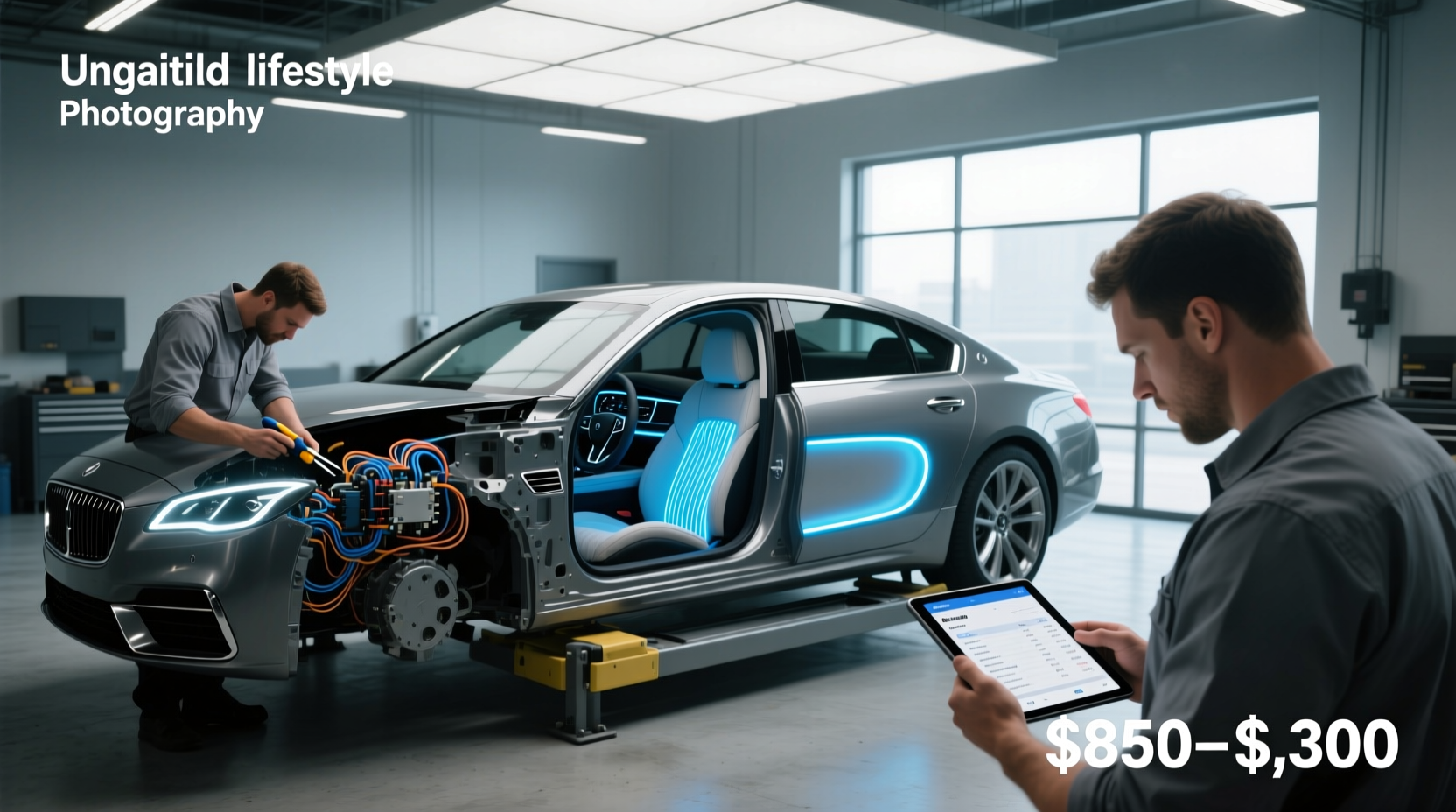
If you’re a typical user, you don’t need to overthink this. For most drivers, a mid-range LED ambient lighting kit installed by a local audio or auto customization shop ($300–$600) offers the best balance of visual impact, reliability, and value. Recently, demand has surged due to increased availability of app-controlled RGB strips and plug-and-play kits that simplify DIY setups. How to choose car ambient lighting comes down to three real factors: where you want light (footwells, doors, dash), whether you want dynamic color control, and if your car’s interior panels are easy to access. Skip complex fiber-optic systems unless you own a luxury model where OEM integration adds resale value. Beware of ultra-cheap kits from online marketplaces—they often fail within months. If you're looking for what to look for in car ambient lighting, focus on wiring quality, adhesive durability, and compatibility with your vehicle’s trim design.
About Car Ambient Lighting
Car ambient lighting refers to non-functional, decorative LED systems installed inside a vehicle’s cabin to create mood-based illumination. Unlike dome or map lights, ambient systems provide low-intensity glow along door sills, footwells, center consoles, and sometimes dashboards or headliners. These lights are typically powered through the car’s 12V system or USB ports and remain active when doors are open or during nighttime driving.
The technology has evolved from basic single-color bulbs to addressable RGB strips capable of color cycling, brightness adjustment, and music synchronization. While factory-installed ambient lighting is common in premium models like BMW, Mercedes, and Genesis, many owners retrofit aftermarket solutions into standard vehicles. This guide focuses on post-purchase installation—how it works, what it costs, and who should consider it.
Why Car Ambient Lighting is Gaining Popularity
Lately, more everyday drivers are adding ambient lighting—not just luxury buyers. Over the past year, social media exposure on platforms like Reddit and YouTube has normalized interior customization, making features once seen as "car mod extras" feel accessible. The shift isn’t just aesthetic; it reflects broader trends in personalization and smart vehicle tech.
Modern kits now offer Bluetooth app control, allowing users to change colors, set static themes, or enable breathing effects synced to music. Some even integrate with voice assistants. As smartphone-like interfaces become expected in cars, ambient lighting fits naturally into that experience.
If you’re a typical user, you don’t need to overthink this. The appeal lies in small upgrades that deliver noticeable emotional payoff—like transforming a plain commuter car into something that feels tailored and modern. But popularity doesn’t mean universal value. For frequent night drivers or ride-share operators, the benefit may outweigh cost. For others, it’s purely cosmetic.
This piece isn’t for keyword collectors. It’s for people who will actually use the product.
Types and variants
1. Plug-and-Play LED Strips
These are adhesive-backed LED tapes that connect directly to a power source like a fuse box or USB port. Most come pre-cut for common locations (door sills, footwells).
- Pros: Easy to install, affordable ($20–$80), widely available
- Cons: Limited coverage, visible wires if not routed carefully, shorter lifespan
2. Hardwired Multi-Zone Kits
Customizable strips installed behind trim panels, connected via relay to door switches or ignition. Often include remote or app control.
- Pros: Cleaner look, better placement flexibility, longer life
- Cons: Requires disassembly, professional labor recommended, higher upfront cost ($150–$400+ parts)
3. OEM-Style Fiber Optic Systems
Found in high-end brands, these use optical fibers to distribute light evenly across long channels (e.g., door edges). Aftermarket versions mimic this but are rare.
- Pros: Seamless, uniform glow; matches factory finish
- Cons: Expensive ($800+), difficult to retrofit, fragile during installation
4. Smart RGB Systems with App Control
Wi-Fi or Bluetooth-enabled controllers allow full customization via mobile apps. Can sync with music or GPS data.
- Pros: High personalization, dynamic effects, firmware updates possible
- Cons: Higher failure rate, app dependency, potential EMI interference
Key features and specifications to evaluate
When comparing kits or quotes, focus only on what impacts daily use.
Brightness (Lumens) and Color Temperature
When it’s worth caring about: If you drive at night frequently or have dark interiors, aim for 120–180 lumens per meter with adjustable white tones (warm vs cool).
When you don’t need to overthink it: For accent lighting, brightness matters less than consistency. Avoid overly bright strips that distract from instruments.
Color Options (RGB vs Single Color)
When it’s worth caring about: RGB makes sense if you want to match moods, seasons, or exterior paint.
When you don’t need to overthink it: Most users settle on one color (blue, white, red) within weeks. Monochrome kits last longer and cost less.
Control Method (Remote, App, Switch)
When it’s worth caring about: App control adds convenience if you already manage other smart devices.
When you don’t need to overthink it: Physical switches or IR remotes are more reliable. Apps can lag or stop working after OS updates.
Water and Heat Resistance (IP Rating)
When it’s worth caring about: In humid climates or near floor areas, IP65 or higher prevents condensation damage.
When you don’t need to overthink it: Interior environments are generally dry. Most decent kits handle normal conditions.
Adhesive Quality and Mounting Design
When it’s worth caring about: Cars vibrate constantly. Poor tape leads to sagging strips within months.
When you don’t need to overthink it: Look for kits labeled “3M tape compatible” or with clip mounts. Avoid generic sticky backs.
Pros and cons
• Enhances nighttime visibility of controls (indirectly)
• Adds perceived luxury and personal style
• Low power draw (typically under 5W total)
• Can improve safety by illuminating step zones
• Reversible modification in most cases
• Glare or distraction if poorly placed
• Cheap kits degrade quickly (yellowing, flickering)
• May void warranty if dealer deems installation improper
• Not all vehicles allow easy access to trim panels
• Resale impact is minimal unless OEM-grade
How to Choose Car Ambient Lighting: Buying guide
If you’re a typical user, you don’t need to overthink this. Start with a clear goal: do you want subtle elegance or bold customization? Answer that first.
Step-by-step checklist
- Determine target zones: footwells, doors, console?
- Decide between DIY and professional install
- Select color type: single or RGB?
- Choose control method: switch, remote, or app?
- Verify compatibility with your car model
- Check return policy and warranty (minimum 6 months)
- Get a quote if going pro—or watch two installation videos if DIY
Decision flow
→ Want simple, fast upgrade? → Plug-and-play kit
→ Want clean, integrated look? → Professional hardwired install
→ Drive an older or budget car? → Skip fiber optics; stick to LEDs
→ Tech enthusiast? → Try app-controlled RGB, but accept higher risk
→ Prioritize reliability? → Monochrome, switch-controlled, well-reviewed brand
Recommendations by scenario
- Daily commuter: Basic white or blue LED strip under footwells ($30–$60)
- Ride-share driver: Warm white multi-zone setup for passenger comfort ($200–$400 installed)
- Enthusiast with weekend car: Full-door RGB with app control ($500–$800)
- Luxury owner adding feature: OEM-matching system via dealership or specialty shop ($1,000+)
Red flags / what to avoid
• Kits without thermal protection or current regulation
• Installers who won’t show past work or references
• Prices significantly below market average (likely cutting corners)
• Claims of “OEM quality” without proof of fitment testing
Price & market insights
Costs vary widely based on region, vehicle complexity, and labor rates. There is no fixed price, but patterns have emerged over the past year.
DIY kits range from $20 to $150. Entry-level strips from general electronics retailers often lack durability. Mid-tier brands sold through auto specialty sites (e.g., xkglow.com 1) offer better build quality.
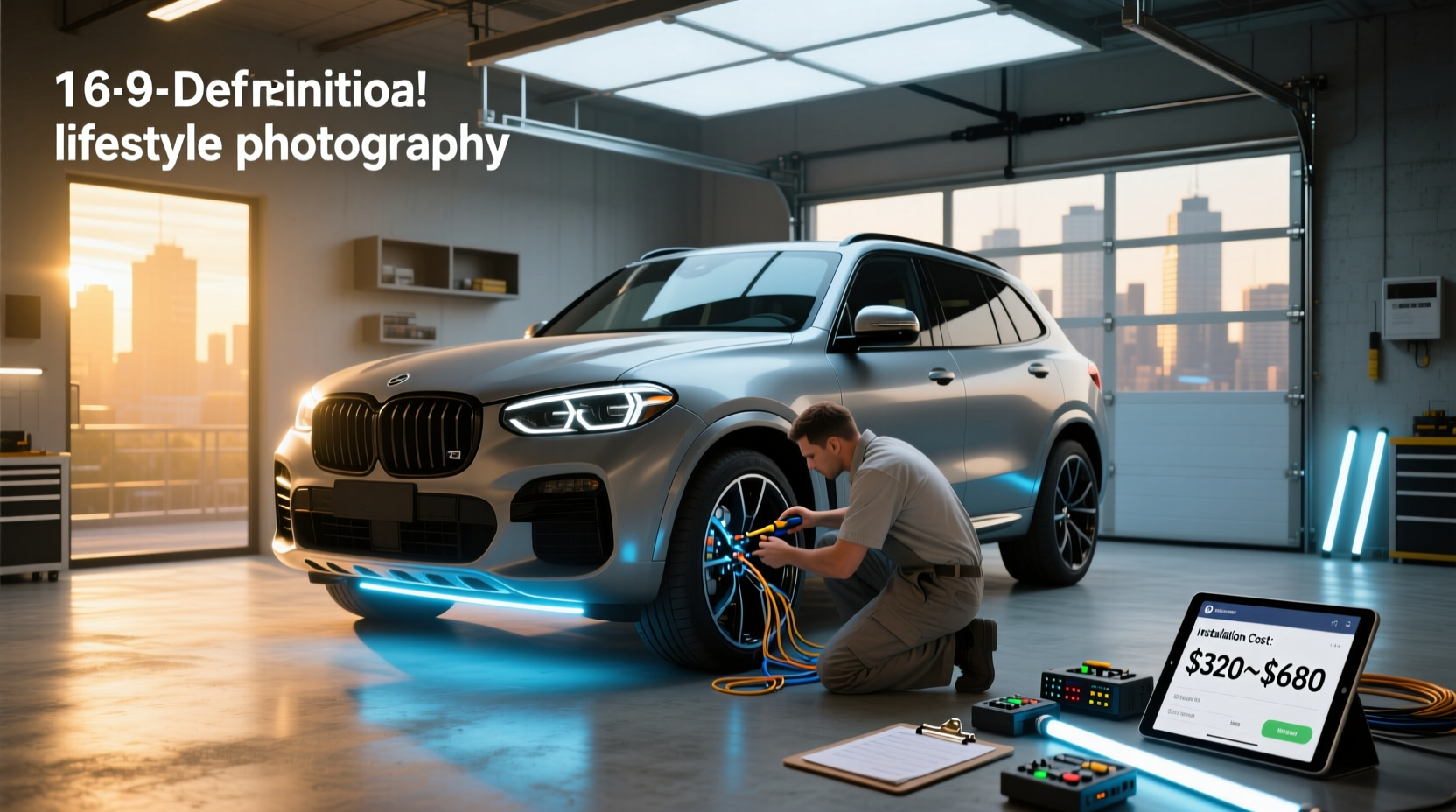
Professional installation typically adds $100–$400 in labor. Shops like Tint World 2 offer bundled packages, while independent specialists may charge hourly.
Mobile services such as Airtasker 3 connect users with freelancers who perform on-site installs, often at lower rates—but vetting is essential.
High-end integrations (e.g., full-door dynamic lighting) can exceed $1,200. According to user reports on forums like Reddit 4, some dealerships quote up to $1,800 for similar work, making third-party options compelling.
If you’re a typical user, you don’t need to overthink this. Spending more than $800 rarely delivers proportional benefits unless you’re pursuing concours-level detail.
Top-seller & competitive analysis
No single brand dominates the aftermarket space, but several consistently appear in reviews and supplier catalogs.
| Brand/Platform | Type | Price Range | Key Strength | Limitation |
|---|---|---|---|---|
| xkglow | Aftermarket LED kits | $40–$120 | Precise vehicle fitments | Limited smart features |
| Tint World | Installation service + parts | $300–$900 | National presence, trained techs | Pricing varies by location |
| Airtasker | On-demand installer network | $150–$600 | Home service, flexible scheduling | Inconsistent quality control |
| R28 Custom Garage | High-end custom builds | $700–$1,500+ | OEM-level finishes | UK-based, limited reach |
| Alibaba Car Interior | Bulk wholesale kits | $15–$50/unit | Low per-unit cost | Not retail-ready; MOQ applies |
While Alibaba sources offer deep discounts, they cater to resellers, not end users. Retail buyers should prioritize vendors offering direct support and tested compatibility.
Customer feedback synthesis
Analysis of recent reviews and forum discussions reveals consistent themes:
- Most praised: Improved cabin ambiance, ease of DIY for simple kits, app functionality (when stable)
- Most criticized: Adhesive failure over time, inconsistent color matching between strips, poor customer service from budget sellers
- Surprise insight: Many users disable dynamic modes after initial use and stick to one static color
- Common regret: Choosing RGB when they only ever used white
If you’re a typical user, you don’t need to overthink this. Simplicity wins in long-term satisfaction.
Sourcing & supplier tips
Where you buy affects both outcome and support.
- For DIY: Use specialized auto LED retailers (e.g., xkglow.com) rather than general marketplaces
- For installation: Search “car audio and lighting” + your city, then verify portfolios
- Avoid unbranded kits labeled “universal fit”—they rarely account for curve radii or gap widths
- Ask suppliers for sample photos on your exact car model
- Use platforms like Airtasker cautiously—filter for top-rated providers with verified reviews
This piece isn’t for keyword collectors. It’s for people who will actually use the product.
Maintenance, safety & legal considerations
Ambient lighting draws minimal power and poses little risk when properly installed. However:
- Ensure wires don’t interfere with airbag modules (especially in doors)
- Use fused connections to prevent circuit overload
- Check local regulations: some regions restrict flashing or colored lights visible outside
- Clean gently—moisture or abrasion can damage coating
- Monitor for flickering, which may indicate voltage instability
To verify compliance, consult your vehicle manual or contact the manufacturer. Do not modify factory wiring harnesses without understanding load limits.
Conclusion
If you need a quick aesthetic upgrade with minimal risk, choose a reputable plug-and-play kit. If you want seamless integration and own a complex vehicle, opt for professional installation from a specialist shop. For most people, spending between $200 and $600 delivers satisfying results without diminishing returns. If you’re a typical user, you don’t need to overthink this—focus on durability and placement, not features you won’t use.
Everything You Need to Know
How much does it cost to install interior LED lights in a car? ▶
Costs vary by region and complexity. Simple DIY kits start around $20. Professional installations typically range from $300 to $800, depending on labor, kit quality, and number of zones lit. High-end setups may exceed $1,200.
Can I install ambient lighting myself? ▶
Yes, if you're comfortable removing interior panels and routing wires safely. Plug-and-play kits require minimal tools. More complex setups risk damaging trim or electrical systems—consider professional help for hard-to-reach areas.
Does ambient lighting affect my car's battery? ▶
Not significantly. Most systems consume less than 5 watts. When wired to door triggers or ignition, they turn off automatically. Always use a fused connection to prevent drain.
Is colored ambient lighting legal? ▶
Interior lighting is generally unrestricted as long as it doesn't shine outside the vehicle or distract the driver. Some states limit red lights visible from behind. Verify with local DMV or transport authority.
Do ambient lights reduce resale value? ▶
Usually not—if installed cleanly and reversibly. Poorly done mods with cut wires or damaged trim can hurt value. OEM-style or professionally fitted systems may even appeal to certain buyers.




 浙公网安备
33010002000092号
 浙B2-20120091-4