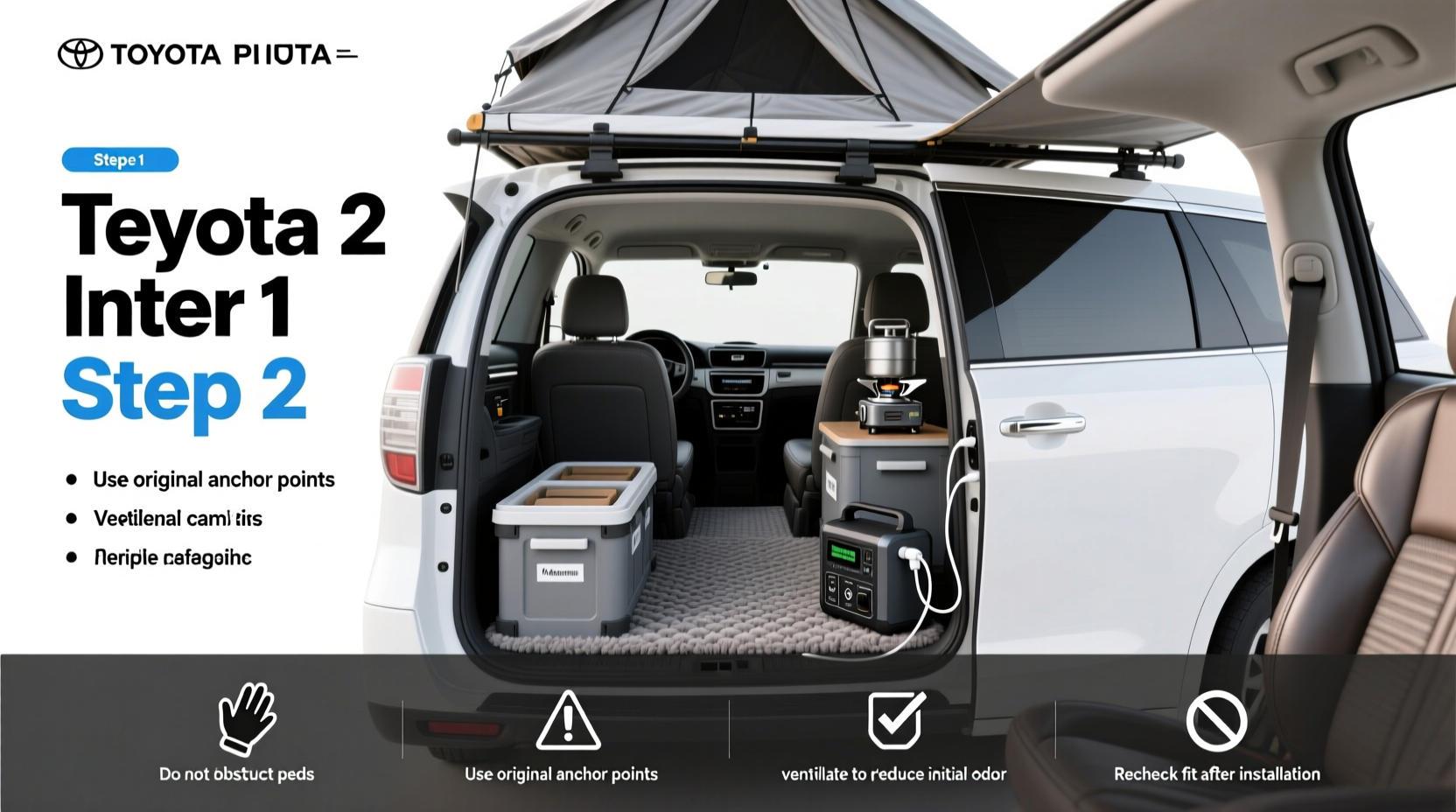
🛒 Short Introduction: What to Look for in Car Camping Prius V
If you're asking how to choose car camping Prius V, start here: the Toyota Prius V’s high roof, 66.3 cubic feet of cargo space, and hybrid fuel efficiency make it one of the most practical compact vehicles for lightweight car camping. For solo travelers or couples prioritizing fuel economy over off-road capability, this hatchback offers a smart entry point. Key considerations include interior vertical clearance (about 44 inches), power access via 12V outlets or portable stations, and whether to use an inflatable mattress, fold-flat seats, or a rooftop tent. Avoid models without rear seat folding if maximizing sleep space is your goal. This guide covers everything from setup types to safety checks so you can decide what configuration fits your travel style.
📍 About Car Camping Prius V
Car camping with a Prius V means converting the vehicle’s spacious rear cabin into a temporary sleeping and storage area for overnight outdoor trips. Unlike traditional RVs or SUV-based builds, the Prius V appeals to minimalist campers who want low fuel costs, urban maneuverability, and easy parking. The 'V' stands for 'Versatility,' and its wagon-like design provides more headroom and cargo volume than standard hybrids. Typical setups involve folding down the second-row seats to create a flat sleeping platform, adding insulation, lighting, and small gear like coolers or portable stoves. It's ideal for national park visits, beach weekends, or music festivals where driving distance matters more than rugged terrain.
✨ Why Car Camping Prius V is Gaining Popularity
Rising fuel prices and growing interest in sustainable travel have boosted demand for efficient car camping platforms. The Prius V averages 42–48 MPG combined, significantly reducing long-distance trip costs compared to trucks or vans 1. Its compact size allows access to crowded campgrounds and narrow forest roads often closed to larger rigs. Additionally, digital nomads and budget-conscious adventurers favor the Prius V for stealth camping in cities or Walmart lots due to its quiet electric mode and unobtrusive profile. With minimal modifications, users achieve functional living space without permanent conversions—making it a flexible option for occasional and full-time campers alike.
🔧 Types and Variants
- ✅ Folded Seat Platform: Most common. Rear seats folded flat with added foam or air mattress. Pros: Reversible, no tools needed. Cons: Limited height; requires reassembly each trip.
- ✅ Modular Interior Kit: Custom-cut plywood platforms over wheels, sometimes with storage bins. Pros: Stable surface, reusable setup. Cons: Semi-permanent; takes time to install/remove.
- ✅ Rooftop Tent (RTT): Mounted on factory rails or aftermarket bars. Pros: Frees interior space, elevated view, better ventilation. Cons: Adds wind resistance, reduces garage access, higher center of gravity.
- ✅ Hybrid Setup: Combine interior sleeping with rooftop gear storage. Useful for families or extended trips. Pros: Balances space and flexibility. Cons: Requires careful weight distribution and load management.
⚙️ Key Features and Specifications to Evaluate
When evaluating how to choose car camping Prius V configurations, focus on measurable specs:
- Cargo Volume: Up to 66.3 cu ft behind front seats (second row folded). Measure actual usable length (~78 inches) and width between wheel wells (~48 inches).
- Power Access: Built-in 12V outlet(s); consider adding a secondary deep-cycle battery or solar charger for lights, phones, or mini-fridges.
- Ventilation & Condensation: Use window shades with mesh inserts or vent fans to reduce fogging during cold nights.
- Insulation: Reflective window covers and floor mats improve comfort in cooler climates.
- Noise Level: Electric-only mode at low speeds enhances stealth camping discretion.
- Roof Load Capacity: Factory-rated around 165 lbs dynamic load—critical when mounting tents or cargo boxes.
📋 Pros and Cons
✔️ Pros
- Excellent fuel economy lowers trip cost
- Compact footprint fits tight spaces and garages
- Reliable hybrid drivetrain with proven longevity
- Easy to reverse modifications for daily use
- Suitable for beginner car campers
✘ Cons
- Limited headroom compared to vans or SUVs
- No built-in AC while parked (engine must run)
- Lower ground clearance restricts unpaved road use
- Roof weight limit constrains heavy rooftop setups
- Not ideal for year-round cold-weather camping without upgrades
🔍 How to Choose Car Camping Prius V
Follow this step-by-step checklist to make an informed decision:
- Assess Your Travel Style: Solo or couple? Weekend trips or months on the road? Simpler setups suit occasional use.
- Measure Sleeping Space Needs: Lie down in the vehicle with seats folded. Check shoulder and foot room. Account for insulation layers.
- Evaluate Power Requirements: Need USB charging only? Or fridge + LED lighting? Add a portable power station (e.g., Jackery) if exceeding 12V outlet limits.
- Decide on Permanence: Temporary = removable mattress. Permanent = platform build. Consider resale value impact.
- Test Ventilation Options: Try pop-up vents or magnetic screen covers to prevent condensation buildup.
- Check Roof Rack Compatibility: Confirm factory crossbars support intended load. Aftermarket options exist but require fit verification.
- Avoid These Pitfalls:
- Ignoring local regulations on overnight parking
- Overloading roof beyond manufacturer specs
- Using propane appliances inside enclosed cabins (fire risk)
- Blocking rear visibility with tall interior builds
💰 Price & Market Insights
Pricing varies widely based on modification level:
- Used Prius V (2012–2015): $6,000–$10,000 depending on mileage and condition.
- Foldable Mattress Kits: $80–$200 (custom-fit options available).
- Portable Power Stations: $200–$600 (e.g., 300Wh–1000Wh capacity).
- Rooftop Tents: $1,200–$2,500; soft-shell models tend to be lighter and more compatible with lower weight limits.
- DIY Platform Materials: $150–$400 for plywood, hinges, insulation, and hardware.
Value seekers should prioritize used vehicles with clean titles and invest incrementally in add-ons. Full conversion kits are rare for Prius V, so most builds remain owner-fabricated. Always compare total cost of ownership—including insurance, maintenance, and fuel savings—against alternative vehicles.
📊 Top-seller & Competitive Analysis
While no official 'car camping' trim exists for the Prius V, certain accessories dominate user preferences:
| Product Type | Example Model | Weight (lbs) | Prius V Compatibility | User Rating |
|---|---|---|---|---|
| Mattress Insert | CustomFit Camper Pad | 18 | High – pre-cut for wheel wells | ⭐ 4.6 |
| Portable Power | Jackery Explorer 500 | 13.3 | High – charges via 12V or wall | ⭐ 4.7 |
| Rooftop Tent | ALO Gear Mini XXL | 145 | Medium – verify dynamic load rating | ⭐ 4.8 |
| Window Cover Set | AutoVentShade AVS InVent | 5 | High – model-specific fit | ⭐ 4.5 |
Note: Rooftop tent compatibility depends on installed rack strength. Always confirm max load with both tent and vehicle manufacturers.
📈 Customer Feedback Synthesis
Based on aggregated reviews across forums and retailers:
- Most Praised Aspects: Fuel efficiency, ease of city driving, reliability, quiet operation, and ability to maintain daily usability.
- Frequent Complaints: Lack of interior height for tall users, limited space for more than two people, difficulty installing third-party roof racks securely, and poor stock stereo integration with modern devices.
- Common Regrets: Not upgrading insulation early, underestimating need for external lighting, and choosing bulky rooftop tents that exceed safe loading limits.
🛒 Sourcing & Supplier Tips
You can source components through multiple channels:
- Used Vehicles: Check CarMax, Carmax, or private sellers on Facebook Marketplace. Prioritize service records and hybrid battery health reports.
- Aftermarket Parts: Reputable suppliers include Raxiom (interior lighting), WeatherTech (floor liners), and Yakima (roof racks).
- Custom Builds: Etsy and eBay offer tailored mattress inserts and platform plans.
- Verification Steps: Before purchasing any roof-mounted item, check product specifications against your vehicle’s gross vehicle weight rating (GVWR) and roof dynamic load limit. Request installation guides and customer photos showing real-world fits.
⚠️ Maintenance, Safety & Legal Considerations
To ensure safe and compliant use:
- Maintenance: Regularly inspect hybrid battery status, tire pressure (especially when loaded), and cabin air filters. Clean spills promptly to avoid mold.
- Safety: Never operate combustion engine in enclosed spaces. Use carbon monoxide detectors if running climate control while sleeping.
- Legal: Overnight parking laws vary by municipality and land agency (e.g., BLM vs. National Forest). Always verify rules before camping roadside or in urban areas. Some jurisdictions prohibit living in vehicles indefinitely—even if just passing through.
- Insurance: Modifications like permanent platforms may affect coverage. Notify insurer if making structural changes.
When in doubt, consult official transportation department websites or park ranger offices for location-specific guidance.
📌 Conclusion
The Prius V remains a compelling choice for eco-conscious, budget-aware adventurers seeking a simple way to explore nature without sacrificing daily drivability. If you need a fuel-efficient, easy-to-park car camping solution for one or two people on paved or mildly rough terrain, the Prius V—with thoughtful planning—delivers strong value. However, if you regularly camp in extreme weather, carry bulky gear, or travel with three or more people, consider a larger SUV or van. Success hinges on realistic expectations, proper measurement, and incremental upgrades aligned with your trip frequency and comfort priorities.




 浙公网安备
33010002000092号
 浙B2-20120091-4