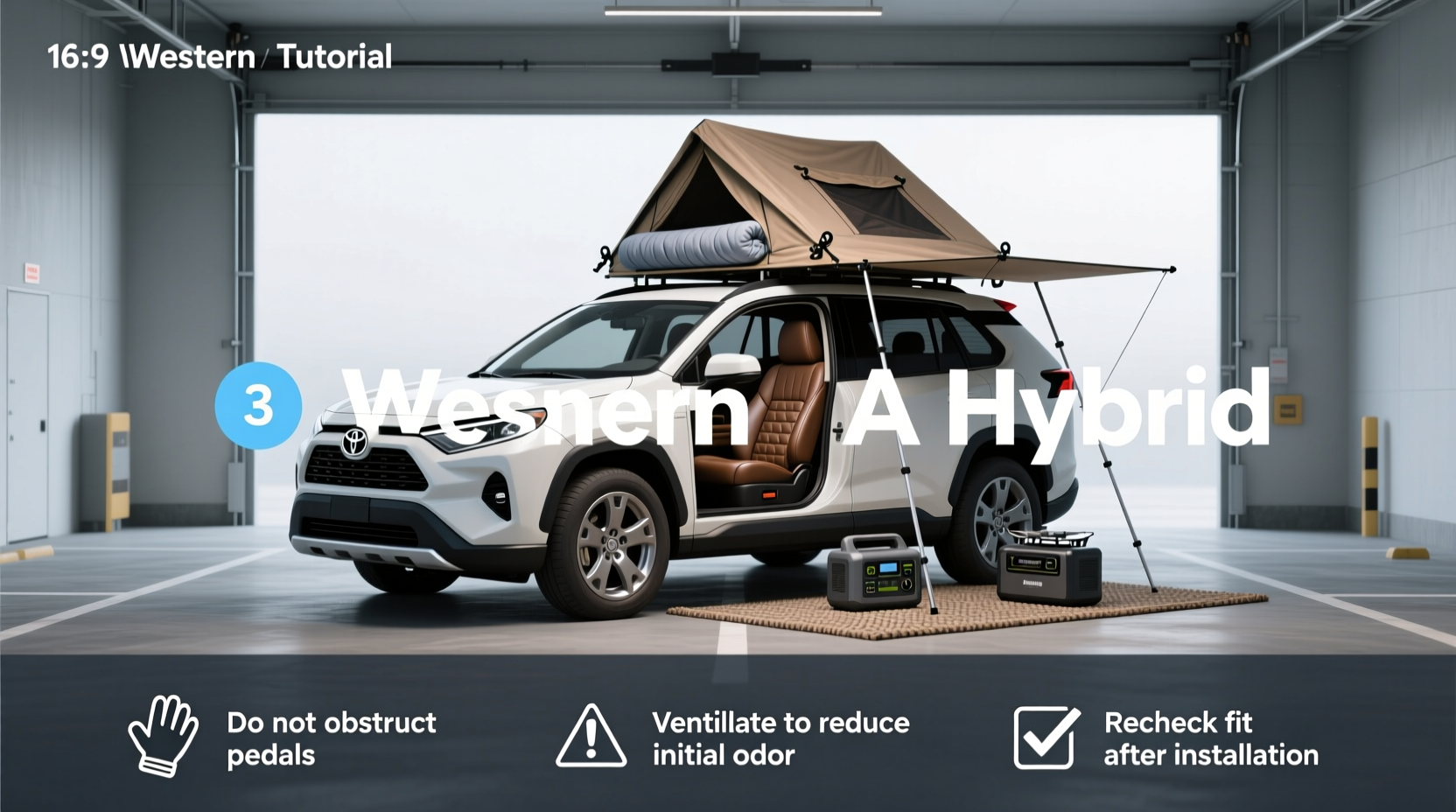
🛒 Short Introduction: What You Need to Know First
If you're asking how to choose car camping RAV4 hybrid, start here: the Toyota RAV4 Hybrid is one of the most practical vehicles for lightweight, efficient car camping due to its fuel economy, reliability, and available cargo space. However, turning it into a capable camping rig requires evaluating key modifications like power systems, roof load limits, and interior layout. For solo or two-person weekend trips with minimal gear, a stock RAV4 Hybrid often suffices with an inflatable mattress. If you plan longer off-grid adventures, prioritize models with the Adventure or Wilderness trim for increased ground clearance and durability. Avoid overloading the roof—most trims support only 165–200 lbs dynamic weight, limiting rooftop tent options without reinforcement.
When researching what to look for in car camping RAV4 hybrid setups, focus on four core areas: interior sleeping configuration, auxiliary power (12V/USB outlets or added battery), storage accessibility, and climate adaptability (e.g., ventilation, window coverings). Many buyers overlook rear seat fold-flat alignment, which affects mattress fit. Also, confirm if your model has cabin 12V power after ignition-off—a critical feature for running lights or fans overnight. This guide walks through every decision point so you can build or buy a system that matches your trip frequency, passenger count, and terrain needs.
📍 About Car Camping RAV4 Hybrid
The term car camping RAV4 hybrid refers to using the Toyota RAV4 Hybrid SUV as a base vehicle for self-contained, mobile overnight stays without requiring external hookups. Unlike traditional RVs, this approach leverages the compact footprint, fuel efficiency (~40 MPG combined), and urban drivability of the RAV4 while adding minimal modifications for comfort during short-term outdoor stays.
Typical use cases include weekend getaways in national parks, dispersed camping on public lands, music festivals, or scenic backroad exploration. Most setups involve folding the rear seats flat to create a continuous sleeping platform, adding a custom or inflatable mattress, and storing food, water, and gear in bins or under-seat compartments. Some users add portable power stations, interior LED lighting, or window shades for privacy and temperature control.
This style appeals to those who want more freedom than tent camping but less commitment than full van builds. The RAV4 Hybrid’s AWD (available on all trims except LE FWD) improves traction on unpaved roads, making it suitable for forest service routes or muddy campgrounds where pavement ends.
📈 Why Car Camping RAV4 Hybrid Is Gaining Popularity
Rising interest in low-impact, flexible outdoor travel has boosted demand for car camping RAV4 hybrid configurations. Several factors contribute:
- ✅ Fuel Efficiency: With EPA ratings up to 41 MPG highway, the hybrid powertrain reduces fuel stops and operating costs compared to gas-only SUVs or full-size trucks.
- 🌍 Lower Environmental Footprint: Reduced emissions align with eco-conscious travelers seeking sustainable adventure options.
- 🔧 Minimal Modification Needed: Unlike full van conversions, many RAV4 owners achieve functional setups without permanent alterations.
- 🛒 Urban Accessibility: Its size allows easy parking in cities or crowded campgrounds where larger rigs struggle.
- 👥 Dual-Purpose Use: Owners maintain daily driving functionality while gaining weekend adventure capability.
Social media and online communities have amplified visibility, showcasing creative DIY interiors and scenic destinations accessible via moderate off-road paths—further fueling adoption among millennials and remote workers pursuing location flexibility.
⚙️ Types and Variants
Not all RAV4 Hybrids are equally suited for car camping. Understanding trim differences helps match your needs:
1. LE / XLE Hybrid (FWD/AWD)
Ideal for light-duty car camping on maintained roads.
- Pros: Lower price point, excellent fuel economy, quiet cabin.
- Cons: Limited ground clearance (8.1”), no tow package standard, lower roof load capacity.
2. Adventure Trim
Built for rugged conditions with enhanced off-pavement performance.
- Pros: Standard AWD, higher ground clearance (8.9”), reinforced suspension, aggressive tires, optional towing (up to 3,500 lbs).
- Cons: Slightly reduced MPG (~37 highway), firmer ride on pavement, higher initial cost.
3. Wilderness Trim
Top-tier option for serious off-grid use.
- Pros: Maximum ground clearance (8.9”), standard roof rails with crossbars, unique all-terrain tires, improved approach/departure angles.
- Cons: Highest MSRP, limited color/options availability, slightly narrower interior due to protective cladding.
No factory sleep system exists, so all sleeping setups are aftermarket or user-built. Consider your typical terrain when choosing between trims—paved campgrounds favor LE/XLE; rocky trails or snow-covered forests benefit from Adventure/Wilderness.
✨ Key Features and Specifications to Evaluate
To make an informed decision on what to look for in car camping RAV4 hybrid models, assess these technical and functional specs:
- Cargo Volume (Behind Rear Seats): ~33 cu ft—limits bulky gear unless roof-mounted.
- Max Cargo Capacity (Floor to Roof): ~48 inches—verify mattress thickness fits with headroom.
- Roof Load Limit (Dynamic): Typically 165–200 lbs depending on trim—critical for rooftop tents.
- Power Outlets: At least one 12V port; newer models include USB-C. Check if powered after engine-off (varies by model year).
- Auxiliary Battery Option: Not standard; consider adding a deep-cycle battery or portable power station for extended electronics use.
- Ground Clearance: Impacts access to undeveloped campsites. 8.9” clears most graded dirt roads.
- Towing Capacity: Up to 3,500 lbs on Adventure/Wilderness—useful for hauling trailers or boats.
- Climate Control Retention: Electric HVAC runs briefly after shutdown but cannot operate indefinitely without engine.
Measure your intended mattress or platform against the folded rear dimensions (approx. 70” long x 48” wide) to ensure fit. Also, test visibility with any installed roof rack or cargo box.
📊 Pros and Cons
• Solo or duo adventurers
• Weekenders preferring established or dispersed campsites
• Urban dwellers needing weekday usability
• Budget-conscious buyers avoiding full van conversion costs
• No standing room inside
• Limited interior height restricts insulation/climate buffering
• Roof weight limits exclude heavy rooftop tents without reinforcement
• No built-in freshwater tank or waste system
• Sleeping area occupies entire rear—no separation from gear
It excels in simplicity and mobility but lacks the living amenities of larger platforms like converted Sprinters or even Subaru Outbacks with elevated roofs.
📋 How to Choose Car Camping RAV4 Hybrid
Follow this step-by-step checklist when deciding how to choose car camping RAV4 hybrid solutions:
- Define Your Use Case: Will you camp weekly or seasonally? In deserts, mountains, or forests?
- Select Trim Level: Opt for Adventure or Wilderness if frequently driving rough terrain.
- Check Roof Rails: Ensure factory-installed or compatible aftermarket rails exist for mounting gear.
- Test Seat Fold: Confirm rear seats fold completely flat—some older models have slight inclines.
- Evaluate Power Needs: Add a portable power station (e.g., Jackery, EcoFlow) if running lights, phone charging, or small appliances.
- Plan Ventilation: Use vent visors or cracked windows with mesh covers to reduce condensation.
- Weight Distribution: Keep heavy items low and centered to maintain handling stability.
❗ Red Flags to Avoid
- Overloading the roof: Exceeding dynamic limit risks damage and unsafe driving.
- Blocking rear visibility: Large rooftop boxes may impair backup camera or rearview sightlines.
- Ignoring local regulations: Some areas prohibit sleeping in vehicles or require permits for dispersed camping.
- Assuming cabin power persists: Many 12V ports turn off shortly after engine shutdown—verify behavior in your model.
Always test your full setup—including mattress, gear, and occupants—before heading far from home.
💰 Price & Market Insights
New RAV4 Hybrid prices range from $32,000 (LE FWD) to $43,000+ (Wilderness AWD). Used models (2020–2023) typically sell between $25,000 and $38,000, depending on mileage, trim, and condition.
For car camping, expect additional costs:
- $100–$300: Inflatable mattress or foam cut-to-fit platform
- $200–$600: Portable power station (500–1000Wh)
- $300–$1,200: Roof rack system (if not factory-equipped)
- $800–$2,500: Rooftop tent (only viable within roof load limits)
Value seekers should consider certified pre-owned (CPO) units with remaining warranty. Prioritize trims already equipped with roof rails and AWD to minimize upgrade expenses. Remember that prices vary significantly by region and dealer incentives—check multiple listings and negotiate accordingly.
🔍 Top-Seller & Competitive Analysis
While Toyota doesn’t offer factory camping packages, third-party accessories dominate sales. Below compares popular add-ons used in car camping RAV4 hybrid builds:
| Product Type | Example Model | Weight | Price Range | Compatibility Note |
|---|---|---|---|---|
| Roof Rack | Thule AeroBlade Edge | 22 lbs | $500–$700 | Fits factory rails; max load 165 lbs |
| Portable Power | EcoFlow River 2 Pro | 11 lbs | $600 | 512Wh; supports 11 devices |
| Inflatable Mattress | Sea to Summit Comfort Plus | 9 lbs | $200 | Self-inflating; fits diagonally |
| Rooftop Tent | Smittybilt Overlander | 145 lbs | $2,200 | Verify total load with gear & people |
Note: Always confirm product specifications against your specific RAV4 model year and trim. Weight limits are cumulative—include occupants and stored items when calculating total roof load.
📌 Customer Feedback Synthesis
Based on aggregated reviews and forum discussions (e.g., Toyota Nation, Reddit r/carcamping), common sentiments include:
✅ Frequent Praises
- “Reliable and gets great gas mileage even with extra gear.”
- “Easy to park at trailheads and grocery stores.”
- “Adventure trim handles snowy forest roads confidently.”
- “Quiet cabin makes for peaceful nights.”
❌ Common Complaints
- “Rear seat fold isn’t perfectly flat—had to shim my platform.”
- “Only one 12V outlet in back—added a dual USB/12V splitter.”
- “Wind noise with roof rack above 60 mph.”
- “Limited headroom with tall mattress—feels cramped.”
Users consistently recommend measuring twice before buying accessories and investing in quality window covers for better sleep privacy and heat management.
🧰 Sourcing & Supplier Tips
Purchase vehicles from dealers offering CPO programs with comprehensive inspections. For modifications:
- OEM Parts: Buy roof rails directly from Toyota dealership for guaranteed fitment.
- Aftermarket Gear: Source from reputable brands (Thule, Yakima, Goal Zero) via authorized retailers to avoid counterfeits.
- Used Accessories: Acceptable for non-critical items like mattresses or organizers; inspect for mold, tears, or corrosion.
- Verification Steps: Before finalizing any purchase, check return policies, warranty coverage, and compatibility charts provided by manufacturers.
When buying online, read recent customer photos to assess real-world fit and finish. For international buyers, verify voltage compatibility on electronic devices (e.g., 110V vs 220V).
🧼 Maintenance, Safety & Legal Considerations
Regular maintenance ensures longevity and safety:
- Inspect roof rack bolts every 3,000 miles for loosening due to vibration.
- Keep sliding door tracks clean to prevent jamming with dirt or sand.
- Store lithium-based power stations partially charged (30–50%) during long idle periods.
- Use carbon monoxide detectors if running generators near enclosed spaces (though engine operation inside vehicle is unsafe).
Safety reminders:
- Never sleep with engine running in enclosed areas.
- Lock valuables out of sight to deter break-ins.
- Carry emergency supplies: first aid kit, flashlight, spare tire, jumper cables.
Legally, always confirm local ordinances regarding overnight vehicle occupancy. National forests often allow dispersed camping for 14 days; city streets typically prohibit it. Regulations vary widely—consult BLM or USFS websites for land-specific rules.
✅ Conclusion
The RAV4 Hybrid offers a balanced solution for efficient, accessible car camping. If you need a reliable, fuel-efficient SUV for occasional weekend trips with one or two people, the XLE or Adventure trim with basic interior mods will serve well. If you regularly explore rougher terrain or want greater durability, invest in the Wilderness trim. Avoid rooftop tents unless total loaded weight stays under the dynamic roof limit. Focus on optimizing interior ergonomics, power access, and ventilation rather than chasing high-cost add-ons. By matching your setup to actual usage patterns, you’ll maximize enjoyment without overbuilding.
❓ FAQs
Yes, for most adults up to 6'2\" when using a diagonal sleeping layout or flat-folding rear seats with a thin mattress. Taller individuals may find it tight.
The stock battery powers short-term use. For extended needs, add a portable power station—most users report success with 500Wh units.
Yes, if parked legally and securely. Use window covers, lock doors, and avoid running engines in enclosed spaces.
Only if total weight (tent + occupants) stays under the dynamic roof limit (typically 165–200 lbs). Verify with your trim’s manual before installing.
Use sun shades, crack windows with security mesh, and position the vehicle in shade. A 12V fan powered by a portable battery helps circulate air.




 浙公网安备
33010002000092号
 浙B2-20120091-4