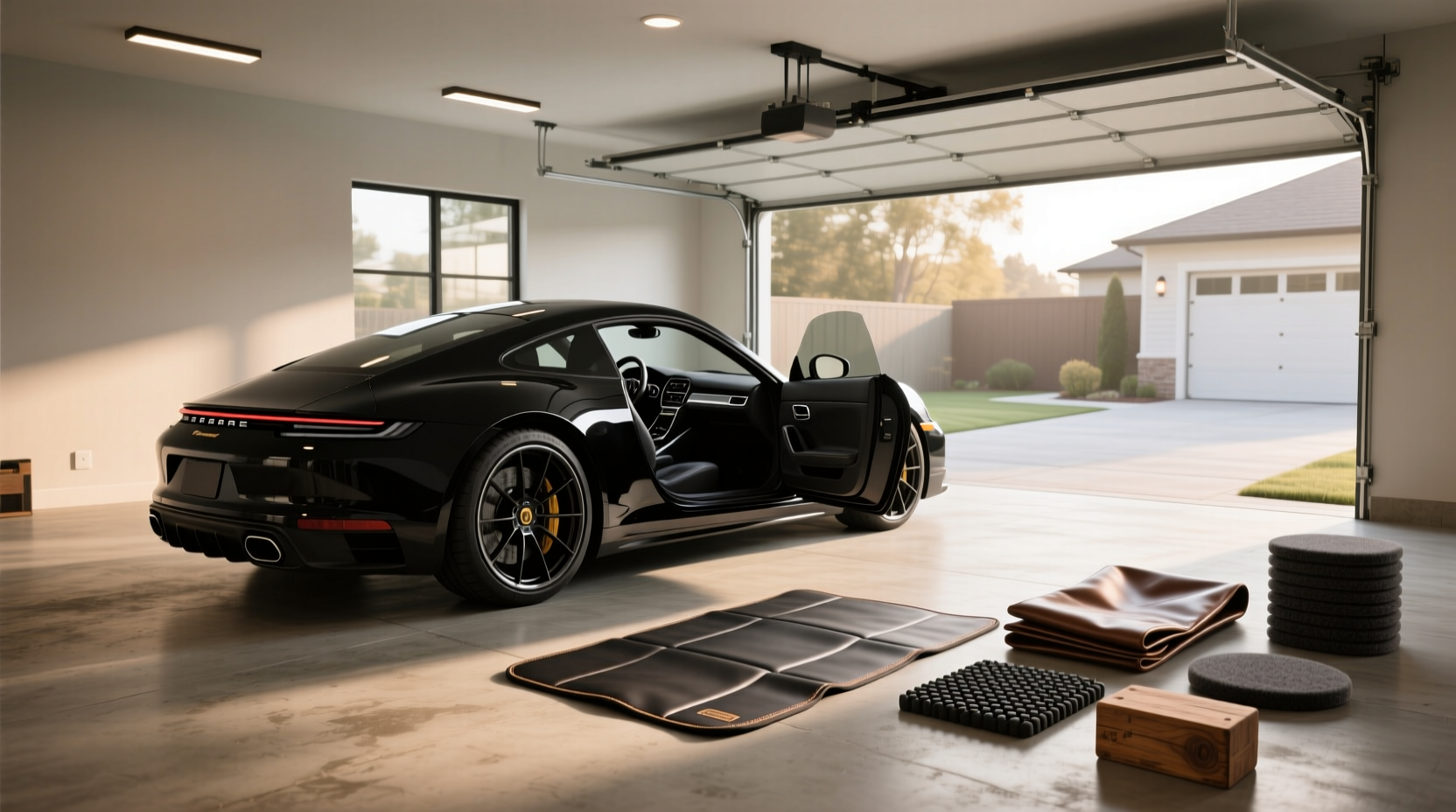
If you're wondering what to look for in car heel pad, what can I use instead of heel pads?, start here: your choice depends on durability needs, comfort preference, and aesthetic goals. For long-term wear resistance, metal heel pads (stainless steel or aluminum) are ideal, especially for performance vehicles ⚙️. If water protection is key, PVC or rubber pads offer excellent waterproofing ✅. For OEM-style comfort, high-density nylon carpet replacements provide a seamless look but require professional installation 🧰. Replacing the entire custom-fit floor mat is often the most practical solution if damage is widespread 🛒. Avoid low-quality PVC with high filler content—it cracks easily ❗.
About Car Heel Pads: What Are They and Where Are They Used?
A car heel pad is a reinforced section of the driver’s side floor mat, located just to the right of the brake pedal. It’s designed to withstand constant friction from the driver’s shoe heel during operation. Over time, this area wears down due to repeated contact, leading to fraying, holes, or complete material failure 📍.
This feature is standard in most factory-installed mats, particularly in manual transmission vehicles where drivers frequently rest their heel while operating the clutch. However, automatic transmission drivers also benefit from heel pads when using left-foot braking or heel-toe techniques. The pad serves both functional and protective roles—reducing carpet wear and improving foot positioning for better control.
Why Are Alternatives to Heel Pads Gaining Popularity?
As original equipment heel pads degrade, many owners seek upgrades rather than simple replacements. This shift is driven by several factors: increased awareness of interior customization, demand for all-weather protection, and the rise of DIY automotive culture 👥.
Drivers in regions with heavy rain, snow, or mud are turning to all-weather floor mats that integrate durable heel zones made from TPE or rubber 🌍. Enthusiasts and tuners prefer metal heel pads for their premium appearance and longevity ✨. Meanwhile, budget-conscious users explore universal fit mats or DIY repairs to extend the life of existing carpets without full replacement.
Types and Variants of Heel Pad Solutions
🛒 Custom or Universal Fit Floor Mats
Replacing the entire mat is often more effective than patching a worn heel area.
- Custom-Fit Mats: Designed for specific vehicle makes and models, these offer precise alignment and full coverage. Available in rubber, TPE, or carpet-backed variants. Ideal for maintaining a clean, factory-like finish 1.
- Universal Fit Mats: Adjustable and trimmable, these suit multiple vehicles. More affordable but may not anchor as securely. Best for older or rare models lacking custom options 2.
🌧️ All-Weather Mats
Made from Thermoplastic Elastomer (TPE), these resist water, snow, and debris. Deep channels trap dirt, protecting underlying carpet. Many include built-in heel reinforcement. Suitable for SUVs, trucks, and fleet vehicles exposed to harsh conditions 1.
⚙️ Metal Heel Pads
Stainless steel (SAE 304) or aluminum (5052/6061 alloy) inserts provide maximum durability. Common in sports cars and luxury builds.
- Pros: Extremely abrasion-resistant, easy to clean, visually striking.
- Cons: Hard underfoot, potential for corrosion if unsealed, complex installation requiring rivets or screws.
🧼 PVC or Rubber Pads
Waterproof and flexible, these are ideal for utility-focused applications.
- Installation: Can be HF-welded (seamless bond) or sewn with seam sealing required.
- Durability: High-quality PVC resists cracking; cheaper versions with high filler content degrade faster 3.
🛋️ Heavy-Duty Carpet Pads
Used to restore OEM comfort using high-density nylon (800–1200g GSM). Installed via heat lamination and overlocking.
- Pros: Soft feel, blends seamlessly with factory carpet.
- Cons: Absorbs moisture, harder to clean, requires professional upholstery work 3.
| Feature | Metal | PVC/Rubber | Carpet |
|---|---|---|---|
| Durability | High (excellent abrasion resistance) | High (resists wear and is waterproof) | Medium (depends on fiber density) |
| Comfort | Low (hard surface) | Low (can be uncomfortable) | High (soft and comfortable) |
| Aesthetics | High (premium, luxury look) | Low (industrial appearance) | High (seamless OEM style) |
| Water Resistance | Low (can rust if not sealed) | High (completely waterproof) | Low (absorbs water and can stain) |
| Ease of Cleaning | Easy (can be wiped clean) | Easy (can be wiped clean) | Difficult (prone to stains) |
| Installation Complexity | High (requires mechanical fasteners) | Medium (welding or sewing) | High (professional installation needed) |
| Target Market | Luxury, sports cars, tuners | Utility vehicles, fleet cars | Luxury OEM-style mats |
Key Features and Specifications to Evaluate
When evaluating options for how to choose car heel pad, what can I use instead of heel pads?, consider these criteria:
- Material Composition: Check for SAE 304 stainless steel or 5052/6061 aluminum in metal pads; avoid PVC with visible chalky texture (indicates high filler).
- Thickness and Density: Carpet pads should be 800–1200g GSM; rubber/TPE mats should be at least 4mm thick.
- Attachment Method: Rivets/screws (metal), HF welding (rubber), or heat lamination (carpet).
- Fit Type: Custom-fit ensures no shifting; universal may require trimming.
- Chemical Resistance: Important for rubber/PVC—should resist oil, UV, and common cleaning agents.
Pros and Cons: Who Should (and Shouldn’t) Use Each Option?
- Metal Pads: Best for drivers wanting durability and visual upgrade. Not recommended for daily commuters prioritizing foot comfort.
- PVC/Rubber: Great for wet climates or commercial fleets. Less suitable for luxury interiors due to industrial look.
- Carpet Replacements: Ideal for preserving factory aesthetics. Avoid in rainy/snowy areas unless paired with additional moisture barriers.
- Full Mat Replacement: Most cost-effective long-term solution. Consider if other parts of the mat are nearing end-of-life.
How to Choose a Car Heel Pad: Step-by-Step Buying Guide
Follow this checklist when deciding what to look for in car heel pad, what can I use instead of heel pads?
- Assess Damage Level: Minor wear? Patch or replace heel zone. Extensive damage? Replace entire mat.
- Define Priorities: Rank durability, comfort, water resistance, and appearance.
- Check Vehicle Compatibility: Confirm dimensions and mounting points. For custom mats, enter your year/make/model.
- Choose Material: Match to usage: metal for track days, TPE for all-weather, carpet for stock restoration.
- Verify Installation Method: DIY-friendly options include adhesive-backed or snap-in pads. Metal and carpet often need tools or pros.
- Avoid These Red Flags: Unbranded PVC with strong chemical smell (likely toxic off-gassing); unclear material specs; no return policy.
Price & Market Insights
Pricing varies significantly by type and quality:
- Metal Heel Pads: $25–$60 (single unit), higher for branded kits.
- PVC/Rubber Inserts: $15–$35.
- Heavy-Duty Carpet Repair: $50–$120 (labor included).
- Custom Floor Mats: $80–$180 per set.
Prices may vary by region and retailer. Always compare per-unit value, not just upfront cost. A $100 custom mat may outperform three $30 universal mats over five years.
Top-Seller & Competitive Analysis
No single brand dominates the heel pad market, but leading floor mat manufacturers like WeatherTech, Husky Liners, and 3W Lining offer reliable solutions with integrated heel protection.
| Brand | Type | Heel Reinforcement | Price Range | Best For |
|---|---|---|---|---|
| WeatherTech | All-Weather (TPE) | Integrated raised lip | $120–$160 | All-climate protection |
| Husky Liners | Flex-Tite (Rubber) | Textured wear zone | $90–$130 | Durability & grip |
| 3W Lining | Custom Carpet | Reinforced stitching + denser pile | $100–$150 | OEM-style luxury |
Note: Availability depends on vehicle model. Always check manufacturer compatibility before purchase.
Customer Feedback Synthesis
Based on aggregated user reviews:
- Most Praised: Longevity of metal pads, ease of cleaning on rubber/TPE mats, OEM fit of custom carpet replacements.
- Common Complaints: Discomfort from hard surfaces, poor adhesion in cheap PVC patches, difficulty installing metal pads without proper tools.
- Frequent Requests: More color-matched carpet options, modular heel inserts for easy swap-out, quieter rubber compounds.
Sourcing & Supplier Tips
For individual buyers:
- Purchase from retailers offering vehicle-specific configurators (e.g., input your VIN or model details).
- Look for suppliers with clear return policies and material transparency.
For bulk buyers (fleet managers, installers):
- Negotiate with manufacturers for volume discounts.
- Request samples to test durability and fit before large orders.
- Verify compliance with local flammability standards (e.g., FMVSS 302 in the U.S.), though enforcement varies.
Maintenance, Safety & Legal Considerations
Maintenance: Wipe metal and rubber with damp cloth; vacuum carpet regularly. Avoid harsh solvents on PVC.
Safety: Ensure any added pad does not interfere with pedal movement. Test full brake and accelerator stroke after installation.
Compliance: While floor mats aren’t regulated like safety components, ensure they don’t create tripping hazards or obstruct controls. In some regions, fire resistance standards apply—check with supplier or verify through independent testing if uncertain.
Conclusion: Which Option Is Right for You?
The best choice depends on your driving habits and priorities. If you want maximum durability and a sporty look, go for a stainless steel heel pad. If you face wet or muddy conditions regularly, invest in an all-weather mat with integrated heel protection. If maintaining a factory-original interior is important, opt for a high-density carpet replacement installed professionally. And if the entire mat is aging, replacing it entirely with a custom-fit model is often the most efficient long-term solution.
Frequently Asked Questions
- Can I install a metal heel pad myself?
- Yes, but it requires tools like a drill and rivet gun. Follow manufacturer instructions carefully and use a backing plate to prevent tearing.
- Are PVC heel pads safe for daily driving?
- High-quality PVC is safe and durable. Avoid low-cost versions that may crack or emit odors over time.
- How do I clean a carpet heel pad?
- Vacuum regularly and spot-clean stains with mild detergent. Avoid soaking, as moisture can lead to mold.
- Do all-weather mats come with reinforced heel areas?
- Most premium all-weather mats include textured or thicker zones in the heel area for added durability.
- When should I replace my car's floor mat instead of just the heel pad?
- If there are tears beyond the heel zone, persistent odors, or loose edging, full replacement is recommended.




 浙公网安备
33010002000092号
 浙B2-20120091-4