Short introduction
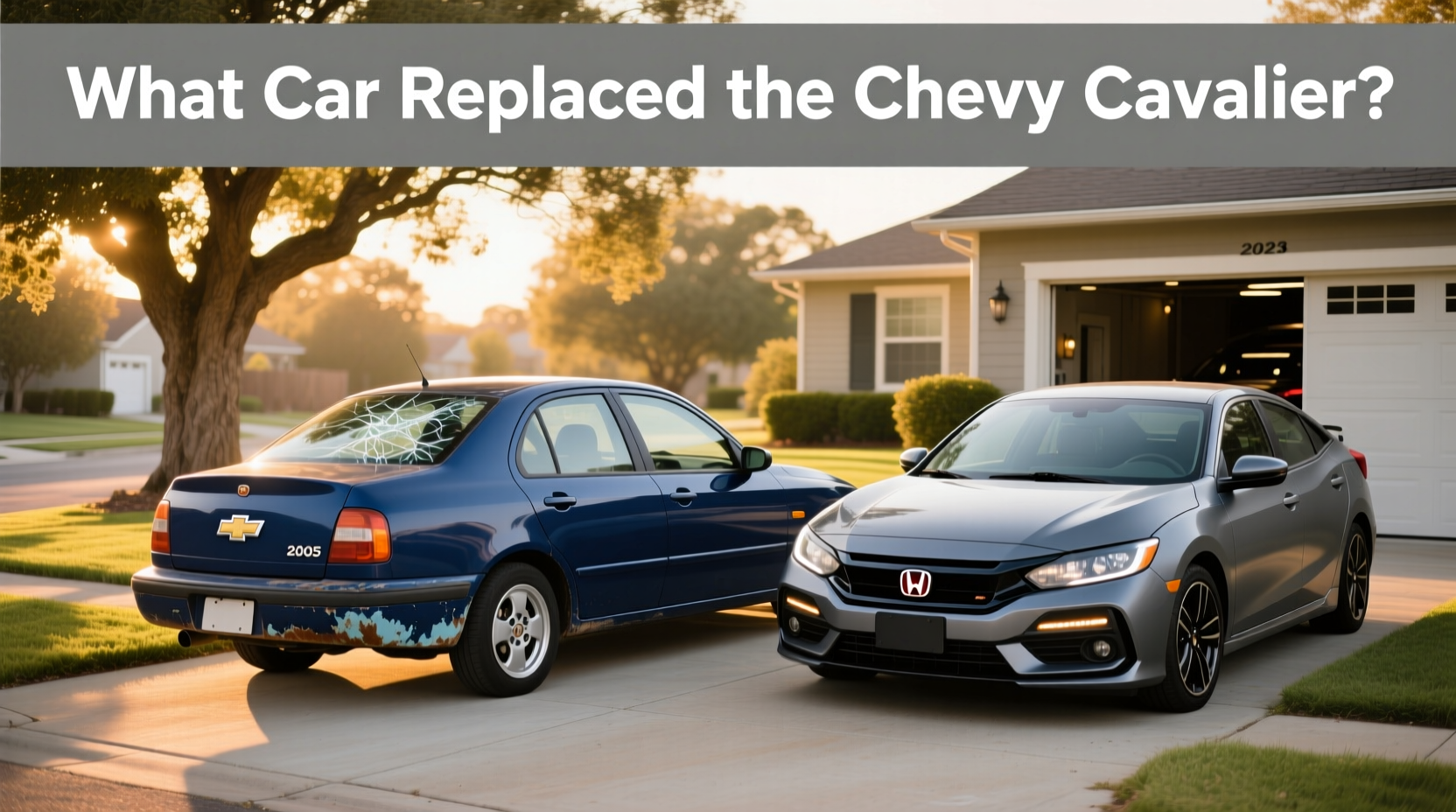
If you're looking at used compact cars and wondering what car replaced the Chevy Cavalier, the direct answer is the Chevrolet Cobalt for the 2005 model year, followed by the Chevrolet Cruze in 2011. Over the past year, interest in affordable, simple sedans has quietly risen—especially among first-time buyers, urban commuters, and budget-conscious upgraders. If you’re asking how to choose a reliable replacement for a Cavalier hatchback, focus on availability, repair cost predictability, and fuel efficiency. Avoid overvaluing brand nostalgia or rare trims like the Z24 unless you plan to modify or resell. For most users, newer base-model compacts outperform even well-maintained late-gen Cavaliers in safety and drivability.
If you’re a typical user, you don’t need to overthink this. The real decision isn’t whether to stick with a discontinued nameplate—it’s whether you prioritize low upfront cost or long-term ownership stability. This piece isn’t for keyword collectors. It’s for people who will actually use the product.
About the Chevrolet Cavalier
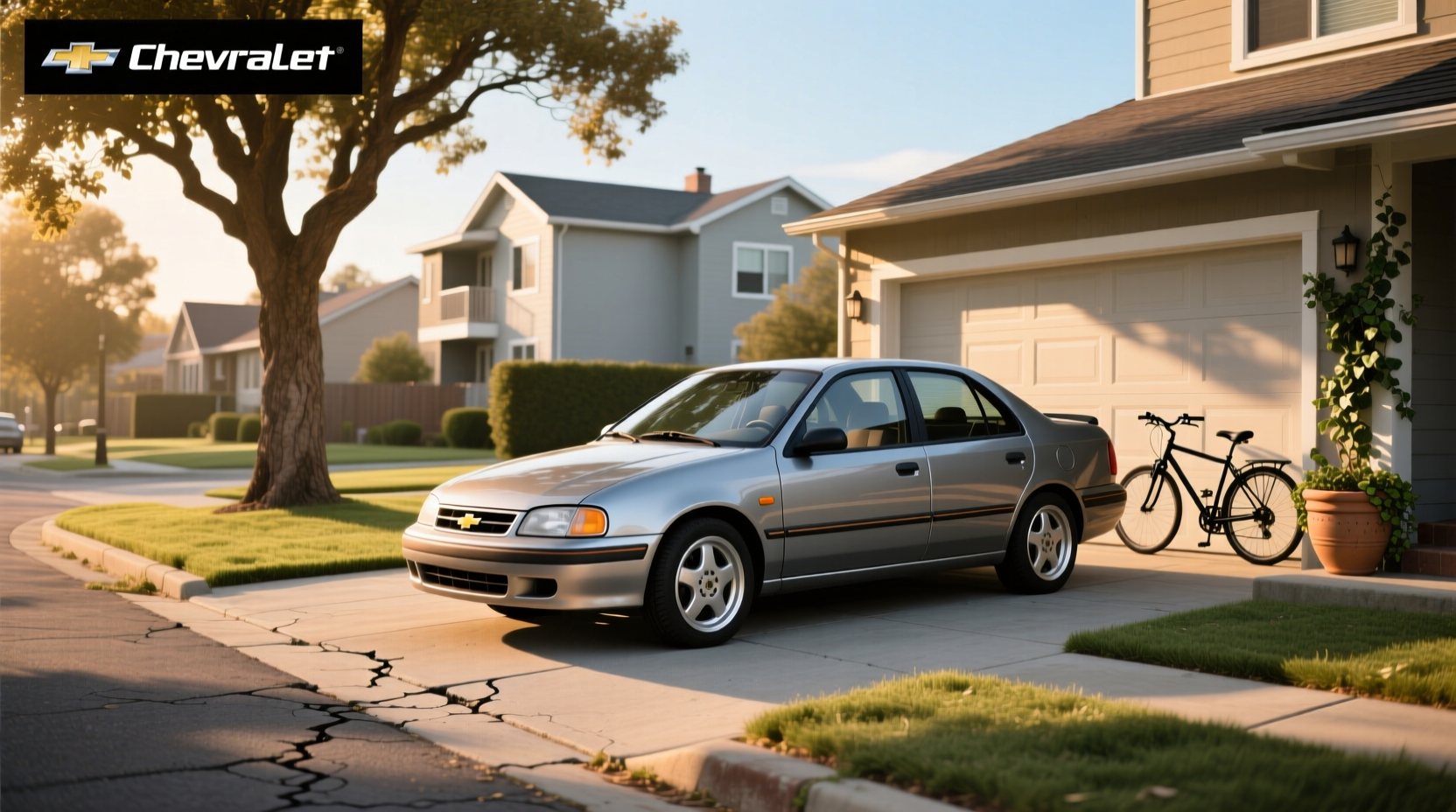
The Chevrolet Cavalier was a compact car produced from 1982 to 2005, available as a coupe, sedan, and hatchback. Initially designed as GM’s front-wheel-drive answer to Japanese imports, it shared platforms with the Pontiac Sunfire, Buick Skyhawk, and Oldsmobile Firenza 1. While never praised for performance or luxury, the Cavalier built a reputation for affordability and mechanical simplicity. The hatchback version, though less common than the sedan, offered practical cargo flexibility in a small footprint.
Production ended after the 2005 model year as General Motors restructured its compact lineup. The final generation (2000–2005) featured updated styling and improved interiors but still lagged behind rivals in crash test ratings and feature integration. Lately, online discussions have revisited the Cavalier—not because of a resurgence in reliability, but due to rising prices in the used economy car market.
Why the Cavalier’s Successors Are Gaining Popularity
Recently, more buyers are researching what replaced the Chevy Cavalier—not to buy one, but to understand which modern alternatives deliver similar value without the risk. Rising insurance costs and diminishing availability of sub-$5,000 vehicles have made older compacts like the Cobalt and early Cruze more visible in classified listings. Used car shoppers are now comparing these models not just on price, but on ease of maintenance, parts availability, and compatibility with modern tech like Bluetooth and smartphone integration.
The emotional pull of the Cavalier—simple, no-frills transportation—is still relevant. But today’s versions come with better rust protection, standard airbags, and electronic stability control. If you’re a typical user, you don’t need to overthink this: the shift from Cavalier to Cobalt to Cruze reflects a broader trend toward safer, more efficient, and better-built entry-level cars—even if they cost slightly more upfront.
Types and variants
Understanding the evolution from Cavalier to its successors helps clarify what options exist today for buyers seeking similar functionality.
Chevrolet Cavalier (1982–2005)
- Hatchback: Rare variant with fold-down rear seats; limited cargo space compared to modern hatches.
- Coupe: Most common body style; lightweight, easy to park, but poor rear visibility.
- Sedan: Base transportation; durable if maintained, but outdated suspension and steering.
When it’s worth caring about: Only if you’re restoring a classic or need ultra-low acquisition cost with full DIY control.
When you don’t need to overthink it: If safety, comfort, or resale matters, skip the Cavalier entirely.
Chevrolet Cobalt (2005–2010)
- Coupe & Sedan: Direct replacement; sharper styling, improved fuel economy.
- SS Supercharged: Performance trim with 205 hp; sought after by enthusiasts but prone to turbo-related repairs.
When it’s worth caring about: If you want a slightly newer platform with modest upgrades and wider parts support.
When you don’t need to overthink it: Avoid high-mileage SS models unless you verify service history and cooling system condition.
Chevrolet Cruze (2011–2019 U.S.)
- Limited, LT, RS trims: More refined ride, better interior materials, standard stability control.
- Diesel Eco: Achieved up to 46 mpg highway; discontinued due to emissions compliance issues.
When it’s worth caring about: If fuel efficiency, comfort, and safety ratings are priorities.
When you don’t need to overthink it: Base trims offer excellent value—don’t pay extra for rarely-used features like navigation.
Key features and specifications to evaluate
When choosing a successor to the Cavalier, focus on real-world usability, not brochure specs. Here’s what actually impacts ownership:
- Engine Reliability: Look for 2.2L four-cylinder (Cobalt) or 1.4L turbo (Cruze). Avoid Cobalt SS models with overheating records.
- Transmission Type: Manual gearboxes last longer, but automatics in post-2010 Cruze models are more refined.
- Safety Ratings: Check NHTSA or IIHS results. Pre-2010 models lack side-curtain airbags and electronic stability control as standard.
- Fuel Economy: Cruze diesel achieves best-in-class efficiency; gas models average 24–30 mpg combined.
- Infotainment: 2016+ Cruze includes Apple CarPlay; earlier models require aftermarket upgrades.
If you’re a typical user, you don’t need to overthink this: prioritize a clean CARFAX and recent timing belt/water pump service over cosmetic details. This piece isn’t for keyword collectors. It’s for people who will actually use the product.
Pros and cons
| Model | Pros | Cons |
|---|---|---|
| Cavalier | Low purchase price, simple mechanics, easy to repair | Poor crash safety, outdated tech, rust-prone body |
| Cobalt | Better fuel economy, improved handling, wider dealer support at time of sale | Transmission issues in early models, SS trim overheats under stress |
| Cruze | Top safety picks (2012+), quiet cabin, strong fuel economy | Higher initial cost, some electrical gremlins in 2011–2013 models |
When it’s worth caring about: Safety and long-term reliability matter most if you’re using the car daily or transporting family.
When you don’t need to overthink it: Don’t chase rare editions unless you enjoy tinkering—daily drivers benefit more from consistency than novelty.
How to choose a Cavalier replacement
Follow this checklist to make a confident decision without getting lost in forums or nostalgia.
Step-by-step checklist
- Define your primary use: Commuting? First car? Budget hauler?
- Set a realistic budget: Include insurance, registration, and potential repairs.
- Narrow to two models: Compare one pre-2010 (Cobalt) and one post-2010 (Cruze).
- Run VIN checks: Use NICB or NHTSA databases to flag salvaged or recalled vehicles.
- Inspect in person: Look for rust on frame rails, test all electronics, listen for transmission clunks.
- Test drive: Evaluate steering feel, brake responsiveness, and noise levels at highway speed.
Decision flow
- If budget is under $4,000 → Consider a well-maintained Cobalt sedan.
- If safety is top priority → Choose a 2012+ Cruze with side airbags.
- If fuel economy matters most → Look for a 2014–2016 Cruze Diesel (verify emissions compliance in your state).
- If you want modern features → Skip to 2016+ Cruze with CarPlay support.
Recommendations by scenario
- First-time buyer: 2013–2015 Cruze LT — balanced features, proven reliability.
- Urban commuter: Cobalt coupe — compact size, easy parking, lower insurance.
- Long-distance driver: Cruze Diesel — superior highway range and comfort.
Red flags / what to avoid
- Unexplained oil leaks — may indicate head gasket failure in Cobalts.
- VINs ending in "J" (Mexico-built Cobalts) — higher corrosion rates reported.
- Cars with aftermarket engine tuning — especially on SS models.
- Missing service records — assume worst-case maintenance backlog.
- Price significantly below market — likely salvage title or hidden damage.
If you’re a typical user, you don’t need to overthink this. Focus on verifiable history, not seller stories.
Price & market insights
Prices vary widely based on region, mileage, and condition. As of late 2025, here’s what you might expect in the U.S.:
- Cavalier (2003–2005): $1,500–$3,500 — largely depends on rust level and drivetrain health.
- Cobalt (2006–2010): $2,000–$5,000 — non-SS models hold value poorly; SS can reach $7K if modified.
- Cruze (2012–2016): $5,000–$9,000 — diesel variants command premiums where legal.
These figures may vary by region/model/seller. Always check local listings and compare at least five similar vehicles. Verify retailer return policy if buying from a private party or online platform.
Top-seller & competitive analysis
The transition from Cavalier to Cobalt to Cruze wasn’t just a name change—it reflected GM’s effort to compete with Honda Civic, Toyota Corolla, and Ford Focus in refinement and efficiency.
| Model | Years | Key Strength | Common Weakness | Competitive Edge |
|---|---|---|---|---|
| Cavalier | 1982–2005 | Low entry cost | Outdated safety | None by 2005 |
| Cobalt | 2005–2010 | Improved MPG | Transmission slippage | SS performance image |
| Cruze | 2011–2019 | Safety & comfort | Early electrical bugs | Diesel efficiency |
| Honda Civic | 2006–2025 | Resale value | Stiff ride in LX | Reliability perception |
| Toyota Corolla | 2009–2025 | Durability | Underpowered base engine | Low cost of ownership |
While the Cavalier once competed directly with the Corolla, later successors aimed higher—offering near-premium fit and finish. However, brand loyalty and long-term reliability perceptions still favor Japanese rivals.
Customer feedback synthesis
Based on owner reviews from Consumer Reports and Reddit communities 23, here’s what users consistently praise or complain about:
Highly praised
- Cruze cabin quietness on highway drives
- Good seat support for long commutes
- Fuel economy of diesel model (when maintained)
- Simplicity of Cobalt mechanical layout
Most frequent complaints
- Cobalt transmission failure before 100K miles
- Cruze infotainment lag in early models
- Rust in wheel wells and rocker panels (all three models)
- Lack of spare tire in newer trims
If you’re a typical user, you don’t need to overthink this: real-world ownership patterns show that maintenance discipline outweighs model choice in long-term satisfaction.
Sourcing & supplier tips
Where you buy matters as much as what you buy.
- Private sellers: Offer lowest prices but zero warranty. Always bring a mechanic or use a third-party inspection service.
- Independent dealers: May include 30-day warranties. Ask for service records and proof of ownership history.
- Online platforms: Provide filters and photos, but verify location and title status before paying deposits.
Check manufacturer specs before assuming features are standard. For example, not all "LT" trims include fog lights or alloy wheels. Confirm local regulations regarding emissions testing—some states prohibit registration of older diesels.
Maintenance, safety & legal considerations
All three models require routine maintenance, but intervals and component lifespans differ.
- Cavalier: Timing chain generally lasts beyond 150K miles; inspect water pump and radiator hoses regularly.
- Cobalt: Replace transmission fluid every 50K miles; monitor coolant levels due to known head gasket risks.
- Cruze: Turbocharged engines need fresh oil every 5K miles; timing belt replacement recommended at 100K.
Safety-wise, only the Cruze earned Top Safety Pick ratings from IIHS (2012 and later). Neither Cavalier nor Cobalt meets current minimum expectations for crashworthiness.
To verify compliance: check NHTSA.gov for open recalls, and consult your state DMV website for registration eligibility—especially for diesel models post-2015.
Conclusion
If you need dependable, low-cost transportation with minimal hassle, choose a 2013–2016 Chevrolet Cruze with documented maintenance. If you’re mechanically inclined and prioritizing rock-bottom acquisition cost, a Cobalt sedan might suffice—but prepare for higher repair frequency. The original Cavalier hatchback is only worth considering as a project car or temporary beater. If you’re a typical user, you don’t need to overthink this: progress in automotive safety and efficiency makes newer models objectively better choices for daily use.
Everything You Need to Know
❓ What car replaced the Chevy Cavalier?
The Chevrolet Cobalt replaced the Cavalier starting with the 2005 model year. The Cobalt was later succeeded by the Chevrolet Cruze in 2011, which served as GM's primary compact sedan until 2019 in the U.S.
❓ Is the Chevy Cavalier a reliable car?
The Cavalier was mechanically simple and inexpensive to repair, but it lacks modern safety features and crash protection. While some examples lasted over 150,000 miles with proper care, rust and aging components make long-term reliability questionable today.
❓ Why did Chevrolet discontinue the Cavalier?
General Motors discontinued the Cavalier after the 2005 model year due to declining sales, increasing competition from Japanese brands, and the need for a more modern compact platform. The Cobalt was introduced as a direct successor with updated engineering and styling.
❓ Can I still find parts for a Cavalier hatchback?
Yes, many mechanical and body parts are still available through aftermarket suppliers and salvage yards. However, availability decreases each year, and some trim-specific components (like hatch mechanisms) may require used donor vehicles.
❓ Is the Chevrolet Cruze a good replacement for the Cavalier?
For most drivers, yes. The Cruze offers significantly better safety, fuel economy, ride comfort, and technology. Even a higher-mileage Cruze typically provides a more secure and comfortable experience than a well-kept Cavalier.




 浙公网安备
33010002000092号
 浙B2-20120091-4