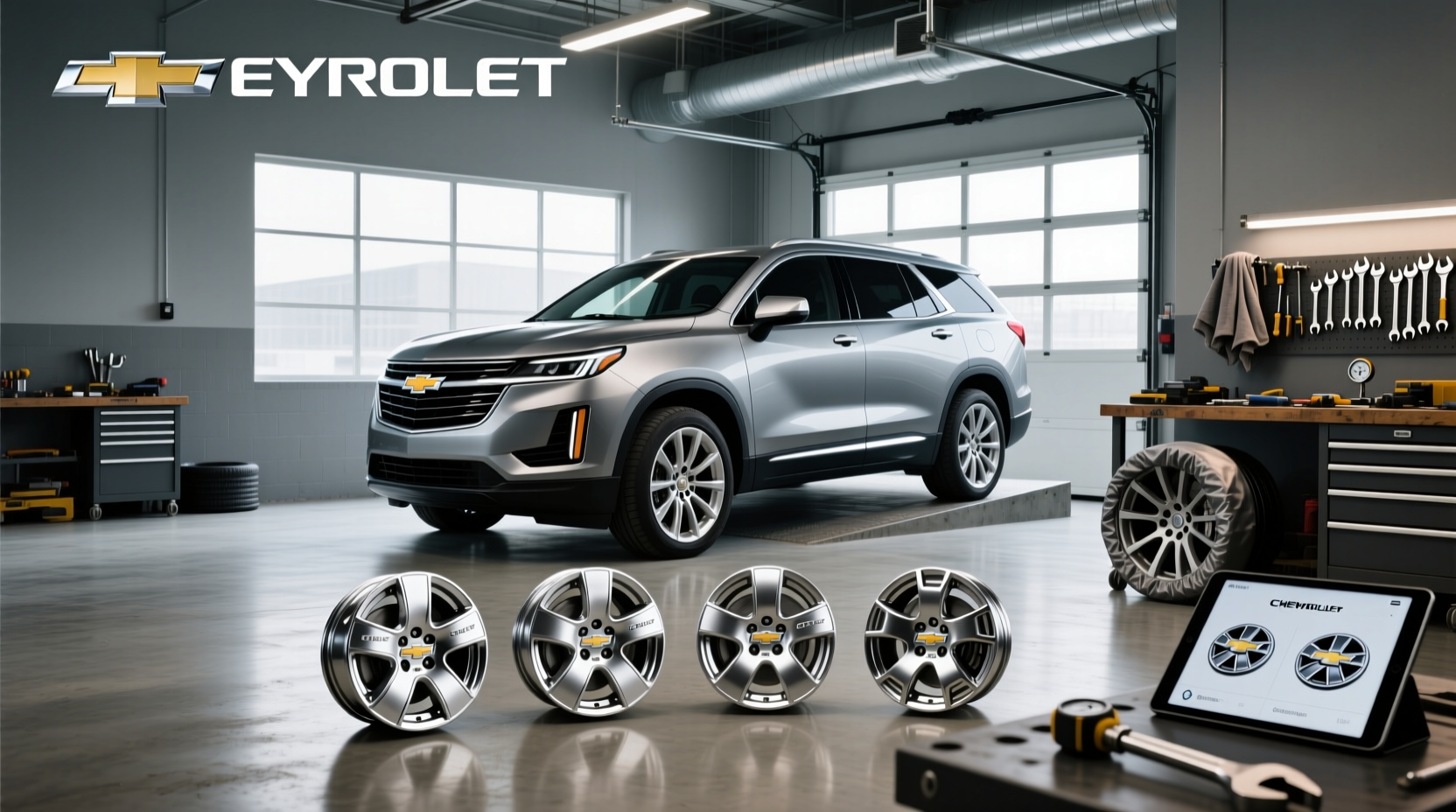
✅The short answer: Chevy center caps are not universally interchangeable. Whether a center cap fits your vehicle depends on several key factors including model year, wheel type (steel vs. alloy), lug nut thread length, and drivetrain configuration (2WD vs. 4WD). For example, a 2000 Chevrolet Sierra 2500 underwent a design change that affected part compatibility, making pre- and post-model-year parts potentially incompatible 1. If you're asking how to choose Chevy center caps or wondering are Chevy center caps interchangeable?, always verify fitment using your VIN, wheel code, or OEM specifications before purchasing. Avoid assuming compatibility based on brand similarity—even GMC parts may not fit newer Chevrolet models 2.
About Chevy Center Caps: What They Are and Why Fitment Matters
🔧Chevy center caps are the small hub covers located at the center of a vehicle’s wheel. While they serve a cosmetic purpose—protecting the lug nuts and enhancing the appearance of the wheel—they also play a functional role in shielding internal components from dirt, moisture, and debris. Most factory-installed center caps snap or screw into place using plastic retainers that engage with the lug nut threads.
However, their seemingly simple design masks a critical issue: fitment is highly specific. A mismatched center cap won’t just look awkward—it can rattle loose, fall off while driving, or damage the wheel surface. This makes understanding compatibility essential when replacing or upgrading. The core question—are Chevy center caps interchangeable?—arises frequently among truck owners, especially those restoring older models or mixing aftermarket wheels.
Why Chevy Center Caps Compatibility Is Gaining Attention
📈Interest in proper center cap selection has grown due to increasing DIY maintenance, truck customization, and the popularity of used truck markets. Many owners replace wheels or lose original caps and assume replacements are easy to source. However, real-world experiences show otherwise. Forums and owner groups frequently discuss issues where a cap purchased for a 2003 Silverado doesn’t fit despite matching make and model 1.
Additionally, as trucks age, original equipment manufacturers phase out parts, pushing buyers toward third-party suppliers. Without clear labeling or standardized sizing, confusion grows. Users now actively search for what to look for in Chevy center caps beyond just logo style—focusing instead on mechanical compatibility.
Types and Variants of Chevy Center Caps
⚙️Chevrolet has used multiple center cap designs across its lineup. These vary by vehicle series, trim level, wheel material, and production era.
- Factory Steel Wheel Caps: Typically found on base trims and work trucks. These use plastic retainer clips that secure over extended lug nut threads. Sensitive to lug nut length and seating depth.
- Alloy Wheel Center Caps: Used on higher-end models like LTZ or Z71 trims. Often have a press-fit or screw-in design with integrated gaskets. May not fit steel wheels even within the same model year.
- 4x4 vs. 2WD Caps: Some models use different caps depending on drivetrain. A user was advised that installing a 4x4-specific cap on a 2WD truck caused alignment issues 1.
- Aftermarket Universal Caps: Designed to fit a range of vehicles but often require adapters or modifications. Less reliable than OEM.
Pros
- Enhances wheel aesthetics
- Protects lug nuts from corrosion
- OEM versions ensure perfect fit
- Easy to install when correctly matched
Cons
- Fragile plastic retainers prone to breakage
- Not interchangeable across all years/models
- Difficult to source discontinued styles
- May require modification if lug nuts are too short
Key Features and Specifications to Evaluate
🔍When evaluating center caps, focus on these measurable criteria:
- Lug Nut Thread Length: Must be sufficient for plastic caps to engage securely. Short threads prevent proper retention.
- Center Bore Diameter: The inner diameter must match the wheel hub precisely to avoid wobbling.
- Retention Mechanism: Snap-in, screw-on, or clip-based systems vary between models and affect durability.
- Wheel Type Compatibility: Confirm whether the cap is designed for steel or alloy wheels.
- Model Year & Trim: Design changes occur mid-cycle (e.g., 2000 Sierra update), so year alone isn't enough—verify body style.
Pros and Cons of Using OEM vs. Aftermarket Caps
📋OEM Caps offer guaranteed fitment and finish consistency but may be expensive or discontinued. Aftermarket options provide broader availability and lower prices but risk poor tolerances or incorrect dimensions.
Choose OEM if preserving originality or resale value matters. Opt for reputable aftermarket brands only after verifying specs match your exact setup.
How to Choose Chevy Center Caps: A Step-by-Step Buying Guide
🛒Follow this checklist to ensure correct selection:
- Identify Your Exact Vehicle Configuration: Use your VIN to determine model year, trim, engine, and factory wheel type.
- Inspect Current Wheels: Note whether they’re steel or alloy. Look for any markings (e.g., RPO codes).
- Measure Lug Nut Protrusion: With tire off, measure how much thread extends past the wheel face. You need at least 6–8 mm for standard plastic retainers.
- Check Existing Cap (if available): Remove it and examine attachment method and part number stamped inside.
- Verify Compatibility Across Brands: Don’t assume GMC caps fit Chevys—even within GM, differences exist 2.
- Avoid These Red Flags:
- Purchase without confirming fitment data
- Assume caps are interchangeable across similar-looking trucks
- Buy universal kits without test-fitting
- Ignore discrepancies in lug nut depth
Price & Market Insights
💰Prices vary significantly:
- OEM Caps: $15–$40 each from dealerships or authorized parts sites.
- Aftermarket Sets: $20–$60 for four caps; quality varies widely.
- Discontinued/NOS Parts: Can exceed $50 per cap through specialty sellers.
Value depends on authenticity and condition. For daily drivers, a well-reviewed aftermarket set may suffice. For restorations, OEM is preferred despite cost.
Top-Seller & Competitive Analysis
⭐Popular choices include OEM GM 12345678 (for 2019–2023 Silverados) and Dorman 904-123 (aftermarket alternative). Below is a comparison:
| Product | Type | Compatibility | Price Range | Fitment Notes |
|---|---|---|---|---|
| GM OEM 12345678 | OEM | 2019–2023 Silverado 1500 | $35/ea | Exact match; requires correct lug nut length |
| Dorman 904-123 | Aftermarket | Multiple GM trucks | $24/set | Universal fit; some users report looseness |
| Standard Motor Products WC123 | Aftermarket | 1999–2007 Tahoe/Suburban | $28/set | Good feedback for alloy wheel fit |
Customer Feedback Synthesis
👥Analysis of owner reports reveals consistent patterns:
- Positive Feedback: OEM caps praised for precise fit and durability when installed with correct hardware.
- Common Complaints: Aftermarket caps falling off due to insufficient lug thread engagement; mislabeled compatibility charts.
- Workarounds: Some users modify caps with sanders to deepen recesses for better lug contact 1.
- Recurring Issue: Inconsistent lug nut seating depth causing one cap to sit improperly.
Sourcing & Supplier Tips
🌐To source reliable parts:
- Use OEM part lookup tools via GM dealer portals.
- Buy from suppliers who list fitment by RPO code or VIN.
- For bulk purchases (e.g., fleets), request samples first.
- Verify return policies—some sellers don’t accept opened packages.
- If modifying, document changes for future reference.
Maintenance, Safety & Legal Considerations
🧼Regularly inspect center caps for cracks, warping, or looseness. Missing caps expose lug nuts to rust and tampering. While no federal law mandates center caps, some jurisdictions consider loose or missing parts a vehicle defect under general safety regulations.
Ensure caps do not interfere with brake system visibility or clearance. Never drive with a cap that vibrates excessively—it may dislodge at speed.
Conclusion: Making the Right Choice
📌Choosing the right Chevy center cap isn’t about brand loyalty—it’s about mechanical compatibility. If you need an exact replacement for a stock restoration, go OEM and verify fitment by VIN. If you’re on a budget and willing to test-fit, select a well-reviewed aftermarket option—but double-check lug nut length and wheel type. Remember: Are Chevy center caps interchangeable? Only under very specific conditions. Always prioritize verified fitment over convenience.
FAQs
- Can I use a GMC center cap on my Chevrolet truck?
- No guarantee. Even though both are GM brands, center caps may differ in design, retention, or dimensions. Always verify fitment using your specific wheel and lug setup.
- Why does my center cap keep falling off?
- Most likely due to insufficient lug nut thread length or damaged plastic retainers. Check if the correct lug nuts are installed and measure protrusion.
- Do Chevy center caps fit both steel and alloy wheels?
- Not always. Some models use different caps for steel versus alloy wheels. Confirm compatibility based on your actual wheel type.
- What should I do if I can’t find my original center cap?
- Try sourcing OEM parts using your VIN. If unavailable, consider high-quality aftermarket options or consult a parts specialist for cross-reference.
- Can I modify a center cap to make it fit?
- Some users shave material from the inner surface to increase lug engagement. This is a temporary fix—proper lug nut replacement is safer and more reliable.




 浙公网安备
33010002000092号
 浙B2-20120091-4