Chevy Chevette Hatchback: When Did Production End?
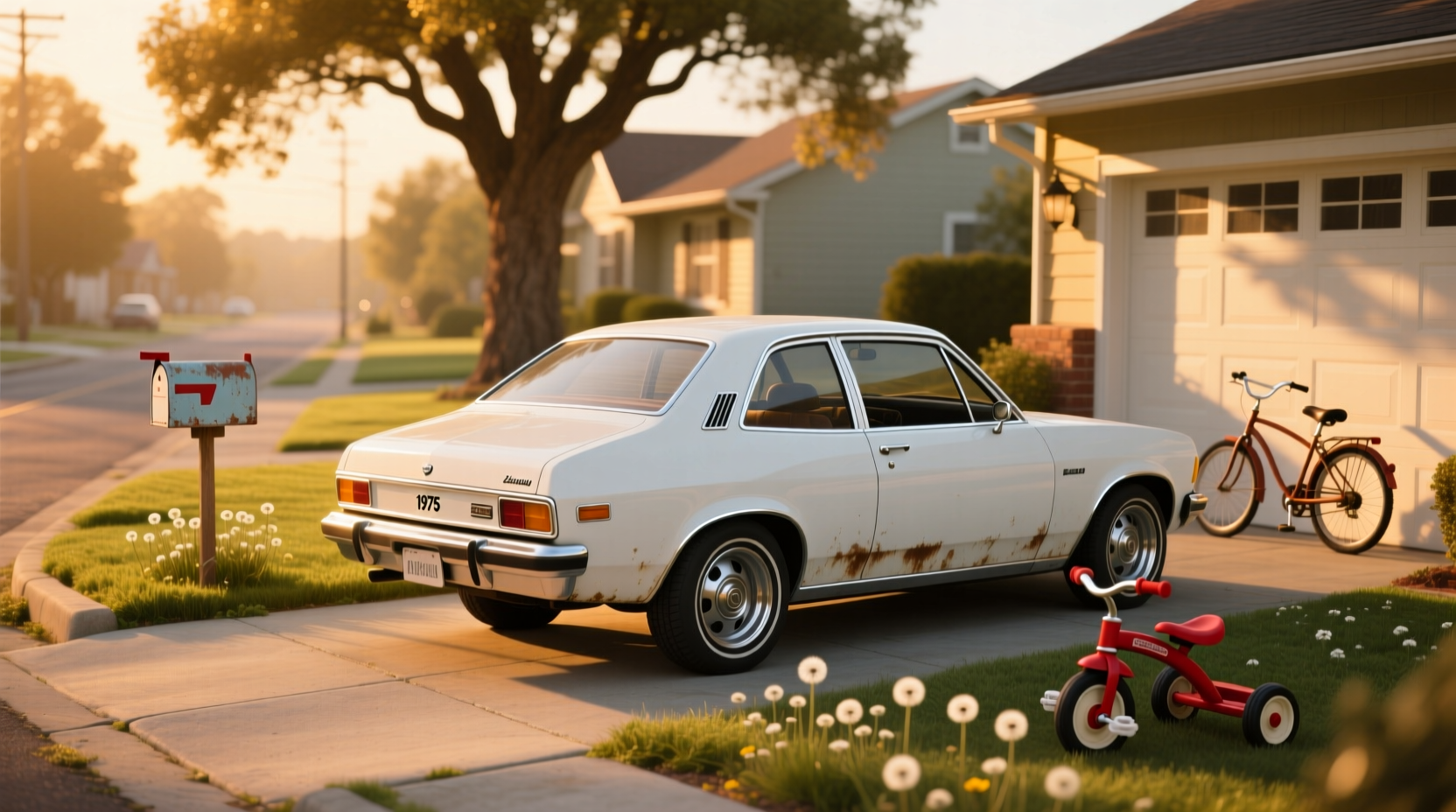
If you’re looking at a classic Chevy Chevette hatchback, here’s the short answer: Chevrolet stopped making the Chevette in the U.S. after the 1987 model year, with the last car built on December 23, 1986. If you’re a typical user, you don’t need to overthink this. The Chevette was discontinued due to declining sales and GM’s shift toward newer subcompacts like the Geo Metro. For buyers today, the real decision isn’t about production dates—it’s whether a 1976–1987 rear-drive compact fits your needs as a driver, collector, or restoration project. How to choose a classic Chevette comes down to condition, drivetrain integrity, and rust levels—not model year alone.
Over the past year, interest in ’70s and early ’80s American compacts has quietly risen among grassroots car enthusiasts. This isn’t nostalgia for its own sake. The Chevette represents a turning point: one of GM’s first responses to the 1973 oil crisis, built simply, affordably, and with surprising longevity. Recently, its mechanical simplicity and parts availability (shared with other GM T-platform cars) have made it more relevant than expected. But not every model year is equal—and not every buyer should treat it the same.
About the Chevy Chevette Hatchback
The Chevrolet Chevette was introduced in 1976 as a 1976½ model, replacing the troubled Vega. It was a rear-wheel-drive subcompact designed during an era of fuel crises and rising import competition. Built on GM’s global T-car platform, the Chevette was sold across North and South America. In the U.S., it was offered as a two-door hatchback, sedan, and wagon. The hatchback remained the most popular body style due to its practicality and youthful appeal.
It featured a modest 1.4L inline-four engine producing around 63 horsepower, paired with a four-speed manual transmission. Optional three-speed automatics were available but rare. Fuel economy was strong for its time—up to 30 mpg on the highway—making it a top seller in 1979 and 1980. Despite its basic construction and minimal sound insulation, the Chevette earned a reputation for durability when maintained properly.
Why the Chevette Is Gaining Popularity
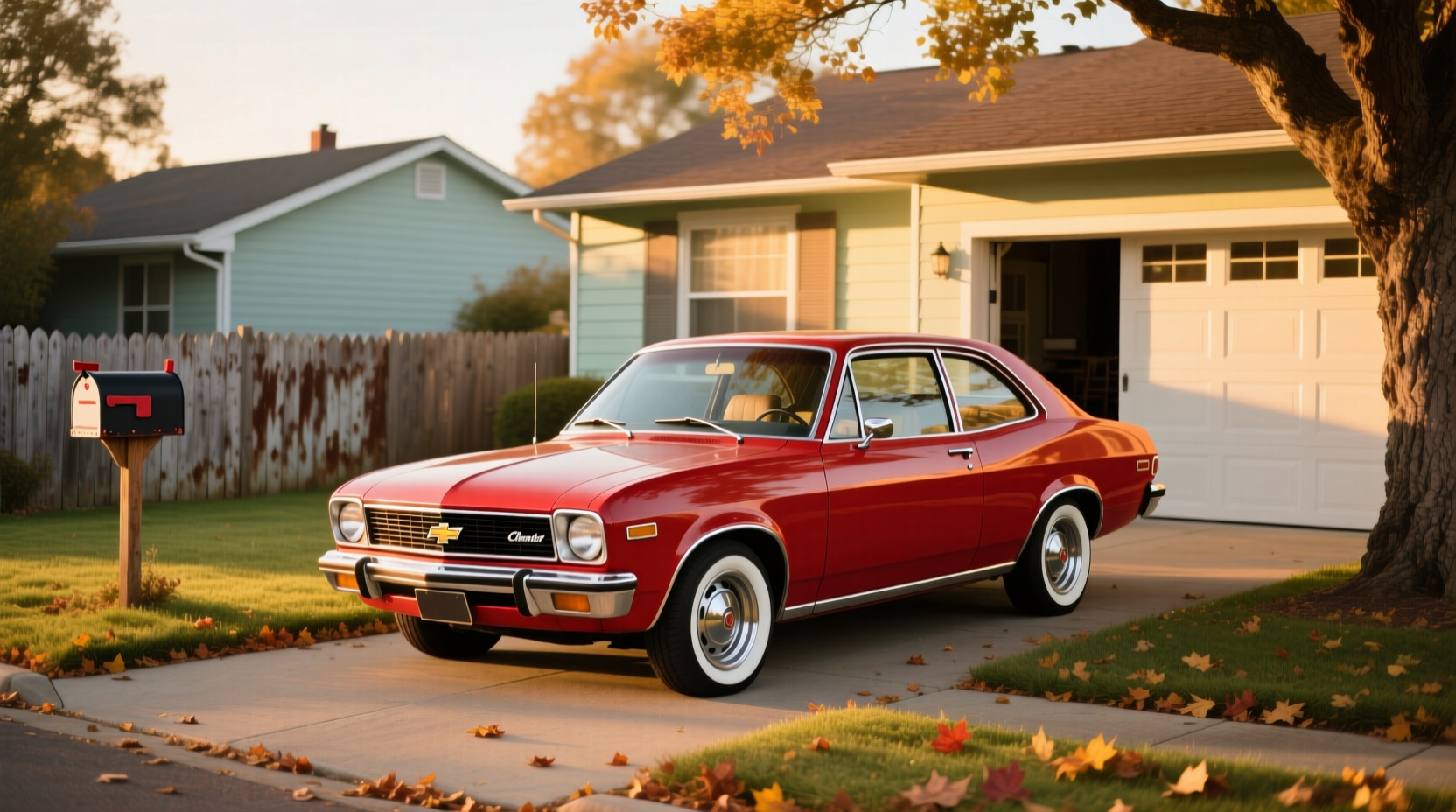
Lately, the Chevette has seen renewed attention—not because it’s powerful or luxurious, but because it’s accessible. Over the past year, DIY mechanics and entry-level collectors have turned to older, simpler vehicles that don’t require scan tools or complex diagnostics. The Chevette fits this trend perfectly. Its carbureted engine, manual systems, and widespread parts compatibility make it easier to work on than modern fuel-injected compacts.
This piece isn’t for keyword collectors. It’s for people who will actually use the product.
Additionally, rising prices for more iconic muscle and pony cars have pushed budget-focused buyers toward overlooked models. The Chevette may never be a six-figure classic, but it offers authenticity: a no-frills American car built during a transformative period. Enthusiast communities on platforms like Facebook groups 1 have highlighted restorations and daily drivers, proving that interest is active, not just archival.
Types and Variants
The Chevette was offered in several configurations across its 12-year run in North America. While all shared the same fundamental architecture, differences in trim and market-specific engineering affect value and usability today.
1. Base Hatchback (1976–1987)
The standard two-door hatchback was the most common variant. It featured roll-down windows, bench seating, and minimal instrumentation.
- Pros: Simple, lightweight, easy to repair, widely supported by aftermarket parts
- Cons: Basic interior, limited cargo space, prone to rust in floor pans and rocker panels
2. Sedan and Wagon (1977–1980)
Chevrolet briefly offered a four-door sedan and station wagon. These were less popular and harder to find today.
- Pros: More passenger and cargo room, slightly better resale among collectors
- Cons: Heavier, less agile, rarer parts
3. Pontiac T1000 / Firefly (Canada)
In Canada, Pontiac sold a rebadged Chevette as the T1000 and later Firefly. Mechanically identical but with different grilles and badging.
- Pros: Same reliability, sometimes better preservation due to lower production numbers
- Cons: Confusing for buyers unfamiliar with GM’s badge-engineering practices
4. South American Models (Brazil, Argentina – until 1995)
Production continued in Latin America well beyond the U.S. shutdown, with updated engines and styling.
- Pros: Later models have improved emissions and fuel delivery systems
- Cons: Import legality varies; documentation and compliance may be challenging
Key Features and Specifications to Evaluate
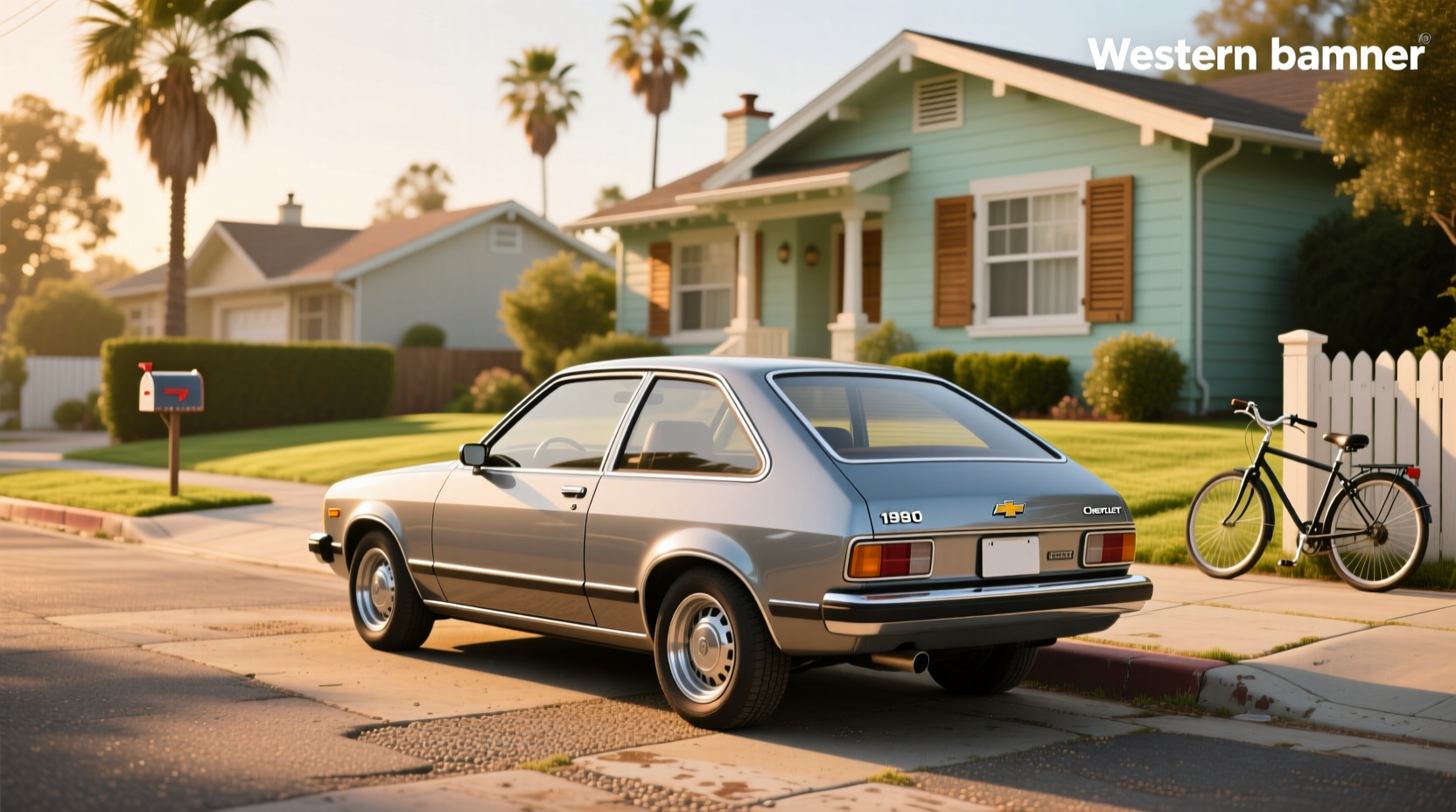
When assessing a used or project Chevette, focus on these five areas. Ignore flashy trim—what matters is mechanical honesty and structural integrity.
- Engine Condition: The 1.4L OHV I4 is durable but sensitive to poor maintenance. Look for oil leaks, smoke at startup, and hesitation under load.
- Transmission: Four-speed manuals are preferred. Check for grinding gears and smooth clutch engagement.
- Rust Levels: Floor pans, rocker panels, and trunk floors are rust hotspots. If replacement metal isn’t available locally, restoration costs rise quickly.
- Electrical System: Wiring harnesses degrade over time. Test lights, gauges, and ignition function thoroughly.
- Originality vs. Modifications: Some owners add larger engines or modern suspensions. These can improve driving but reduce authenticity and complicate repairs.
If you’re a typical user, you don’t need to overthink this. A clean, rust-free base model with a solid engine is more valuable than a modified show car with questionable craftsmanship.
Pros and Cons
Pros
- ✅ Low purchase price (many under $2,000)
- ✅ Easy to maintain with basic tools
- ✅ Good fuel economy for a pre-1985 vehicle
- ✅ Strong community support and parts sharing
- ✅ Rear-wheel drive layout appeals to driving purists
Cons
- ❌ Limited power and acceleration
- ❌ Minimal safety features (no airbags, weak crumple zones)
- ❌ Rust is pervasive in northern climates
- ❌ Resale value remains low despite rising interest
- ❌ HVAC and sound insulation are inadequate by modern standards
How to Choose a Classic Chevette
Buying a Chevette isn’t about finding the perfect example—it’s about avoiding the worst pitfalls. Follow this checklist to make a smart decision.
Step-by-Step Checklist
- Inspect for rust: Lift the carpet, check under the spare tire, and examine wheel wells.
- Start the engine cold: Listen for knocking, excessive smoke, or rough idle.
- Test drive: Verify smooth shifting, braking, and steering response.
- Review service history: Even partial records help confirm long-term care.
- Verify title status: Ensure it’s clean and matches the VIN.
Decision Flow
- If you want a weekend driver → prioritize mechanical condition over cosmetics
- If you’re restoring for shows → seek original trim and factory-correct colors
- If you’re on a tight budget → avoid projects with frame or floor rot
Recommendations by Scenario
- First-time classic owner: Look for a 1980–1983 hatchback with documented maintenance.
- Daily commuter (rural): Only consider if stored indoors and mechanically sorted.
- Collector: Target low-mileage examples or rare wagons/sedans.
Red Flags / What to Avoid
- 🚫 Cars stored outside for years (accelerated rust and interior decay)
- 🚫 Rebuilt engines without receipts (risk of hidden damage)
- 🚫 Modified suspensions or non-factory engines (parts scarcity increases)
- 🚫 Missing trim or broken glass (indicates neglect, harder to source replacements)
If you’re a typical user, you don’t need to overthink this. Focus on what you can verify—rust, engine health, and ownership history—not speculative future value.
Price & Market Insights
Chevette prices vary significantly by region, condition, and completeness. As of recent listings, average values range from $800 (non-running project) to $4,500 (fully restored). Most clean, drivable models sell between $1,500 and $2,500. Prices may vary by region/model/seller—always compare local listings before offering.
Unlike high-demand classics, the Chevette hasn’t seen dramatic appreciation. However, well-maintained examples are selling faster than in previous years, suggesting growing niche demand. No major auction spikes have occurred, but private sales through enthusiast networks are increasing.
Top-Seller & Competitive Analysis
The Chevette competed with the Ford Pinto, AMC Gremlin, and imported models like the Toyota Corolla and Datsun 210. While those also had loyal followings, the Chevette stood out for its RWD layout and GM’s extensive dealer network.
| Model | Drive Layout | Fuel Economy (est.) | Current Avg. Price | Parts Availability |
|---|---|---|---|---|
| Chevy Chevette | Rear-wheel drive | 28–30 mpg | $1,500–$4,500 | High (GM T-body) |
| Ford Pinto | Rear-wheel drive | 25–28 mpg | $2,000–$6,000 | Moderate |
| AMC Gremlin | Rear-wheel drive | 22–26 mpg | $3,000–$8,000 | Low |
| Toyota Corolla (E30) | Front-wheel drive | 30–32 mpg | $4,000–$10,000 | Very High |
While the Corolla now commands higher prices due to reliability reputation, the Chevette offers a uniquely American alternative with comparable simplicity. If you’re a typical user, you don’t need to overthink this. Your choice depends on preference for domestic vs. import heritage, not objective superiority.
Customer Feedback Synthesis
Based on forum discussions and social media posts 2, owners consistently praise the Chevette’s ease of repair and low operating cost. Common positive themes include:
- “I fixed the entire engine in my driveway with hand tools.”
- “Gets me where I need to go and gets 30 mpg.”
Common complaints focus on:
- “Floor rust appeared after only two winters.”
- “No heat in winter—even with working blower.”
- “People assume it’s unsafe (and they’re not entirely wrong).”
Satisfaction correlates strongly with realistic expectations. Buyers who treat it as a simple, economical runabout report higher enjoyment than those expecting comfort or performance.
Sourcing & Supplier Tips
Finding a Chevette today requires patience. Most are sold privately through online forums, Facebook groups, or regional car shows. National platforms may list them, but availability is sparse.
For parts, consider:
- Online GM T-body specialty suppliers
- E-commerce marketplaces (verify seller ratings)
- Junkyards with pre-1990 domestic inventory
- Reproduction trim and gaskets from restoration vendors
If you’re sourcing from outside North America, confirm import eligibility and emission compliance. This piece isn’t for keyword collectors. It’s for people who will actually use the product.
Maintenance, Safety & Legal Considerations
Maintenance is straightforward but must be consistent. Key tasks include carburetor tuning, brake fluid flushes, and rust prevention. Use basic shop manuals—no advanced diagnostics needed.
Safety is a real concern. The Chevette lacks airbags, ABS, or electronic stability control. It performed poorly in modern crash tests. If used regularly, install seat belts if missing, and ensure tires and brakes are in top condition.
Legally, check local requirements for registering historic vehicles. Some regions offer exemptions for cars over 25 years old. Confirm inspection rules and insurance options before purchase. Regulations may vary by region/model/seller—always verify with your DMV.
Conclusion
If you need a simple, repairable classic with American roots, the Chevette hatchback from 1976–1987 is a viable option. If you need daily reliability, modern safety, or long-distance comfort, look elsewhere. The end of U.S. production in 1987 wasn’t a sudden event—it reflected shifting priorities within GM. But for those who appreciate mechanical transparency over convenience, the Chevette remains relevant. If you’re a typical user, you don’t need to overthink this. Choose based on condition, not calendar year.
Everything You Need to Know
Chevrolet stopped manufacturing the Chevette in the United States after the 1987 model year. The final vehicle rolled off the assembly line on December 23, 1986, in Warren, Michigan 3. Production continued in Brazil and Argentina into the mid-1990s.
Yes, if well-maintained. The 1.4L engine is simple and durable, but rust and aging electrical systems are common issues. Regular upkeep and dry storage improve long-term reliability.
Most running models sell between $1,500 and $2,500. Fully restored examples may reach $4,500. Prices may vary by region/model/seller—check local listings and enthusiast forums for accurate comparisons.
The Chevrolet Chevette was rear-wheel drive, which was unusual for subcompacts by the 1980s. This layout appeals to driving enthusiasts who prefer balanced handling and mechanical simplicity.
In Canada, Pontiac sold a rebadged Chevette as the T1000 and later Firefly. It was mechanically identical but featured distinct front-end styling and branding.




 浙公网安备
33010002000092号
 浙B2-20120091-4