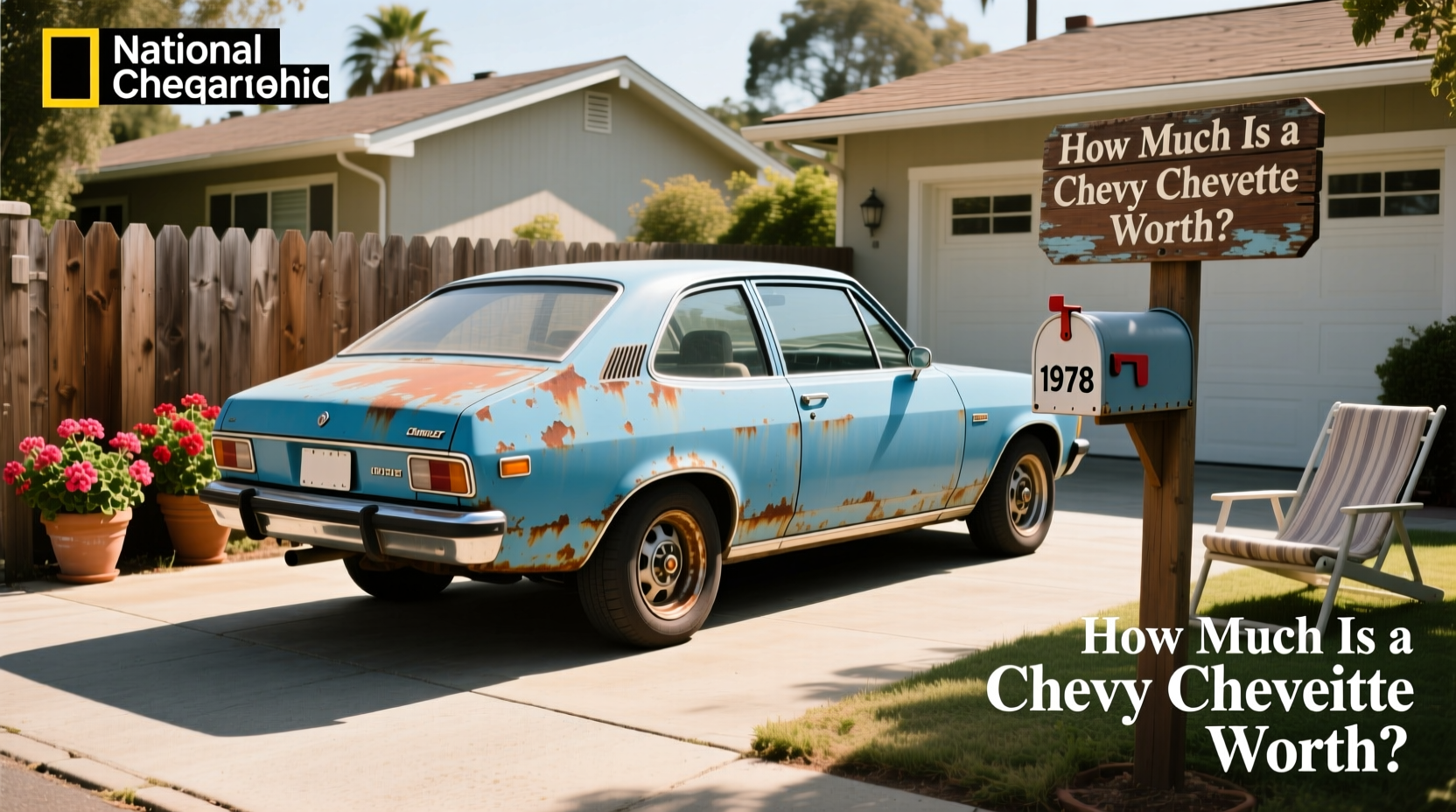
Short introduction
If you’re trying to figure out how much a Chevy Chevette is worth in 2025, here’s the quick answer: most running models in decent shape sell for under $5,000. But if you see one listed at $30,000+, don’t panic—it’s likely a near-new, ultra-low-mileage example that just sold at auction. Over the past year, rare, original Chevettes have gained attention due to a shift in collector interest toward overlooked economy cars. When evaluating what to look for in a Chevette purchase, prioritize condition and originality over model year. Don’t assume higher mileage automatically means lower value—some well-maintained drivers with 50k miles are more reliable than stored ‘mint’ cars with dry seals and seized components.
If you’re a typical user, you don’t need to overthink this. For daily driving or light restoration, focus on mechanical soundness, not showroom floor perfection. Avoid cars with rust repairs that skip frame inspection, and always verify odometer consistency. This piece isn’t for keyword collectors. It’s for people who will actually use the product.
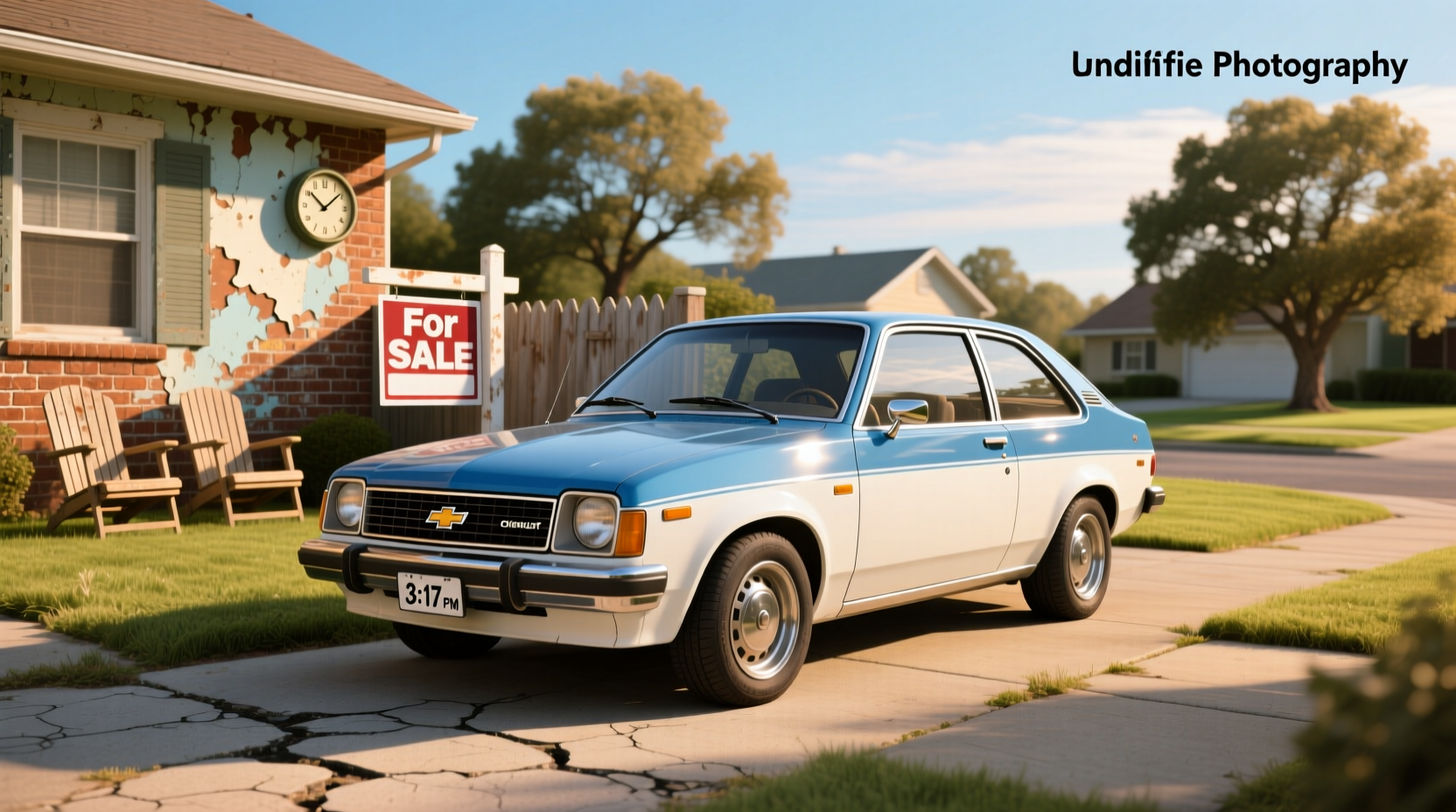
About the Chevy Chevette
The Chevrolet Chevette was GM’s subcompact entry from 1976 to 1987, designed as an economical response to rising fuel prices and foreign competition. Built on the global T-platform, it shared engineering with Opel, Vauxhall, and Isuzu variants. Available as a two- or three-door hatchback, the Chevette offered modest performance—a 1.4L or 1.8L four-cylinder engine producing between 52 and 68 horsepower—but delivered strong fuel efficiency and simple mechanics.
Sold primarily in North America, Brazil, and Canada, the Chevette was never intended to be a classic. It lacked power steering, standard radios, and many creature comforts. Yet its durability, ease of repair, and low cost made it a staple of urban fleets and first-time buyers. Production ended in 1987, but surviving examples remain active in niche communities focused on preservation and affordable vintage motoring.
Why the Chevette is gaining popularity
Lately, the Chevette has seen renewed interest—not because it’s powerful or luxurious, but because it represents a vanishing era of uncomplicated transportation. Recently, ultra-low-mileage examples have surfaced at auctions, drawing headlines when they sell for tens of thousands of dollars. A 1987 Chevette CS with only 47 miles sold for $33,000 at Mecum Kissimmee in January 2025 1. Another 1976 model with 5,581 miles went for $27,500 nine months ago 2.
This isn’t widespread inflation—it’s a signal. Collectors are now valuing originality and time-capsule status more than traditional metrics like performance or rarity. The Chevette, once dismissed as disposable, is being re-evaluated as a cultural artifact. However, these high-profile sales do not reflect the broader market. If you’re a typical user, you don’t need to overthink this. Most Chevettes aren’t six-figure assets—they’re usable, affordable classics with real-world limitations.
Types and variants
The Chevette evolved slightly over its 12-year run, with trim levels and regional differences affecting availability and appeal.
Chevette Base (1976–1987)
The standard model came with minimal features: manual windows, basic gauges, and a column-shifted four-speed. Some later versions added a five-speed manual option.
- ✅ Pros: Simple, easy to repair, lowest acquisition cost
- ❌ Cons: Sparse interior, no power accessories, prone to rust in floor pans
Chevette Scooter (1976–1980)
A sport-themed trim with decals, vinyl interiors, and optional rear spoilers. No mechanical upgrades.
- ✅ Pros: Slightly more visual appeal, sought after by nostalgia buyers
- ❌ Cons: Cosmetic changes only, often modified or poorly restored
Chevette Diesel (1981–1986)
Fitted with an Isuzu-built 1.8L diesel engine, offering better fuel economy but slower acceleration.
- ✅ Pros: Up to 45 mpg highway, durable engine block
- ❌ Cons: Hard starting in cold weather, limited parts support today
Chevette CS (1984–1987)
The final and most refined version, featuring upgraded interiors, improved suspension, and better sound insulation.
- ✅ Pros: Best ride quality, highest survival rate, preferred by collectors
- ❌ Cons: More complex systems mean higher repair costs if neglected
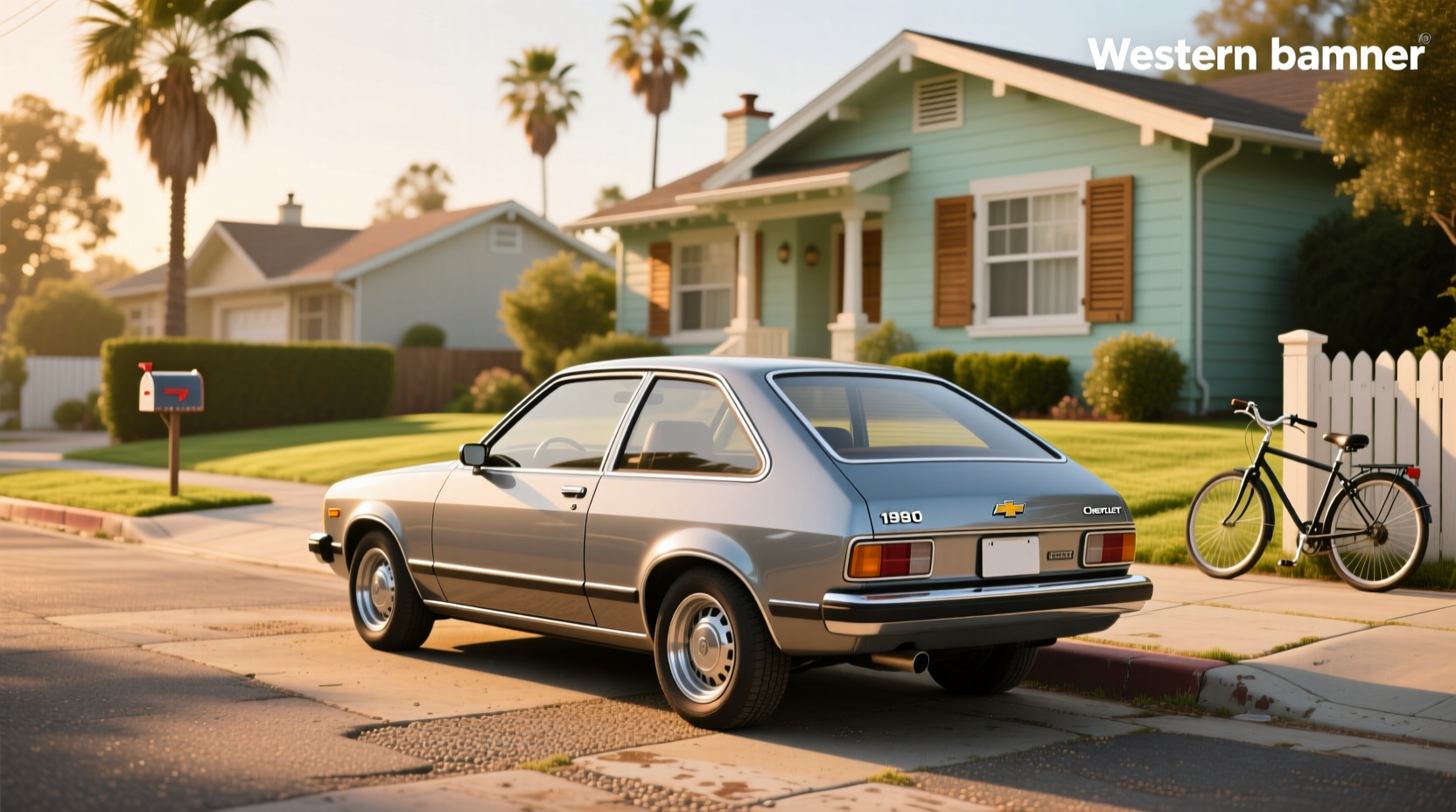
Key features and specifications to evaluate
When assessing a Chevette, don’t rely on brochures or nostalgia. Focus on measurable factors that affect usability and longevity.
- Engine Condition: Check for oil leaks, compression issues, and belt integrity. The 1.8L T-car engine is robust if maintained.
- Rust Level: Floor boards, rocker panels, and trunk floors commonly rot. Look for patchwork repairs—many are cosmetic, not structural.
- Originality: Unmodified interiors, correct badging, and factory paint increase collector value.
- Mileage Authenticity: Sub-100-mile claims require documentation. Many ‘low-mile’ cars were dealer demonstrators driven short distances then mothballed.
- Transmission Type: Five-speed manuals are rarer and preferred. Four-speeds are simpler but less efficient.
If you’re a typical user, you don’t need to overthink this. A car with 30,000 documented miles and fresh brakes may be more dependable than a ‘pristine’ 500-mile example with dry rubber and stuck valves.
Pros and cons
✅ Pros: Extremely simple mechanics, inexpensive parts, lightweight design good for city driving, growing community support.
❗ Cons: Poor crash safety by modern standards, limited spare tire space, weak heating system, susceptibility to frame rust.
How to buy a Chevy Chevette
Buying a Chevette in 2025 requires separating media hype from practical ownership. Follow this checklist to make a rational decision.
Step-by-step checklist
- Define your goal: Are you buying a driver, a project, or a collector piece?
- Set a budget: Most functional Chevettes sell for $1,000–$4,000. Anything above $10,000 should come with verified low mileage and full documentation.
- Inspect in person: Test start, listen for knocking, check for smoke, and inspect undercarriage.
- Verify title status: Ensure it’s clean and matches the VIN. Salvage titles are common due to age-related write-offs.
- Review service history: Even partial records help confirm maintenance patterns.
Decision flow
- If you want a daily driver → Prioritize mechanical health over cosmetics. Choose a mid-80s CS model with replaced hoses and belts.
- If you want a restoration project → Look for solid metal, complete interiors, and matching numbers. Avoid cut-out fenders or welded patches.
- If you want a collector asset → Demand original paint, window stickers, dealer invoices, and underhood markings. Only consider sub-5,000-mile examples with storage proof.
Recommendations by scenario
- Budget under $2,000: Target 1980–1985 base models on local marketplaces. Expect minor rust and worn interiors.
- Budget $3,000–$6,000: Aim for a CS trim with recent brake and suspension work.
- Budget over $10,000: Only justified for time-capsule condition. Verify through third-party appraisal.
Red flags / what to avoid
- Unrealistic low-mileage claims without supporting documents
- Cars advertised as “like new” but stored outdoors for years
- Aftermarket wheels or body kits on otherwise stock cars—often signals deeper mechanical neglect
- VIN mismatches between dashboard, door jamb, and engine block
- Priced significantly above J.D. Power or Classic.com comparables without justification
Price & market insights
Values vary widely based on condition, location, and seller type. There is no single MSRP replacement for a 40-year-old economy car. Instead, pricing reflects emotional demand and preservation effort.
- Scrap or non-running: $200–$800 (mostly for parts)
- Running but rough: $800–$2,000 (common on Facebook Marketplace)
- Restored or excellent condition: $5,000–$15,000 (depends on authenticity)
- Auction-grade, ultra-low-mile: $25,000+ (rare, media-covered sales)
Region affects price—dry climates like Arizona or Texas tend to yield better-preserved examples. Coastal areas see higher rust rates, lowering average values. Prices may vary by region/model/seller. Always cross-reference listings on Classic.com 3 and CarGurus 4 before bidding or buying.
Top-seller & competitive analysis
The Chevette has few direct competitors in the vintage economy car space. Below is a comparison with similar-era compact models often cross-shopped by buyers.
| Model | Avg. Market Price | Reliability | Parts Availability | Collector Appeal |
|---|---|---|---|---|
| Chevy Chevette (1976–1987) | $1,500–$33,000 | High (if maintained) | Moderate (aftermarket + NOS) | Rising (due to novelty) |
| Ford Pinto (1971–1980) | $2,000–$12,000 | Moderate | Moderate | Stable |
| AMC Gremlin (1970–1978) | $3,000–$15,000 | Moderate | Limited | Strong (cult following) |
| Datsun 210 (1978–1981) | $2,500–$8,000 | High | Good (shared with Nissan) | Low to moderate |
Note: The Chevette’s price range is widest due to outlier auction results. Its reliability edge comes from simpler systems compared to contemporaries with early electronic controls.
Customer feedback synthesis
Owners consistently report two experiences: deep satisfaction with simplicity or frustration from deferred maintenance.
Common praise:
- “Easy to work on—changed the timing belt in my driveway.”
- “Gets 35+ mpg on highway trips with no stress.”
- “Perfect first car for a teen—teaches responsibility without complexity.”
Common complaints:
- “Heater barely works in winter.”
- “Door handles break every few years—cheap plastic.”
- “No crumple zones—felt every bump and near-miss.”
If you’re a typical user, you don’t need to overthink this. Know going in that comfort and safety are compromised for affordability and mechanical transparency.
Sourcing & supplier tips
Most Chevettes are now sourced privately. Dealerships rarely carry them, and specialty importers don’t exist. Use these channels wisely:
- Facebook Groups: THE CHEVETTE COLLECTOR group has active members selling parts and whole cars 5.
- Auction Sites: Mecum and Barrett-Jackson list high-end examples; expect buyer’s premiums.
- Online Forums: Curbside Classic and GM Authority host discussions with ownership insights.
- Local Mechanics: Some still specialize in T-body GM cars—ask at small shops in older neighborhoods.
For parts, check RockAuto, eBay Motors, and salvage yards. NOS (New Old Stock) items occasionally appear on Etsy or dedicated collector sites. Always verify fitment using VIN or build sheet data.
Maintenance, safety & legal considerations
Mechanically, the Chevette is straightforward. Routine tasks include adjusting carburetor idle, replacing ignition points, and bleeding drum brakes. Common wear items: heater cores, door lock actuators, and exhaust manifolds.
Safety is a concern. The Chevette lacks airbags, ABS, or electronic stability control. Crash test ratings from its era were minimal. If used regularly, consider adding shoulder belts if not present, and drive defensively in mixed traffic.
Legally, registration varies by state. Some require emissions testing, which can be challenging with older carbureted engines. Others offer antique vehicle exemptions after 25–30 years. Confirm local regulations through your DMV website. Classic plates may reduce fees but restrict usage.
Conclusion
If you need a simple, mechanical car for occasional use or light restoration, choose a Chevette in solid condition with honest mileage. If you're chasing investment potential, only consider fully documented, ultra-low-mile examples—and understand that resale depends on niche demand. If you’re a typical user, you don’t need to overthink this. The Chevette wasn’t built to impress. It was built to move people affordably. Respect that purpose, and you’ll find value where others see rust.
Everything You Need to Know
How much is a running Chevy Chevette worth today? +
Most operational Chevettes sell between $1,000 and $4,000. Exceptional, low-mileage models may reach $20,000–$35,000 at auction, but those are outliers. Local market prices may vary by region/model/seller.
What makes a Chevette valuable? +
Originality, low mileage, and full documentation drive value. A car stored indoors since new with dealer paperwork will command a premium. Modifications usually reduce collector worth unless professionally executed as restomods.
Are parts still available for the Chevette? +
Yes, many mechanical parts are still manufactured or available as NOS. Suspension components, gaskets, and electrical items are accessible via online suppliers. Interior trim and badges are scarcer but found through salvage networks.
Is the Chevette reliable for daily driving? +
It can be, if properly maintained. However, lack of modern safety features and limited HVAC performance make it impractical as a primary vehicle for most users today.
Where can I check recent Chevette sale prices? +
Classic.com and Mecum Auctions publish transaction data. CarGurus and Facebook Marketplace show private-sale trends. Always compare multiple sources to gauge fair market value.




 浙公网安备
33010002000092号
 浙B2-20120091-4