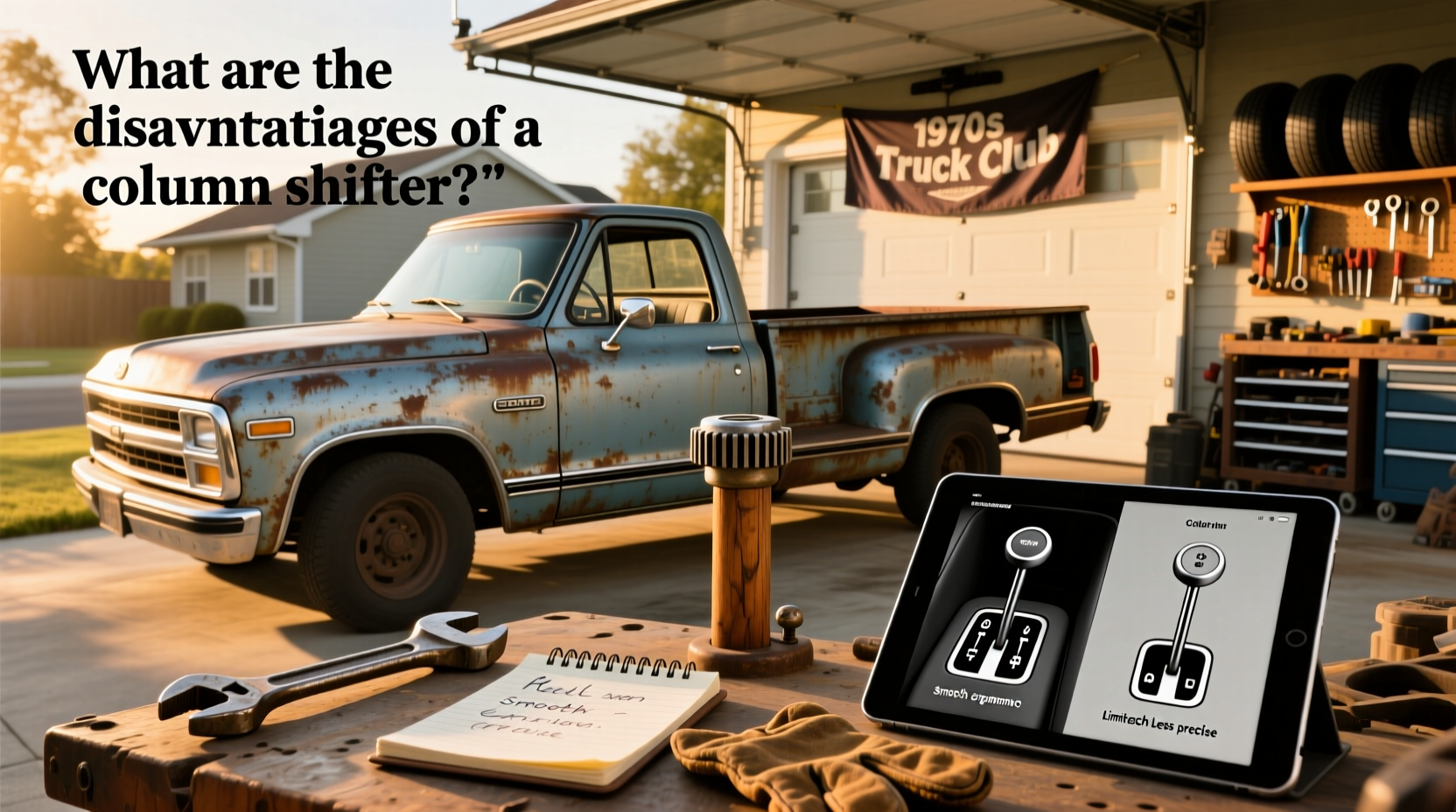
If you’re deciding between a floor console and column shifter in a full-size pickup, prioritize your cab layout needs over nostalgia or tech trends. If you need maximum front seat flexibility—especially for three-across seating or frequent walk-through access—choose a model with a column shifter. Recently, Ram has reintroduced electronic column shifters on select heavy-duty models, signaling renewed interest in functional simplicity over feature stacking. When evaluating what to look for in trucks with column shifters, focus on whether the center console sacrifices matter to your daily use: storage, charging, or integrated controls. If you’re a typical user, you don’t need to overthink this. The choice isn’t about which is better—it’s about which layout supports your actual workflow.
Over the past year, OEMs like Ram and Ford have maintained column shifter availability primarily on high-output diesel and commercial-grade trims, where durability and cab utility outweigh consumer-facing tech. This isn’t a retro revival; it’s a response to real-world demands from fleet operators and tradespeople who value unobstructed interiors. If you regularly carry passengers, haul gear through the cab, or operate in tight urban environments, the spatial advantage of a column-mounted shifter may outweigh its minor usability quirks. But if you prefer intuitive, fast gear selection and modern console integration (wireless charging, drive mode toggles, etc.), stick with floor-mounted systems. If you’re a typical user, you don’t need to overthink this.
About Column Shifters in Pickup Trucks
A column shifter places the gear selector on the steering column instead of the center console or dashboard. Historically common in American vehicles through the 1980s, they declined as automakers prioritized interior features and ergonomic standardization. In pickup trucks, however, the design never fully disappeared. Unlike passenger cars, pickups often serve utilitarian roles where cab space and ease of entry/exit are critical. The absence of a floor-mounted lever frees up significant room—enough to accommodate jump seats, large consoles, or unimpeded movement between front and rear cabins.
Modern implementations differ from older mechanical linkages. Today’s systems, such as those found in certain 2024–2025 Ram 3500 and 5500 models, use electronic actuators rather than physical cables. This allows integration of features like push-button parking brakes and automatic return-to-park functionality 1. Despite these upgrades, the core purpose remains unchanged: maximize usable interior volume without compromising drivetrain control.
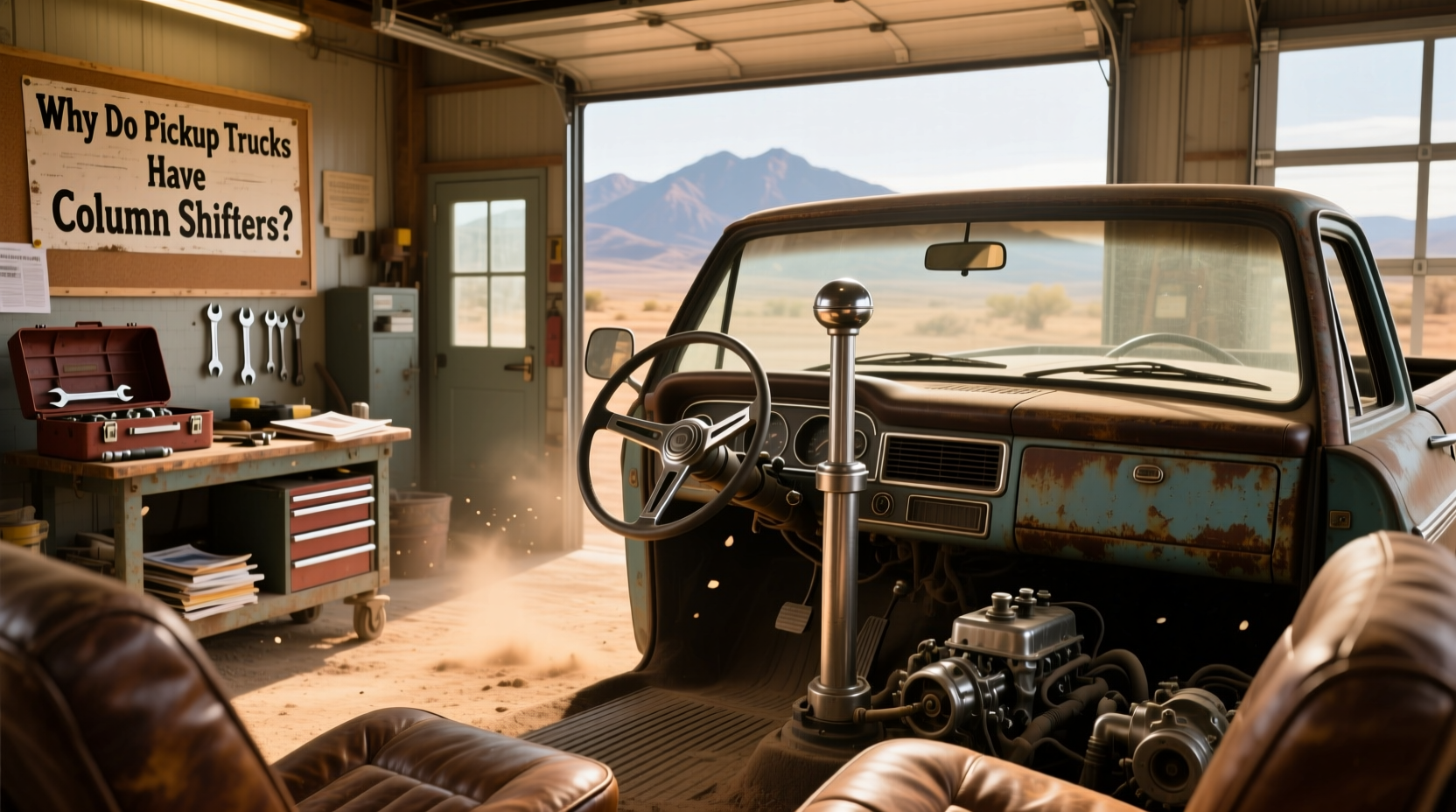
Why Column Shifters Are Gaining Popularity
Lately, there’s been a quiet resurgence in demand for column shifters—not due to sentimentality, but practical necessity. Over the past year, commercial fleets and vocational users have pushed back against increasingly cluttered center consoles that sacrifice utility for aesthetics. As pickup cabs grow larger and more car-like, the trade-off becomes starker: every inch dedicated to infotainment pods, cupholders, or rotary dials is an inch lost to tools, paperwork, or passenger movement.
The change signal isn’t marketing-driven. It’s operational. For example, some Ram Heavy Duty models now offer the column shifter exclusively with the Aisin AS69RC transmission paired to the 6.7L Cummins diesel—an application where reliability and serviceability take precedence over consumer gadgetry 1. These buyers aren’t choosing based on style; they’re responding to measurable improvements in cabin usability. This piece isn’t for keyword collectors. It’s for people who will actually use the product.
Additionally, electronic shift-by-wire systems have eliminated many historical drawbacks of mechanical linkages, such as imprecise throws or binding cables. With no direct connection to the transmission, modern column shifters can be lighter, smoother, and more reliable—especially in extreme conditions where ice or debris might affect under-floor mechanisms.
Types and Variants
Not all column shifters are created equal. Understanding the differences helps avoid mismatched expectations.
Mechanical Column Shifter (Legacy)
Found mostly in pre-2010 trucks, these use a physical rod or cable connecting the shifter to the transmission. They require precise alignment and regular lubrication.
- ✅ Pros: Simple, repairable in remote locations, failsafe operation
- ❌ Cons: Prone to wear, harder to adjust, slower engagement
When it’s worth caring about: If maintaining older equipment with minimal electronics.
When you don’t need to overthink it: If buying new or late-model used—modern versions dominate current production.
Electronic Column Shifter (Modern)
Used in select 2024–2025 Ram HD trucks and certain stripped-down work trims. Operates via electronic signal, often with integrated park button.
- ✅ Pros: Smaller mechanism, less maintenance, compatible with automated parking features
- ❌ Cons: Requires stable electrical system, limited feedback compared to mechanical throw
When it’s worth caring about: In cold climates where mechanical linkages could freeze.
When you don’t need to overthink it: If relying on dealer diagnostics anyway—most modern repairs involve software regardless of shifter type.
Key Features and Specifications to Evaluate
When comparing models, assess not just the presence of a column shifter, but how it integrates into the overall cab design.
- Gear Indicator Clarity: Is the position clearly visible on the instrument cluster? Older designs sometimes lack backlighting or distinct markings.
- Shifter Reach & Angle: Can shorter drivers comfortably reach without twisting? Some units extend too far toward the windshield.
- Integration with Safety Systems: Does the vehicle prevent accidental shifts out of Park when moving?
- Parking Brake Operation: In newer Rams, the parking brake is activated via a button on the shifter stalk—convenient but unfamiliar to some.
- Console Real Estate: Measure available storage depth and width. Even small differences impact tool or laptop fit.
If you’re a typical user, you don’t need to overthink this. Prioritize visibility and accessibility over novelty.
Pros and Cons
Every design involves compromise. Below is a balanced assessment grounded in real-world usage patterns.
Advantages
- 📍 Maximizes Cab Space: Eliminates floor hump and console bulk—critical for crews needing three-person front seating.
- 🔧 Simpler Maintenance Path: Fewer moving parts exposed to dirt, sand, or moisture compared to floor shifters near pedals.
- 👥 Better Walk-Through Access: Unobstructed path from driver’s side to passenger side—useful in emergency vehicles or mobile offices.
- 🏭 Durability in Harsh Conditions: Electronic versions avoid issues caused by spilled fluids, snow buildup, or pedal interference.
Disadvantages
- ❗ Confusion with Wiper Controls: New users may mistake the shifter for the wiper stalk, especially during rain or stress 2.
- ⚠️ Accidental Engagement Risk: Sleeves, gloves, or passengers’ arms can nudge the lever unintentionally.
- ⏱️ Slower Gear Selection: Requires taking hand off wheel; less immediate than push-button or console paddles.
- ⚙️ Limited Feature Integration: Cannot coexist with large touchscreens, drive mode selectors, or wireless charging pads.
This piece isn’t for keyword collectors. It’s for people who will actually use the product.
How to Choose a Pickup with a Column Shifter
Follow this step-by-step checklist to make a confident decision aligned with your actual needs.
Step-by-Step Checklist
- Define primary use case: Work truck, family hauler, or mixed duty?
- Test drive both configurations—if possible—with gloves on and passengers present.
- Evaluate console alternatives: Does the empty space translate to usable storage?
- Check for integrated parking brake: Reduces clutter but changes muscle memory.
- Verify local dealer support: Older or rare setups may have longer part wait times.
Decision Flow
If your priority is…
- …passenger capacity or cab movement → lean toward column shifter.
- …daily comfort, tech integration, or resale flexibility → prefer console shifter.
- …extreme environment durability → consider electronic column shifter for reduced mechanical exposure.
Recommendations by Scenario
- Fleet Manager: Opt for Ram 3500/5500 with electronic column shifter—proven in municipal and towing applications.
- DIY Owner: Stick with floor shifter unless three-across seating is essential.
- Cold Climate Operator: Choose electronic column shifter to avoid frozen linkages.
Red Flags / What to Avoid
- 🚫 Models advertising “column shifter” without specifying electronic vs. mechanical—this affects service intervals.
- 🚫 Used trucks with aftermarket shift cables—alignment issues are common and hard to diagnose.
- 🚫 Lack of clear gear indicator—increases risk of mis-shifts, especially at night.
- 🚫 Non-standard ergonomics: Some shifters require excessive force or awkward wrist angles.
If you’re a typical user, you don’t need to overthink this. Focus on consistency across your existing fleet or personal habits.
Price & Market Insights
Pricing varies significantly by brand, trim level, and region. Column shifters are typically offered on base or commercial trims, which may reduce overall MSRP due to omitted luxury features. However, on high-end models like the Ram 5500 Chassis Cab, the option may be bundled with heavy-duty packages, increasing total cost. Always check manufacturer specs before assuming availability. Resale value impact appears neutral—neither strongly positive nor negative—based on recent auction data. Availability may vary by region/model/seller; verify with local dealers.
Top-Seller & Competitive Analysis
The following table compares leading models offering column shifters as of 2025.
| Model | Shifter Type | Transmission | Key Benefit | Notable Limitation |
|---|---|---|---|---|
| Ram 3500 HD | Electronic Column | Aisin AS69RC 6-speed | Robust in cold weather | Limited trim compatibility |
| Ram 5500 Chassis Cab | Electronic Column | 68RFE 6-speed | Ideal for upfits | No push-button start integration |
| Ford F-450 Super Duty | Floor Console (Standard), Column Optional | 10R140 10-speed | Choice of layouts | Column version lacks auto-park |
| GM Low-Cab Forward | Column (Standard) | Automated Manual | Optimized for urban delivery | Niche availability |
Note: Ford retains optional column shifters on certain vocational Super Duty configurations 3, though most consumer trims have phased them out. GM continues using them in specialized commercial vehicles.
Customer Feedback Synthesis
Analysis of owner forums and professional operator reviews reveals consistent themes.
High-Frequency Praise
- “The open floor makes it easy to pass tools back and forth.”
- “I’ve had zero issues with the electronic shifter—even after two winters in Minnesota.”
- “Perfect for our utility crew—we always have someone riding up front.”
Common Complaints
- “Took me weeks to stop grabbing the wipers when I wanted to downshift.”
- “Passengers keep bumping it when reaching for the glove box.”
- “Feels outdated next to the touchscreen, but I’d still keep it for the space.”
If you’re a typical user, you don’t need to overthink this. Most complaints stem from initial adaptation, not long-term dissatisfaction.
Sourcing & Supplier Tips
When purchasing, consider the following:
- Work directly with commercial sales reps—they’re more familiar with vocational specs than retail staff.
- Ask for a demo unit or rental period to test cab flow before committing.
- Confirm warranty coverage for electronic components, especially shift-by-wire modules.
- For fleets, request bulk configuration sheets to ensure consistency across orders.
Availability may vary by region/model/seller. Check manufacturer specs and verify retailer return policy before finalizing.
Maintenance, Safety & Legal Considerations
Mechanical column shifters require periodic inspection of linkage bushings and pivot points. Electronic versions depend on sensor calibration and firmware stability. Both types must meet FMVSS No. 102 (Transmission Control Systems) requirements, but enforcement is handled at the OEM level. Owners should:
- Perform regular function checks: Ensure ‘Park’ locks the transmission reliably.
- Inspect for unintended movement: Any play in the stalk warrants servicing.
- Train secondary drivers: Especially important in shared or fleet use.
To confirm compliance or report concerns, contact the manufacturer or refer to NHTSA recall databases. Modifications to shifter mechanics may affect insurance validity—verify with provider before altering stock setup.
Conclusion
If you need maximum cab utility and frequently move between front seats, choose a pickup with a column shifter—especially modern electronic versions that retain reliability without sacrificing basic features. If you prioritize seamless tech integration, intuitive controls, and resale familiarity, opt for a floor-mounted system. If you’re a typical user, you don’t need to overthink this. Your best choice aligns with how you actually use the truck, not how it looks in a brochure.
Everything You Need to Know
Select Ram Heavy Duty models (3500, 5500 chassis cabs) offer electronic column shifters. Ford provides them optionally on certain Super Duty configurations, particularly for fleet orders. GM uses them in low-cab forward commercial vehicles. Availability may vary by region/model/seller—check manufacturer specs for current offerings.
They require adaptation, especially for drivers accustomed to console shifters. The main challenge is avoiding accidental activation of wipers or turn signals. Once muscle memory develops, operation becomes natural. If you’re a typical user, you don’t need to overthink this—most find the trade-off worthwhile for the space gained.
Not practically. Retrofitting requires changing the entire transmission control system, wiring harness, and likely the ECU. Aftermarket kits are extremely rare and not recommended due to safety and reliability risks. It’s more feasible to source a factory-equipped model.
No strong evidence suggests they significantly increase or decrease resale value. Their impact depends on buyer segment: vocational users may prefer them, while general consumers often favor modern console designs. Overall effect appears neutral. Verify with local market comparables before selling.
They send digital signals to the transmission control module rather than using mechanical linkages. Movement of the stalk triggers sensors that communicate gear selection electronically. Many include a button to engage Park, reducing physical complexity. These systems are sealed against moisture and debris, improving longevity in harsh environments.




 浙公网安备
33010002000092号
 浙B2-20120091-4