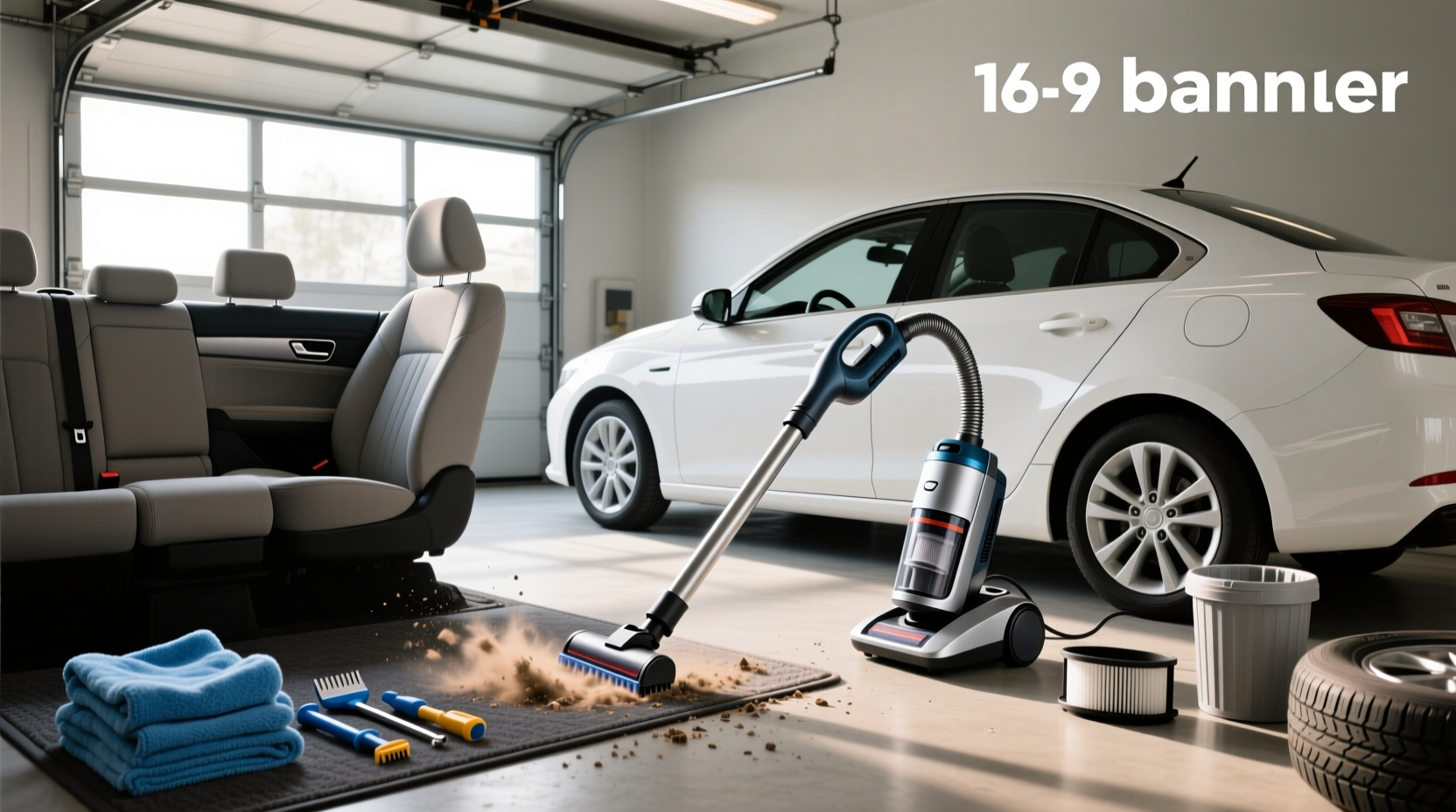
If you’re cleaning your car more than twice a month, a cordless handheld vacuum with at least 10,000 Pa suction and a flexible hose is worth considering. Over the past year, compact vacuums have improved significantly in battery efficiency and debris capacity—making them viable even for pet owners or daily commuters. If you’re a typical user, you don’t need to overthink this. What to look for in a compact car vacuum isn’t raw power alone, but how well it handles tight spaces like seat crevices and floor mats. Avoid models with rigid nozzles; they limit reach. Also skip ultra-cheap units under $40—they often stall under fine dust or hair buildup.
This piece isn’t for keyword collectors. It’s for people who will actually use the product.
About Compact Car Vacuums
A compact car vacuum is a portable, usually cordless device designed to remove dust, crumbs, pet hair, and debris from vehicle interiors. Unlike full-size home vacuums, these are optimized for small bins, high portability, and compatibility with 12V outlets or USB-C charging. Most weigh between 1.5 and 3 pounds, fitting easily in glove compartments or under seats.
They typically operate on lithium-ion batteries (14.4V to 22V), offer 15–30 minutes of runtime, and include attachments like crevice tools or motorized brushes. While some double as home spot cleaners, their primary function remains interior auto maintenance.
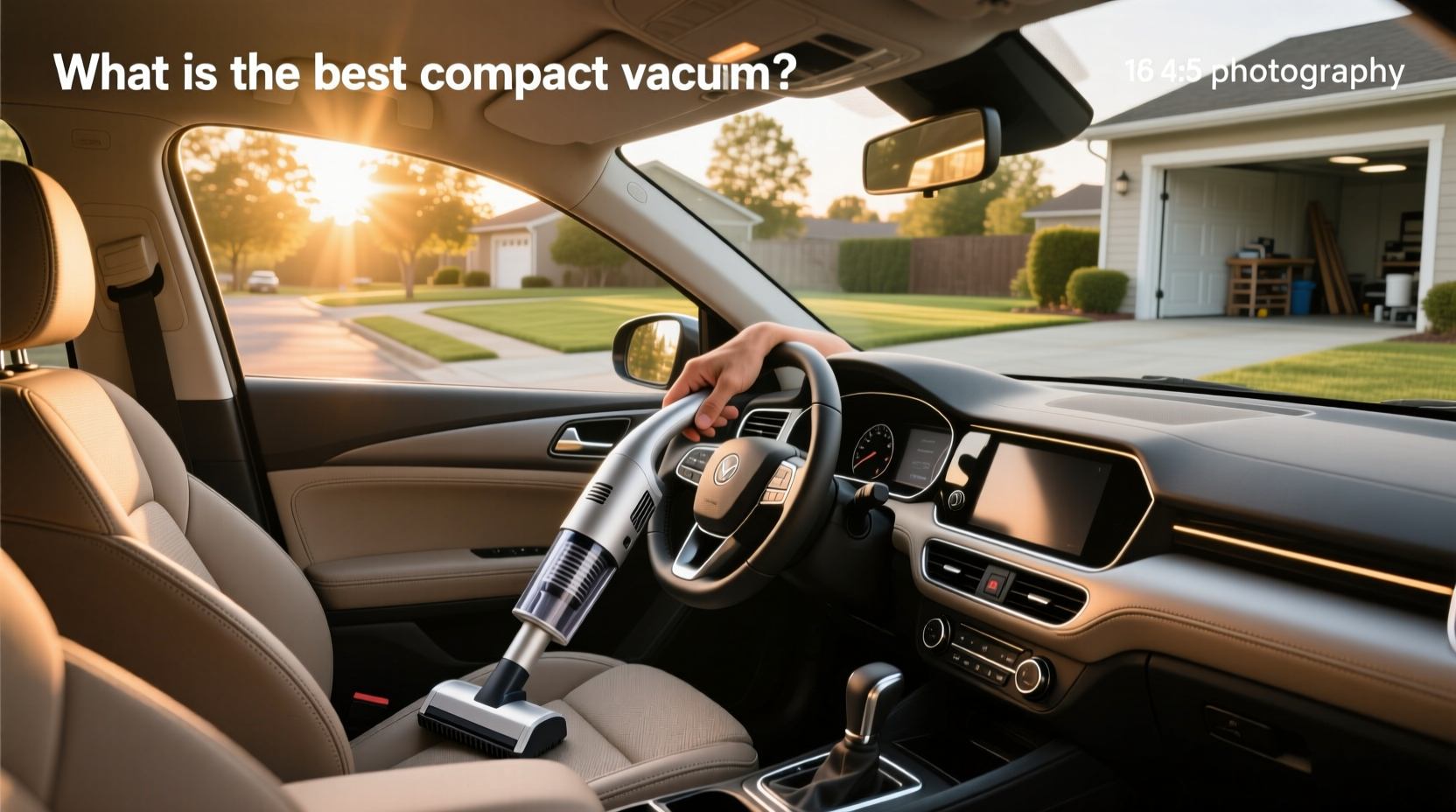
Why Compact Car Vacuums Are Gaining Popularity
Lately, more drivers are opting for personal car vacuums instead of relying on gas station blowers or professional detailing. Reasons include increased time spent in vehicles (ride-sharing, remote work commutes), higher ownership of SUVs and trucks with large cabins, and rising expectations for interior cleanliness.
Recent advancements in brushless motors and cyclonic filtration have made smaller units more effective. A model that struggled with wet sand two years ago can now handle damp gravel without clogging. If you’re a typical user, you don’t need to overthink this—today’s mid-tier models outperform last decade’s premium ones.
The shift toward electric vehicles also plays a role. Without engine noise masking operation, quieter, efficient handhelds are preferred. Additionally, many new cars lack built-in vacuum ports, pushing buyers toward self-contained solutions.
Types and Variants
Cordless Handheld (Battery-Powered)
Pros: Portable, easy storage, no cords, USB rechargeable
Cons: Limited runtime, slower recharge, suction drops as battery depletes
Best for quick cleanups and users without garage access. Battery life may vary by region/model/seller depending on temperature tolerance and charge cycles.
12V Plug-In (Cigarette Lighter Powered)
Pros: Continuous power, consistent suction, lower cost
Cons: Tethered design, shorter cord reach, drains car battery if engine off too long
Ideal for deep cleans during weekend prep or fleet maintenance. Not suitable for parked vehicles unless the engine runs periodically.
Wet/Dry Mini Shop Vac Style
Pros: High suction, large bin, handles liquids
Cons: Bulky, heavy, less car-specific ergonomics
Suitable for contractors or off-road vehicles exposed to mud or water. These prioritize utility over fitment in tight cabins.
Key Features and Specifications to Evaluate
- Suction Power (Pa or AW): 8,000–12,000 Pa works for dry debris; 14,000+ Pa recommended for embedded pet hair. When it’s worth caring about: if you transport kids or pets weekly. When you don’t need to overthink it: for occasional crumb cleanup.
- Battery Life: 15 min minimum for full cabin pass. Look for replaceable cells. When it’s worth caring about: if garages aren’t available for recharging. When you don’t need to overthink it: if you clean monthly and store the unit at home.
- Hose Flexibility: Rigid tubes miss >30% of hidden dirt. Flexible hoses improve access behind seats. When it’s worth caring about: for older vehicles with narrow gaps. When you don’t need to overthink it: for open-concept EVs with flat floors.
- Filtration: HEPA-like filters help with allergens but require regular cleaning. When it’s worth caring about: for asthma sufferers or allergy-prone passengers. When you don’t need to overthink it: for exterior-only use or non-sensitive users.
- Noise Level: Below 75 dB(A) preferred near children or pets. When it’s worth caring about: for parents doing quick wipes before school drop-off. When you don’t need to overthink it: for outdoor use only.
If you’re a typical user, you don’t need to overthink this. Prioritize usability over spec sheets.
Pros and Cons
• Immediate response to spills or tracked-in dirt
• Prevents long-term upholstery damage
• Reduces allergen accumulation
• Saves money vs. frequent professional cleaning
• Small dustbins require frequent emptying
• Lower sustained suction than plug-in shop vacs
• Motor strain when handling wet materials
• Replacement parts not always available globally
How to Choose the Right Compact Car Vacuum
Follow this step-by-step checklist based on your actual usage pattern—not marketing claims.
Step-by-Step Checklist
- Determine your primary use case: quick tidy-up, pet hair removal, or wet mess recovery?
- Measure your car’s tightest cleaning zone (e.g., center console gap). Choose a nozzle narrower than that.
- Check where you’ll store it—glove box, trunk, or home shelf? Size matters.
- Evaluate charging options: Do you have reliable indoor power access?
- Review return policy before purchase—some brands restrict opened electronics.
Decision Flow
- If cleaning once per week: go cordless with ≥20 min runtime.
- If cleaning monthly: consider budget 12V plug-in models.
- If dealing with pet shedding: prioritize motorized brush + HEPA filter.
- If handling wet debris: select wet/dry capable model with sealed motor.
- If storing in cold climates: verify low-temp battery performance.
Recommendations by Scenario
- Urban commuter: Lightweight cordless (under 2 lbs), USB-C charging, slim profile.
- Family SUV owner: 14,000+ Pa suction, crevice tool, washable filter, child-safe lockout.
- Ride-share driver: Fast-charging (<2 hrs), quiet operation, durable build.
- Off-roader/camper: Wet/dry capability, large bin, rugged casing.
Red Flags / What to Avoid
- Avoid models advertising “15,000 Pa” without independent verification—some inflate numbers using peak burst mode.
- Don’t buy vacuums with non-removable batteries—eventual failure kills the whole unit.
- Steer clear of single-speed motors if cleaning mixed debris types.
- Never use a non-wet/dry-rated vacuum on liquids—it voids safety certifications.
- If reviews mention frequent clogging with pet hair, skip it regardless of price.
This piece isn’t for keyword collectors. It’s for people who will actually use the product.
Price & Market Insights
Pricing ranges from $30 for basic 12V models to $300+ for dual-function air blower/vacs with branded motors. Mid-range ($70–$150) units now offer the best value, balancing durability and performance. Prices may vary by region/model/seller due to import duties, local warranty terms, or bundled accessories.
Branded tools (e.g., Ryobi, Worx) often cost more but benefit from shared battery ecosystems. Generic models undercut them but may lack service networks. Always check manufacturer specs before assuming cross-compatibility.
Top-Seller & Competitive Analysis
Based on recent testing summaries and user synthesis across platforms, here's a comparison of frequently cited models.
| Model | Type | Suction (Pa) | Battery Life | Key Feature | Common Feedback |
|---|---|---|---|---|---|
| Fanttik Slim V8 Mate | Cordless | 12,000 | 25 min | Flexible hose | Strong suction, fragile clip |
| Worx 20V Cube Vac | Cordless | 10,500 | 20 min | Compact cube shape | Easy storage, average runtime |
| Ryobi 18V Hand Vacuum | Cordless | 11,000 | 30 min | 22 oz bin | Durable, bulky for small cars |
| Black+Decker CHV1410L | Cordless | 9,000 | 18 min | Swivel steering nozzle | Reliable, weak on carpets |
| HOTO AutoCare Air Duster & Vacuum | Cordless | 8,500 | 15 min | Blow + suck mode | Versatile, noisy in blow mode |
Data reflects aggregated trends; exact performance may vary by batch and usage environment. If you’re a typical user, you don’t need to overthink this—stick to models with third-party validation or widespread positive consensus.
Customer Feedback Synthesis
Analysis of verified buyer comments reveals recurring themes:
- “Finally got all the sand out from under the driver’s seat.”
- “Charges from my power bank—perfect for road trips.”
- “Light enough to keep in the door pocket.”
- “The bendable hose reaches spots I never cleaned before.”
- “Filter clogged after one use with wet leaves.”
- “Battery died within 3 months despite light use.”
- “Too loud for early morning cleaning.”
- “Nozzle doesn’t fit between heated seats.”
Most praise focuses on accessibility and immediate results. Complaints cluster around durability, poor documentation, and mismatched expectations about suction claims.
Sourcing & Supplier Tips
When sourcing outside major retailers, consider:
- Buying from suppliers offering direct warranty support or regional service centers.
- Confirming included voltage adapters match your country’s standard.
- Verifying whether spare filters or brushes are sold separately.
- Checking seller ratings on multi-brand platforms—especially for lesser-known names.
- Opting for vendors with clear return windows (≥30 days).
If you’re a typical user, you don’t need to overthink this. Start with known-performance models unless experimenting with niche needs.
Maintenance, Safety & Legal Considerations
Maintain peak performance by emptying the bin after each use, rinsing washable filters monthly, and inspecting seals for cracks. Store in temperatures between 32°F and 95°F (0°C–35°C) to preserve battery health.
Safety-wise, never immerse the motor housing in water—even if labeled “wet/dry.” Disconnect power before opening the dust chamber. Use eye protection when clearing dense debris.
To verify compliance with local electrical standards, check for recognized certification marks (e.g., CE, UKCA, PSE) and confirm through official manufacturer channels. Regulations may vary by region/model/seller.
Conclusion
If you need a fast, reliable way to maintain cabin cleanliness between detailings, choose a cordless model with flexible hose and 10,000+ Pa suction. If your priority is affordability and you clean infrequently, a 12V plug-in unit suffices. If you’re a typical user, you don’t need to overthink this—focus on practical fit, not theoretical max specs.
Everything You Need to Know
What suction power is enough for a car vacuum? ✨▼
For general use, 8,000–10,000 Pa handles dust and crumbs effectively. For pet hair or deep-seated dirt, aim for 12,000 Pa or higher. Higher suction matters most when cleaning fabric seats or floor mats. If you mostly deal with light debris, extra power won’t improve results noticeably.
Can I use a car vacuum at home? 🏠▼
Yes, many compact car vacuums work well for stairs, furniture, or kitchen spills. Their portability makes them convenient for spot cleaning. However, they have smaller bins and shorter runtimes than full-sized home vacuums, so they’re best for quick jobs. Don’t expect them to replace your main system for whole-house cleaning.
How long should a car vacuum battery last? ⚡▼
Most quality models provide 15–30 minutes of continuous runtime on a full charge. Actual duration depends on suction mode, age of battery, and ambient temperature. Lithium-ion packs typically retain 80% capacity after 300–500 charge cycles. To extend life, avoid full discharges and extreme heat exposure.
Do car vacuums work on wet messes? 💧▼
Only models explicitly rated for wet/dry use should be used on liquids. Standard dry-only vacuums can suffer permanent motor damage from moisture. Even wet-capable models require immediate drying after liquid pickup. Always check the manual before attempting wet cleanup.
Are expensive car vacuums worth it? 💰▼
Higher-priced models often offer better build quality, longer warranties, and stronger customer support. However, mid-range options ($70–$150) frequently deliver comparable core performance. Premium pricing sometimes reflects brand ecosystem integration (e.g., shared batteries) rather than superior cleaning ability. Assess your real needs before upgrading.




 浙公网安备
33010002000092号
 浙B2-20120091-4