Short introduction
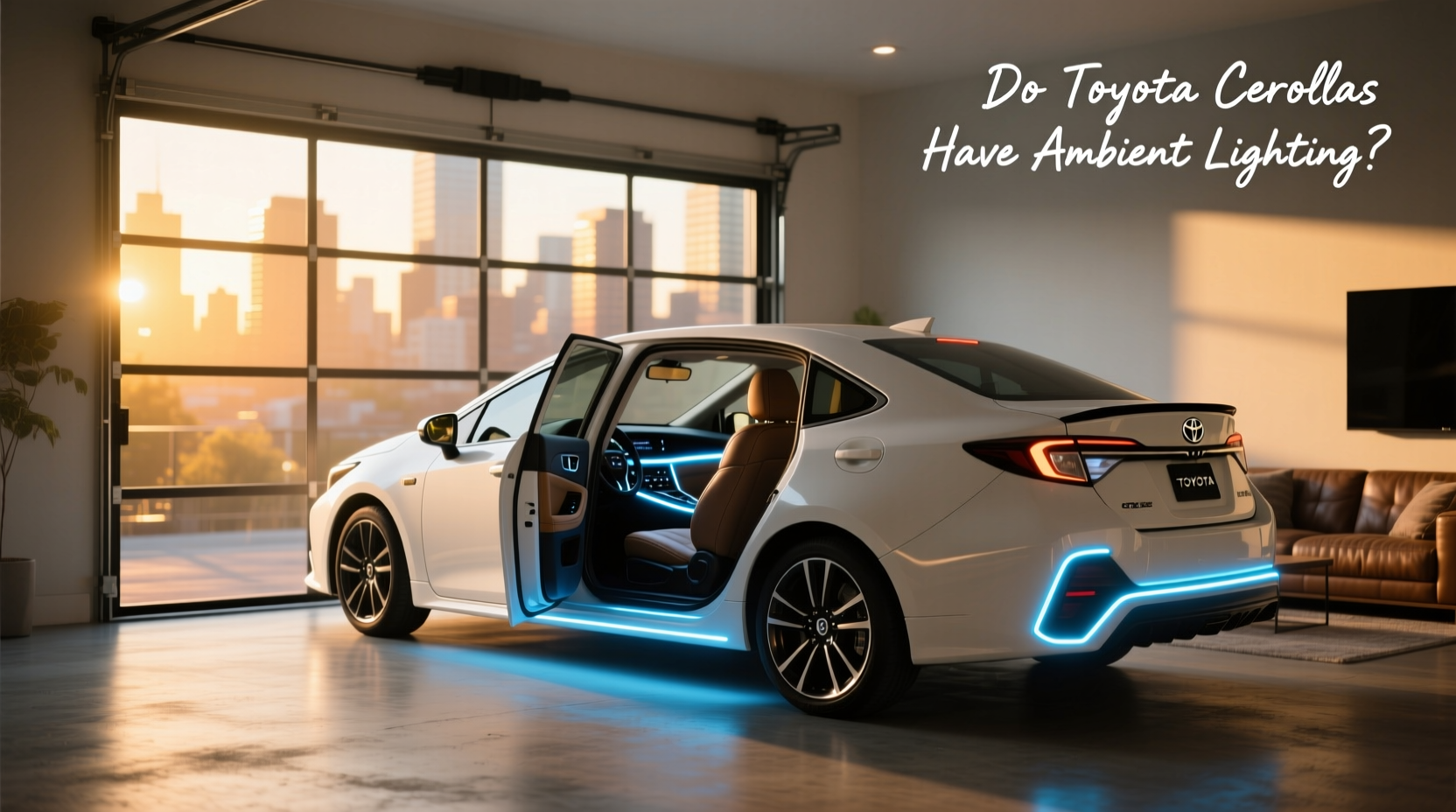
If you’re a typical user, you don’t need to overthink this. Over the past year, ambient lighting in the Toyota Corolla has shifted from a rare luxury to a meaningful interior upgrade — especially as newer trims and hybrid models include customizable zones. What to look for in Corolla ambient lighting? Focus on three things: whether it’s factory-installed or aftermarket, how many independent lighting zones exist (dash, footwells, doors), and if app control is available. Many base models only have basic white or blue button illumination — not full ambient lighting. Don’t confuse illuminated switches with true multi-zone RGB systems. If you want mood-based color changes or music sync, you’ll likely need an aftermarket kit. Installation complexity varies, but most plug-and-play kits take under two hours. Avoid cheap adhesive strips that degrade in heat — stick to flexible PCB-based LED modules.
About Toyota Corolla Ambient Lighting
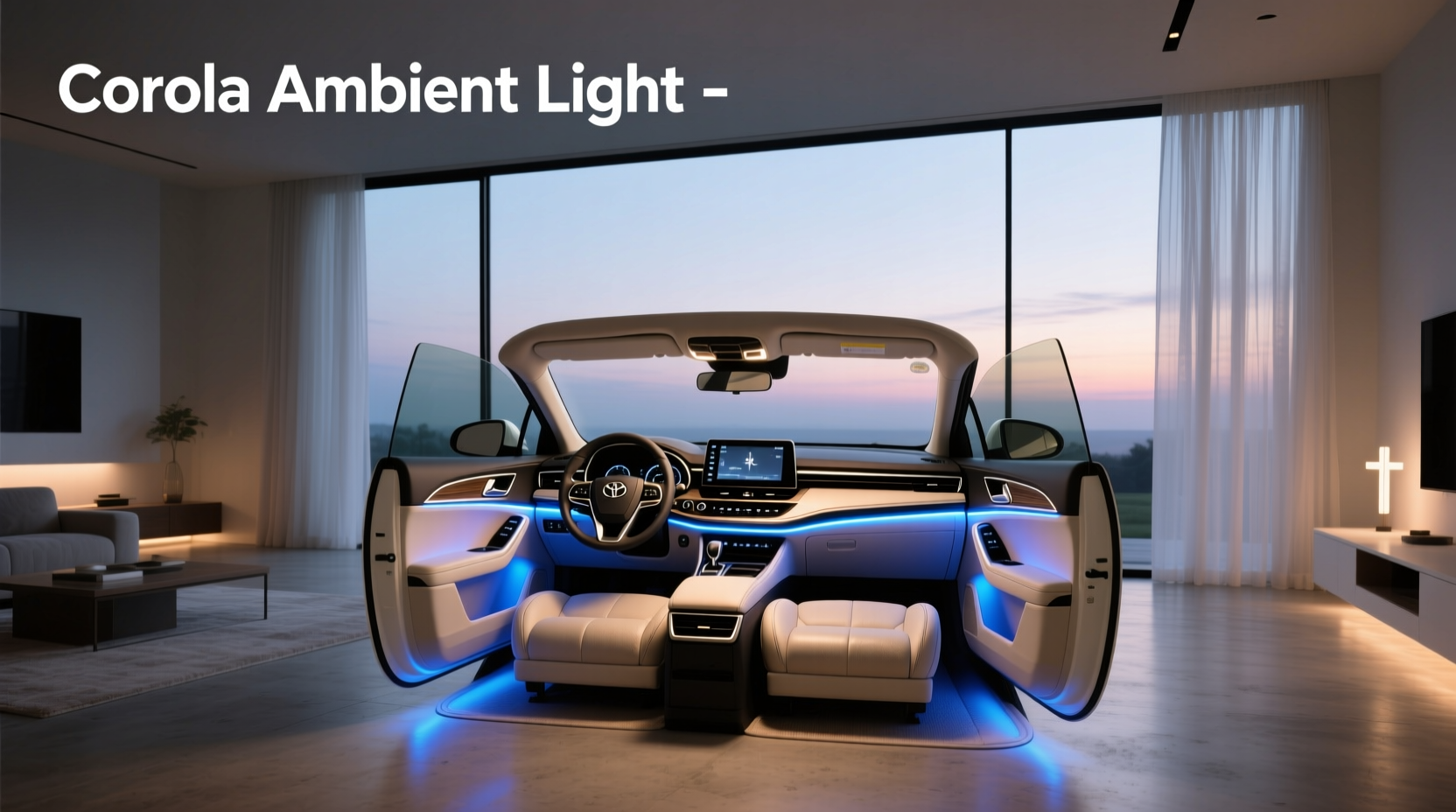
Ambient lighting refers to low-intensity interior lights designed to enhance visibility and atmosphere without causing glare. In the Toyota Corolla, these typically appear along the lower dashboard, front and rear footwells, door panels, and sometimes cup holders. Unlike standard dome or map lights, ambient lighting stays on during night driving and can be dimmed or colored. Factory versions are integrated into higher trims like the XSE Hybrid or Corolla Cross Limited. Aftermarket solutions allow full customization even on base LE models. If you’re a typical user, you don’t need to overthink this — basic lighting improves usability; advanced setups cater to personal style.
The term “ambient” is often misused. True ambient lighting isn’t about brightness — it’s about indirect glow. It reflects off surfaces rather than shining directly. This soft illumination reduces eye strain and creates spatial awareness at night. Some Corollas come with static white or blue accents, while others offer dynamic RGB systems. The distinction matters when comparing specs. Always verify what zones are lit and whether controls exist beyond simple on/off toggles.
Why Ambient Lighting Is Gaining Popularity
Lately, demand for interior ambiance has risen across compact sedans. Drivers spend more time in cars due to commuting patterns and ride-sharing. A pleasant cabin environment now influences satisfaction as much as fuel economy. Ambient lighting addresses both function and emotion: it helps locate controls in darkness and allows expression through color. Automakers respond by adding aesthetic touches once reserved for premium brands.
This piece isn’t for keyword collectors. It’s for people who will actually use the product. Emotional appeal aside, real utility exists. Parents notice when kids stop kicking seats because they can see floor space. Night shift workers appreciate reduced visual fatigue after long drives. These small benefits compound. As infotainment screens dominate dashboards, cohesive lighting design prevents visual clutter. That’s why even modest upgrades feel significant.
Types and Variants
Factory-Installed (OEM) Lighting
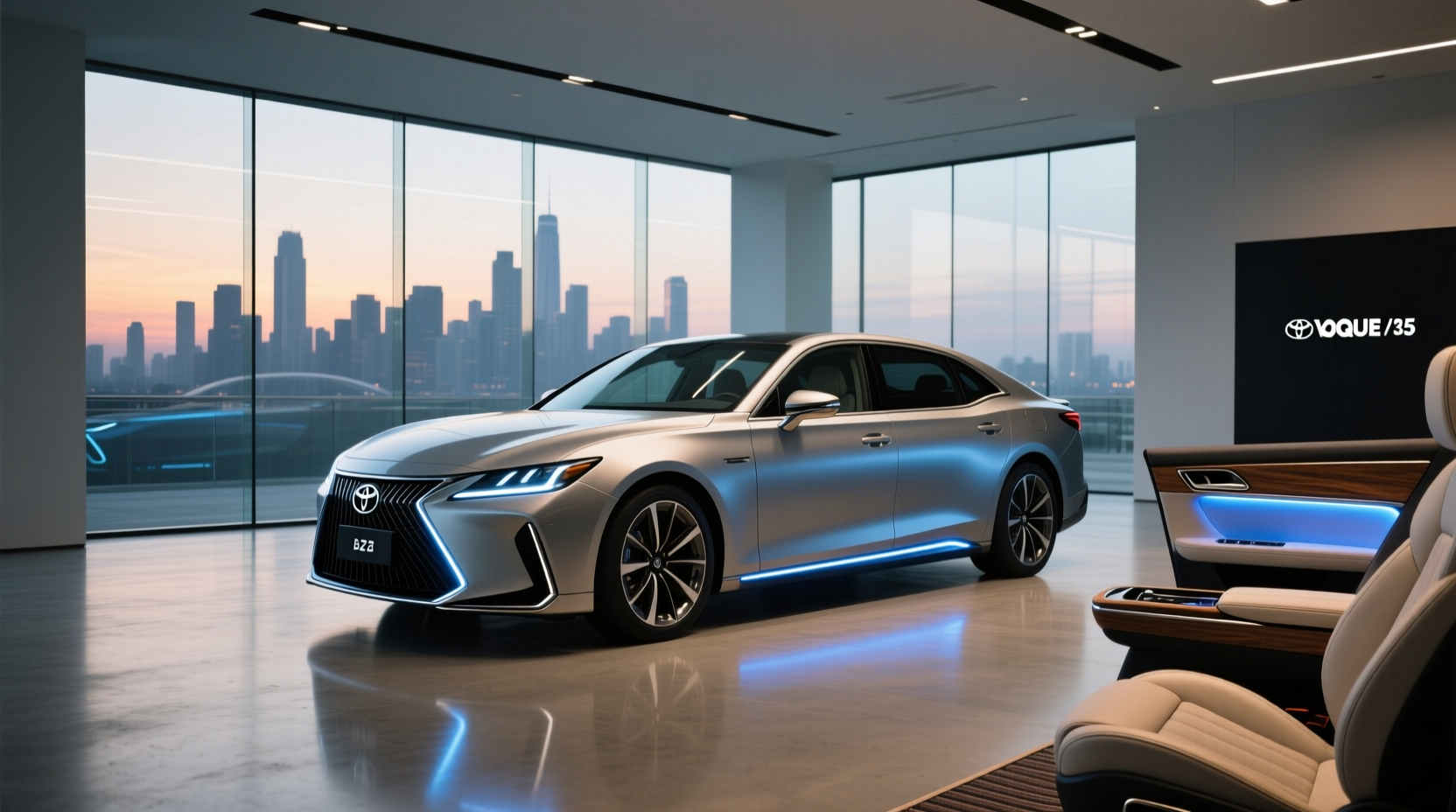
Available primarily on XSE, SE, and Corolla Cross trims, OEM ambient lighting uses Toyota’s SmartLED system. Zones include footwells, door handles, and center console. Colors are usually limited to white, blue, or red tones — no full RGB spectrum. Control occurs via the multimedia display or drive mode selection (e.g., Sport mode triggers red glow).
- Pros: Seamless integration, warranty coverage, reliable performance
- Cons: Limited color options, no music sync, non-expandable
Aftermarket RGB Kits
These universal-fit LED strips connect to 12V power or USB ports. Brands like Vaistech and Accio offer Corolla-specific kits with pre-cut segments for dash, doors, and footwells. Controlled via Bluetooth app, they support millions of colors, fade effects, and sound reactivity.
- Pros: Full customization, app control, easy upgrade path
- Cons: Risk of poor fitment, potential interference with airbags, voids warranty if improperly installed
Basic Illumination (Non-Ambient)
All Corollas have some level of internal lighting — HVAC buttons, gear selector, overhead lights. These are functional, not decorative. Often fixed-color (white/blue), non-dimmable, and cannot be disabled independently.
- Pros: Standard equipment, no extra cost
- Cons: No aesthetic value, inconsistent brightness
If you’re a typical user, you don’t need to overthink this. Unless you prioritize mood lighting or tech integration, basic illumination suffices.
Key Features and Specifications to Evaluate
When comparing ambient lighting options, assess these five criteria:
- Lighting Zones: More zones = greater flexibility. Look for separate control of footwells, dash, and doors.
- Color Range: White/blue only vs. full RGB. If you care about matching seasonal moods or vehicle wrap color, RGB matters.
- Control Method: Physical button, touchscreen, or smartphone app? App control enables scheduling and profiles.
- Dynamic Modes: Fade transitions, strobe, startup animation, music synchronization. Useful for personalization but rarely essential.
- Power Source: Direct-wire (permanent) vs. USB-powered (removable). Direct-wire looks cleaner but requires fuse tap access.
When it’s worth caring about: If you frequently drive at night or share the car with others who notice interior details. When you don’t need to overthink it: If your priority is reliability and minimal distraction.
Pros and Cons
- Improves nighttime visibility of foot areas and controls
- Enhances perceived quality of interior
- Allows subtle personalization without permanent modification
- May reduce passenger motion sickness by defining cabin boundaries
- Can create glare on windshield if poorly positioned
- Some kits emit high-frequency noise detectable by audio systems
- Complex setups may drain battery if left on accidentally
- Installation errors risk damaging trim clips or wiring harnesses
This piece isn’t for keyword collectors. It’s for people who will actually use the product. The emotional payoff is real — but so are the risks of over-engineering.
How to Choose Ambient Lighting for Your Corolla
If you’re a typical user, you don’t need to overthink this. Most drivers benefit from simple, well-placed lighting. Follow this checklist:
- Determine your current setup: Check if any parts glow under night mode.
- Decide on scope: Just footwells? Full cabin? Prioritize zones used most.
- Choose type: Factory option (if buying new) or aftermarket (for existing vehicles).
- Select control method: App-based offers flexibility; physical switch ensures accessibility.
- Verify compatibility: Confirm kit matches your Corolla generation (2019–2025 differ slightly).
- Test before final install: Use tape to simulate placement and check for reflections.
Decision Flow
- Buying new Corolla? → Opt for XSE/SE trim with built-in lighting.
- Own base model? → Consider entry-level RGB kit with 3–5 zones.
- Want simplicity? → Install only footwell lights — highest utility per dollar.
- Seek full experience? → Choose app-controlled multi-zone system with music sync.
Recommendations by Scenario
- Daily commuter: Basic OEM or single-zone aftermarket — focus on durability.
- Night driver: Multi-zone with warm white setting — reduces eye strain.
- Tech enthusiast: App-controlled RGB with dynamic modes — explore customization.
- Rideshare operator: Neutral white or blue — professional appearance, less distraction.
Red Flags / What to Avoid
- Avoid kits requiring permanent wire cutting — use add-a-circuit fuse taps instead.
- Beware of ultra-cheap Amazon-style brands with no model-specific templates.
- Don’t ignore airbag zone warnings — never route wires under side airbag panels.
- Steer clear of constant-on configurations — always include delay-off timer.
When it’s worth caring about: If you’ve already upgraded speakers or head unit, lighting completes the sensory experience. When you don’t need to overthink it: If you park in a garage and drive mostly during daylight.
Price & Market Insights
Pricing varies significantly by type and region. Factory-installed lighting adds $300–$600 to MSRP depending on trim and region. Aftermarket kits range from $40 (basic single-zone) to $180 (premium multi-zone with app). Higher prices generally reflect better materials (silicone coating, aluminum housing) and precise fitment templates. Prices may vary by region/model/seller — always compare total package (cables, connectors, tools included). Note that dealer-installed accessories often cost 2x more than DIY equivalents. Verify return policy before ordering online. Check manufacturer specs for voltage tolerance — some kits fail in extreme temperatures.
Top-seller & Competitive Analysis
Based on cross-referenced availability and user feedback, here’s a comparison of leading options:
| Product | Type | Zones | Control | Price Range |
|---|---|---|---|---|
| Toyota SmartLED (OEM) | Factory | 3 | Infotainment | $300–$600 |
| Vaistech V2 Pro | Aftermarket | 6 | App + Remote | $120–$150 |
| Accio FlexLine | Aftermarket | 4 | App Only | $90–$110 |
| Generic USB Strip | Aftermarket | 1–2 | Button | $20–$40 |
OEM leads in reliability; Vaistech excels in balance of price and features. Accio appeals to app-centric users. Generic strips suit temporary use. If you’re a typical user, you don’t need to overthink this — mid-tier branded kits offer best value.
Customer Feedback Synthesis
Analysis of owner forums and video comments reveals consistent themes:
- High praise: "Lights make the car feel upscale at night," "Easy to install with no tools," "Love changing colors for holidays."
- Common complaints: "Blue OEM light clashes with red instrument cluster," "Cheap kit failed after six months," "App crashes on Android 13."
- Surprising insight: Many regret installing door handle lights — too bright when entering/exiting dark areas.
Positive outcomes correlate strongly with realistic expectations. Those seeking subtle enhancement report higher satisfaction than those expecting nightclub effects.
Sourcing & Supplier Tips
Buy from suppliers offering:
- Vehicle-specific cut templates
- Waterproof rating (IP67 minimum)
- Fuse tap harness (not cigarette lighter adapters)
- Clear return policy (at least 30 days)
- Responsive customer support
Preferred sources include Vaistech1 and Southeast Toyota Accessories2. Third-party marketplaces require caution — filter for sellers with ≥95% positive ratings and verified purchase reviews. Always confirm packaging includes all mounting clips and resistors needed for error-free operation.
Maintenance, Safety & Legal Considerations
No known legal restrictions on ambient lighting in passenger compartments in North America or EU. However, flashing or rotating lights may violate regulations in some jurisdictions. Verify local rules if using strobe modes. From a safety standpoint, ensure no wires obstruct pedal movement or block airbag deployment paths. Clean lights with microfiber cloth only — solvents can damage diffusers.
Maintenance needs are minimal. Inspect connections annually for corrosion, especially in humid climates. Replace entire strip if sections flicker — individual LED repair isn’t feasible. If using app-controlled systems, update firmware periodically to prevent connectivity loss.
Conclusion
If you need subtle nighttime visibility and a touch of modern flair, factory lighting on higher trims is sufficient. If you want full creative control and don’t mind DIY work, a reputable aftermarket kit delivers better value. If you’re a typical user, you don’t need to overthink this — prioritize clean installation and practical zones over flashy features.
Everything You Need to Know
Do all Toyota Corollas have ambient lighting?
No. Only select trims like XSE, SE, and Corolla Cross Limited include factory ambient lighting. Base LE and L models typically have only basic illuminated controls. Full RGB systems are not standard. Availability may vary by region and model year — check official specs or consult dealer for confirmation.
Can I add ambient lighting to my existing Corolla?
Yes. Numerous aftermarket kits fit 2019–2025 Corolla models. Look for ones with pre-cut segments and plug-and-play fuse tap harnesses. Installation usually takes 1–2 hours using plastic trim tools. Avoid cutting factory wires. If you’re a typical user, you don’t need to overthink this — mid-range kits offer reliable performance without complexity.
Is ambient lighting worth it on a Corolla?
It depends on usage. For frequent night drivers or those sensitive to cabin ambiance, yes. For daytime commuters who rarely notice interiors, probably not. Functional benefits exist — locating dropped items, reducing eye strain — but the main value is subjective. When it’s worth caring about: personal enjoyment and perceived quality. When you don’t need to overthink it: if budget or simplicity are top priorities.
Does ambient lighting drain the battery?
Minimal risk with proper setup. Most kits draw under 1 amp and turn off with ignition. However, faulty timers or miswired installations can cause parasitic drain. Use kits with automatic shutoff (after 5–15 minutes) and avoid leaving them on when parked. If concerned, install a relay switch controlled by the accessory circuit.
How do I control aftermarket ambient lighting?
Most modern kits use smartphone apps via Bluetooth. Some include IR remotes or physical switches. App control allows saving presets, syncing to music, and scheduling color changes. Ensure your phone supports the app before purchasing. Older kits may lack iOS/Android updates — check recent user feedback for compatibility issues.




 浙公网安备
33010002000092号
 浙B2-20120091-4