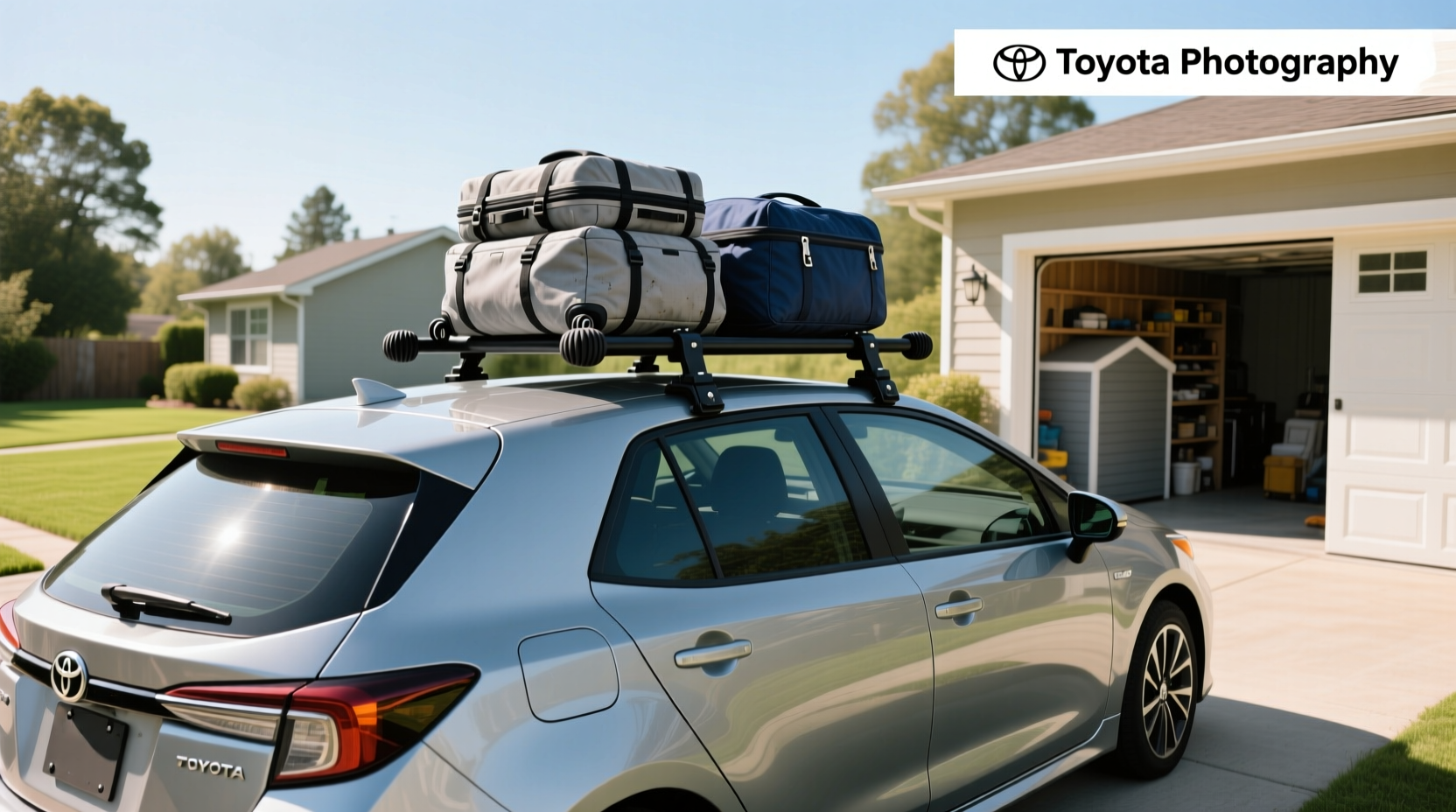
If you’re a typical user, you don’t need to overthink this. You can install a roof rack on a Toyota Corolla Hatchback—even without factory rails—using clamp-style systems from Thule or Yakima designed specifically for 2019–2024 models. What to look for in a roof rack comes down to your roof type (bare vs. pre-rail), cargo needs, and whether you prioritize ease of installation or long-term aerodynamics. Avoid generic clamps not tested for your model year; they may damage door frames or fail under load.
Lately, more owners have added aftermarket racks as weekend trips and gear-heavy hobbies grow in popularity. Over the past year, search volume for 'Toyota Corolla hatchback roof rack' has risen steadily, reflecting increased interest in versatile compact cars that can handle outdoor lifestyles without upgrading to an SUV.
About the Toyota Corolla Hatchback
The Toyota Corolla Hatchback (2019–present) is engineered for efficiency and agility, with a low-profile roof design that doesn’t come standard with rails on most trims. Unlike larger SUVs or wagons, it lacks built-in mounting points, which leads many buyers to ask: Can you put a roof rack on a Toyota Corolla? The answer is yes—but only with compatible third-party or OEM solutions that account for structural integrity and weather sealing.
This model shares its platform with the Toyota GR Corolla, meaning some performance variants ship with factory-installed crossbars. However, most base and mid-tier trims feature a “bare roof,” requiring users to add both feet and crossbars separately. It’s critical to confirm your exact trim and model year before purchasing any system, as fitment varies even within the same generation.
Why Roof Racks Are Gaining Popularity
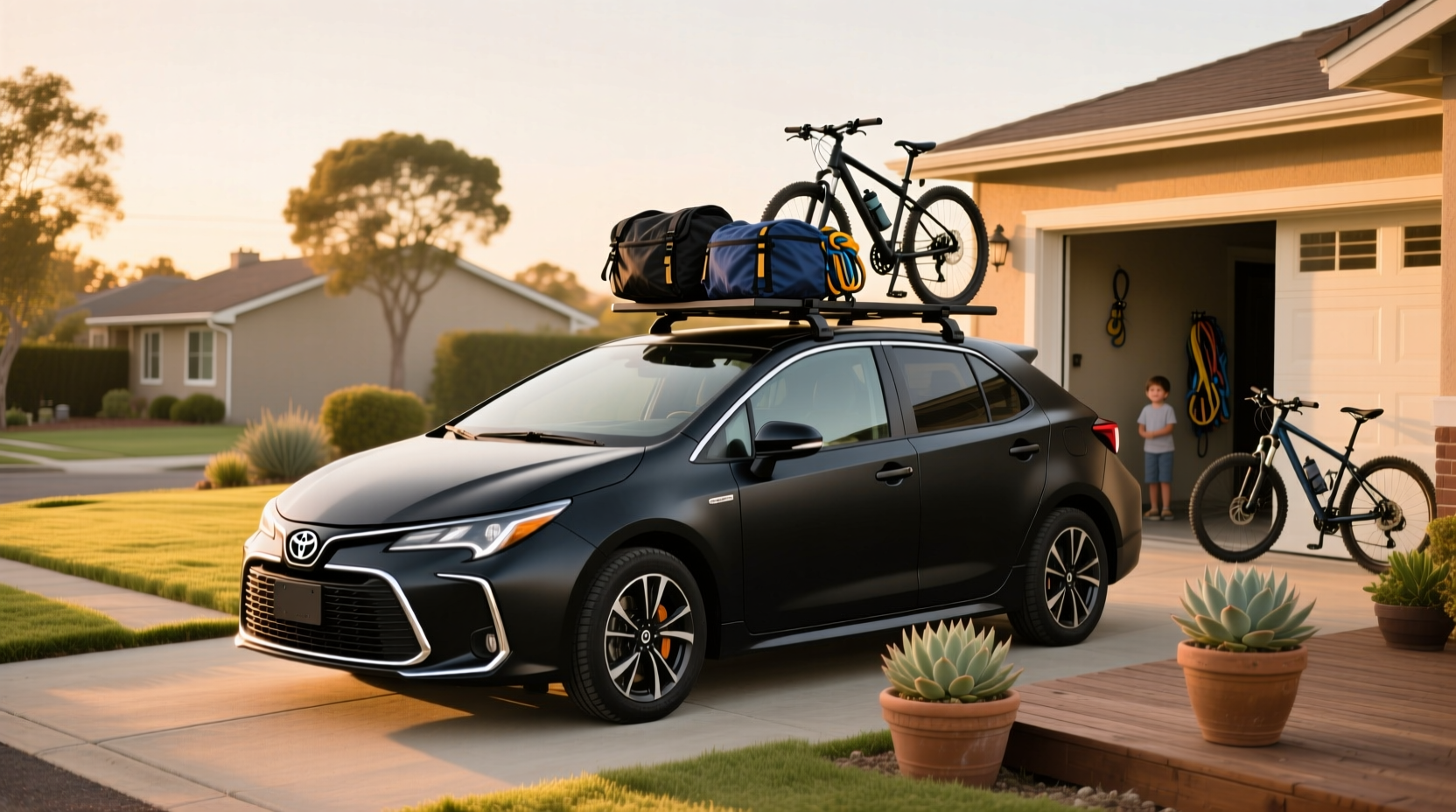
Compact cars like the Corolla Hatchback are increasingly used beyond city commuting. Recently, lifestyle shifts toward outdoor recreation and remote work have made roof-mounted storage more practical than ever. With limited trunk space, adding a roof rack allows owners to transport bikes, kayaks, luggage, or tools without sacrificing interior room.
If you’re a typical user, you don’t need to overthink this. Many people assume small sedans can’t support external loads, but modern clamp-based systems distribute weight safely across reinforced door jamb areas. Manufacturers like Thule now offer vehicle-specific fit kits that engage factory-threaded holes beneath rubber plugs near the roofline—ensuring secure attachment without drilling.
This piece isn’t for keyword collectors. It’s for people who will actually use the product.
Types and Variants
There are three primary types of roof racks available for the Corolla Hatchback. Each serves different priorities—from stealthy integration to maximum payload flexibility.
Clamp-Style Systems (No Factory Rails)
Designed for bare roofs, these use adjustable clamps that grip the edge of the door frame when opened. A vehicle-specific fit kit ensures alignment with internal reinforcement points.
- Pros: No permanent modification; easy removal; widely available
- Cons: Slight wind noise at highway speeds; requires careful torqueing during installation
Side Rails + Crossbars (Factory-Compatible)
Some higher trims (including GR Corolla) include raised side rails. Aftermarket crossbars snap directly onto them, offering a cleaner profile.
- Pros: Aerodynamic; quieter ride; faster installation
- Cons: Only works if your car has rails; fewer universal options
OEM Toyota Roof Racks
Genuine Toyota accessories sold through dealerships or authorized retailers. These are engineered specifically for each body style and often integrate seamlessly with existing roof contours.
- Pros: Perfect fit; covered under accessory warranty; minimal noise
- Cons: Higher cost; limited availability outside dealership networks
Key Features and Specifications to Evaluate
When comparing systems, focus on real-world usability—not just specs on paper.
Roof Type Compatibility
Confirm whether your Corolla has factory rails. If not, choose a clamp-style setup with a dedicated fit kit (e.g., Thule 145209 for 2019+ hatchbacks). Using universal clamps without proper adapters risks slippage or paint damage.
Load Capacity
Check both the rack’s max capacity and your vehicle’s roof load limit (found in owner’s manual). Most Corolla Hatchbacks support 70–100 lbs dynamically (while driving), though static capacity (parked) may be higher. Exceeding limits affects handling and safety.
Aerodynamics and Noise
Evo-style bars (like Thule WingBar or Yakima JetStream) reduce wind resistance and humming. Square bars are cheaper but noisier. If you drive long distances frequently, this matters.
Installation Method
Modern kits use existing threaded inserts inside the door jambs. Remove small rubber caps to access screw points—this creates a fixed connection instead of relying solely on clamping force. This method reduces movement and improves stability.
If you’re a typical user, you don’t need to overthink this. As long as the kit lists your model year and body style, and uses jamb-mounted hardware, it should perform reliably.
Pros and Cons Summary
| Factor | Advantage | Drawback |
|---|---|---|
| Space Expansion | Doubles usable cargo area for bulky items | Adds height clearance concerns (garages, drive-thrus) |
| Cost Efficiency | Cheaper than buying a larger vehicle | Quality systems start around $300+ |
| Flexibility | Supports bike trays, ski mounts, cargo boxes | Requires disassembly for storage if removable |
| Fuel Economy | No impact when removed | Can reduce MPG by 5–10% when loaded |
| Resale Value | May appeal to active-lifestyle buyers | Risk of minor seal wear if improperly installed |
How to Choose & Install a Roof Rack
This guide walks through decision-making and setup steps to ensure safe, effective installation.
Step-by-Step Checklist
- Determine your Corolla’s model year and roof type (bare or with rails)
- Select a brand-specific system (Thule, Yakima, or OEM)
- Verify inclusion of vehicle-specific fit kit (e.g., Thule Part #145209)
- Review all components: feet, crossbars, locks, hardware
- Open all four doors and locate rubber plugs in upper jamb near roofline
- Remove plugs and insert provided bolts/sleeves per manufacturer instructions
- Attach base feet using correct torque settings (usually 15–20 Nm)
- Mount crossbars and level them front-to-back
- Test stability by gently rocking the bars side-to-side
- Perform first drive at low speed to check for vibrations or noise
Decision Flow
- Do you have factory rails? → Yes: Use compatible crossbars
→ No: Choose clamp-style with jamb-fit kit - Will you carry heavy gear weekly? → Yes: Prioritize aerodynamic bars and high dynamic rating
→ Occasional use: Basic clamps suffice - Need theft resistance? → Add locking knobs or cable locks
Recommendations by Scenario
- Weekend adventurers: Thule Evo Clamp with WingBar Edge – balances quiet operation and modularity
- Budget-conscious: Yakima JetStream with SameSky fit kit – lower upfront cost, still reliable
- GR Corolla owners: Stick with OEM Toyota rack for seamless styling and warranty alignment
Red Flags / What to Avoid
- ❌ Universal clamps without model-specific testing
- ❌ Skipping torque specifications during installation
- ❌ Mounting cargo exceeding roof load limit (check manual)
- ❌ Leaving racks on year-round in salty or humid climates without inspection
- ❌ Assuming all '2019–2024' fits are identical—hatchback differs from sedan/touring sports
If you’re a typical user, you don’t need to overthink this. Stick to known brands with documented fit data, follow installation guides precisely, and avoid improvisation.
Price & Market Insights
Prices vary significantly based on brand, region, and included features. Clamp-style kits with crossbars typically range from $300 to $600 USD. OEM Toyota systems may exceed $700. Costs may vary by region/model/seller, especially when imported.
Accessories like ski carriers or bike trays add $80–$200 each. Consider total system cost—not just the base rack. Retailers like RoofRacks.co.uk or Car-RoofRacks.co.uk provide bundled pricing, while Alibaba-linked suppliers offer lower-cost alternatives with longer shipping times.
Top-Seller & Competitive Analysis
Based on verified listings and recent video demonstrations 1, the most commonly purchased setups include:
| Product | Brand | Fit Type | Key Advantage | Approx. Price |
|---|---|---|---|---|
| Evo Clamp with WingBar | Thule | Clamp + Jamb Kit | Quiet, aerodynamic, precise fit | $550 |
| JETSTREAM Complete Set | Yakima | Clamp + Fit Kit | Good value, durable | $420 |
| OEM Roof Rack Assembly | Toyota | Direct Mount (GR Trim) | Seamless integration | $720 |
| Universal Steel Bars | Generic | Door Frame Clamp | Lowest price | $180 |
Note: While generic sets appear attractive, frequent customer complaints cite poor fit and vibration issues. Invest in tested systems unless budget is strictly constrained.
Customer Feedback Synthesis
Analysis of user reviews across retail and video platforms reveals consistent themes:
- High praise: Easy installation with correct fit kit, ability to carry full-size cargo boxes, confidence in security during highway travel
- Common complaints: Wind noise with square bars, difficulty finding replacement parts for discontinued kits, occasional mislabeling of compatible years online
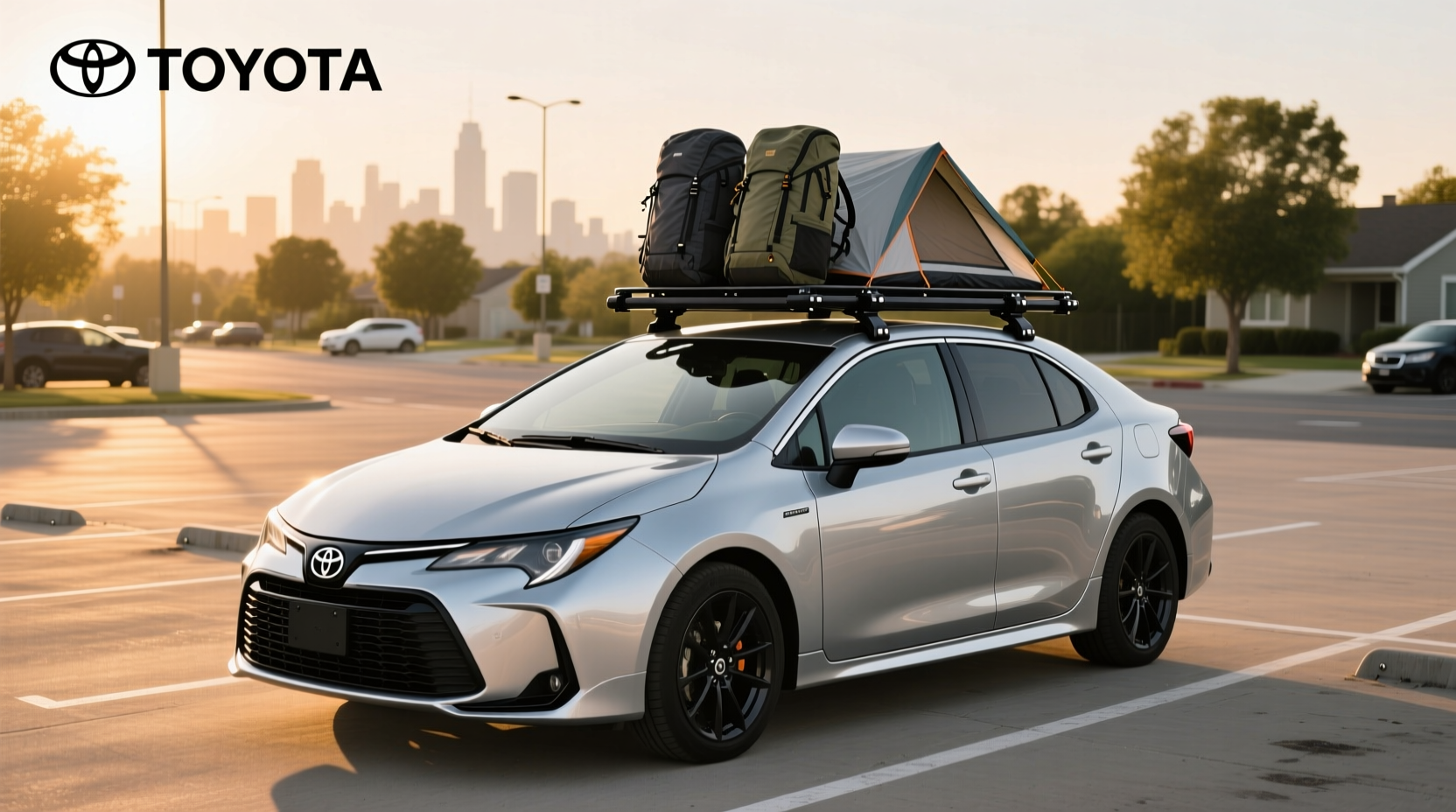
- Surprise benefit: Some owners report improved vehicle appearance with sleek black crossbars, calling it a subtle upgrade
If you’re a typical user, you don’t need to overthink this. Real satisfaction comes from choosing a well-documented system—not the cheapest one.
Sourcing & Supplier Tips
Purchase from specialized roof rack retailers or authorized dealers to ensure authenticity and support. Sites like roofracks.co.uk, car-roofracks.co.uk, or yakimaproducts.eu list detailed compatibility filters. On Alibaba-linked marketplaces, verify seller ratings and request fit confirmation before ordering.
For OEM parts, check official Toyota accessory portals or trusted auto parts distributors. Avoid third-party sellers claiming “OEM-style” unless they specify part numbers matching Toyota’s catalog.
Maintenance, Safety & Legal Considerations
Regular maintenance prevents degradation and ensures safety:
- Inspect clamps and bolts every 3–6 months for tightness and corrosion
- Clean seals and contact points to prevent moisture buildup
- Remove racks when not in use for extended periods to protect roof coatings
- Always secure cargo properly—use straps rated for dynamic loads
Legality depends on local rules regarding load dimensions and lighting. In many regions, cargo can extend 4 feet beyond the rear bumper, but must be marked with flags or lights. Check your national transportation authority website to confirm requirements.
This piece isn’t for keyword collectors. It’s for people who will actually use the product.
Conclusion
If you need extra cargo space for regular outdoor activities, choose a model-specific clamp system like Thule Evo or Yakima JetStream. If your Corolla already has factory rails, opt for compatible crossbars that maintain aerodynamics. For GR Corolla owners seeking perfect match quality, OEM is worth the premium. Otherwise, avoid over-engineering—most daily-use cases are fully served by mid-tier kits.




 浙公网安备
33010002000092号
 浙B2-20120091-4