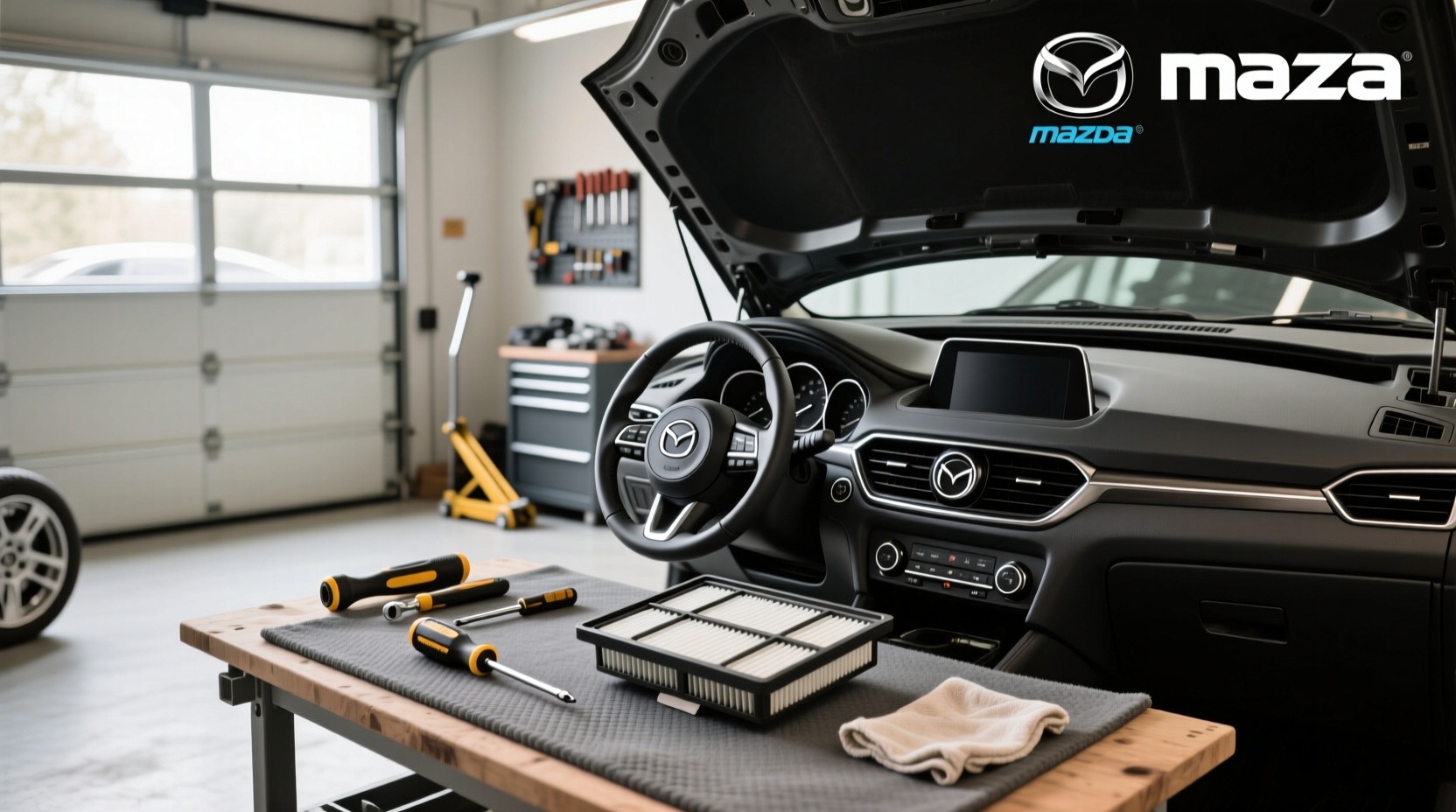
Short Introduction: How to Choose Mazda CX-5 Cabin Air Filter Replacement
If you're replacing the cabin air filter in your Mazda CX-5, start here: most drivers should pick a genuine Mazda OEM filter with a charcoal layer—it ensures proper airflow, odor reduction, and a secure fit behind the glove box. Over the past year, more owners have reported issues with aftermarket filters that look identical but don’t seal well or degrade faster 1. When choosing a replacement, focus on three things: whether it has activated charcoal, if the hook-and-slot design matches your model (2013–2025), and where it’s manufactured. If you’re a typical user, you don’t need to overthink this.
What to look for in Mazda CX-5 cabin air filter replacement? Stick to OEM unless you’re confident in brand-specific aftermarket options. Avoid filters labeled 'universal fit'—they may not align with the housing, causing air leaks and reduced filtration. This piece isn’t for keyword collectors. It’s for people who will actually use the product.
About Mazda CX-5 Cabin Air Filter Replacement
The cabin air filter in the Mazda CX-5 is located behind the passenger-side glove compartment. Its primary role is to trap dust, pollen, road debris, and airborne pollutants before they enter the vehicle’s interior through the HVAC system. A clean filter improves air quality, reduces strain on the blower motor, and helps maintain consistent airflow from the vents.
Replacement is part of standard maintenance and recommended every 24 months or 24,000 miles under normal driving conditions 2. The process takes less than five minutes and requires no tools—just squeeze the sides of the glove box, lower it gently, remove the old filter by lifting the retaining hook, and insert the new one with the hook facing downward.
Why Mazda CX-5 Cabin Air Filter Replacement Is Gaining Popularity
Lately, interest in cabin air filter replacements has grown due to increased awareness of indoor air quality and rising pollen counts in many regions. Drivers are spending more time in their vehicles with climate control running, making filtered air more relevant than ever. Additionally, social media forums and DIY repair videos have made self-maintenance more accessible.
This shift reflects a broader trend toward proactive vehicle care—not just fixing problems, but preventing them. With urban pollution and wildfire smoke becoming more common, even casual drivers now consider air filtration a functional necessity, not just a maintenance checkbox. If you’re a typical user, you don’t need to overthink this—but you should care about what enters your breathing space.
Types and Variants
Three main types of cabin air filters are available for the Mazda CX-5. Each varies in cost, performance, and long-term reliability.
| Filter Type | Description | Pros & Cons |
|---|---|---|
| Mazda Original Equipment (OEM) | Genuine parts like KD45-61-J6X-9U, engineered specifically for Mazda models 3. | Pros: Exact fit, includes activated charcoal for odor absorption, durable construction. Cons: Higher price point compared to alternatives. |
| Mazda Value Line | Budget OEM option (e.g., KD45-61-J6X-VM), often made overseas 1. | Pros: Lower cost while maintaining OEM branding. Cons: May lack charcoal layer; some users report inconsistent build quality. |
| Aftermarket Filters | Third-party options sold under various brands; availability varies by region 4. | Pros: Most affordable option. Cons: Risk of poor sealing, incorrect dimensions, and inferior filtration media. |
If you’re a typical user, you don’t need to overthink this—but know that not all filters perform the same, even if they claim compatibility.
Key Features and Specifications to Evaluate
When comparing filters, assess these four factors:
- Filtration Media: Look for pleated non-woven synthetic material. Higher surface area improves particle capture without restricting airflow.
- Charcoal Layer: Present in many OEM filters, it absorbs odors from traffic exhaust, industrial areas, or damp interiors. When it’s worth caring about: if you notice musty smells when using AC. When you don’t need to overthink it: if you drive mostly in low-pollution areas and replace frequently.
- Physical Dimensions: Standard size is approximately 248mm x 218mm x 30mm, but slight variations exist. Always verify against your current filter or manufacturer specs.
- Retention Mechanism: Must include a downward-facing hook to lock into the housing. Misaligned hooks cause gaps and unfiltered air intake.
This piece isn’t for keyword collectors. It’s for people who will actually use the product.
Pros and Cons
OEM Mazda Filter: Best overall balance of fit, function, and durability. Downside: costs nearly 50% more than value-line versions.
Mazda Value Line: Cost-effective alternative, but inconsistent reports suggest some batches omit the charcoal layer. When it’s worth caring about: if you’re sensitive to fuel fumes or city smells. When you don’t need to overthink it: if you plan to replace it every 12–18 months regardless.
Aftermarket: Can save $10–$15 upfront, but risk poor edge sealing and shorter service life. When it’s worth caring about: if you’ve tested a specific brand successfully. When you don’t need to overthink it: if you’re buying the cheapest option just to check the maintenance box.
How to Choose the Right Mazda CX-5 Cabin Air Filter Replacement
Follow this step-by-step checklist to make a confident decision:
Step-by-Step Checklist
- Confirm your CX-5’s model year (2013–2025).
- Remove the current filter and inspect: Does it have a black charcoal layer?
- Check the part number on the filter frame.
- Determine your priority: odor control, cost savings, or ease of sourcing.
- Select based on verified compatibility—not packaging claims.
Decision Flow
- If odor elimination matters → choose OEM with charcoal.
- If budget is tight but reliability is still important → try Mazda Value Line (confirm charcoal presence).
- If you’ve had success with a specific aftermarket brand → stick with it only if fit was perfect last time.
- If unsure → go OEM. It’s designed for your vehicle.
Recommendations by Scenario
- City driver, high traffic exposure: Genuine OEM filter with charcoal layer.
- Rural driver, light usage: Mazda Value Line or reputable aftermarket (replace annually).
- Allergy-sensitive passengers: OEM filter; consider upgrading to a higher-efficiency variant if available.
- DIY enthusiast on a budget: Test one aftermarket unit first—if airflow drops or noise increases, switch back.
Red Flags / What to Avoid
- Filters labeled “fits most” or “universal” without CX-5-specific validation.
- No mention of charcoal in product description when OEM originally included it.
- Packaging that doesn’t show exact dimensions or retention hook orientation.
- Sellers that don’t allow returns or provide poor customer support.
- Dealers offering labor charges over $80 for a 5-minute job—do it yourself.
If you’re a typical user, you don’t need to overthink this. But ignoring fit and material can lead to noticeable airflow issues and lingering smells.
Price & Market Insights
Prices vary significantly depending on source and type:
- Genuine Mazda OEM: Around $30–$35 MSRP.
- Mazda Value Line: Approximately $21–$25.
- Aftermarket: As low as $12–$18, though premium aftermarket brands may charge up to $28.
These figures may vary by region, seller, and inventory availability. Labor at dealerships can add $80–$100, making DIY a smart move. Buying in bulk (two-pack) from authorized suppliers sometimes offers modest savings. Always verify return policies before purchasing online.
Top-Seller & Competitive Analysis
The most commonly purchased replacement is the genuine Mazda OEM filter (KD45-61-J6X-9U), especially among owners who prioritize reliability over cost. However, confusion exists between this and the Value Line version (KD45-61-J6X-VM), which looks similar but may lack odor-absorbing properties.
| Product | Part Number | Price Range | User Feedback Summary |
|---|---|---|---|
| Mazda OEM Cabin Air Filter | KD45-61-J6X-9U | $30–$35 | Consistently praised for fit and odor control; few complaints. |
| Mazda Value Line Filter | KD45-61-J6X-VM | $21–$25 | Mixed reviews—some note missing charcoal layer despite OEM branding. |
| Aftermarket Brand A (generic) | N/A | $12–$18 | Some users report loose fit and reduced airflow after installation. |
There is no single "best" filter across all use cases. Performance depends on correct selection and realistic expectations.
Customer Feedback Synthesis
Analysis of owner discussions reveals recurring themes:
- Positive: OEM filters praised for eliminating musty AC smells and lasting full 2-year intervals. DIYers appreciate how fast the swap is.
- Negative: Aftermarket filters criticized for poor edge seals, leading to dusty vents and whistling noises. Some Value Line units received complaints for being “white instead of gray,” indicating missing charcoal.
- Neutral: Many users say they “can’t tell a difference”—but these are typically those who replace frequently or drive infrequently.
If you’re a typical user, you don’t need to overthink this—but feedback shows that cutting corners often leads to revisiting the same problem sooner.
Sourcing & Supplier Tips
Buy from authorized Mazda parts distributors or trusted auto parts suppliers. Check packaging for part number accuracy and manufacturing origin. If ordering online, ensure the seller allows returns in case of fitment issues. Avoid third-party marketplaces with inconsistent quality control. Call your local dealership parts department to confirm availability and authenticity. Verify shipping costs and delivery timelines if needed urgently.
Maintenance, Safety & Legal Considerations
A clogged or improperly installed cabin air filter does not violate safety regulations, but it can reduce HVAC efficiency and air quality. There are no legal penalties for delayed replacement, but neglect may contribute to respiratory discomfort for sensitive individuals. Always follow manufacturer guidelines for inspection intervals. Confirm local disposal rules—some regions classify used filters as general waste, others recommend sealed bagging due to trapped allergens.
Conclusion
If you need reliable odor control and seamless fit, choose the genuine Mazda OEM cabin air filter with a charcoal layer. If you're on a tighter budget and drive in clean environments, the Mazda Value Line may suffice—just confirm it includes activated carbon. For frequent drivers in polluted areas, investing in OEM is justified. If you’re a typical user, you don’t need to overthink this: stick with what’s proven to work.
Frequently Asked Questions
- How often should I replace my Mazda CX-5 cabin air filter?
Every 24 months or 24,000 miles under normal conditions. In dusty or high-pollution areas, consider replacing it every 12–18 months. - Can I install an aftermarket filter safely?
Yes, if it's from a reputable brand and fits precisely. Poorly fitting filters can allow unfiltered air into the cabin. - Do all Mazda CX-5 cabin air filters have charcoal?
No. While original factory units included a charcoal layer, some replacement OEM and most aftermarket filters do not. Check product details carefully. - Is it worth replacing the cabin air filter myself?
Absolutely. The task takes under five minutes and saves up to $100 in labor fees. No tools required. - What happens if I never replace the cabin air filter?
Over time, airflow diminishes, AC efficiency drops, and interior air quality worsens. You may notice musty odors or increased allergy symptoms.




 浙公网安备
33010002000092号
 浙B2-20120091-4