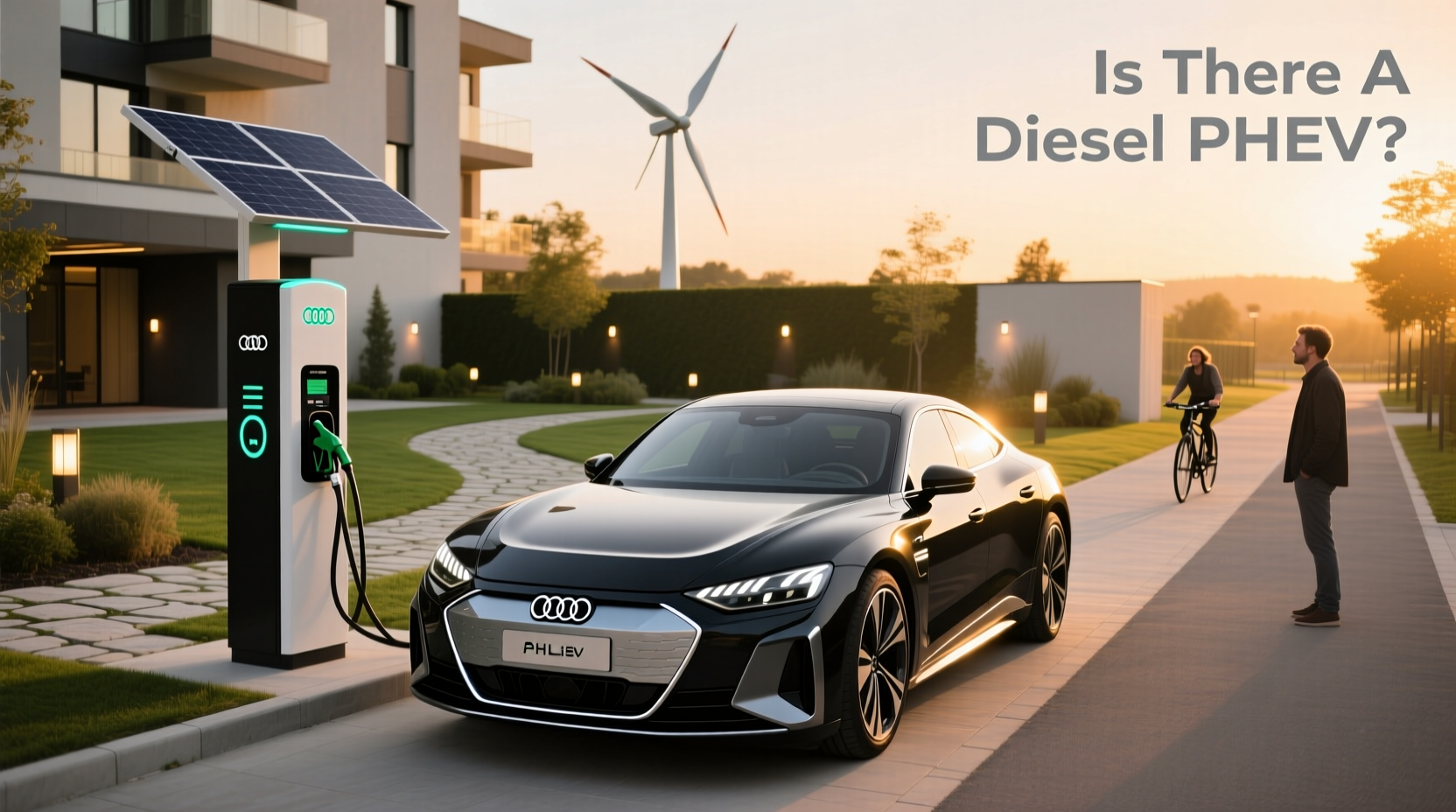
Diesel Plug-in Hybrid Guide: What to Look For
Lately, a few drivers have reconsidered diesel plug-in hybrids (PHEVs) for high-mileage or towing-heavy use cases. If you drive mostly on highways, tow regularly, or need long-range efficiency, a diesel PHEV may offer better real-world economy than petrol hybrids—especially if charging access is limited. How to choose a diesel PHEV? Focus on payload capacity, electric range sufficiency, and whether your usage justifies the higher initial cost. Avoid overestimating electric-only benefits; most diesel PHEVs prioritize engine synergy over zero-emission commuting. If you’re a typical user, you don’t need to overthink this: unless you cover over 20,000 km/year with mixed loads, a petrol PHEV or full EV likely serves better.
About Diesel Plug-in Hybrids
A diesel plug-in hybrid (PHEV) combines a diesel internal combustion engine with an electric motor and a rechargeable battery that can be charged via external power sources. Unlike standard hybrids, which rely solely on regenerative braking and engine output to charge their batteries, PHEVs allow users to plug in and maintain a dedicated electric driving range—typically between 30–60 km (20–40 miles).
Despite the technical feasibility, diesel PHEVs are rare. Over the past year, only Mercedes-Benz has continued offering them across select models like the C-Class, E-Class, GLC, and GLE—marketed primarily in Europe under names such as GLE 350 de. These vehicles represent niche engineering solutions tailored to specific operational demands rather than mass-market electrification trends.
Why Diesel PHEVs Are Gaining Attention
Recently, interest in diesel PHEVs has resurfaced—not due to widespread availability, but because of evolving fleet needs and regional fuel economics. In markets where diesel remains cheaper than gasoline and long-distance hauling is common, even small gains in fuel efficiency matter. Additionally, some commercial operators face limitations in daily charging infrastructure, making extended-range hybrids more practical than full battery-electric alternatives.
The renewed curiosity also stems from misconceptions about hybrid synergy. Many assume all electrified powertrains behave similarly. But diesel PHEVs serve a different purpose: they optimize torque delivery and highway economy, not urban stop-start efficiency. This distinction creates emotional tension—drivers want both clean city performance and rugged long-haul capability. The reality is, these goals often conflict.
If you’re a typical user, you don’t need to overthink this: the appeal of a diesel PHEV lies not in its environmental label, but in its ability to reduce fuel stops during sustained load-carrying tasks.
Types and Variants
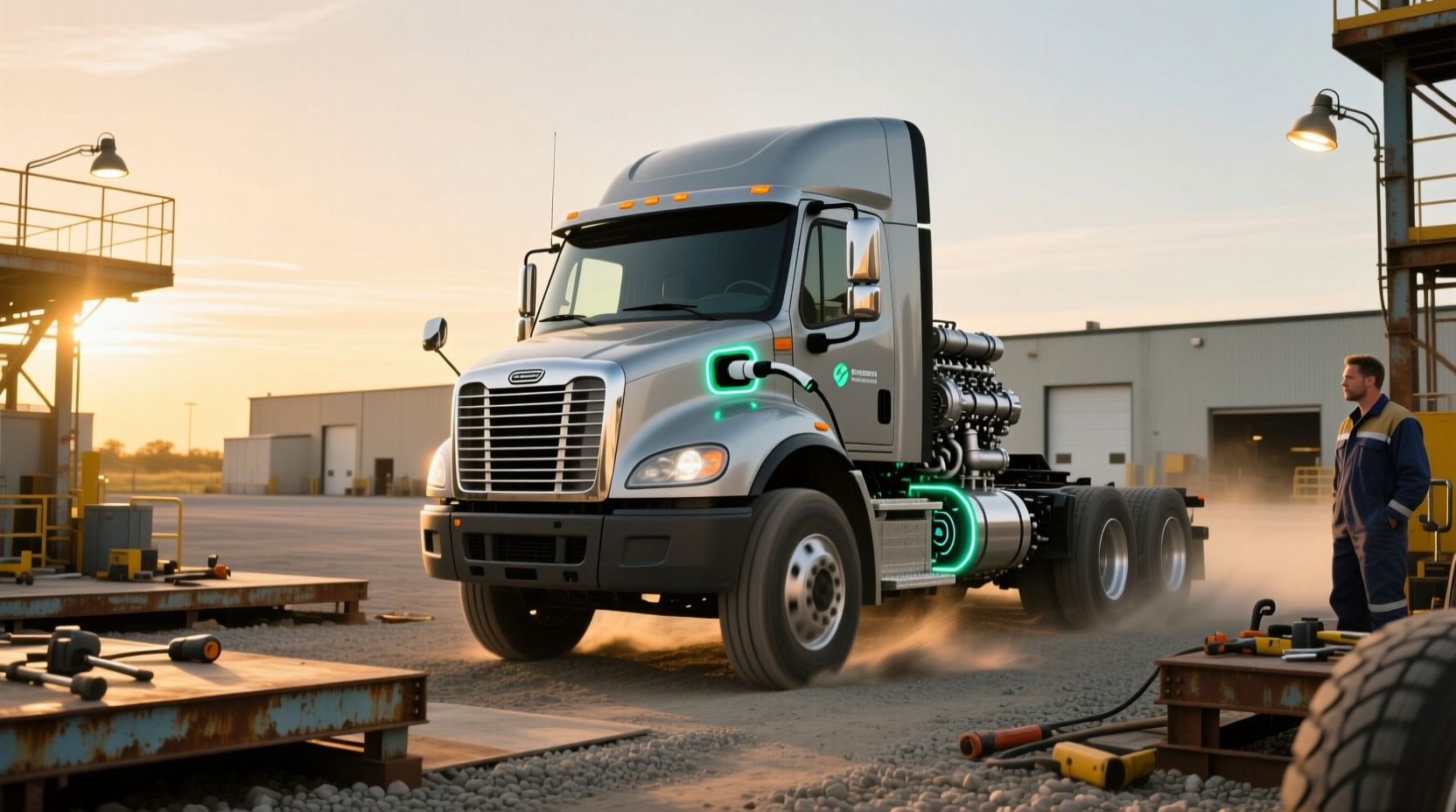
Mercedes-Benz Diesel PHEVs (e.g., GLE 350 de)
- Pros: High torque at low RPMs, excellent highway fuel economy, strong resale in commercial sectors.
- Cons: Limited electric-only range (~50 km), heavier weight affects handling, complex emissions systems increase maintenance risk.
Concept & Prototype Models (e.g., Chery Diesel Hybrid Ute)
- Pros: Target emerging markets with poor charging networks; emphasize durability and payload.
- Cons: Not yet available in North America or Western Europe; lack verified real-world data.
Light Commercial Derivatives (e.g., Peugeot 3008 Hybrid D)
- Pros: Designed for mixed-use fleets; moderate electric range suits last-mile delivery segments.
- Cons: Discontinued in many regions; replaced by petrol PHEVs due to lower consumer demand.
This piece isn’t for keyword collectors. It’s for people who will actually use the product.
Key Features and Specifications to Evaluate
When assessing a diesel PHEV, focus on functional metrics—not marketing claims.
Battery Size and Usable Electric Range
When it’s worth caring about: If your daily route includes urban zones with congestion charges or emission restrictions (e.g., London ULEZ), even 40 km of electric range helps avoid fees.
When you don’t need to overthink it: If most of your driving exceeds 80 km per trip, the diesel engine will dominate operation. Battery size becomes secondary to overall fuel efficiency.
Towing Capacity and Payload Rating
When it’s worth caring about: For caravans, trailers, or commercial cargo, diesel PHEVs often outperform petrol equivalents thanks to superior low-end torque.
When you don’t need to overthink it: If you rarely exceed half-load capacity, the added complexity isn’t justified. Petrol PHEVs handle light-duty cycles more smoothly.
Fuel Economy (Real-World vs. Lab)
When it’s worth caring about: Long-term cost savings hinge on actual consumption, especially when running uncharged. Real-world highway figures matter more than WLTP ratings.
When you don’t need to overthink it: If you plan to charge daily and drive short distances, consider a full EV instead—diesel PHEVs aren’t optimized for that pattern.
Charging Speed and Infrastructure Compatibility
When it’s worth caring about: Fleets without depot charging must rely on public stations. AC charging speed (3.7 kW vs. 7.4 kW) impacts turnaround time.
When you don’t need to overthink it: Most owners report plugging in overnight at home or work. Fast DC charging is absent in current diesel PHEVs anyway.
Pros and Cons
| Aspect | Advantages | Drawbacks |
|---|---|---|
| Fuel Efficiency (Highway) | Superior to petrol PHEVs under load | Poor city efficiency if not plugged in |
| Towing Performance | Strong low-end torque improves stability | Electric motor adds weight, reducing payload marginally |
| Initial Cost | N/A – generally higher than petrol PHEVs | Up to 15% more expensive; ROI depends on annual mileage |
| Maintenance | Regenerative braking reduces wear | Diesel aftertreatment (DPF, SCR) increases service frequency |
| Environmental Impact | Lower CO₂ vs. petrol engines | Higher NOₓ emissions; DPF issues in short trips |
How to Choose a Diesel PHEV
Follow this step-by-step guide to determine if a diesel PHEV aligns with your needs.
Step-by-Step Checklist
- Evaluate your average daily distance: >80 km favors diesel PHEV efficiency.
- Assess charging access: No reliable plug-in option? Diesel dominance reduces electric benefit.
- Check towing requirements: Frequent heavy loads make diesel PHEVs compelling.
- Review local fuel pricing: Diesel cheaper than petrol? That amplifies savings.
- Confirm service network: Complex powertrains require specialized technicians.
Decision Flow
- If annual mileage < 15,000 km → skip diesel PHEV; consider petrol hybrid or EV.
- If daily commute < 50 km and fully chargeable → petrol PHEV offers smoother experience.
- If regular highway driving + occasional towing → diesel PHEV warrants evaluation.
- If operating in regulated urban zones (emission zones) → verify ZLEV eligibility.
Recommendations by Scenario
- Fleet Operators: Only viable if routes are predictable, high-mileage, and charging infrastructure exists at depots.
- Rural Drivers: Beneficial where charging is sparse and roads are open—leverages diesel strength.
- Urban Commuters: Not recommended; diesel drawbacks outweigh benefits in stop-start traffic.
Red Flags / What to Avoid
- Buying based on lab-rated fuel economy alone: Real-world conditions vary widely; always seek owner-reported data.
- Ignoring DPF (Diesel Particulate Filter) risks: Short trips clog filters; regeneration requires sustained highway driving.
- Overestimating electric utility: Most diesel PHEVs disable EV mode above 100 km/h or under acceleration.
- Assuming global availability: These models may not meet emissions standards outside Europe; confirm compliance before import.
Price & Market Insights
Pricing for diesel PHEVs varies significantly by region, trim level, and taxation policies. In Germany, the Mercedes GLE 350 de starts around €75,000, while in the UK it exceeds £70,000—often positioned above equivalent petrol PHEVs. Incentives differ: some EU countries offer reduced VAT for PHEVs below certain CO₂ thresholds, but others exclude diesel variants due to NOₓ concerns.
Resale value remains uncertain due to low volume and evolving regulations. Used examples are scarce, and depreciation patterns aren't well established. Always check manufacturer warranty terms and verify whether battery health is covered beyond eight years.
Top-Seller & Competitive Analysis
Currently, Mercedes-Benz dominates the diesel PHEV space. Their lineup includes:
- C 300 de (sedan)
- E 300 de (executive sedan)
- GLC 300 de (midsize SUV)
- GLE 350 de (large luxury SUV)
No other mainstream automaker offers a true diesel PHEV in Europe or North America. Toyota’s Australian 48V mild-hybrid diesel Hilux and Prado models 1 are sometimes mistaken for PHEVs, but lack plug-in capability.
| Model | Electric Range (km) | Combined Fuel Use (L/100km) | Towing Capacity (kg) |
|---|---|---|---|
| Mercedes GLE 350 de | ~50 | 1.6–2.0 | 3,500 |
| Mercedes GLC 300 de | ~45 | 1.8–2.2 | 2,700 |
| Peugeot 3008 Hybrid D (discontinued) | ~50 | 1.9–2.3 | 1,500 |
Customer Feedback Synthesis
Based on owner forums and expert reviews, common sentiments include:
- Positive: Appreciation for smooth highway cruising, reduced refueling frequency, and strong towing confidence.
- Negative: Complaints about DPF warning lights during city use, sluggish EV-mode performance, and higher-than-expected servicing costs.
- Surprise Insight: Many buyers expected greater electric usability but found the system defaults to diesel too quickly under load.
If you’re a typical user, you don’t need to overthink this: satisfaction correlates strongly with realistic expectations about electric functionality.
Sourcing & Supplier Tips
Diesel PHEVs are typically sourced through authorized dealerships in Europe. When importing:
- Verify compatibility with local emissions standards (e.g., EPA in US, NHTSA in Canada).
- Confirm availability of software updates for emissions control modules.
- Work with suppliers who provide post-warranty support agreements.
- Request full service history—especially DPF regeneration logs.
For fleet procurement, negotiate bundled maintenance packages. Some suppliers offer multi-year servicing plans that cap repair costs.
Maintenance, Safety & Legal Considerations
Diesel PHEVs require adherence to both hybrid system protocols and diesel-specific upkeep. Key points:
- DPF Maintenance: Regeneration requires sustained speeds (>60 km/h) for 15+ minutes. Urban-only use leads to blockages.
- Battery Health: Monitor state of health annually; degradation affects engine handover timing.
- Safety: High-voltage components are isolated, but only qualified technicians should perform repairs near the battery pack.
- Legal Compliance: Check eligibility for low-emission zones. Some cities classify diesel PHEVs as non-compliant despite low CO₂.
To verify legal status, consult municipal transport authorities or use official vehicle classification tools online. Regulations may vary by region/model/seller.
Conclusion
If you need long-distance reliability, frequent towing, and operate in areas with favorable diesel pricing, a diesel PHEV like the Mercedes GLE 350 de may deliver tangible benefits. However, if your driving is predominantly urban, short-distance, or fully chargeable nightly, a petrol PHEV or full EV offers simpler ownership and fewer mechanical compromises. If you’re a typical user, you don’t need to overthink this: match the tool to the task, not the trend.
Everything You Need to Know
❓ Is there a diesel plug-in hybrid available today?
Yes, but only from Mercedes-Benz in select European markets. Models include the C-Class, E-Class, GLC, and GLE with "de" badges (e.g., GLE 350 de). These are the only mass-produced diesel PHEVs currently offered by a major automaker.
❓ Why aren't there more diesel plug-in hybrids?
Engineering challenges limit adoption. Diesel engines perform poorly in frequent stop-start conditions, which harms particulate filter longevity. Also, pairing diesel with electric motors doesn't yield the same efficiency synergy as petrol hybrids. Regulatory pressure on NOₓ emissions further discourages development.
❓ Do Toyota or Honda make diesel PHEVs?
No. Neither Toyota nor Honda produces a diesel plug-in hybrid. Toyota offers 48V mild-hybrid diesel pickups in Australia (Hilux, Prado), but these cannot be externally charged and do not qualify as PHEVs.
❓ Can a diesel PHEV run on electricity only?
Limitedly. Most diesel PHEVs allow short-distance electric driving (up to 50 km), but switch to diesel under acceleration, at higher speeds (>100 km/h), or when the battery depletes. They are not designed for prolonged zero-emission operation.
❓ Are diesel PHEVs worth it for fleet use?
Possibly—if vehicles cover high annual mileage on highways and return to base each night for charging. The fuel savings can offset higher purchase and maintenance costs. However, for urban fleets, petrol PHEVs or EVs are usually more cost-effective and easier to maintain.




 浙公网安备
33010002000092号
 浙B2-20120091-4