Short Introduction
When you're trying to decide how to choose different color tint for car windows, start by matching the tint shade and material type to your primary needs—heat reduction, privacy, glare control, or aesthetic appeal. For most drivers, a medium-dark neutral gray or charcoal tint offers the best balance of UV protection, visibility, and legal compliance. Avoid extremely dark tints (below 20% VLT) on front side windows, as they’re often illegal and reduce nighttime visibility ⚠️. If you live in a hot climate, prioritize ceramic tints with high infrared (IR) rejection, even if they cost more. For budget buyers, dyed film works but fades faster. Always verify local laws before installation ✅.
About Different Color Tint for Car Windows
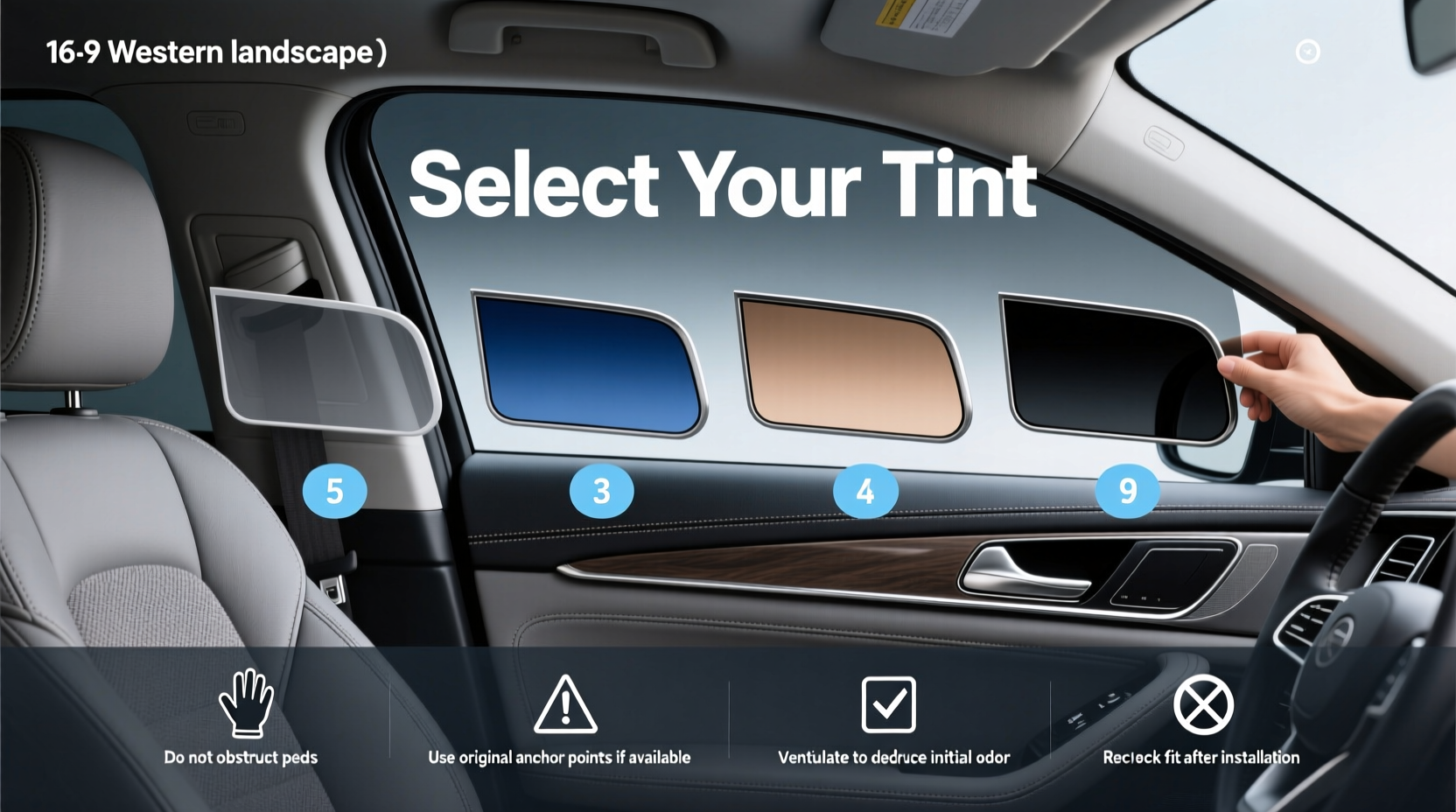
🛒 Different color tint for car windows refers to the variety of dyed, metalized, or nano-ceramic films applied to automotive glass that alter the window’s appearance and performance. Unlike standard black-only tints, colored options include gray, bronze, blue, green, smoke, and even red or purple hues. These tints are installed on side windows, rear windows, and windshields (if allowed) to modify light transmission, heat absorption, and visual privacy.
Common use cases include reducing interior heat in sunny climates 🌞, minimizing glare while driving, protecting upholstery from UV damage, and customizing vehicle aesthetics. Some colors, like bronze or gray, are designed to blend naturally with factory glass, while bolder choices (e.g., blue or green) serve a more expressive purpose. While function often drives the purchase, color choice significantly impacts both performance and regulatory compliance.
Why Different Color Tint for Car Windows Is Gaining Popularity
📍 Consumer demand is shifting toward personalized automotive styling and improved cabin comfort. With rising temperatures in many regions and increased awareness of UV exposure risks, drivers are seeking solutions beyond basic sunshades. Colored tints offer a dual benefit: functional protection and visual customization.
🔧 Technological improvements have made high-performance colored films more accessible. Modern ceramic-based tints now come in various hues without sacrificing clarity or signal interference—a common issue with older metallic films. Additionally, social media and car culture platforms have amplified interest in unique finishes, making color tint a popular mod for sedans, SUVs, and trucks alike.
👥 Urban commuters value reduced glare and cooler interiors, while off-road and overland travelers prefer durable, heat-rejecting films in rugged-looking tones like charcoal or slate blue. This blend of utility and identity drives ongoing market growth.
Types and Variants
⚙️ Several types of colored window tints exist, each differing in composition, performance, and cost:
- ✨ Dyed Film: Uses layers of dye to absorb sunlight. Available in many colors (blue, green, smoke).
Pros: Affordable, reduces glare, non-reflective.
Cons: Fades over time, minimal heat rejection, prone to bubbling. - ⚡ Metallized Film: Embedded with tiny metallic particles to reflect heat. Often comes in silver, charcoal, or bronze.
Pros: Durable, better heat and UV blocking than dyed.
Cons: Can interfere with GPS/cell signals, slightly reflective (may attract attention). - 🌐 Ceramic Tint: Uses non-conductive ceramic nanoparticles. Offered in gray, bronze, blue, and smoke.
Pros: Superior heat rejection (up to 50% IR), UV protection, no signal interference, long-lasting color.
Cons: Higher cost, professional installation recommended. - 📈 Carbon Tint: Contains carbon particles for a matte finish. Common in black, charcoal, and deep blue.
Pros: Fade-resistant, good heat absorption, sleek appearance.
Cons: Slightly less heat reflection than ceramic, mid-range pricing.
Key Features and Specifications to Evaluate
🔍 When evaluating different color tint for car windows, focus on measurable performance traits rather than appearance alone:
- ✅ Visible Light Transmission (VLT %): The amount of light that passes through. Lower VLT = darker tint. Front windows typically require 50–70% VLT depending on jurisdiction.
- ✅ Infrared (IR) Rejection Rate: Measures heat blockage. Look for ≥40% for hot climates.
- ✅ UV Blocking: Should be at least 99% to protect skin and interiors.
- ✅ Color Stability: Ceramic and carbon films retain color longer than dyed options.
- ✅ Reflectivity: High reflectivity may be restricted in some areas and can appear flashy.
- ✅ Warranty: Reputable brands offer 5–10 year warranties against bubbling, peeling, or discoloration.
📌 Also consider optical clarity—some colored tints distort vision slightly, especially at night.
Pros and Cons
📋 Advantages:
- Reduces cabin temperature by up to 60°F (15°C) in direct sun
- Improves privacy and deters theft
- Blocks harmful UV rays that cause skin damage and fade dashboards
- Enhances vehicle appearance with custom color options
- Minimizes glare from headlights and sunlight
❗ Disadvantages:
- Dark tints can impair night vision, especially below 35% VLT
- Some colors may not comply with local laws (especially on front windows)
- Poor-quality films bubble, peel, or turn purple over time
- Metallic tints can disrupt electronic signals (GPS, phone, toll tags)
- Professional installation adds to total cost
How to Choose Different Color Tint for Car Windows
📝 Follow this step-by-step guide to make an informed decision:
- 🔍 Assess Your Needs: Are you prioritizing heat reduction, privacy, style, or all three? Hot climates need high IR rejection; urban drivers may value daytime privacy.
- ⚖️ Check Local Regulations: Laws vary by state/country. Most restrict front windshield and driver/passenger window darkness. Use resources like the International Window Film Association (IWFA) or consult your DMV 1.
- 🎨 Select a Color: Neutral tones (gray, bronze) are widely accepted and functional. Blue or green may stand out but risk non-compliance. Test samples on your glass in sunlight.
- 🧰 Choose the Right Type: Opt for ceramic if budget allows. Carbon is a solid mid-tier option. Avoid dyed film for south-facing regions.
- 🛠️ Decide Installation Method: DIY kits save money but risk bubbles. Professional install ensures precision and often includes warranty support.
- 📦 Verify Product Authenticity: Buy from authorized dealers. Counterfeit films mimic branding but underperform.
🚫 Red Flags to Avoid:
- Tints advertised as '5% VLT' for front windows (likely illegal)
- No specification sheets or test data provided
- Claims of 'lifetime performance' without warranty details
- Films that feel overly thin or sticky during handling
Price & Market Insights
💰 Prices vary widely based on film type, brand, and installation method:
- 🛒 Dyed Tint: $50–$150 (full vehicle, installed)
- 🛒 Carbon Tint: $150–$300
- 🛒 Metallized: $200–$350
- 🛒 Ceramic Tint: $300–$600+
📌 Premium brands (e.g., LLumar, 3M, Huper Optik) command higher prices due to tested performance and durability. Regional labor costs also affect total price. While ceramic costs more upfront, its longevity and efficiency often justify the investment in sunny areas. Beware of 'cheap ceramic' claims—some blends use minimal ceramic content.
Top-Seller & Competitive Analysis
📊 Below is a comparison of popular colored tints based on real-world performance and availability:
| Product | Type | Available Colors | VLT Range | IR Rejection | Price Range (Installed) |
|---|---|---|---|---|---|
| LLumar CTX | Ceramic | Charcoal, Blue, Green | 20–70% | Up to 58% | $400–$600 |
| 3M Crystalline (tinted variants) | Nano-Ceramic | Bronze, Gray | 35–70% | Up to 60% | $500–$700 |
| Huper Optik Onyx | Ceramic | Smoke, Graphite | 20–60% | Up to 55% | $550–$800 |
| FormulaOne Black Pearl | Carbon | Deep Blue, Charcoal | 25–65% | Up to 45% | $250–$350 |
| Solargard Standard Dyed | Dyed | Blue, Green, Smoke | 30–70% | Up to 30% | $100–$200 |
Note: Performance varies by exact shade and batch. Always request technical data sheets from suppliers.
Customer Feedback Synthesis
👥 Based on aggregated user reviews and forum discussions:
✅ Most Praised Aspects:
- 'Noticeable drop in cabin temperature after parking in sun'
- 'The blue tint gives my SUV a clean, premium look'
- 'No signal loss with ceramic—even my toll pass works flawlessly'
- 'Installer matched the shade perfectly across all windows'
❗ Common Complaints:
- 'After two years, the edges started lifting'
- 'Too dark at night—wish I’d chosen a lighter VLT'
- 'Cheaper dyed film turned purple within 18 months'
- 'Installer used wrong adhesive, causing bubbles near door seals'
Sourcing & Supplier Tips
🏭 Whether buying retail or in bulk:
- 🔗 Purchase from authorized distributors to ensure authenticity
- 📋 Request sample swatches to evaluate color under natural light
- 🚚 For bulk orders (e.g., fleet vehicles), negotiate pricing with regional dealers
- 🧼 Verify return policies—some shops won’t accept opened film rolls
- 🔍 Inspect films before installation: check for scratches, uneven coating, or warping
👥 Independent installers may offer better pricing than chain stores, but confirm their certification (e.g., IWFA-trained).
Maintenance, Safety & Legal Considerations
🔧 Proper care extends tint life:
- 🧼 Clean with ammonia-free solutions to avoid degrading adhesive
- 🧰 Wait 48–72 hours after installation before rolling down windows
- 🌍 Comply with local laws: front side windows usually require higher VLT than rear
- ⚠️ Avoid abrasive cloths or sharp objects near edges
- 🔍 If pulled over, be prepared to show proof of legal compliance (some states require certification labels)
❗ Never apply aftermarket tint to windshields unless it’s a clear UV-blocking film in legally permitted zones. Always double-check regulations via official transport department websites.
Conclusion
If you need maximum heat rejection and long-term value, choose a ceramic tint in gray or bronze with 35–50% VLT. For a stylish upgrade on a moderate budget, carbon film in charcoal or subtle blue is a reliable option. Avoid dyed tints in high-sun areas due to fading and poor thermal performance. Prioritize professional installation and verify local tint laws before purchasing. Ultimately, the right different color tint for car windows balances aesthetics, functionality, and compliance.
FAQs
❓ Can I apply colored tint over factory-tinted glass?
Yes, but stacking tints can make windows too dark. Check combined VLT against local laws before proceeding.
❓ Do colored tints affect visibility at night?
Darker tints (below 35% VLT) can reduce night vision. Opt for lighter shades on front windows if you drive frequently after dark.
❓ How long do colored window tints last?
Dyed films last 3–5 years; carbon and ceramic can last 10+ years with proper care and installation.
❓ Are blue or green tints legal?
Legality depends on location. Many regions prohibit non-neutral colors on front windows. Always verify with local authorities.
❓ Can I remove old tint myself?
Yes, using a steamer and scraper, but risk damaging defroster lines on rear windows. Professional removal is safer and cleaner.




 浙公网安备
33010002000092号
 浙B2-20120091-4