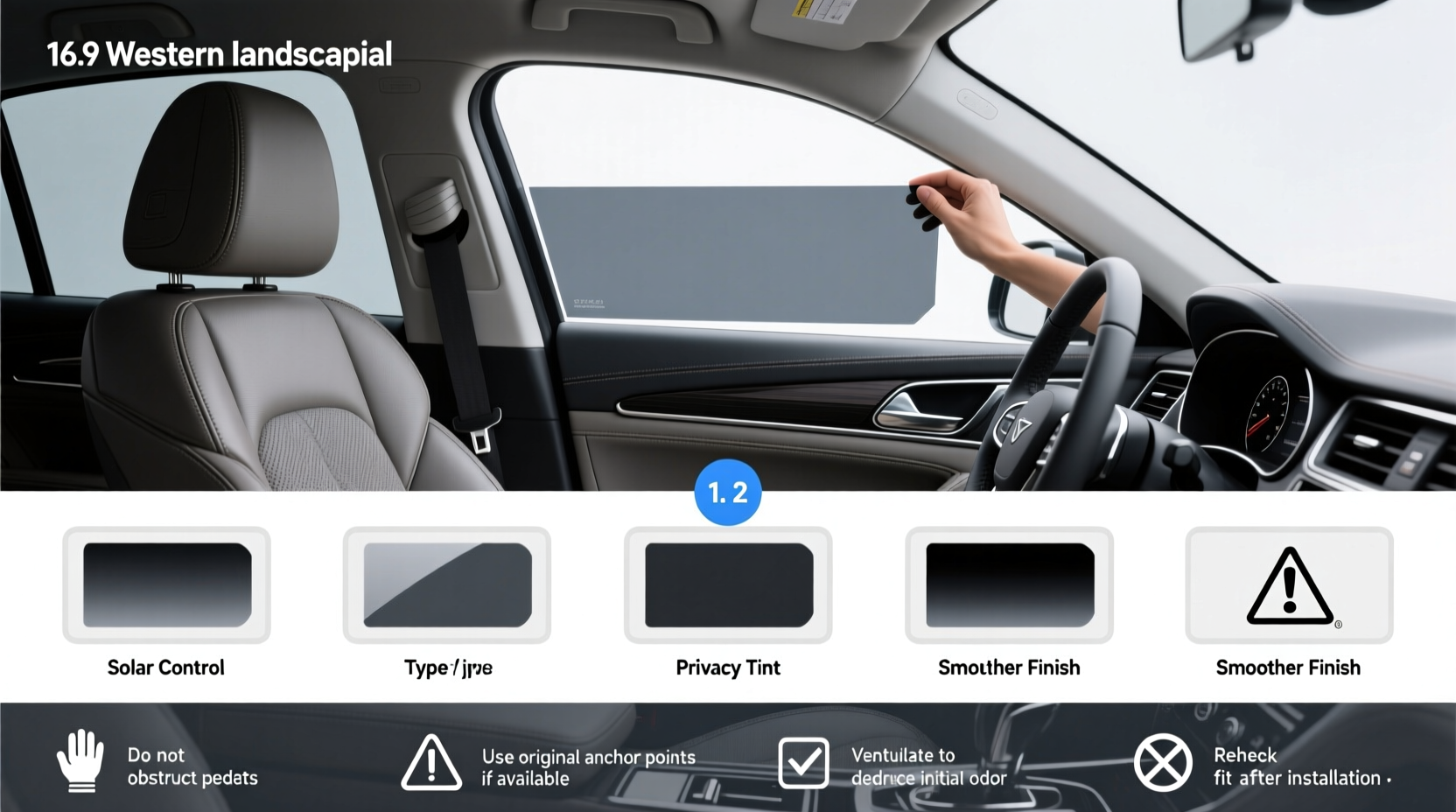
🛒 Short Introduction: How to Choose Different Type of Tints
When deciding how to choose different type of tints, start by identifying your primary use case—automotive windows, residential glass, or commercial buildings. The right tint balances heat reduction, UV protection, visibility, and legal compliance. For drivers, ceramic tints offer superior glare reduction and signal clarity 1. Homeowners may prefer dyed or metalized films for cost-effective sun control. Always check local laws before purchasing, as illegal tint levels can lead to fines. What to look for in different type of tints includes Visible Light Transmission (VLT), UV rejection rate, durability, and warranty length. Avoid cheap, non-certified films that bubble or fade within months.
Key Takeaway: If you need high performance without signal interference (e.g., for GPS or toll tags), go for ceramic. For budget-friendly sun shading on home windows, dyed films work well. Never install tints darker than legally allowed in your area.
📍 About Different Type of Tints
Different type of tints refer to thin laminated films applied to glass surfaces to modify light transmission, heat absorption, and privacy. These are commonly used on car windows, home windows, office buildings, and retail spaces. Tints help reduce solar heat gain, protect interiors from UV damage, enhance visual comfort, and improve aesthetic appeal.
In automotive contexts, window tints are regulated by state or national laws based on VLT percentage—the amount of visible light allowed through the glass. Residential and commercial installations focus more on energy efficiency and glare control. While some tints are purely cosmetic, others serve functional roles like reducing cooling costs or protecting artwork from fading.
📈 Why Different Type of Tints is Gaining Popularity
As global temperatures rise and energy costs increase, consumers are turning to solar control solutions. Tints offer a low-cost alternative to replacing windows or installing heavy blinds. In vehicles, demand grows due to enhanced comfort during hot weather and increased privacy in urban environments.
Advancements in nanotechnology have led to clearer, more durable tints that don’t interfere with electronic signals—a common issue with older metallic films. Additionally, rising awareness about skin cancer has driven interest in UV-blocking tints, especially in sunny regions 2.
🔧 Types and Variants
Understanding the different type of tints helps match performance to needs. Here’s a breakdown of major categories:
✅ Dyed Film
A basic, affordable option where a layer of dye absorbs sunlight.
- ✔️ Low cost
- ✔️ Reduces glare
- ✘ Fades over time
- ✘ Limited heat rejection
- ✘ May bubble under prolonged exposure
✅ Metalized Film
Microscopic metallic particles reflect heat and UV rays.
- ✔️ Better heat rejection than dyed
- ✔️ Durable and scratch-resistant
- ✘ Can interfere with radio, GPS, or cell signals
- ✘ Reflective appearance may not suit all aesthetics
✅ Hybrid Film
Combines dye and metal layers for balanced performance.
- ✔️ Improved heat rejection vs. dyed-only
- ✔️ Less reflective than full metalized
- ✘ Still minor signal interference possible
- ✘ Mid-tier lifespan
✅ Carbon/Ceramic Hybrid
Uses carbon particles to absorb heat without metals.
- ✔️ No signal interference
- ✔️ Good heat rejection
- ✘ Higher price point
- ✘ Not as effective as pure ceramic
✅ Ceramic Film
Advanced nano-ceramic particles block heat and UV without conductivity.
- ✔️ Highest heat and UV rejection
- ✔️ Zero signal interference
- ✔️ Longest lifespan (10+ years)
- ✘ Most expensive option
- ✘ Requires professional installation
⚙️ Key Features and Specifications to Evaluate
To make an informed decision when choosing different type of tints, evaluate these technical parameters:
- Visible Light Transmission (VLT): Percentage of light passing through. Lower VLT = darker tint. Legal limits vary by region and window position (e.g., front vs. rear car windows).
- UV Rejection Rate: Look for ≥99% to protect skin and interiors.
- Solar Energy Rejection (TSER): Measures total solar heat blocked. Aim for 40–70%, depending on climate.
- Infrared (IR) Rejection: Specifically blocks heat-causing IR rays. Critical for comfort in hot climates.
- Glare Reduction: Especially important for driving safety and screen visibility indoors.
- Warranty: Reputable brands offer 5–10 year warranties against bubbling, peeling, or discoloration.
- Clarity and Color Stability: High-quality tints maintain color and transparency over time.
📊 Pros and Cons
Each tint type suits specific scenarios. Consider these trade-offs:
Best For:
• Ceramic: Hot climates, luxury vehicles, tech-heavy drivers
• Dyed: Budget-conscious homeowners, temporary setups
• Metalized: Commercial buildings needing reflectivity
• Hybrid: Balanced performance for moderate climates
Not Recommended When:
• You rely heavily on GPS, toll transponders, or mobile signals (avoid metalized)
• Local regulations restrict dark tints (check VLT limits first)
• You expect long-term performance on a tight budget (dyed may disappoint)
📋 How to Choose Different Type of Tints
Follow this step-by-step guide to avoid common pitfalls:
- Define Your Use Case: Is it for a car, house, or office? Each has different requirements.
- Check Legal Limits: Research local tint laws. For cars, front side windows often require >70% VLT.
- Assess Climate Needs: Hotter areas benefit from higher TSER and IR rejection.
- Prioritize Features: Decide if signal clarity, heat reduction, or cost matters most.
- Compare Warranties: Longer coverage indicates manufacturer confidence.
- Verify Installer Credentials: Poor application causes bubbles and peeling—even with premium films.
❗ Red Flags to Avoid:
• Claims of \"5% VLT nationwide legal\" — laws vary too much
• No published TSER or UV specs
• Cheap online kits with no brand traceability
• Installers who won’t show sample swatches or certifications
💰 Price & Market Insights
Pricing varies widely based on type, size, and labor:
- Dyed: $50–$150 for full car tint; $2–$5 per sq ft for homes
- Metalized: $100–$250 (car); $4–$8 per sq ft
- Hybrid: $150–$300 (car); $6–$10 per sq ft
- Ceramic: $400–$800+ (car); $10–$20 per sq ft
Professional installation adds 30–50% to material costs. While ceramic is expensive upfront, its longevity often justifies the investment. Bargain films may save money initially but typically degrade within 2–3 years.
Note: Prices may vary significantly by region and retailer. Always request itemized quotes.
📦 Top-seller & Competitive Analysis
Popular models across segments include 3M Crystalline, LLumar AIR80, and Solar Gard HP. Below is a comparison of top-performing tints:
| Product | Type | VLT (%) | TSER (%) | UV Rejection | Signal Safe | Warranty |
|---|---|---|---|---|---|---|
| 3M Crystalline 70 | Ceramic | 70 | 56 | 99% | ✅ | 10 years |
| LLumar AIR80 | Ceramic | 80 | 44 | 99% | ✅ | Lifetime |
| Solar Gard HP 40 | Hybrid | 40 | 54 | 99% | ⚠️ Slight risk | 5 years |
| Hexis HX-Color | Dyed | 35 | 38 | 98% | ✅ | 3 years |
While 3M and LLumar dominate the premium market, regional brands may offer competitive pricing. Always verify authenticity—counterfeit films are common online.
👥 Customer Feedback Synthesis
Analysis of verified buyer reviews reveals consistent patterns:
- Frequent Praise:
• Ceramic users report noticeable cabin cooling and no GPS issues
• Easy-to-clean surfaces post-installation
• Professional installers receive high marks for clean edges and minimal dust - Common Complaints:
• Dyed films fading after 1–2 summers
• Metallic tints disrupting Bluetooth or phone signals
• Bubbles appearing within months due to poor adhesion
• Mismatch between advertised and actual darkness (especially online purchases)
Customer satisfaction strongly correlates with proper installation and realistic expectations.
🔗 Sourcing & Supplier Tips
Where you buy matters as much as what you buy:
- Authorized Dealers: Ensure access to genuine products and transferable warranties.
- Online Retailers: Stick to platforms with return policies and verified seller badges (e.g., Amazon, official brand sites).
- Bulk Purchases: Contractors or property managers can negotiate discounts with distributors, but confirm film authenticity via batch numbers.
- Verification Steps:
• Ask for product data sheets
• Check holographic labels on packaging
• Confirm installer certification (e.g., 3M Preferred Dealer)
For resale or installation services, consider partnering with established brands for training and marketing support.
🧼 Maintenance, Safety & Legal Considerations
Proper care extends tint life:
- Cleaning: Use ammonia-free solutions and soft cloths. Avoid abrasive pads.
- Durability: Most films last 5–10 years with proper maintenance.
- Safety: Tints should not impair driver vision at night. Test visibility before driving after installation.
- Legal Compliance: Laws differ by jurisdiction. For vehicles, front windshield and driver-side window limits are strictest. Always verify current regulations with your local DMV or transport authority.
- Building Codes: Some commercial zones restrict reflective tints to prevent light pollution.
If unsure, consult a certified installer or review municipal codes online.
✨ Conclusion
If you need maximum heat rejection and signal clarity in a vehicle, choose ceramic tints despite the higher cost.
If you're improving home comfort on a budget, dyed or hybrid films provide decent value.
If you operate in a regulated environment, always confirm VLT legality before purchase.
Never skip professional installation for critical applications—poor fit reduces performance and lifespan.
❓ FAQs
Can I install window tints myself?
Yes, for simple flat surfaces like home windows. However, curved auto glass requires skill to avoid bubbles. DIY kits are available, but results vary.
Do ceramic tints really block heat better?
Yes. Independent tests show ceramic films reject up to 60% of solar energy, outperforming dyed and metalized options without affecting electronic signals.
How do I check if my tint is legal?
Refer to your state or country’s transportation website. Use a handheld VLT meter (available online) to measure installed tint darkness accurately.
Will tinting my home windows reduce energy bills?
Potentially. By blocking solar heat gain, tints can reduce air conditioning load. Savings depend on climate, window orientation, and existing insulation.
Can tints be removed later?
Yes. Most films can be peeled off with heat and a blade. Residue can be cleaned with soapy water. Professional removal ensures no glass damage.




 浙公网安备
33010002000092号
 浙B2-20120091-4