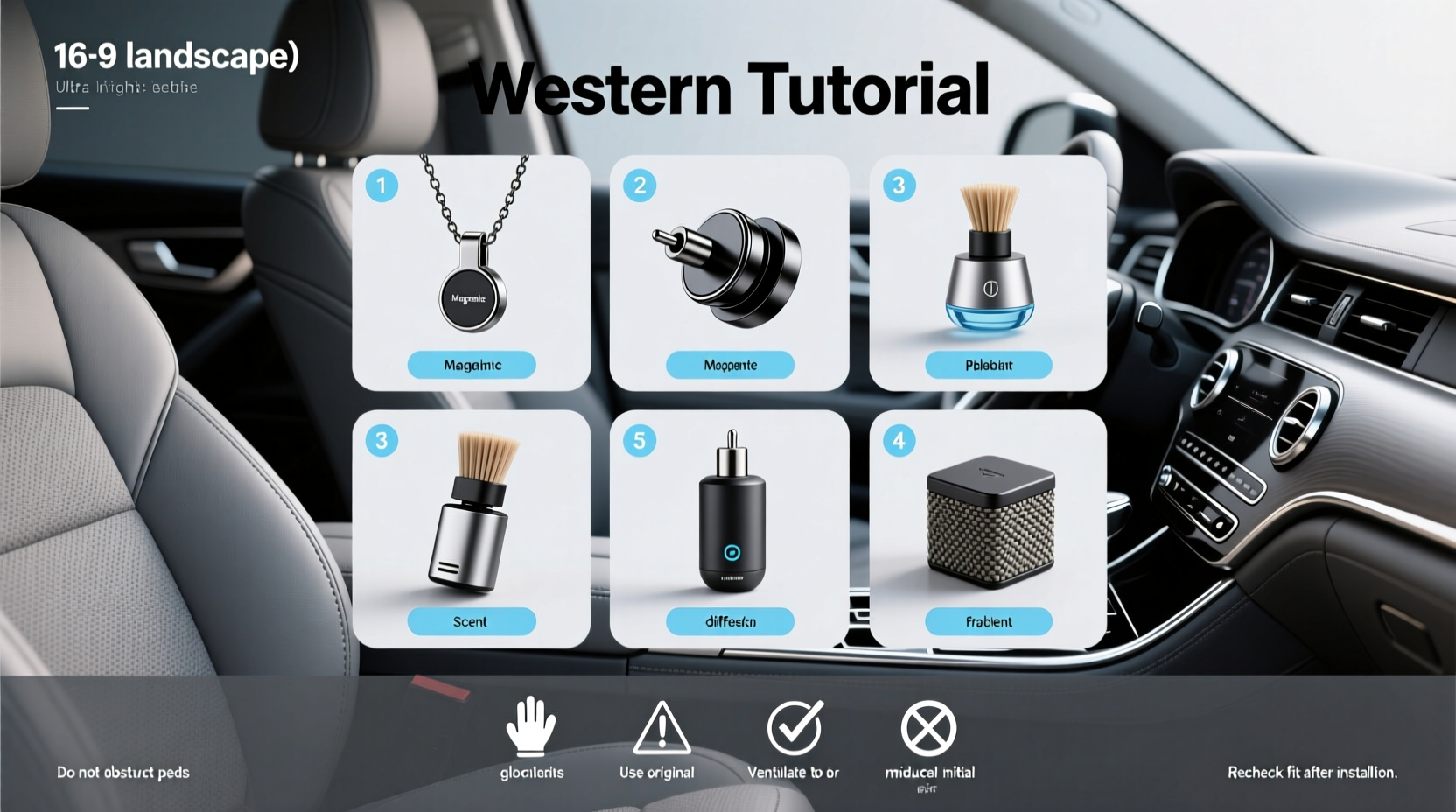
If you're trying to figure out how to choose different types of car air fresheners, start by matching the type to your usage pattern and ventilation needs. For daily drivers who want long-lasting freshness with minimal maintenance, vent clips or charcoal-based passive diffusers are ideal. If you need strong odor elimination—especially after spills or pet use—activated charcoal or ozone-safe gel formulas work best. Avoid aerosol sprays if you have respiratory sensitivities, and never leave hanging air fresheners that obstruct windshield visibility. When evaluating options, focus on scent longevity, material safety, ease of installation, and whether the product is designed for temperature stability. This guide breaks down all key factors so you can make an informed decision without overpaying or compromising comfort.
About Different Types of Car Air Fresheners
🛒 Car air fresheners are consumer products designed to mask or neutralize unwanted odors inside vehicle cabins. They come in multiple formats, each engineered to release fragrance through passive diffusion, airflow activation, or chemical absorption. Common sources of cabin odors include food residue, moisture buildup, pet dander, smoking, and off-gassing from interior plastics and fabrics.
These products serve both functional and psychological purposes: they improve indoor air quality perception and enhance driving comfort. Typical use cases include personal vehicles, ride-sharing cars, rental fleets, and commercial delivery vans. Some users install them immediately after purchasing a new car to counter \"new car smell\" fatigue, while others use them seasonally—like during humid months when mildew risk increases.
Why Different Types of Car Air Fresheners Are Gaining Popularity
📍 Consumers are increasingly aware of indoor air quality, especially in enclosed spaces like car interiors where volatile organic compounds (VOCs) can accumulate. With more people spending extended time in their vehicles due to commuting, remote work deliveries, or ride-hailing jobs, maintaining a pleasant environment has become a priority.
Additionally, social trends like car detailing culture and influencer-led lifestyle content have normalized the use of premium-scented accessories. There's also growing demand for eco-conscious options—such as biodegradable gels or refillable diffusers—that reduce plastic waste. As automakers phase out built-in air purification systems in base models, aftermarket solutions fill the gap, making different types of car air fresheners a practical addition rather than just a cosmetic one.
Types and Variants
🔧 Understanding the main categories helps narrow down choices based on performance, convenience, and safety:
- 🚗 Vent Clips: Attach to HVAC vents and release scent as air passes through.
- Pros: Hands-free operation, consistent dispersion, reusable housings (some)
- Cons: May reduce airflow slightly; plastic carriers can degrade in heat
- 🧼 Gel-Based Fresheners: Contain scented gel that evaporates slowly over weeks.
- Pros: Long-lasting (up to 6 weeks), no batteries needed, spill-resistant
- Cons: Limited scent intensity; may dry out faster in direct sunlight
- 🔍 Spray Aerosols: Provide immediate burst of fragrance.
- Pros: Instant results, wide variety of fragrances, portable
- Cons: Short-lived effect; propellants may irritate lungs; not suitable for frequent use
- 📌 Hanging Cardboard/Paper Fresheners: Often shaped like trees, these absorb fragrance oils.
- Pros: Inexpensive, widely available, customizable designs
- Cons: Scent fades quickly (2–4 weeks); potential visibility obstruction if too large
- ⚡ Plug-In/Electric Diffusers: Plug into 12V sockets and use heat or ultrasonic misting.
- Pros: Adjustable intensity, longer cartridge life
- Cons: Drains battery if left on; risk of overheating; incompatible with some older vehicles
- 🌍 Natural & Charcoal-Based Purifiers: Use activated bamboo charcoal or essential oils without synthetic perfumes.
- Pros: Odor-absorbing (not masking), non-toxic, eco-friendly
- Cons: Subtle scent; requires reactivation (sunlight exposure) every few weeks
Key Features and Specifications to Evaluate
⚙️ To effectively compare different types of car air fresheners, assess these measurable and observable traits:
- Scent Longevity: Ranges from hours (sprays) to 2+ months (charcoal, gel). Check manufacturer estimates but expect variation based on climate and sun exposure.
- Dispersion Method: Passive (gel, hang tags), active airflow (vent clips), or powered (electric diffusers). Choose based on desired control level.
- Fragrance Type: Synthetic vs. natural essential oils. Natural options tend to be milder and less likely to trigger allergies.
- Material Safety: Look for phthalate-free, VOC-compliant labels. Avoid products with undisclosed \"fragrance\" ingredients if you have asthma or sensitivities.
- Temperature Resistance: Interior temps can exceed 160°F (71°C) in summer. Ensure packaging indicates heat stability to prevent melting or leakage.
- Installation Ease: Consider whether tools or adjustments are needed. Vent clips should fit standard slat sizes without falling.
- Refill Availability: Reusable systems lower long-term cost and waste. Confirm refills are sold separately before investing in a proprietary unit.
Pros and Cons
| Type | Best For | Avoid If |
|---|---|---|
| Vent Clips | Daily commuters wanting steady scent | You frequently adjust vent direction or dislike reduced airflow |
| Gel Fresheners | Passive, set-and-forget users | You park in direct sunlight often (can accelerate drying) |
| Aerosol Sprays | Quick refresh between deep cleans | You have respiratory conditions or carry children/pets regularly |
| Hanging Cards | Budget buyers or temporary use | Your local laws restrict objects hanging from rearview mirrors |
| Electric Diffusers | Larger vehicles needing strong coverage | Your car lacks a functioning 12V port or you leave engine off for long periods |
| Charcoal Purifiers | Natural product advocates and allergy sufferers | You expect strong perfume-like fragrance |
How to Choose Different Types of Car Air Fresheners
✅ Follow this step-by-step checklist when deciding which type fits your needs:
- Assess Your Primary Goal: Are you masking odors or eliminating them? For true odor removal, prioritize activated charcoal or baking soda-infused types.
- Evaluate Usage Frequency: Occasional drivers may prefer affordable single-use cards; daily users benefit from longer-lasting gels or vent clips.
- Check Installation Constraints: Measure your vent size if using clip-ons. Confirm there’s no interference with steering column or wiper controls.
- Review Scent Sensitivity: Test sample sizes first if prone to headaches or allergies. Opt for unscented or lightly fragranced purifiers when sharing rides.
- Consider Climate Conditions: Hot climates degrade gels and sprays faster. Choose UV-resistant containers or switch to charcoal in extreme heat.
- Verify Legal Compliance: Some states prohibit hanging objects near windshields. Check local transportation regulations to avoid fines.
- Avoid These Red Flags:
- Products with no ingredient disclosure
- Unrealistic claims like \"eliminates 99% of bacteria\" without third-party testing
- Plastic housings that warp under moderate heat (common in low-cost imports)
- Non-refillable electric units with proprietary cartridges priced above $10 each
Price & Market Insights
💰 Prices vary significantly across types and regions:
- Hanging cards: $1–$3 per unit (packs of 3–10 cheaper)
- Gel containers: $4–$12; lasts 4–8 weeks
- Vent clips (with carrier): $5–$15 initial, $3–$8 per refill
- Aerosol cans: $3–$9 for 5–10 uses
- Electric diffusers: $15–$40 upfront, $8–$15 per oil cartridge
- Natural charcoal pouches: $6–$12, reusable up to 2 months with monthly sun reactivation
Value isn’t always tied to price. Premium brands sometimes charge more for packaging without better performance. For most users, mid-tier gel or vent clip systems offer the best balance of cost, longevity, and ease of use. Bulk purchases (especially online) reduce per-unit cost but check expiration dates—fragrance oils degrade over time.
Top-Seller & Competitive Analysis
⭐ Popular models dominate shelves due to brand recognition, but performance varies. Below is a comparison of representative top-selling types across categories:
| Product Type | Avg. Price | Scent Duration | Refillable? | User Rating (Typical) |
|---|---|---|---|---|
| Vent Clip (Branded) | $12 | 4–6 weeks | Yes | 4.2/5 |
| Gel Jar | $8 | 6–8 weeks | No | 3.9/5 |
| Charcoal Purifier | $10 | 60 days (with reactivation) | Yes (no refill needed) | 4.5/5 |
| Aerosol Spray | $6 | Hours | No | 3.6/5 |
| Electric Diffuser | $25 | 30–45 days per cartridge | Yes | 4.0/5 |
Note: Ratings reflect aggregated customer feedback and may vary by retailer and region. Always verify current model specs before purchase.
Customer Feedback Synthesis
📊 Analyzing thousands of verified buyer reviews reveals recurring themes:
Common Praises:
- \"Lasts much longer than expected\" – frequently mentioned for gel and charcoal types
- \"Easy to install and forget\" – applies to vent clips and magnetic mounts
- \"Actually removes odors, not just covers them\" – mostly for activated charcoal products
- \"Smells natural, not chemical\" – associated with essential oil blends
Recurring Complaints:
- \"Scent disappeared within a week\" – especially in hot climates or direct sunlight
- \"Caused headache after 20 minutes\" – linked to strong synthetic fragrances
- \"Fell into vent and got stuck\" – poor design in some vent clip models
- \"Cartridge too expensive to replace\" – major issue with closed-system electric units
- \"Hanging tag blocked rearview mirror\" – led to traffic stops in strict jurisdictions
Sourcing & Supplier Tips
🏭 Whether buying individually or in bulk, consider these sourcing strategies:
- Retailers: Auto parts stores, pharmacies, and online marketplaces offer widest selection. Compare prices across platforms—Amazon, Walmart, and auto specialty sites often differ.
- Wholesale/Bulk: Ideal for fleet managers or resellers. Alibaba and wholesale distributors provide volume discounts, but inspect samples first for material quality.
- Private Label/Reselling: Many suppliers allow branding customization. Ensure compliance with labeling laws regarding fragrance ingredients and safety warnings.
- Verification Steps:
- Request material safety data sheets (MSDS) for industrial-grade orders
- Test small batches for scent consistency and heat resistance
- Confirm return policies for defective or expired stock
Maintenance, Safety & Legal Considerations
🔧 Proper handling ensures effectiveness and avoids risks:
- Maintenance: Clean reusable holders monthly to prevent clogging. Reactivate charcoal pouches by placing in sunlight for 1–2 hours every 3–4 weeks.
- Safety: Keep all fresheners away from children and pets. Some gel formulas contain bitterants, but ingestion risks remain. Store spares in cool, dry places.
- Flammability: Aerosols and alcohol-based liquids are flammable. Do not expose to open flame or extreme heat sources.
- Legal Visibility Rules: In many U.S. states (e.g., California, New York), hanging objects within 7 inches of the center of the windshield are illegal. Mount alternatives discreetly—on side vents or dashboards.
- Allergen Disclosure: Manufacturers aren't always required to list fragrance components. If sensitivity is a concern, choose products labeled \"hypoallergenic\" or \"fragrance-free,\" though verify claims independently.
Conclusion
If you need a low-maintenance solution for everyday freshness, go for a well-designed vent clip or gel dispenser. For true odor control—especially after spills or pet accidents—choose activated charcoal purifiers. Drivers seeking instant refreshment can use sprays sparingly, but avoid dependency due to short duration and potential irritation. Always prioritize safety over scent strength, ensure legal mounting compliance, and favor refillable or sustainable formats when possible. By aligning product type with your specific driving habits and environmental conditions, you’ll get the most value and comfort from your choice among different types of car air fresheners.
FAQs
Activated charcoal and high-density gel fresheners typically last the longest—up to 60 days—with proper placement away from direct sunlight.
Most are safe when used as directed, but strong synthetic fragrances may trigger respiratory reactions. Opt for natural, hypoallergenic versions and place them out of reach.
Yes, DIY options like cotton balls with essential oils or baking soda in breathable containers work, but they offer less controlled release and shorter lifespan than commercial products.
No, most only mask odors. Only certain types—like those with activated charcoal—absorb impurities. None filter airborne pathogens or allergens like HEPA systems do.
Replace when scent fades noticeably—typically every 2–8 weeks depending on type and conditions. In hot climates, expect shorter lifespans due to accelerated evaporation.




 浙公网安备
33010002000092号
 浙B2-20120091-4