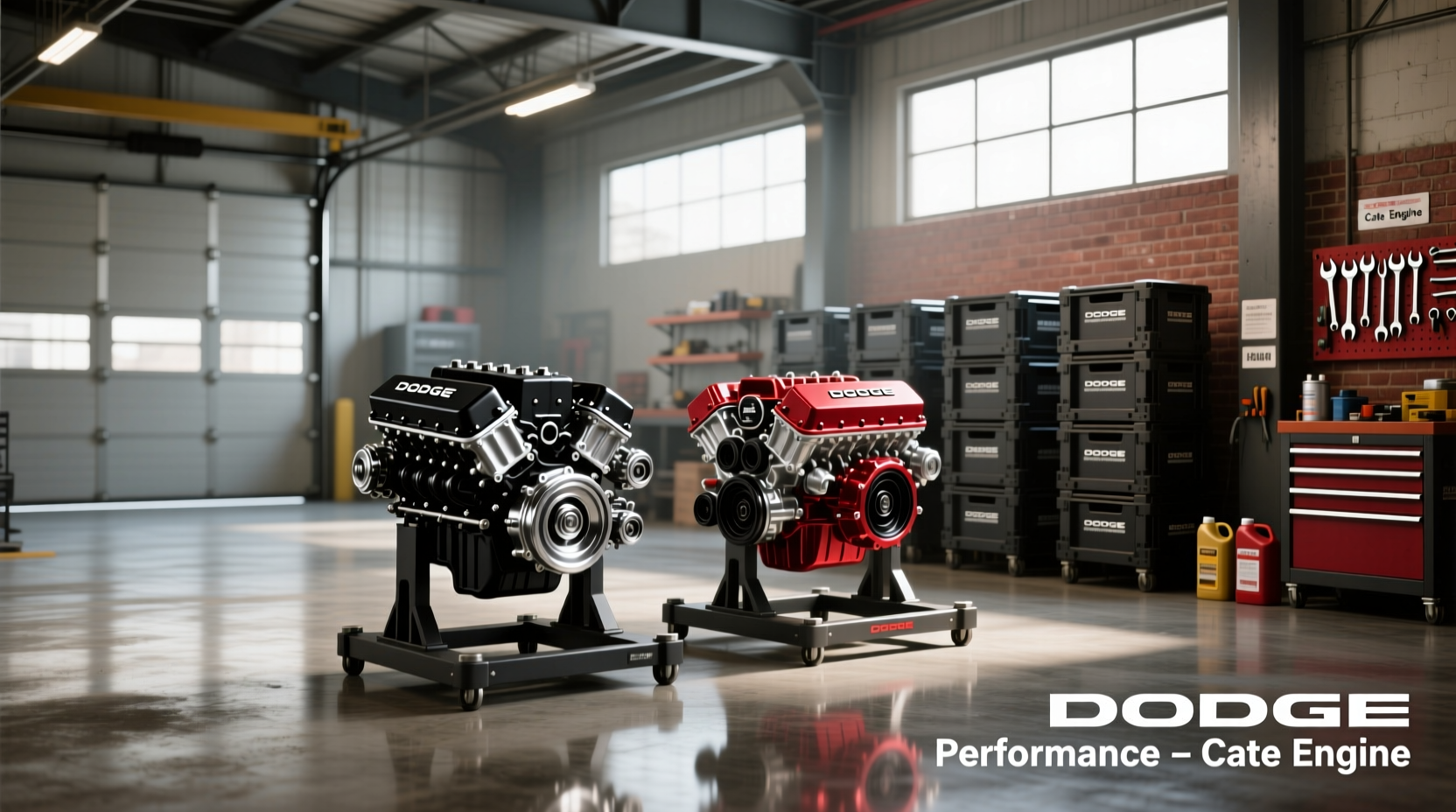
When choosing Dodge crate engines for sale, prioritize engine compatibility with your vehicle’s year, make, and model, verify emissions compliance for your region, and assess whether you need a turnkey solution or a customizable short block. Key factors include horsepower rating, warranty terms, fuel type (gasoline vs. electric), and integration with modern engine management systems. Avoid engines without dyno-test certification or clear documentation—these can lead to installation issues or unexpected performance gaps.
About Dodge Crate Engines for Sale
A crate engine refers to a fully assembled, factory-tested internal combustion engine shipped in a crate, ready for installation. In the context of Dodge crate engines for sale, these are typically high-performance V8 and V6 powerplants derived from Chrysler’s HEMI, Magnum, or LA engine families. They are designed for applications ranging from muscle car restorations to off-road builds and racing platforms 1.
Common use cases include replacing worn-out engines in classic Mopar vehicles like the Dodge Charger, Challenger, or Durango, upgrading stock trucks for towing capacity, or building custom hot rods from scratch. Unlike rebuilt engines, crate engines offer consistent quality, come with manufacturer warranties, and often include supporting components such as intake manifolds, carburetors or fuel injection systems, and distributor assemblies.
Why Dodge Crate Engines Are Gaining Popularity
The demand for Dodge crate engines for sale has grown steadily due to several interrelated trends. First, there is a resurgence in classic American muscle car restoration, particularly among enthusiasts in North America and Europe who seek OEM-compatible yet more reliable replacements than original engines 2. Second, performance upgrades remain a core motivation—many buyers want increased horsepower and torque without extensive fabrication work.
Additionally, Dodge’s reputation for durable, powerful HEMI engines makes their crate variants highly desirable. The availability of emission-compliant models allows legal registration in regions with strict environmental regulations, broadening market access. Finally, commercial users—including repair shops and fleet operators—view crate engines as cost-efficient alternatives to full vehicle replacement or complex rebuilds 3.
Types and Variants of Dodge Crate Engines
Dodge offers multiple crate engine configurations tailored to different performance levels and applications. Understanding these types helps align your purchase with project goals.
🛒 Small-Block V8 (Magnum & LA Series)
- Examples: 318 Magnum, 360 Magnum
- Horsepower Range: 270–400 hp
- Pros: Compact size, wide aftermarket support, affordable pricing, easy fitment in older Mopars
- Cons: Lower displacement limits ultimate power potential compared to big-blocks
✨ Big-Block V8 (440 Six-Pack, 426 HEMI)
- Examples: Mopar Stage III 440, Aluminum HEMI Crate Engine
- Horsepower Range: 450–600+ hp
- Pros: High torque output, ideal for drag racing or heavy-duty trucks, iconic status
- Cons: Higher cost, greater weight, may require chassis modifications
⚡ Fuel-Injected Performance Engines (Modern HEMI)
- Examples: 5.7L HEMI, 6.1L HEMI, Hellcrate (6.2L Supercharged)
- Horsepower Range: 350–1000+ hp (Hellcrate Redeye up to 807 hp)
- Pros: OEM electronics integration, drive-by-wire compatibility, emissions-certified options available
- Cons: Complex wiring harness requirements, higher price point
🔋 Electric Conversion Kits (Emerging Segment)
- Note: While not traditional internal combustion engines, Dodge-branded EV conversion kits are entering development pipelines.
- Pros: Zero emissions, low maintenance, smooth power delivery
- Cons: Limited availability, high upfront battery costs, regulatory uncertainty in some states
✅ Pros of Choosing Dodge Crate Engines
- Predictable performance with dyno-certified outputs
- OEM-level reliability and factory-backed warranties
- Wide compatibility across Mopar platforms
- Available in both carbureted and fuel-injected formats
- Support for emission-regulated markets via certified models
❗ Cons & Limitations
- Premium pricing for high-output models (e.g., Hellcrate)
- May require additional components (ECU, harness) not included
- Weight and space constraints in non-Dodge vehicles
- Limited diesel or inline-four options compared to other brands
- Potential import restrictions outside North America
Key Features and Specifications to Evaluate
To make an informed decision when selecting Dodge crate engines for sale, evaluate the following technical and practical criteria:
🔧 Horsepower and Torque Ratings
Check the advertised net horsepower and torque curves. Look for SAE-certified dyno test results rather than estimated figures. Higher torque improves low-end responsiveness, crucial for trucks and street-driven vehicles.
⚙️ Engine Configuration
Determine if you need a long-block (includes block, crank, pistons, heads) or a complete turnkey engine (with intake, distributor, accessories). Turnkey units reduce labor time but increase cost.
🌐 Emissions Compliance
If registering the vehicle on public roads, ensure the engine meets EPA or CARB standards where applicable. Some crate engines carry Executive Order (EO) numbers allowing legal use in California 4.
📈 Warranty and Support
Mopar typically offers 12- to 24-month warranties on crate engines. Confirm coverage details—some exclude damage from improper break-in procedures or tuning errors.
🔌 Electronics Integration
Modern fuel-injected engines require compatible ECUs, wiring harnesses, and calibration tools. Verify whether these are sold separately or bundled.
How to Choose Dodge Crate Engines for Sale
Follow this step-by-step guide to avoid common pitfalls and select the right engine for your needs:
- Define Your Use Case: Is it for daily driving, track use, towing, or show restoration? Match engine output accordingly.
- Confirm Vehicle Compatibility: Check bellhousing pattern, motor mount locations, oil pan clearance, and transmission pairing.
- Select Based on Build Level: Decide between economy rebuilds, performance street engines, or race-spec packages.
- Verify Emissions Requirements: Consult local DMV or transportation authority rules before purchasing.
- Review Included Components: Does it come with water pump, alternator, starter? Or will you need to source them?
- Check Return Policy & Shipping Terms: Crate engines are heavy and expensive to return. Ensure freight insurance is included.
🚩 Red Flags to Avoid
- No dyno sheet provided
- Vague or missing part numbers
- Seller refuses to disclose manufacturing date or origin
- Pricing significantly below market average (possible counterfeit or salvage core)
- Lack of technical support contact information
Price & Market Insights
Pricing for Dodge crate engines for sale varies widely based on configuration and performance level:
- Entry-Level (318/360 Magnum): $3,000–$5,000
- Mid-Range (5.7L HEMI): $7,000–$10,000
- High-Performance (6.1L/6.2L HEMI): $12,000–$20,000
- Supercharged (Hellcrate): $25,000+
Prices may vary by region and dealer markup. Commercial buyers should inquire about bulk discounts through authorized distributors. Consider total installed cost—not just the engine price, but also ancillary parts and labor.
Top-Seller & Competitive Analysis
Below is a comparison of popular Dodge crate engine models currently available:
| Model | Horsepower | Configuration | Emissions Compliant | Approx. Price |
|---|---|---|---|---|
| 360 Magnum Crate Engine | 300 hp | Long Block | No | $3,800 |
| 5.7L HEMI Crate Engine | 350 hp | Complete | Yes (CARB EO# D-720) | $9,200 |
| Hellcrate 6.2L Supercharged | 807 hp | Turnkey | No | $27,500 |
| Aluminum 426 HEMI | 525 hp | Short Block | No | $18,000 |
Customer Feedback Synthesis
Based on aggregated buyer reviews and forum discussions, here are recurring themes:
👍 Frequent Praises
- "Engine started on first try—excellent build quality"
- "Perfect fit in my 1970 Challenger restoration"
- "Dyno sheet matched actual performance"
- "Factory packaging prevented shipping damage"
👎 Common Complaints
- "Wiring harness not included despite listing suggesting otherwise"
- "No instructions for break-in procedure"
- "Long wait times during peak seasons (spring/summer)"
- "High shipping fees due to weight (over 500 lbs)"
Sourcing & Supplier Tips
You can purchase Dodge crate engines for sale through:
- Authorized Mopar dealerships
- Certified performance parts distributors (e.g., Jegs, Summit Racing)
- Direct from FCA US LLC Mopar division
- Reputable online marketplaces (eBay Motors, RockAuto—with caution)
For bulk purchases (e.g., repair garages), contact regional sales reps for volume pricing. Always request a bill of lading and inspect the engine upon delivery for transit damage. Verify serial number against manufacturer database if possible.
Maintenance, Safety & Legal Considerations
All new crate engines require proper break-in procedures—typically 500–1,000 miles of varied RPM operation without sustained idle or full throttle. Follow manufacturer guidelines to preserve warranty.
Safety precautions include using engine hoists rated for the weight (often 600+ lbs), securing the vehicle on jack stands, and disconnecting batteries during installation.
Legally, engine swaps may affect vehicle registration. In the U.S., many states require the new engine to be the same age or newer than the vehicle, and some mandate smog testing. Always check with your local DMV before completing the swap.
Conclusion
Choosing the right Dodge crate engine for sale depends on your specific application, budget, and compliance needs. If you're restoring a vintage Mopar, a 360 Magnum offers reliability and authenticity. For high-performance builds, the Hellcrate delivers extreme power but at a premium. Daily drivers benefit from emissions-certified HEMI engines with modern fuel injection. Always verify compatibility, review included components, and buy from reputable suppliers to ensure a smooth installation and long-term satisfaction.
FAQs
Can I install a Dodge crate engine in a non-Dodge vehicle?
Yes, but expect adapter kits for mounts, transmissions, and wiring. Compatibility varies by year and chassis; research donor-specific forums for proven swaps.
Do Dodge crate engines come with a warranty?
Most do—typically 12 to 24 months limited warranty covering defects in materials and workmanship. Exclusions apply for misuse, improper tuning, or incorrect break-in.
Are there electric crate engines compatible with Dodge vehicles?
While Dodge doesn't currently sell branded electric crate motors, third-party kits (like e-Crate from other manufacturers) can be adapted. Ford's Eluminator is commonly used in Mopar conversions 3.
How much does it cost to install a crate engine?
Professional installation ranges from $1,500 to $4,000 depending on complexity. DIY saves money but requires mechanical skill and specialized tools.
What documents should I receive with a crate engine?
You should get a packing slip, engine serial number, part number, dyno test report (if applicable), and warranty information. Keep these for registration and service.




 浙公网安备
33010002000092号
 浙B2-20120091-4