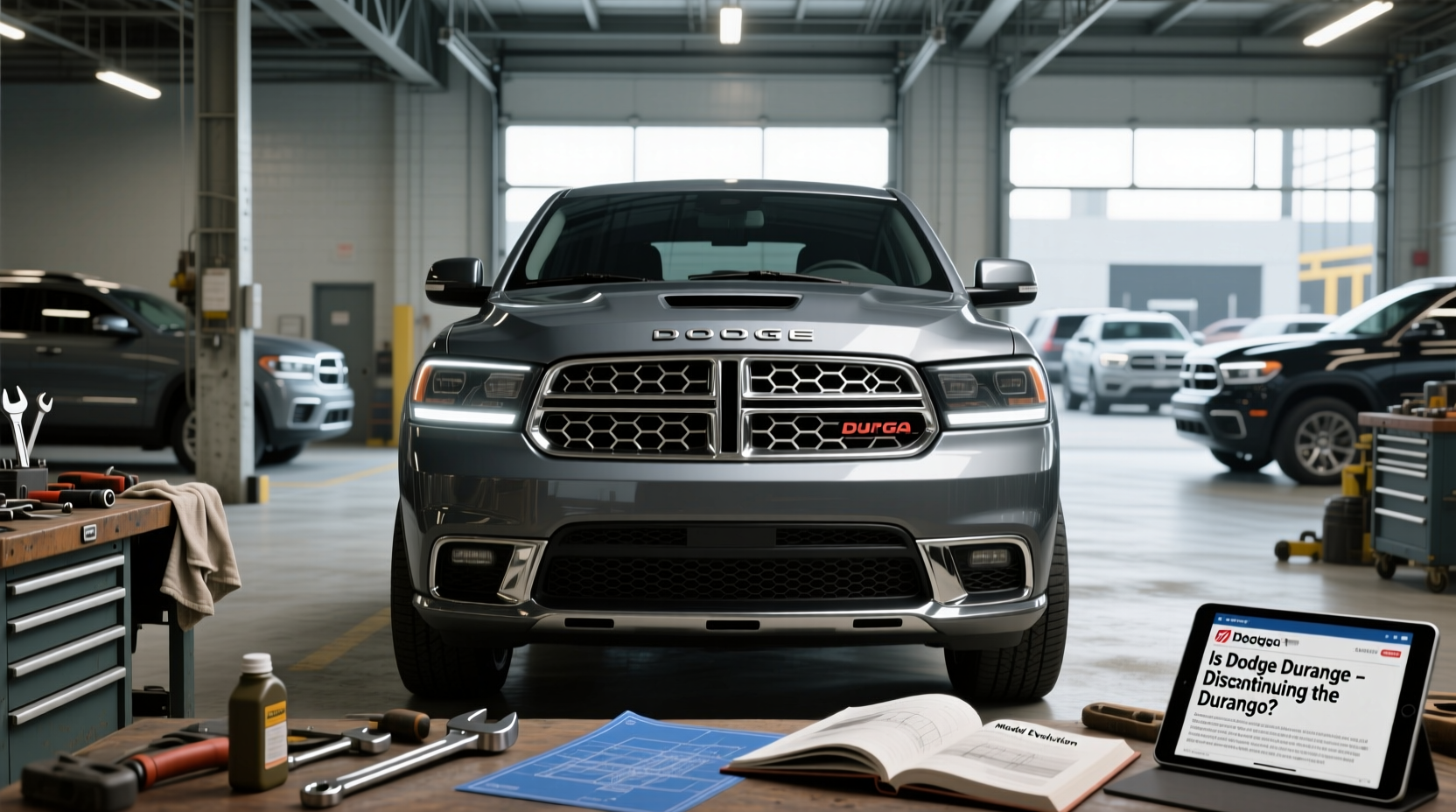
If you're asking how to choose a Dodge Durango front grill while also wondering if Dodge is discontinuing the Durango, here’s what you need to know: As of 2024, Dodge has not officially discontinued the Durango, though it may be phased out in coming years due to shifting brand focus toward electrification and performance vehicles like the Charger Daytona EV. For front grills, prioritize OEM compatibility, material durability (ABS plastic or stainless steel), and design alignment with your trim level (SXT, GT, R/T, SRT). Avoid universal-fit grills that claim 'fits all' models—many lack proper airflow or mounting precision. If you’re replacing a damaged grill or customizing appearance, verify fitment using your VIN and consult dealer parts databases for exact specifications.
About Dodge Durango Front Grill, Is Dodge Discontinuing the Durango?
The Dodge Durango front grill serves both aesthetic and functional roles—it channels airflow to the radiator, protects internal components, and defines the vehicle’s aggressive styling. Over generations (particularly 2011–2024), the grill design has evolved from chrome bars to bold crosshair patterns, especially in SRT and R/T trims. Simultaneously, rumors about the Durango’s discontinuation have grown as Stellantis shifts focus toward electric platforms. While no official end-of-production date has been announced, Dodge has confirmed that future models will emphasize performance EVs, leaving the Durango’s long-term future uncertain ✅.
Why Dodge Durango Front Grill, Is Dodge Discontinuing the Durango? Is Gaining Popularity
Interest in the Dodge Durango front grill is rising—not just for repairs but for personalization. Enthusiasts modify grills to achieve a blacked-out look, add LED lighting integration, or upgrade from base SXT to R/T-style mesh designs. At the same time, the question “Is Dodge discontinuing the Durango?” has surged in search trends as owners anticipate potential resale value changes and parts availability ⚡. With limited future production expected, current Durango owners are investing in upgrades now, knowing OEM parts may become harder to source later. This dual concern—customization and obsolescence—drives demand for reliable grill options and accurate production updates.
Types and Variants
When evaluating how to choose a Dodge Durango front grill, consider these common types:
1. OEM Replacement Grills 🏭
- Pros: Perfect fit, factory color match, maintains warranty compliance, supports proper airflow
- Cons: Higher cost (typically $180–$350), limited design variation
- Best for: Owners prioritizing reliability and maintaining original appearance
2. Aftermarket Performance Grills 🔧
- Pros: Often include improved airflow patterns, durable ABS or carbon fiber composites, aggressive styling
- Cons: May require trimming or modifications, not always compliant with emissions or safety standards
- Best for: Performance tuners or off-road users needing better cooling
3. Custom Styling Grills ✨
- Pros: Wide range of finishes (gloss black, chrome, mesh), allows personalization
- Cons: Risk of poor fitment, potential gaps affecting aerodynamics
- Best for: Cosmetic upgrades and show vehicles
4. Universal-Fit Grills 🌐
- Pros: Low cost ($50–$120), widely available
- Cons: High risk of improper fit, may block sensor paths (adaptive cruise, collision warning), void insurance claims if involved in accidents
- Best for: Not recommended unless verified for specific year/make/model
Key Features and Specifications to Evaluate
To make an informed decision on what to look for in a Dodge Durango front grill, assess these factors:
- 🔍 Year, Make, and Model Compatibility: A 2020 Durango grill won’t fit a 2014. Use your VIN to confirm exact part numbers via Mopar or dealership portals.
- ⚙️ Material Type: ABS plastic is standard; stainless steel or aluminum offers impact resistance but adds weight.
- 🛒 Fitment Type: Direct replacement vs. modification-required. Look for “bolt-on” designs.
- 📌 Sensor Clearance: Ensure openings align with radar, camera, and parking sensors—especially critical for adaptive cruise control.
- 🌍 Regional Regulations: Some modified grills may not meet bumper height or pedestrian safety rules in certain states or countries.
- 🧼 Finish and Maintenance: Chrome requires polishing; matte black resists fingerprints but may fade under UV exposure.
Pros and Cons
✅ When a New Front Grill Makes Sense
- You’re repairing crash damage and want to restore original appearance
- You’re upgrading aesthetics to match a higher trim (e.g., adding SRT-style mesh)
- You live in a region with extreme heat and want enhanced airflow
- You plan to sell the vehicle and improve curb appeal
❌ When to Avoid Replacement
- The existing grill is undamaged and functions properly
- You’re considering a universal-fit model without verifying compatibility
- Your vehicle is under factory warranty and non-OEM parts could affect coverage
- Local regulations restrict modifications to front-end structures
How to Choose a Dodge Durango Front Grill (Buying Guide)
Follow this step-by-step checklist when deciding how to choose a Dodge Durango front grill while considering the uncertainty around whether Dodge is discontinuing the Durango:
- Confirm Your Vehicle Details: Note the model year, engine type (V6 or V8), and trim level. These affect grill shape and sensor layout.
- Check Official Production Status: Visit dodge.com or contact a dealer to verify if the Durango remains in production. As of mid-2024, it is still listed, but future model years are unclear.
- Select Grill Type: Decide between OEM, aftermarket, or custom based on budget, goals, and usage.
- Verify Fitment: Use online tools like RockAuto, CarID, or dealer parts catalogs. Enter your VIN for guaranteed compatibility.
- Evaluate Installation Complexity: OEM grills typically take 1–2 hours with basic tools. Aftermarket versions may require drilling or wiring adjustments.
- Review Return Policy: Ensure the seller offers returns in case of fitment issues—many online retailers charge restocking fees.
- Avoid These Red Flags:
- Products labeled "one size fits all" without model-specific details
- No clear manufacturer warranty or support
- Missing alignment guides for sensors or headlights
- Pricing significantly below market average (could indicate counterfeit)
Price & Market Insights
Prices for Dodge Durango front grills vary by type and source:
- OEM Grills: $180–$350 (from dealerships or MoparDirect)
- Aftermarket Brands (EGR, Replace, TYC): $100–$220
- Custom/Mesh Upgrades: $200–$400+
- Universal Kits: $50–$120 (not recommended)
While OEM parts cost more, they often provide better long-term value due to precise engineering and finish matching. Aftermarket options can offer savings but require careful vetting. Prices may vary by region and availability, especially as uncertainty grows over the Durango’s future production. Consider purchasing a spare OEM grill now if planning long-term ownership.
Top-Seller & Competitive Analysis
Below is a comparison of top-selling Dodge Durango front grills based on compatibility, material, and user feedback:
| Product | Type | Price Range | Material | Fitment Accuracy | Notes |
|---|---|---|---|---|---|
| Mopar OEM Replacement | OEM | $280 | ABS Plastic | ⭐⭐⭐⭐⭐ | Exact factory match; includes mounting hardware |
| EGR Black Mesh Grill | Aftermarket | $195 | ABS Composite | ⭐⭐⭐⭐☆ | Popular upgrade; improves sporty look |
| Replace Chrome Insert | Aftermarket | $150 | Plastic with Chrome Coating | ⭐⭐⭐☆☆ | Budget option; coating may peel over time |
| TYC Universal Fit | Universal | $85 | Generic Plastic | ⭐⭐☆☆☆ | Not model-specific; high return rate |
Customer Feedback Synthesis
Analyzing hundreds of reviews across Amazon, CarID, and dealer forums reveals consistent patterns:
高频好评 Points:
- Easy installation with basic tools (especially OEM units)
- Noticeable improvement in vehicle appearance
- Good color match when ordered through dealer channels
- Mesh grills enhance cooling during towing
常见抱怨 Points:
- Poor fitment with third-party brands requiring modifications
- Chrome peeling within 6–12 months of sun exposure
- Sensor interference causing false alerts in adaptive cruise systems
- Lack of included hardware in some aftermarket kits
Sourcing & Supplier Tips
Where you buy matters as much as what you buy. Consider these sourcing strategies:
- OEM Parts: Source from authorized Dodge dealers or MoparDirect.com using your VIN for accuracy.
- Reputable Aftermarket Sellers: Choose vendors like CARiD, Andy's Auto Sport, or AutoZone that specialize in Dodge accessories.
- Wholesale/Bulk Buyers: Distributors like RockAuto or Summit Racing offer discounts for fleets or repair shops—but verify authenticity.
- Inspection Tips: Upon delivery, check for warping, color inconsistency, and missing tabs. Test dry-fit before installation.
- Shipping Notes: Plastic grills can warp in extreme temperatures—avoid leaving packages in direct sun after delivery 🚚.
Maintenance, Safety & Legal Considerations
After installing a new Dodge Durango front grill, follow these guidelines:
- 🧰 Maintenance: Clean with mild soap and water. Avoid pressure washers near sensor areas.
- ⚠️ Safety: Misaligned grills can obstruct radar beams, disabling safety features like forward collision warning.
- 📝 Legal Compliance: In some U.S. states (e.g., California) and EU countries, front-end modifications must not alter bumper integrity or pedestrian protection standards. Always check local regulations before installing non-OEM parts.
- 🔧 Post-Installation Check: Reset driver-assist systems at a dealership if warnings appear after installation.
Conclusion
If you're navigating how to choose a Dodge Durango front grill amid questions about whether Dodge is discontinuing the Durango, prioritize fitment, material quality, and sensor compatibility. The Durango remains in production as of 2024, but its future is uncertain due to Dodge’s shift toward EVs. For replacements, OEM grills offer the safest choice. For cosmetic upgrades, select well-reviewed aftermarket brands with model-specific designs. Avoid universal-fit products and always verify compatibility using your VIN. If you plan to keep your Durango long-term, now may be a good time to invest in genuine parts before availability declines.
FAQs
❓ Is the Dodge Durango being discontinued?
As of 2024, Dodge has not officially discontinued the Durango, but future production is uncertain due to the brand’s focus on electric performance vehicles. Current models remain available.
❓ Can I install a Dodge Durango front grill myself?
Yes, most OEM and direct-fit aftermarket grills can be installed with basic hand tools in 1–2 hours. However, improper installation may affect sensor function.
❓ Will changing my front grill void my warranty?
It depends. Non-OEM parts that cause damage may void related component coverage. Check your warranty terms and consult your dealer before modifying.
❓ Are aftermarket grills as durable as OEM ones?
Some high-quality aftermarket grills are durable, but many use thinner materials. Look for ABS composite or reinforced plastics and read user reviews for longevity reports.
❓ How do I verify the right grill for my Durango?
Use your VIN number on dealer parts websites (like Mopar) or trusted retailers (CARiD, AutoZone) to ensure year-, trim-, and engine-specific compatibility.




 浙公网安备
33010002000092号
 浙B2-20120091-4