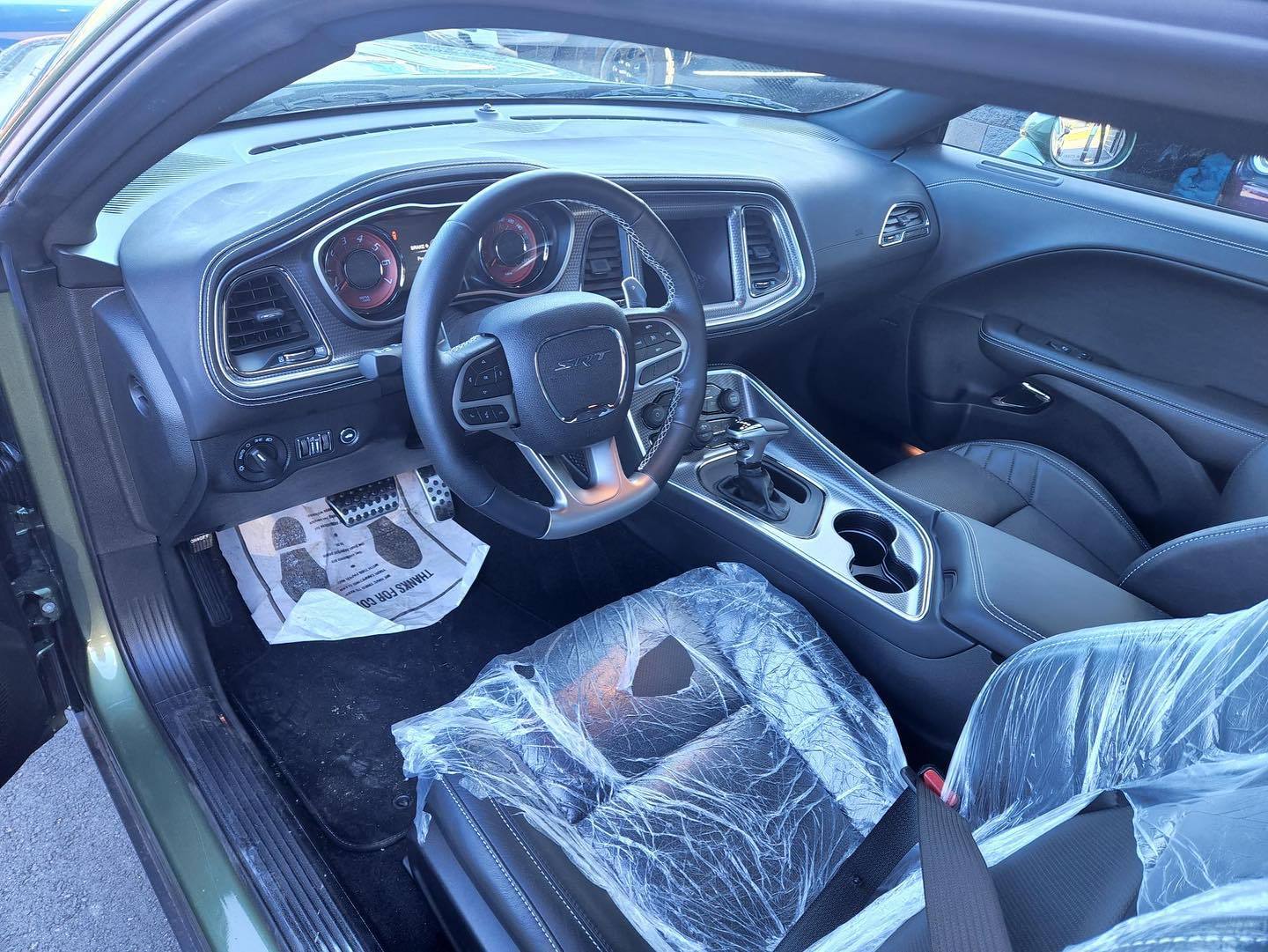
If you're wondering how to choose a Dodge Hellcat, start by determining whether the Charger or Challenger better suits your needs—sedan practicality versus coupe aggression. Both offer the same supercharged 6.2L HEMI SRT Hellcat engine with up to 807 horsepower in the Redeye variants 1. Consider your driving priorities: daily usability, track performance, or drag strip dominance. Trim levels like the standard Hellcat, Hellcat Widebody, and Hellcat Redeye deliver escalating power and handling upgrades. Always verify the vehicle's service history, check for factory warranties, and test drive both automatic transmission variants to ensure the intense power delivery matches your comfort level. For most buyers seeking extreme American muscle without sacrificing street usability, the 2020–2023 Challenger SRT Hellcat Redeye offers the best balance of performance and value.
Short Introduction
The Dodge Hellcat has redefined modern American muscle cars since its debut in 2015. With over 700 horsepower straight from the factory, it appeals to enthusiasts who want track-capable performance combined with everyday drivability. Choosing the right Hellcat model requires understanding the differences between body styles, engine outputs, trim configurations, and long-term ownership costs. This guide will walk you through every critical factor—from identifying what to look for in a Dodge Hellcat to evaluating real-world reliability and resale trends—so you can make an informed decision aligned with your performance goals and budget.
About Dodge Hellcat
The term Dodge Hellcat refers to high-performance versions of the Dodge Challenger and Charger equipped with the supercharged 6.2-liter HEMI V8 engine. First introduced in 2015, the Hellcat badge signifies one of the most powerful production sedans and coupes ever built by an American automaker. These vehicles are designed for drivers seeking extreme acceleration, aggressive styling, and raw exhaust notes that command attention.
Typical use cases include weekend performance driving, drag racing, car shows, and spirited highway cruising. While some owners use their Hellcats as daily drivers, the high fuel consumption (averaging 14 mpg city / 22 mpg highway) and stiff suspension tuning mean they’re less ideal for long commutes or harsh winter climates unless properly maintained 2.
Why Dodge Hellcat Is Gaining Popularity
The enduring popularity of the Dodge Hellcat stems from its rare combination of affordability and extreme performance. Compared to European supercars with similar horsepower figures, the Hellcat delivers more power for significantly less money. The emotional appeal of its thunderous V8 engine, widebody stances, and retro-modern design resonates with both younger enthusiasts and baby boomers nostalgic for classic muscle cars.
Social media and automotive YouTube channels have amplified visibility, showcasing quarter-mile runs, burnouts, and modifications. Additionally, limited production runs—like the 2023 Last Call editions—have increased collector interest and secondary market demand 3. As Dodge transitions toward electrification, many believe these combustion-powered beasts represent the end of an era, further boosting desirability.
Types and Variants
Dodge has released several iterations of the Hellcat engine across two platforms: the Challenger coupe and the Charger sedan. Understanding the differences is essential when deciding which variant fits your lifestyle.
Challenger SRT Hellcat (2015–2023)
- Pros: Iconic fastback design; available in rear-wheel drive only; preferred by purists for its classic muscle car proportions.
- Cons: Less interior space than Charger; tighter rear seating; heavier curb weight affects agility.
Charger SRT Hellcat (2015–2023)
- Pros: Four-door practicality with full backseat access; better for families or daily commuting; slightly improved aerodynamics.
- Cons: Lacks the visual drama of the Challenger; marginally slower due to added weight.
Hellcat vs. Hellcat Widebody
Starting in 2018, Dodge offered a Widebody package on both models, adding fender flares, wider tires (315mm), upgraded suspension, and larger brakes.
- Standard Hellcat: Narrower track; lower purchase price; sufficient grip for street use.
- Widebody: Superior cornering stability; enhanced visual presence; recommended for track use or aggressive driving.
Hellcat vs. Hellcat Redeye
The Redeye (introduced in 2019 for Challenger, 2021 for Charger) increases output to 797 hp (later 807 hp with hardware revisions).
- Standard Hellcat: 707 hp; smoother power delivery; adequate for most drivers.
- Redeye: More aggressive calibration; includes launch control, transbrake, and upgraded cooling; harder on tires and clutch.
Key Features and Specifications to Evaluate
When assessing a Dodge Hellcat, focus on these technical aspects:
- Engine Output: Confirm actual horsepower rating—early models produce 707 hp, while Redeye models reach up to 807 hp depending on year and updates.
- Transmission: All Hellcats come with an 8-speed automatic (TorqueFlite). No manual option exists after 2021. Check for smooth shifting and absence of delayed engagement.
- Tires & Suspension: Look for intact Pirelli performance tires (especially on Widebody models) and inspect suspension bushings for wear if used aggressively.
- Cooling Systems: Redeye models feature additional heat exchangers. Ensure all radiators and intercoolers are leak-free.
- Interior Tech:: Uconnect infotainment system varies by model year—2021+ models offer wireless Apple CarPlay and Android Auto.
- Safety Features: Later models include adaptive cruise control, forward collision warning, and lane departure alerts—but not standard on base trims.
Pros and Cons
Advantages
- Unmatched power-to-price ratio among production cars.
- Strong aftermarket support for tuning and customization.
- Distinctive appearance and exhaust note attract admiration.
- Relatively straightforward mechanical layout compared to European rivals.
Disadvantages
- Fuel economy is poor—expect $100+ fill-ups frequently.
- High insurance premiums, especially for drivers under 30.
- Aggressive throttle response can be challenging in wet conditions.
- Limited availability of certified pre-owned units; many are heavily modified.
How to Choose a Dodge Hellcat
Follow this step-by-step process to select the right Hellcat for your needs:
- Define Your Use Case: Will you drive it daily, occasionally, or primarily for track events? Opt for the Charger if you need passenger space; choose the Challenger for style and purity.
- Select Power Level: For most users, the standard 707 hp Hellcat is sufficient. Only opt for the Redeye if you plan regular track use or value maximum acceleration.
- Prioritize Widebody?: If you live in a region with good roads and enjoy canyon carving, the Widebody’s wider stance and grippier tires are worth the premium.
- Check Vehicle History: Use VIN lookup tools to confirm no major accidents, racing use, or repeated warranty claims related to the supercharger or transmission.
- Verify Maintenance Records: Superchargers require periodic inspection. Look for documented belt replacements, oil changes, and coolant flushes.
- Test Drive: Pay attention to unusual noises, shuddering during shifts, or excessive tire scrub (common in Widebody models on tight turns).
- Avoid Modified Examples: Cars with aftermarket tunes or bolt-ons may have hidden damage. Stick to stock or dealer-upgraded units unless you’re experienced.
Price & Market Insights
New Hellcat models are no longer in production as of 2023, making all available units either used or dealer-held inventory. Typical price ranges:
- Used Standard Hellcat (2015–2018): $45,000–$60,000
- Used Hellcat Widebody (2019–2021): $65,000–$80,000
- Used Hellcat Redeye (2020–2023): $80,000–$100,000+
- Last Call Models (e.g., Black Ghost, Silver SRT): Often resold above MSRP ($110,000+) due to scarcity 4.
Value retention has been strong, but overpriced private listings are common. Compare prices using Kelley Blue Book (KBB) and Edmunds, adjusting for mileage, condition, and optional packages like sunroofs or premium audio.
Top-Seller & Competitive Analysis
The most sought-after current model is the 2021–2023 Challenger SRT Hellcat Redeye Widebody, combining peak power, superior handling, and modern tech. Below is a comparison of top variants:
| Model | Horsepower | 0-60 mph | Transmission | MPG (Combined) | Approx. Used Price |
|---|---|---|---|---|---|
| Challenger SRT Hellcat (2018) | 707 hp | 3.6 sec | 8-speed auto | 18 | $55,000 |
| Charger SRT Hellcat Widebody (2020) | 707 hp | 3.7 sec | 8-speed auto | 17 | $70,000 |
| Challenger SRT Hellcat Redeye (2022) | 807 hp | 3.4 sec | 8-speed auto | 16 | $90,000 |
Note: All times and specs are manufacturer estimates; real-world results vary based on road conditions and driver skill.
Customer Feedback Synthesis
Based on aggregated owner reviews from forums like Reddit’s r/DodgeHellcat, Consumer Reports, and dealer feedback:
Common Praises:
- “The thrill of accelerating past 100 mph feels effortless.”
- “Easy to maintain with basic mechanical knowledge.”
- “People constantly stop me at gas stations asking about the car.”
Recurring Complaints:
- “Tires wear out quickly—replacing all four costs over $1,200.”
- “Fuel gauge drops alarmingly fast on the highway.”
- “Infotainment screen lags compared to newer German systems.”
- “Ride quality is stiff, even in ‘Comfort’ mode.”
Sourcing & Supplier Tips
Buy from reputable sources:
- Certified Pre-Owned Dealerships: Offer extended warranties and thorough inspections.
- Private Sellers: Require a pre-purchase inspection by a qualified mechanic familiar with SRT systems.
- Online Marketplaces: Autotrader, Cars.com, and Bring a Trailer provide transparency in bidding and history disclosure.
If purchasing sight-unseen, insist on a third-party vehicle history report (Carfax or AutoCheck) and recent maintenance records. Avoid salvage-title vehicles—even if rebuilt—as structural integrity cannot always be guaranteed.
Maintenance, Safety & Legal Considerations
Maintenance: Change engine oil every 5,000 miles using 5W-20 synthetic. Inspect supercharger belt annually. Replace spark plugs every 30,000 miles to prevent misfires.
Safety: Despite immense power, electronic stability control helps manage traction. However, disable driver aids cautiously—many accidents occur during amateur drag races.
Legal: Modifying the exhaust or ECU tune may violate emissions laws in states like California (CARB compliance required). Verify local regulations before installing performance parts.
Conclusion
Choosing the right Dodge Hellcat involves balancing performance desires with practical considerations like cost, maintenance, and intended usage. The Challenger remains the iconic choice for enthusiasts, while the Charger suits those needing extra utility. For most buyers, the 2020–2023 Hellcat Redeye Widebody represents the pinnacle of the line—offering maximum power, advanced cooling, and precise handling. However, the standard Hellcat still delivers exhilarating performance at a more accessible price point. Prioritize clean ownership history, low mileage, and factory-original components to ensure reliability. By following this guide on what to look for in a Dodge Hellcat, you’ll be well-equipped to find a vehicle that satisfies both your passion for speed and your long-term ownership goals.
FAQs
Q: What’s the difference between Dodge Hellcat and Demon?
A: The Demon is a track-focused, limited-production version with drag-race optimizations like a transbrake, adjustable suspension, and ability to run on race fuel. It’s rarer and more extreme than any Hellcat variant.
Q: Can I drive a Hellcat in winter?
A: Yes, but only with proper winter tires and cautious driving. Rear-wheel drive and massive torque make snow and ice treacherous. Many owners store their Hellcats during cold months.
Q: How reliable is the Hellcat engine?
A: The 6.2L HEMI supercharged engine is robust when maintained properly. Key concerns include supercharger belt wear and oil consumption in higher-mileage examples. Regular servicing prevents most issues.
Q: Are there any common transmission problems?
A: Some early models had delayed shift responses under hard use. The 8-speed automatic is generally durable, but aggressive launches increase wear. Fluid changes every 30,000 miles help longevity.
Q: Is the Dodge Hellcat discontinued?
A: Yes, Dodge ended production of the Hellcat-powered Challenger and Charger after the 2023 model year, marking the end of the current generation. Limited 'Last Call' editions were released as send-offs.





 浙公网安备
33010002000092号
浙公网安备
33010002000092号 浙B2-20120091-4