
If you’re looking at a Honda EK Civic hatchback, here’s how to choose the right engine: prioritize reliability first, then match power output to your driving style. If you want daily usability with low running costs, go for the D13B or D15B SOHC engines. If you’re chasing high-revving performance and track potential, the B16A (SiR) or B16B (Type R) DOHC VTEC units are worth the extra maintenance effort. Over the past year, JDM imports have made these models more accessible globally, but condition varies widely—always verify service history and engine origin.
If you’re a typical user, you don’t need to overthink this. Most buyers benefit more from a clean, well-documented D15B-powered EK4 than a modified B16B shell with sketchy paperwork. This piece isn’t for keyword collectors. It’s for people who will actually use the product.
About the Honda EK Civic Hatchback
The sixth-generation Honda Civic hatchback (chassis code EK), produced from 1996 to 2000, is known for its lightweight design, fuel efficiency, and tunability. Available primarily in Japan, Europe, and select Asian markets, the EK series includes trims like the base EK2, sporty SiR (EK3, EK4), and the legendary EK9 Type R. These models were built during a golden era of naturally aspirated Honda engineering, combining practical hatchback usability with engaging driving dynamics.
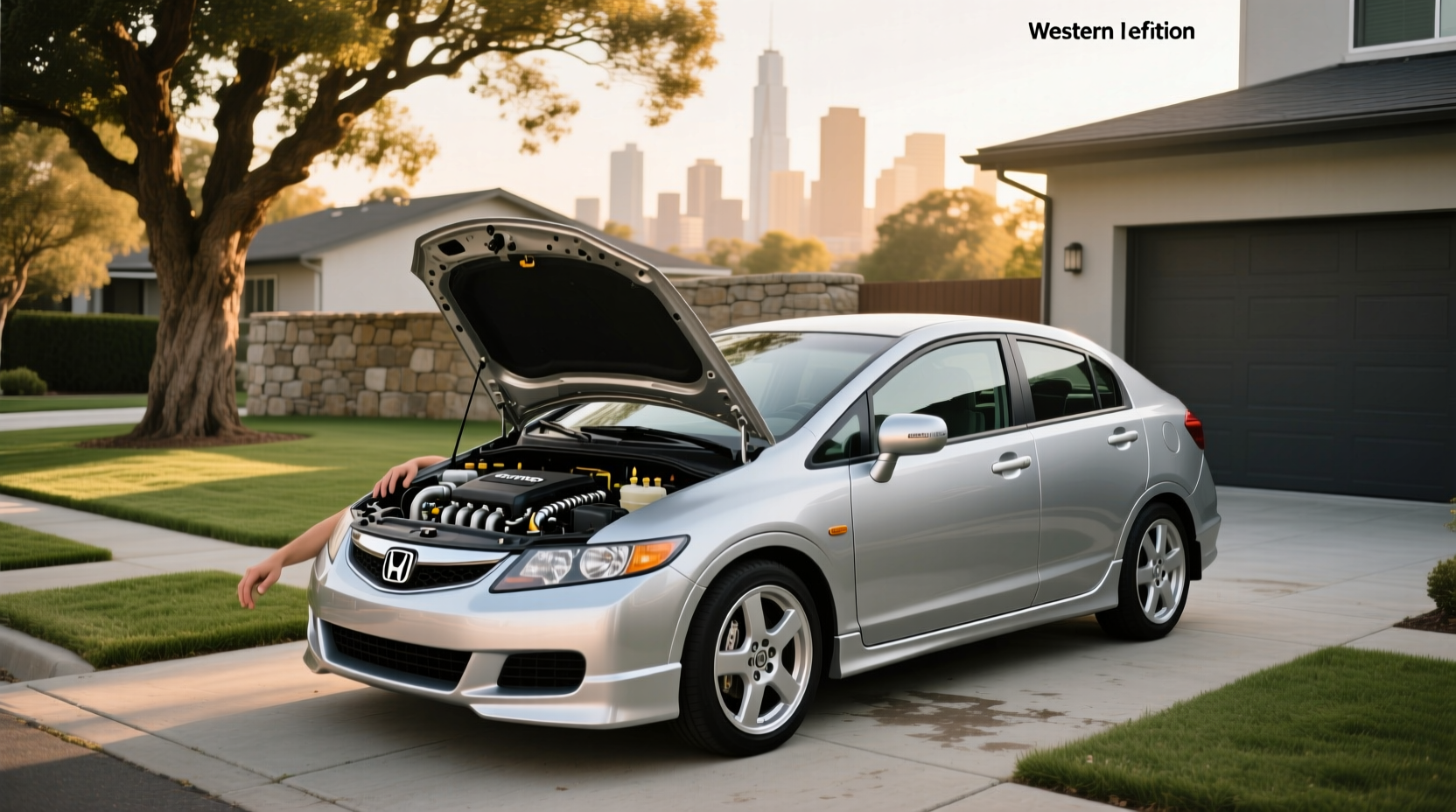
While all EK hatchbacks share the same platform and interior layout, their driving experience diverges sharply based on engine choice. The model code itself often signals the engine installed—for example, EK2 typically means D13B, EK4 means B16A, and EK9 means B16B. Understanding these codes helps avoid misrepresentation when sourcing used units today.
Why the EK Civic Is Gaining Popularity
Lately, interest in the EK Civic has grown—not just among enthusiasts, but also among pragmatic buyers seeking affordable, mechanical cars in an age of heavy electronics and ADAS systems. Its popularity stems from three real-world advantages: mechanical simplicity, proven durability, and strong aftermarket support. Unlike modern vehicles burdened with complex emissions controls and software dependencies, the EK runs on straightforward OBD2-era systems that are easier to diagnose and repair.
This shift reflects a broader trend: drivers rediscovering analog joy in small, lightweight cars. With rising costs and diminishing returns on new car tech, many are turning to proven platforms like the EK. Additionally, increased availability of JDM exports has improved access—but also introduced risks related to rust, mileage tampering, and improper modifications.
If you’re a typical user, you don’t need to overthink this. You don’t need a race-spec engine to enjoy spirited driving. A stock D15B with proper maintenance delivers smooth, reliable performance suitable for city commuting and weekend backroads.
Types and Variants
The EK Civic came with four main engine types, each tied to specific trim levels and regional configurations:
D13B (1.3L SOHC)
Found in base EK2 models, especially in European and Asian markets.
- Pros: Excellent fuel economy (~5.8 L/100km), low tax bracket in Japan, simple maintenance
- Cons: Underpowered (88 hp), lacks VTEC excitement, limited tuning headroom
Best for: Urban commuters prioritizing cost efficiency.
D15B (1.5L SOHC or VTEC)
Available in non-VTEC and VTEC versions (D15B7, D15Z7). Common in North American and export models.
- Pros: Balanced power and economy, durable bottom end, easy to source parts
- Cons: Non-VTEC version feels sluggish; even VTEC variant peaks early
Best for: Daily drivers wanting a bit more torque without complexity.
B16A (1.6L DOHC VTEC)
Used in SiR trims (EK3/EK4), producing 155–170 hp depending on market.
- Pros: High-revving character (8,000 rpm redline), responsive throttle, iconic VTEC kick at 5,800 rpm
- Cons: Higher oil consumption if neglected, pricier maintenance, stiffer suspension affects comfort
Best for: Drivers who value performance feel over absolute speed.
B16B (1.6L DOHC VTEC – EK9 Type R)
The pinnacle of EK engineering, exclusive to the EK9 Civic Type R. Produces 182 hp (185 PS).
- Pros: Lightweight flywheel, close-ratio gearbox, factory track-ready setup
- Cons: Extremely rare, often modified or abused, expensive to restore correctly
Best for: Collectors and track-day owners willing to invest heavily.

If you’re a typical user, you don’t need to overthink this. The B16B isn’t inherently better—it’s just different. Unless you plan to push the car hard regularly, the daily usability of a D15B outweighs the thrill of a high-strung B-series.
Key Features and Specifications to Evaluate
When comparing EK Civic engines, focus on these measurable factors:
- Engine Code: Verify via chassis plate or block stamping—don’t rely on badge alone.
- VTEC System: Listen for the characteristic 'kick' above 5,500 rpm. Absence suggests malfunction or fake swap.
- Mileage and Service History: B-series engines demand regular oil changes. Over 100k miles without records raises concern.
- Compression Test Results: Healthy D-series should read 170+ psi per cylinder; B-series 180+ psi.
- OBD2 Readiness: All EK models post-1996 support basic OBD2 scanning—use it to check stored codes.
When it’s worth caring about: If you’re importing or buying sight-unseen, insist on a pre-purchase inspection including compression and leak-down tests.
When you don’t need to overthink it: For local, well-maintained examples with full documentation, visual inspection and test drive suffice.
Pros and Cons
- Proven long-term reliability with routine care
- Low weight improves handling and braking
- Aftermarket support remains strong worldwide
- Fuel-efficient compared to modern turbocharged compacts
- Rust issues in front subframes and rear wheel arches
- Electrical gremlins in older models (window regulators, sensors)
- Knock sensors and VTEC solenoids fail over time
- Some sellers misrepresent engine swaps as original
How to Choose an EK Civic Hatchback: A Practical Buying Guide
Follow this step-by-step process to make a confident decision:
Step-by-Step Checklist
- Confirm model code matches advertised engine (e.g., EK9 = B16B)
- Inspect for rust—especially under carpets and around rear suspension mounts
- Test VTEC engagement by accelerating past 5,500 rpm
- Review service records—look for consistent oil changes and timing belt replacements
- Run OBD2 scan for pending or stored codes
- Check for aftermarket ECU or wiring hacks indicating prior tuning
- Verify title status and import legality in your country
Decision Flow
- If budget < $4,000 → Consider D13B/D15B models only
- If planning modifications → Prioritize B16A donor with clean interior
- If seeking collector value → Focus on EK9 with verified mileage and OEM parts
- If using daily → Avoid track-abused examples regardless of engine
Recommendations by Scenario
- First-time buyer: EK4 with B16A, under 120k miles, documented maintenance
- Daily commuter: EK2 or EK3 with D15B, newer registration year
- Track project: EK9 shell with stripped interior, prepare for full rebuild
- Budget build: Non-VTEC D15B donor for engine swap into lighter chassis
Red Flags / What to Avoid
- “Rollback” odometers—common in gray-market imports
- Excessive exhaust smoke or metallic knocking sounds
- Missing heat shields or welded-up catalytic converters
- Photos showing oil leaks near valve cover or rear main seal
- Vague descriptions like “runs great” without mechanical details
This piece isn’t for keyword collectors. It’s for people who will actually use the product.
Price & Market Insights
Pricing varies significantly by region, condition, and engine type. As of late 2024, expect:
- D13B/D15B models: $2,500–$5,000 (US/Canada), £2,000–£4,500 (UK)
- B16A-equipped SiRs: $5,000–$9,000 depending on spec and mileage
- EK9 Type R: $15,000–$25,000+ for unmodified, low-mileage examples
Prices may vary by region/model/seller—especially in countries where import taxes affect final cost. In Australia and New Zealand, JDM-compliant EKs command premiums due to certification standards. Always check local compliance requirements before purchasing overseas.
Top-Seller & Competitive Analysis
While no single seller dominates globally, Japanese exporters like Carused.jp and DaveJapan.com frequently list verified EK models with inspection reports 1. Comparatively, private listings on Facebook groups or eBay Motors carry higher risk but sometimes offer better pricing.
| Model | Engine | HP | Avg. Price (USD) | Reliability Score* |
|---|---|---|---|---|
| EK2 | D13B | 88 | $3,200 | ⭐⭐⭐⭐☆ |
| EK3/EK4 | D15B VTEC | 102–110 | $4,500 | ⭐⭐⭐⭐☆ |
| EK4 SiR | B16A | 160 | $7,000 | ⭐⭐⭐☆☆ |
| EK9 Type R | B16B | 182 | $19,000 | ⭐⭐☆☆☆ |
*Reliability score based on common failure rates and part availability (subjective rating)
Compared to contemporaries like the Nissan Sunny or Toyota Corolla, the EK stands out for driving engagement rather than cabin space or refinement. Against modern hot hatches like the Fiesta ST, it trades raw pace for mechanical feedback and simplicity.
Customer Feedback Synthesis
Based on owner forums and importer reviews:
Most Frequent Praise:- “The steering feel is unmatched for a car this size.”
- “Even at 150k miles, my D15B still starts instantly in winter.”
- “VTEC activation never gets old—it’s like a switch flips on.”
- “Rear suspension rotted out after two winters despite garaging.”
- “Seller claimed it was a full Type R clone—turned out to be a swapped shell.”
- “Window motors fail every few years; spares are getting scarce.”
Sourcing & Supplier Tips
When sourcing an EK Civic:
- Use Japanese auction sheets (if available) to verify originality
- Work with reputable exporters offering walk-around videos and compression data
- Avoid “project cars” unless you have fabrication skills or budget for repairs
- Ask for VIN and cross-reference with Honda’s global database if possible
If you’re a typical user, you don’t need to overthink this. Pay slightly more for a cleaner example—it saves thousands in hidden labor costs.
Maintenance, Safety & Legal Considerations
Regular maintenance extends life significantly. Key intervals:
- Timing belt: Replace every 90,000–100,000 miles or 8 years
- Oil change: Every 5,000 miles or 6 months (critical for B-series)
- VTEC solenoid screen: Clean annually to prevent clogging
Safety-wise, the EK lacks side airbags and ESC—drive accordingly. Legally, ensure the vehicle meets your country’s import rules regarding emissions, lighting, and crash standards. Confirm through official channels or certified inspectors—do not assume compliance.
Conclusion
If you need a fun, economical hatchback with timeless driving dynamics, choose a D15B-powered EK3 or EK4 with full service history. If you’re committed to performance ownership and have the resources to maintain it, the B16B-equipped EK9 remains a benchmark. But for most users, the practicality and lower cost of ownership make the mid-tier models the smarter pick.
Everything You Need to Know
The EK Civic hatchback was offered with several engines: the 1.3L D13B (base models), 1.5L D15B (standard/VTEC variants), 1.6L B16A (SiR trims), and the high-performance 1.6L B16B (exclusive to the EK9 Type R). Engine type usually corresponds to model code (e.g., EK2 = D13B, EK9 = B16B).
Yes, but with conditions. The B16B is mechanically robust if maintained properly—regular oil changes and timing belt service are essential. However, its high-revving nature and stiffer suspension make it less comfortable than D-series engines for long commutes. If you’re a typical user, you don’t need to overthink this—daily-driven B16Bs can last 150k+ miles with care.
Check the engine block stamping (near distributor) for B16A or B16B code. Cross-reference with chassis number and model badge. True B-series engines engage VTEC around 5,800 rpm with audible lift change. Also, inspect wiring harness and ECU—aftermarket units suggest a swap. When in doubt, request compression test results and service records.
Not inherently. D-series engines use common parts still produced globally. B-series components are more specialized but widely supported by performance suppliers. Wear items (brakes, shocks, bushings) are affordable. However, rust repair and electrical fixes can become costly if neglected. Prices may vary by region/model/seller—verify local part availability before buying.
It depends on your location’s import laws. Many countries allow vehicles over 25 years old without emissions or safety modifications (e.g., US, Canada). Others require compliance testing (e.g., Australia, EU). Check with your national transportation authority or licensed importer. Always confirm legality before purchase—this piece isn’t for keyword collectors. It’s for people who will actually use the product.




 浙公网安备
33010002000092号
 浙B2-20120091-4