
If you’re choosing between the 1.6L and 2.0L engines in the 2018 Ford Focus hatchback, here’s what to look for: prioritize the 2.0L Duratec GDI if you want strong acceleration and highway responsiveness; go with the 1.6L Sigma Ti-VCT if daily fuel efficiency and lower maintenance costs matter more. Both are flex-fuel—compatible with ethanol or gasoline—but the 2.0L often pairs with the Powershift dual-clutch transmission, which can be a red flag for stop-and-go driving 1. If you’re a typical user, you don’t need to overthink this: most owners report long-term reliability from the 1.6L manual combo, while the 2.0L suits those who frequently drive on highways or carry heavier loads.
About the Ford Focus Hatchback 2018
The 2018 Ford Focus hatchback was offered in several trims across markets like Brazil and Europe, with notable differences in engine availability. In regions such as Latin America, two primary powertrains defined the lineup: the 1.6L Sigma Ti-VCT and the 2.0L Duratec GDI. These engines were paired with either a 5-speed manual or the automated Powershift dual-clutch transmission. The model year introduced minor updates, including revised trim structures and optional Sync 3 infotainment on higher grades 2.
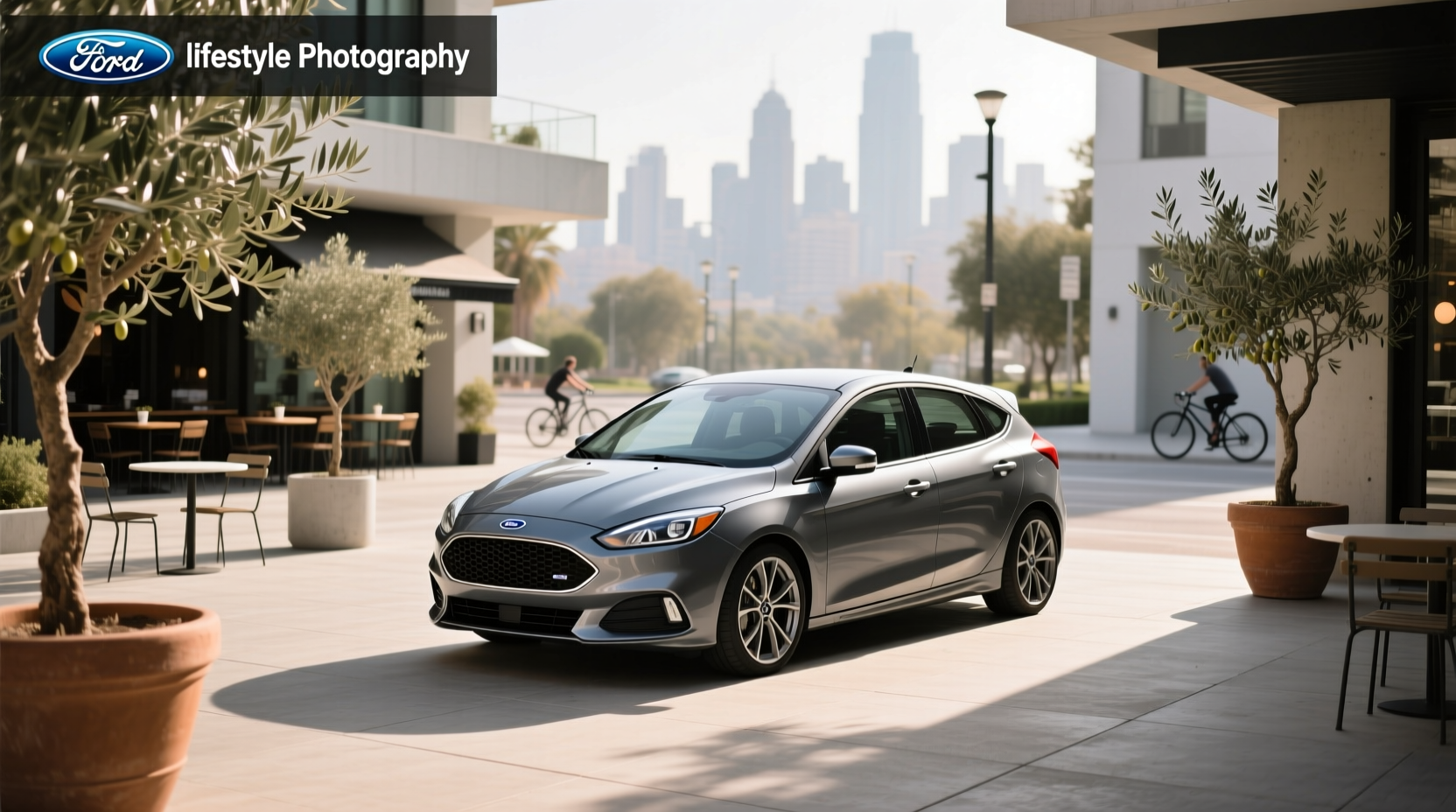
Why This Model Is Gaining Popularity
Lately, used car buyers have turned to the 2018 Focus hatchback due to its balanced handling, compact footprint, and relative rarity in well-maintained condition. Over the past year, search interest has grown steadily among urban drivers seeking a responsive yet economical vehicle. Its popularity stems not from groundbreaking innovation but from consistent performance and mechanical simplicity—especially in the base 1.6L configuration. Used pricing remains competitive, and parts availability is stable in many regions, making ownership predictable. If you’re a typical user, you don’t need to overthink this: the Focus delivers where it counts—daily drivability and resale practicality.
Types and Variants
The 2018 Focus hatchback came in multiple trims, each tied to specific engine-transmission combinations:
1.6L Sigma Ti-VCT (Flex-Fuel)
- Available in: SE, SE Plus (entry-level trims)
- Power: 135 hp (ethanol), 131 hp (gasoline)
- Torque: 16.7 kgfm (ethanol), 16.2 kgfm (gasoline)
- Transmission: 5-speed manual only
When you don’t need to overthink it: If your priority is low running cost and straightforward maintenance, the 1.6L manual setup avoids the complexity of automated gearboxes.
2.0L Duratec GDI (Flex-Fuel)
- Available in: SE 2.0, Titanium Plus
- Power: 178 hp (ethanol), 175 hp (gasoline)
- Torque: 22.5 kgfm (ethanol), 21.5 kgfm (gasoline)
- Transmission: Powershift dual-clutch (6-speed) or, less commonly, 5-speed manual
When you don’t need to overthink it: Unless you plan to keep the car long-term and maintain it strictly, avoid the Powershift automatic unless verified in excellent working order.
Key Features and Specifications to Evaluate
When assessing a 2018 Focus hatchback, focus on these core specs:
- Engine type: Confirm whether it’s 1.6L or 2.0L—this affects both performance and service history.
- Transmission: Manual units are generally more durable. Powershift models require inspection for shudder, delayed engagement, or software glitches.
- Fuel system: Both engines support flex-fuel blends, but ethanol consumption increases wear over time if not properly maintained.
- Trim level: Higher trims include rear parking sensors, alloy wheels, and upgraded audio, but rarely add mechanical advantages.
This piece isn’t for keyword collectors. It’s for people who will actually use the product.
Pros and Cons
| Aspect | Pros | Cons |
|---|---|---|
| 1.6L Engine | Reliable, low maintenance, good city fuel economy | Less power for highway merging, slower acceleration |
| 2.0L Engine | Strong torque, confident passing, better uphill performance | Higher fuel consumption, especially in city driving |
| Manual Transmission | Durable, predictable shifts, cheaper repairs | Less convenient in heavy traffic |
| Powershift DCT | Faster shifts, modern feel, improved highway efficiency | Known for hesitation at low speed, costly clutch repairs |
| Overall Ownership | Solid build quality, good resale in clean examples | Parts may vary by region; some electronics prone to glitches |
How to Choose the Right One
Follow this step-by-step checklist when evaluating a 2018 Ford Focus hatchback:
Step-by-Step Checklist
- Identify the engine size via VIN or badge (SE 1.6 vs SE 2.0).
- Verify transmission type—test drive both manual and Powershift if available.
- Inspect service records: look for regular oil changes and transmission fluid updates (critical for Powershift).
- Check for known issues: rough idle, hesitation, or warning lights related to throttle body or transmission control module.
- Evaluate interior wear—high-mileage examples often show worn clutch pedals or gear knobs.
Decision Flow
- Need fuel efficiency and city comfort? → 1.6L + manual
- Want strong performance and open-road confidence? → 2.0L + manual (if available)
- Prefer automated shifting? → Only consider Powershift with full service history and recent clutch inspection
Recommendations by Scenario
- Urban commuter: 1.6L manual—lower cost, easier maintenance.
- Highway driver: 2.0L engine, ideally with manual transmission.
- Family runabout: Titanium Plus trim with 2.0L, but confirm no prior transmission issues.
Red Flags / What to Avoid
- Powershift models with over 60,000 km and no documented clutch service.
- Vehicles with inconsistent maintenance logs—especially missing transmission fluid changes.
- Any example exhibiting jerking during low-speed maneuvers (sign of failing dual-clutch unit).
- Aftermarket tune-ups or ECU modifications that void remaining warranty (if applicable).
If you’re a typical user, you don’t need to overthink this: stick to the 1.6L manual unless you’ve driven and trusted the 2.0L variant firsthand.
Price & Market Insights
Used prices for the 2018 Ford Focus hatchback vary widely by region, trim, and transmission. In markets like Brazil, the 1.6L SE starts around BRL 50,000–65,000 depending on condition, while the 2.0L Titanium Plus may reach BRL 75,000. Manual versions typically list lower than Powershift-equipped models, though well-documented automatics hold value better. Always verify local pricing through classified platforms like iCarros or Motor1 3. Prices may vary by region/model/seller—check dealer listings and private sales separately for accuracy.
Top-Seller & Competitive Analysis
The 2018 Focus competes with vehicles like the Volkswagen Golf, Honda Fit, and Toyota Corolla Hatch. Below is a comparison of key attributes:
| Model | Engine Output | Transmission Options | Owner Satisfaction |
|---|---|---|---|
| Ford Focus 1.6L | 135 hp (E) | 5MT | High (manual), Mixed (Powershift) |
| Ford Focus 2.0L | 178 hp (E) | 6DCT / 5MT | Moderate (depends on transmission) |
| Volkswagen Golf 1.4 TSI | 150 hp | 6MT / 7DSG | High |
| Honda Fit 1.5L | 116 hp | CVT | Very High |
| Toyota Corolla Hatch | 140 hp | CVT | High |
Note: Power outputs reflect ethanol or equivalent fuel where applicable. The Focus stands out for its engaging steering and chassis balance, though rivals offer smoother transmissions. This piece isn’t for keyword collectors. It’s for people who will actually use the product.
Customer Feedback Synthesis
Analysis of owner reviews and forum discussions reveals recurring themes:
- Highly praised: Steering precision, cabin space for class, durability of 1.6L manual drivetrain.
- Common complaints: Powershift transmission hesitation at low speeds, occasional electrical gremlins (window switches, SYNC boot time), higher-than-expected tire wear.
- Long-term sentiment: Owners keeping the car beyond 80,000 km appreciate the 1.6L’s predictability; 2.0L owners split based on transmission experience.
If you’re a typical user, you don’t need to overthink this: real-world satisfaction correlates more with transmission choice than engine size.
Sourcing & Supplier Tips
When sourcing a used 2018 Focus hatchback:
- Purchase from dealers offering certified pre-owned programs with warranty extensions.
- For private sellers, request access to service history and diagnostic scans.
- Use independent mechanics to inspect timing chain tension, transmission health, and suspension bushings.
- Confirm compatibility of spare parts in your region—some components may be discontinued or imported.
Always verify retailer return policy and check manufacturer specs before finalizing purchase.
Maintenance, Safety & Legal Considerations
Routine maintenance includes oil changes every 10,000 km, air filter replacement, and brake inspections. The Powershift transmission requires specialized fluid and recalibration—service intervals should not exceed 60,000 km. While safety features like ABS and stability control were standard, advanced aids (like lane assist) were not available in most 2018 trims. To confirm compliance with local emissions or registration rules, consult your regional transport authority. Maintenance schedules may vary by model—check official documentation or authorized service centers for guidance.
Conclusion
If you need a dependable daily driver with low running costs, choose the 1.6L manual version. If you prioritize highway performance and have access to well-maintained examples, the 2.0L engine—paired with a manual transmission—is a viable upgrade. Avoid the Powershift unless thoroughly inspected. If you’re a typical user, you don’t need to overthink this: focus on proven mechanicals, not brochure promises.
Everything You Need to Know
❓ What engine does the 2018 Ford Focus hatchback have?
The 2018 Ford Focus hatchback comes with two main engines: a 1.6L Sigma Ti-VCT flex-fuel engine (135 hp on ethanol) in SE trims, and a 2.0L Duratec GDI flex-fuel engine (178 hp on ethanol) in SE 2.0 and Titanium Plus trims. Transmission varies by engine—manual for 1.6L, Powershift dual-clutch or manual for 2.0L.
❓ Is the Powershift transmission reliable in the 2018 Focus?
The Powershift dual-clutch transmission has mixed reliability. Many users report smooth operation when well-maintained, but others experience shuddering, lag, or premature clutch wear—especially in stop-and-go traffic. If considering a Powershift model, insist on a full service history and independent inspection. Regular fluid changes are critical.
❓ Which is better: 1.6L or 2.0L Ford Focus 2018?
The 1.6L is better for city driving and fuel economy; the 2.0L excels in highway performance and load-carrying. For most users, the 1.6L manual offers the best balance of cost and reliability. The 2.0L is worth it only if you frequently drive at higher speeds and avoid heavy traffic.
❓ How much does it cost to maintain a 2018 Ford Focus?
Maintenance costs are moderate. Routine services (oil, filters, brakes) are affordable. However, Powershift transmission repairs can be expensive—budget for potential clutch replacement after 80,000 km if neglected. Always follow the manufacturer's recommended schedule and use compatible fluids.
❓ Can I use ethanol in both engines?
Yes, both the 1.6L and 2.0L engines are flex-fuel and designed to run on any blend of gasoline and ethanol. However, ethanol increases fuel consumption slightly and may accelerate wear on seals and injectors over time if maintenance is delayed. Regular servicing mitigates these risks.




 浙公网安备
33010002000092号
 浙B2-20120091-4