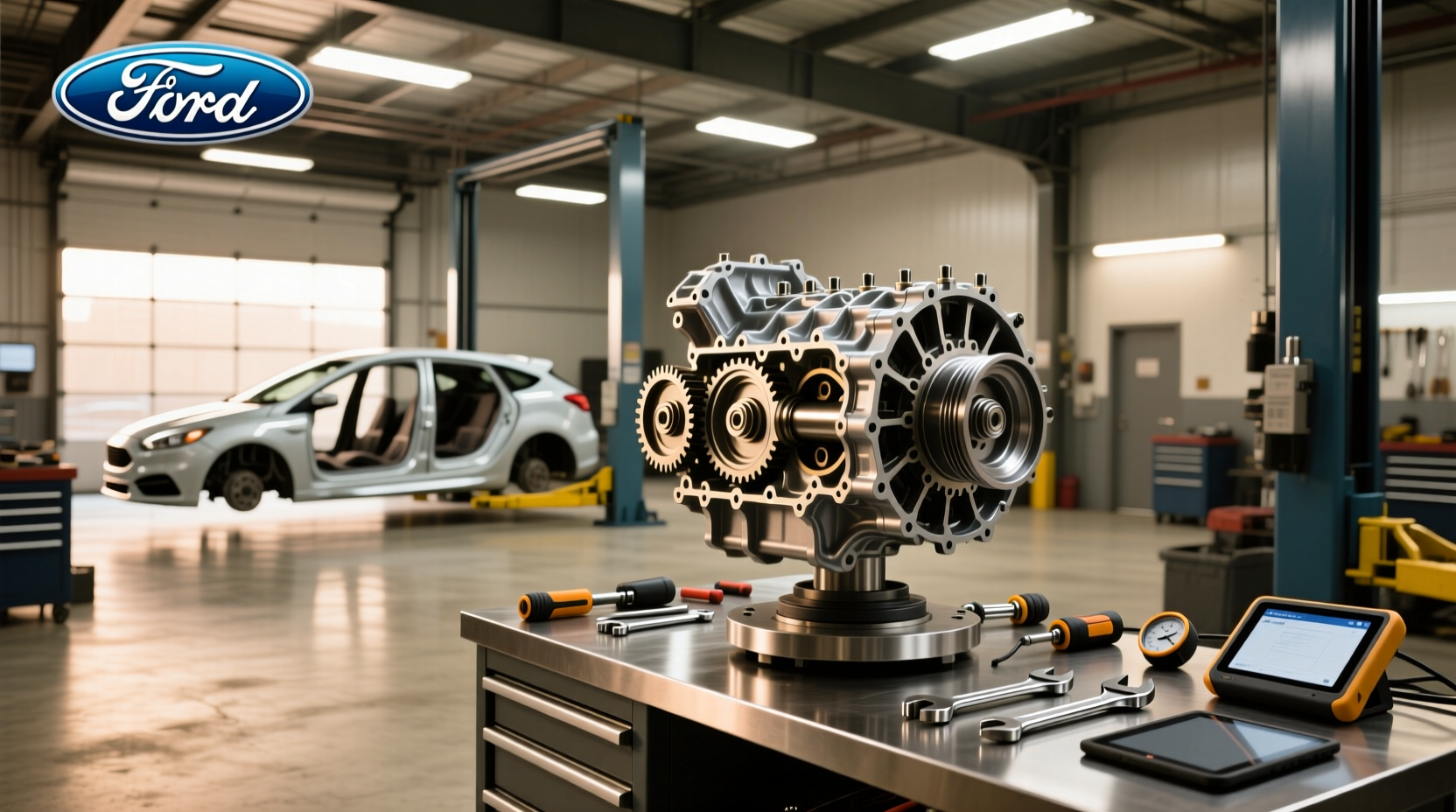
If you’re looking at a used Ford Focus from 2012 to 2018, here’s how to choose the right model: skip the DPS6 PowerShift dual-clutch automatic unless it has documented service history including clutch and TCM replacement. For most drivers, a manual transmission or pre-2012 conventional automatic is more reliable. What to look for in a Ford Focus transmission? Smooth engagement, no shuddering at low speeds, and consistent shift patterns. If you’re a typical user, you don’t need to overthink this.
Lately, resale listings for 2012–2018 Focus models have increased, likely due to budget buyers entering the market. Over the past year, online forums and repair shops have reported recurring transmission complaints—especially around hesitation and jerking during takeoff. This isn’t new, but awareness is higher now, making it a better time than ever to understand your options before committing.
About Ford Focus Transmission
The Ford Focus, sold globally across multiple generations, has used several transmission types depending on model year, trim, and region. While engine performance and fuel economy often dominate discussions, the transmission significantly affects daily drivability—especially in stop-and-go traffic.
The main point of concern centers on the DPS6 PowerShift 6-speed dual-clutch automatic introduced in North America and Europe starting in 2012. Unlike traditional automatics, this dry-clutch system operates like two manual gearboxes working in tandem. It was designed for efficiency but became infamous for inconsistent behavior under real-world conditions.
Other variants include 5- and 6-speed manuals (MTX75, MMT6), as well as older 4-speed conventional automatics (4F27E) found in early 2010s base models. These remain mechanically simpler and less prone to electronic failure.

Why Transmission Type Is Gaining Importance
Over the past year, used car prices have stabilized after volatility, bringing more first-time buyers into the subcompact sedan segment. With tighter budgets, long-term reliability matters more than ever. A faulty transmission can cost thousands to repair—often exceeding the vehicle’s value.
Recent social media activity shows growing interest in DIY diagnostics and resets for the DPS6 unit 1. While some owners report temporary fixes via TCM relearn procedures, these don’t address underlying wear. The change signal here is clear: buyers are researching deeper before purchase, not just relying on surface-level inspections.
This piece isn’t for keyword collectors. It’s for people who will actually use the product.
Types and Variants
Understanding which transmission your Focus has is essential. Here’s a breakdown of the major types:
DPS6 PowerShift (Dual-Clutch Automatic)
Used from 2012 to 2018 in many automatic-equipped Focus models, especially SFE and SE trims with EcoBoost engines.
- Pros: Fuel-efficient design; quick theoretical shifts
- Cons: Dry clutch overheats easily; frequent shuddering; known for premature failure; high repair cost
If you’re a typical user, you don’t need to overthink this: avoid unverified DPS6 units unless priced significantly below market with full service records.
5-Speed Manual (MTX75)
Common in base trims through 2018. Durable and straightforward.
- Pros: Proven design; easy to maintain; driver control
- Cons: Less convenient in heavy traffic; slightly lower fuel economy than claimed for PowerShift
When it’s worth caring about: if you prioritize longevity over comfort. When you don’t need to overthink it: if you already prefer manual driving.
6-Speed Manual (MMT6)
Limited availability, mainly in performance-oriented trims like the Focus ST.
- Pros: Stronger build; handles turbo torque better
- Cons: Heavier shift feel; not available in most standard models
If you’re a typical user, you don’t need to overthink this: only relevant if shopping specifically for an ST model.
4-Speed Conventional Automatic (4F27E)
Found in pre-2012 models and some early 2010s base versions.
- Pros: Simple hydraulics; widely understood by mechanics; predictable operation
- Cons: Outdated; fewer gears mean higher RPMs and reduced efficiency
When it’s worth caring about: when comparing older vs. newer models. When you don’t need to overthink it: if you're focused on post-2012 vehicles only.

Key Features and Specifications to Evaluate
When inspecting any Focus transmission, focus on observable behavior—not brochures.
- Shift Quality: Does the car lurch or hesitate between 1st and 2nd gear? This is a hallmark DPS6 issue.
- Cold Start Behavior: Some units work fine after warm-up but struggle when cold.
- Check Engine Light: Look for stored codes related to TCM or clutch actuator faults.
- Service History: Has the clutch pack or TCM been replaced? Software updates were issued—but they don’t fix worn hardware.
- Transmission Fluid: Not applicable for DPS6 (dry clutch); for conventional autos, dark fluid suggests neglect.
If you’re a typical user, you don’t need to overthink this: trust test drive feedback over paperwork alone.
Pros and Cons Summary
| Type | Reliability | Cost to Repair | User Experience | Best For |
|---|---|---|---|---|
| DPS6 PowerShift | Poor | Very High | Inconsistent | Short-term ownership only |
| 5-Speed Manual | High | Moderate | Predictable | Daily drivers seeking durability |
| 6-Speed Manual (ST) | High | Moderate | Engaging | Performance enthusiasts |
| 4-Speed Auto | Fair | Low-Moderate | Smoother than PowerShift | Simple city commuting |
How to Choose a Ford Focus Transmission
Follow this step-by-step guide to make a confident decision.
Step-by-Step Checklist
- Confirm model year and transmission type using VIN or door jamb sticker.
- Take a test drive during rush hour to observe low-speed behavior.
- Watch for: jerking, delayed upshifts, refusal to engage gear.
- Ask for maintenance records—specifically TCM or clutch work.
- Use an OBD2 scanner to check for historical fault codes.
- Verify if the car has had official Ford software updates.
- Consider a pre-purchase inspection by a mechanic familiar with Ford transmissions.
Decision Flow
- Buying pre-2012? → Likely has 4-speed auto or manual. Lower risk.
- Buying 2012–2018 with automatic? → Assume DPS6 issues until proven otherwise.
- Is price below market average? → May reflect hidden transmission risk.
- Has clutch and TCM been replaced? → Acceptable only with receipts and recent mileage.
Recommendations by Scenario
- Budget commuter: Pre-2012 model with manual or 4-speed auto.
- Urban driver: Avoid DPS6 unless fully rebuilt; consider other brands.
- Enthusiast: Focus ST with 6-speed manual offers best experience.
- Short-term holder: DPS6 may be acceptable if priced to reflect risk.
Red Flags / What to Avoid
- 🚗 Unexplained stalling at stoplights
- 📍 Shuddering below 15 mph
- 🔧 "Rebuilt" claims without documentation
- 🛒 Private sellers avoiding mechanic inspections
- 📌 Listings mentioning "needs relearn" or "shifts weird when cold"
This piece isn’t for keyword collectors. It’s for people who will actually use the product.
Price & Market Insights
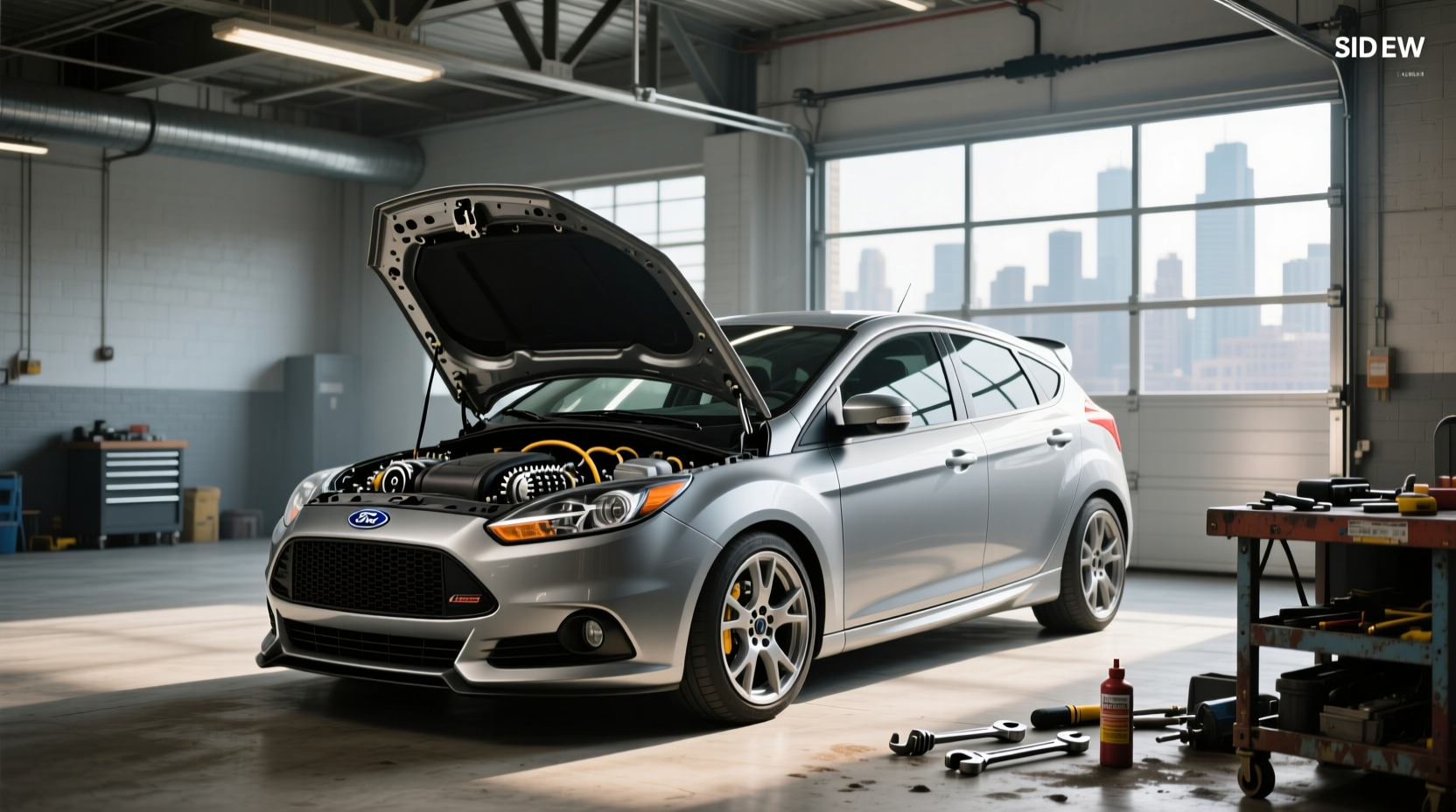
Prices vary widely based on region, condition, and transmission type. As of late, private-party listings for 2012–2018 automatic Focus models range from $3,000 to $7,000 in the U.S., while manual versions often sell for $500–$1,000 less despite being more reliable—a reflection of buyer preference rather than value.
DPS6-equipped cars typically depreciate faster. In markets where certified pre-owned programs exist, these models are rarely included unless retrofitted. Dealerships may offer warranties, but exclusions for transmission wear are common.
If you’re a typical user, you don’t need to overthink this: lower price doesn’t mean better deal if repair costs loom.
Top-Seller & Competitive Analysis
No single seller dominates the used Focus space, but platforms like Carvana, Autotrader, and local independents list numerous units. Independent mechanics report that imported Japanese-market Focus models (via Canada or auction exports) sometimes arrive with cleaner histories—but verify title status carefully.
Compared to rivals like the Honda Civic or Toyota Corolla, the Focus falls short in long-term transmission reliability, particularly in automatic form. However, its handling and feature set remain competitive.
| Model | Transmission Type | Known Issues | Resale Expectation |
|---|---|---|---|
| Ford Focus 2014 (Auto) | DPS6 PowerShift | Shuddering, TCM failure | Below average |
| Honda Civic 2014 (Auto) | Conventional CVT | Mild vibration only | Above average |
| Toyota Corolla 2014 (Auto) | 4-Speed Auto | None significant | Average |
| Ford Focus 2011 (Auto) | 4F27E 4-Speed | Fluid leaks possible | Average |
Customer Feedback Synthesis
Analysis of owner reports and repair shop data reveals consistent patterns:
- Most Frequent Complaint: "Car jerks violently when accelerating from a stop," especially in traffic. Linked almost exclusively to DPS6 models.
- Common Praise: Manual versions described as "solid," "smooth," and "no issues in 10 years."
- Regret Themes: Buyers unaware of PowerShift reputation purchasing automatics for convenience, then facing $3,000+ repairs.
- Workarounds: Some owners disable automatic start-stop to reduce clutch heat cycles.
If you’re a typical user, you don’t need to overthink this: real-world experiences align closely with technical design flaws.
Sourcing & Supplier Tips
When sourcing parts or full units:
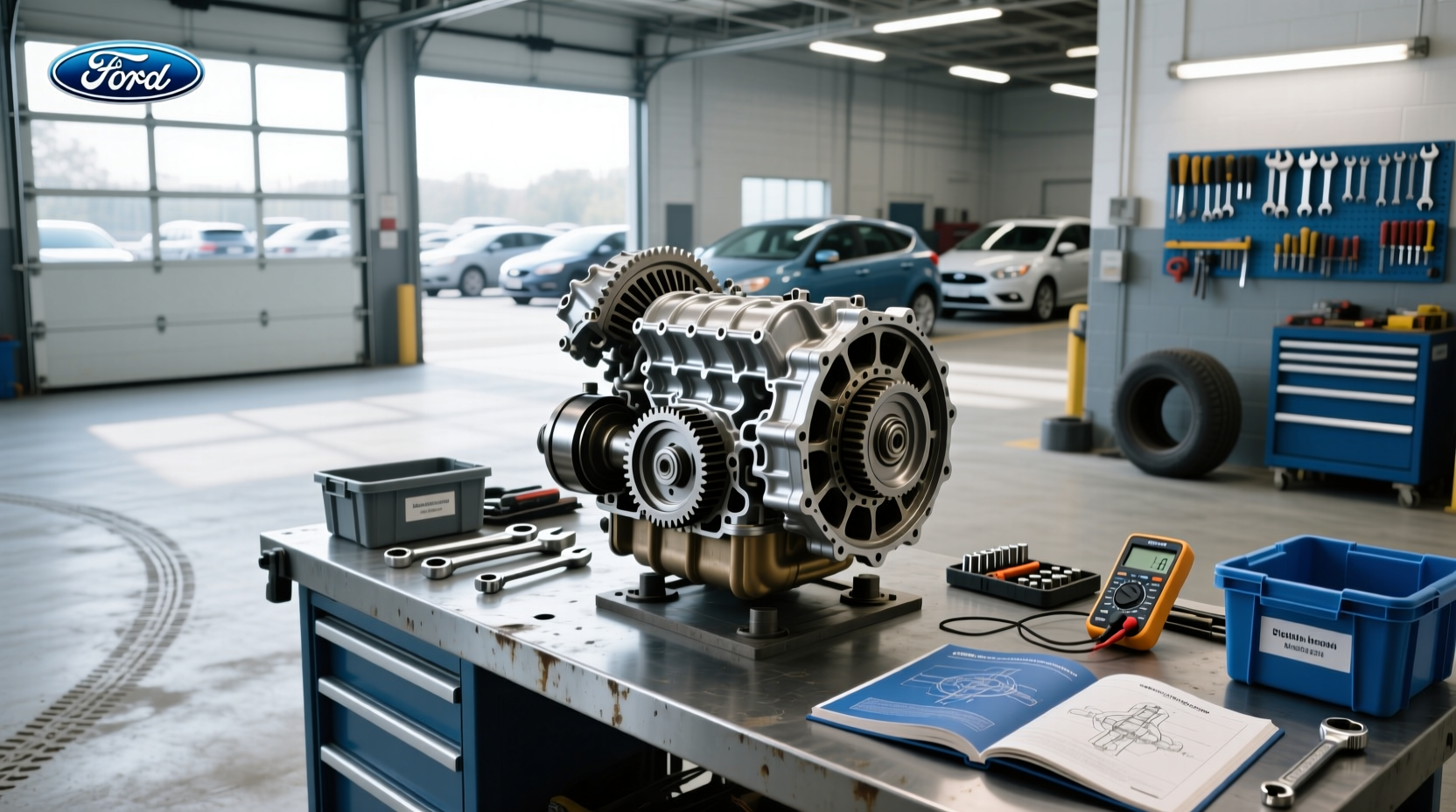
- New OEM DPS6 assemblies are no longer widely available from Ford dealers.
- Aftermarket remanufactured units exist but quality varies—choose suppliers with warranty and return policies.
- For manuals, used units from low-mileage donors are generally safe bets.
- Always verify compatibility using VIN-specific lookup tools.
Parts may vary by region/model/seller. Verify retailer return policy before ordering.
Maintenance, Safety & Legal Considerations
There are no active safety recalls on DPS6 units as of latest public filings, but numerous class-action settlements occurred in previous years regarding transmission defects. These do not provide ongoing coverage.
Maintenance for DPS6 is minimal by design—no fluid changes—but this masks its vulnerability to heat and wear. For conventional automatics, regular fluid and filter changes improve lifespan.
To verify legal standing or prior claims: consult the National Highway Traffic Safety Administration (NHTSA) database or equivalent regional authority using the vehicle’s VIN.
Conclusion
If you need dependable daily transportation, choose a manual transmission or pre-2012 automatic Focus. If you must have an automatic from 2012–2018, ensure it has documented clutch and TCM replacement. If you’re a typical user, you don’t need to overthink this: reliability should outweigh marginal convenience.
Everything You Need to Know
Does a Ford Focus have a CVT transmission?
No, the Ford Focus never used a continuously variable transmission (CVT). The automatic option in 2012–2018 models is the DPS6 PowerShift, a dry dual-clutch unit. Earlier automatics were conventional 4-speed designs. This differs fundamentally from CVT systems used by brands like Nissan or Subaru.
Do Ford Focus models have transmission issues?
Yes, but only certain models. The 2012–2018 automatic versions equipped with the DPS6 dual-clutch transmission are widely reported to have issues including shuddering, hesitation, and premature failure. Manual and pre-2012 automatic models do not share the same level of risk and are generally considered reliable.
What kind of transmission is in the Ford Focus?
The transmission depends on model year and trim. Common types include: 5-speed manual (MTX75), 6-speed manual (MMT6 in ST models), 4-speed conventional automatic (pre-2012), and DPS6 PowerShift dual-clutch automatic (2012–2018). Always confirm using the VIN or service records.
Can the Ford Focus transmission be reset?
Yes, the DPS6 transmission control module (TCM) can sometimes be reset using an OBD2 scan tool to relearn shift patterns. This may temporarily improve behavior but does not fix mechanical wear. Resetting is not a permanent solution for failing clutches or actuators.
Is it safe to buy a used Ford Focus with automatic transmission?
It can be, but with strong caveats. Automatic models from 2012–2018 carry high risk unless they have documented major service—including clutch and TCM replacement. For most buyers, a manual or older automatic model offers better peace of mind and lower long-term cost.




 浙公网安备
33010002000092号
 浙B2-20120091-4