Short Introduction
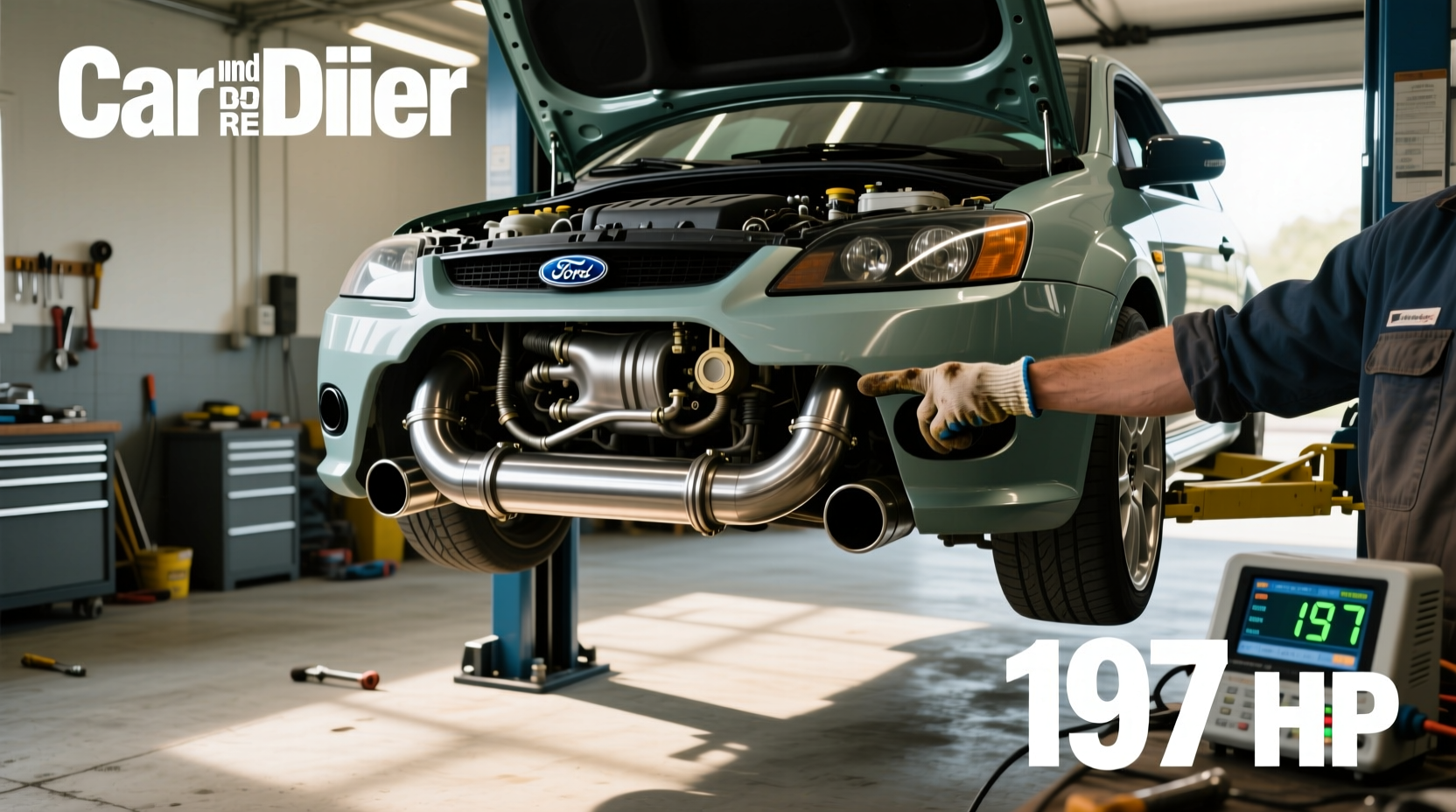
If you're asking how much horsepower does a Ford Focus ZX3 have? and whether upgrading the exhaust can improve performance, here's what matters: Stock models from 2005–2007 with the 2.0L Duratec produce 136 hp, while the 2.3L engine delivers 151 hp 1. A full bolt-on aftermarket exhaust—mandrel-bent, 3.0-inch aluminized or stainless steel—can add 5–10 hp at the wheels 2. However, for how to choose a Ford Focus ZX3 exhaust, prioritize fitment by model year and engine size, material durability (stainless vs. aluminized), emissions compliance, and ease of installation. Avoid systems requiring catalytic converter removal unless you're in a no-inspection state.
About Ford Focus ZX3 Exhaust & Horsepower
🔧 The Ford Focus ZX3, produced between 2000 and 2007, is a compact hatchback popular among DIY enthusiasts and budget tuners. Understanding its stock horsepower and exhaust upgrade potential is essential when evaluating modifications. The term "Ford Focus ZX3 exhaust, How much horsepower does a Ford Focus ZX3 have?" reflects a common dual concern: baseline performance and realistic gains through bolt-on parts.
Stock horsepower varies significantly by model year and engine:
- 2000–2004: 2.0L Zetec-E engine with 130 hp
- 2005–2007: 2.0L Duratec with 136 hp (standard) or PZEV version with 130 hp
- 2005–2007 (ZX4 ST): 2.3L Duratec with 151 hp 3
An upgraded exhaust system aims to reduce backpressure, improve scavenging, and enhance sound. While gains are modest on stock engines, they form part of a broader tuning strategy involving intake, ECU, and cam adjustments.
Why Ford Focus ZX3 Exhaust Upgrades Are Gaining Popularity
📈 Enthusiasts are revisiting older compacts like the ZX3 due to their lightweight design, front-wheel-drive simplicity, and low acquisition cost. As interest grows in affordable performance projects, questions like "what to look for in a Ford Focus ZX3 exhaust, How much horsepower does a Ford Focus ZX3 have?" become central.
Key motivations include:
- Sound enhancement: Replacing the restrictive OEM muffler with a performance unit delivers a deeper, more aggressive tone.
- Minimal invasiveness: Bolt-on exhaust systems require no welding or fabrication.
- Compatibility with future mods: A free-flowing exhaust prepares the car for cold-air intakes or throttle body spacers.
- DIY accessibility: Most installations take under two hours with basic tools 2.
Types and Variants of Ford Focus ZX3 Exhaust Systems
⚙️ Aftermarket exhausts come in several configurations, each suited to different goals and budgets.
1. Axle-Back Systems
Replaces only the section from the rear axle forward, typically including the muffler and tailpipe.
- Pros: Easy to install, legal in most areas, improves sound without affecting emissions.
- Cons: Minimal power gain (1–3 hp), limited flow improvement.
2. Cat-Back Systems
Replaces everything from the catalytic converter outlet to the exhaust tip.
- Pros: Greater flow than axle-back, consistent 5–10 hp gain at wheels, better sound profile.
- Cons: May not be emissions-legal in all states; some require cutting if OEM cat doesn't mate properly 2.
3. Header-Back / Full Systems
Covers from exhaust manifold to tip. Rare for ZX3 due to complexity.
- Pros: Maximum performance potential when paired with tuning.
- Cons: Expensive, requires professional installation, likely fails emissions tests.
Key Features and Specifications to Evaluate
🔍 When deciding how to choose a Ford Focus ZX3 exhaust, How much horsepower does a Ford Focus ZX3 have?, consider these technical and practical factors:
- Material: Stainless steel lasts longer but costs more; aluminized steel offers good value for moderate use.
- Bend Type: Mandrel-bent tubing maintains constant diameter, improving flow over crush-bent pipes.
- Diameter: 3.0-inch is common for cat-back upgrades; larger diameters may not benefit low-displacement engines.
- Muffler Design: Chambered mufflers (e.g., MagnaFlow) offer deep tone without drone; straight-through designs are louder.
- Fitment: Confirm compatibility with your model year (2000–2007) and engine (2.0L vs 2.3L).
- Included Hardware: Look for kits with gaskets, hangers, and bolts to avoid extra costs.
Pros and Cons: Is an Exhaust Upgrade Right for You?
✅ Who Should Consider an Upgrade
- Owners seeking improved engine note without major modifications
- Those planning additional bolt-ons (intake, throttle spacer)
- Drivers in states without strict emissions testing
- DIYers comfortable with undercarriage work
❌ Who Should Avoid It
- Owners in strict emissions states (CA, NY, etc.) unless system is CARB-compliant
- Those expecting dramatic power increases on stock engines
- Drivers sensitive to cabin resonance or exhaust drone
- Anyone unwilling to verify local legality before purchase
How to Choose a Ford Focus ZX3 Exhaust: Step-by-Step Buying Guide
📋 Follow this checklist to make an informed decision:
- Confirm your engine and model year. Use VIN lookup or engine bay stamping to identify 2.0L vs 2.3L.
- Determine your goal: Sound? Power? Both? Realistically, expect 5–10 hp max from exhaust alone.
- Select system type: Cat-back for best balance; axle-back for minimal change.
- Check material and construction: Prefer mandrel-bent, 3.0-inch stainless or aluminized steel.
- Verify emissions compliance: In 2005–2007 models, many aftermarket systems require cutting the front pipe to retain OEM catalytic converter 2. This may violate federal law if the cat is damaged.
- Review return policy: Some retailers don’t accept used exhaust systems.
- Avoid red flags: No fitment details, missing hardware, vague material claims (“high-grade metal”), or promises of 20+ hp gains.
Price & Market Insights
💰 Prices vary based on material, brand, and completeness.
| System Type | Material | Avg. Price (USD) | Value Notes |
|---|---|---|---|
| Axle-Back | Aluminized Steel | $150–$250 | Best for sound-only upgrades |
| Cat-Back | Aluminized Steel | $250–$350 | Best overall value for performance |
| Cat-Back | Stainless Steel | $350–$500 | Superior longevity, higher cost |
| Full System | Stainless Steel | $600+ | Rare; mainly custom builds |
Prices may differ by region and retailer. Always compare total cost including shipping and taxes.
Top-Seller & Competitive Analysis
⭐ Popular brands include MagnaFlow, Flowmaster, and TruBendz Technology. Below is a comparison of widely available cat-back systems.
| Brand | Material | Tubing Size | Muffler Type | Horsepower Gain (Est.) | Emissions Note |
|---|---|---|---|---|---|
| MagnaFlow | Stainless Steel | 3.0" | Chambered | 6–8 hp | May require OEM cat retention |
| TruBendz | Aluminized Steel | 3.0" | MagnaFlow OEM-style | 5–10 hp | Installation may require cutting |
| Flowmaster 40-Series | Stainless Steel | 2.5" | Outlaw V-Force | 4–7 hp | Louder; less refined tone |
Customer Feedback Synthesis
👥 Based on aggregated user reviews, common themes emerge:
Positive Feedback
- Noticeable improvement in exhaust note, especially under acceleration
- Smooth installation with included hardware
- Visible increase in responsiveness when combined with intake mods
- Durability of stainless systems after 3+ years of use
Common Complaints
- Exhaust drone at highway speeds with certain mufflers
- Fitment issues on 2.3L models due to clearance near subframe
- Need to modify hangers or cut pipes for proper alignment
- Disappointment with actual power gains compared to advertised claims
Sourcing & Supplier Tips
🛒 Purchase from reputable auto parts retailers or specialty performance shops. Consider:
- OEM suppliers: RockAuto, AutoZone, O'Reilly Auto Parts for verified fitment data.
- Performance specialists: Summit Racing, Jegs, or direct from manufacturer sites like MagnaFlow or TruBendz.
- Third-party marketplaces: Amazon or eBay—check seller ratings and return policies carefully.
- For bulk or resale: Contact distributors directly; minimum order quantities may apply.
- Before installing: Inspect for shipping damage, verify all components, and dry-fit before tightening.
Maintenance, Safety & Legal Considerations
⚠️ Proper maintenance ensures longevity and compliance.
- Inspection: Check hangers and welds annually for cracks or rust.
- Cleanliness: Wash underside regularly to prevent salt and debris buildup.
- Safety: Always support the vehicle with jack stands—not just a hydraulic jack—when working underneath.
- Legality: Modifying the exhaust system may violate noise or emissions regulations. In many U.S. states, removing or tampering with the catalytic converter is illegal 4. Even if the cat is retained, check that the replacement system doesn’t alter emission control functionality.
- Verification path: Consult your state’s DMV or environmental agency website to confirm allowable modifications.
Note: For 2005–2007 models, retaining the OEM catalytic converter is critical for legal compliance. If a system requires cutting, ensure the OEM cat remains intact and functional.
Conclusion
📌 To summarize how to choose a Ford Focus ZX3 exhaust, How much horsepower does a Ford Focus ZX3 have?: Stock output ranges from 130 to 151 hp depending on year and engine. An aftermarket cat-back exhaust can add 5–10 hp at the wheels and improve sound, but gains are incremental. Prioritize fitment, material quality, and emissions compliance. If you want a noticeable tone change and plan further modifications, a mandrel-bent 3.0-inch cat-back system is a solid choice. If you’re in a strict emissions state or expect large power jumps, reconsider expectations or explore tuning alternatives. Always verify local laws before modifying your exhaust system.
FAQs
Can I install a Ford Focus ZX3 exhaust myself?
Yes, most cat-back and axle-back systems are designed for DIY installation using basic hand tools. Allow about 2 hours and use jack stands for safety.
Does upgrading the exhaust void my warranty?
If your vehicle is still under factory warranty, modifying the exhaust may affect coverage for related components. Check your warranty terms before installation.
Will a new exhaust improve fuel efficiency?
Minor improvements (1–2 mpg) are possible under steady highway driving due to reduced backpressure, but gains are inconsistent and not guaranteed.
How do I know if an exhaust system is CARB-compliant?
Look for an Executive Order (EO) number on the product listing or packaging. Verify it on the California Air Resources Board (CARB) website.
What's the difference between aluminized and stainless steel exhausts?
Aluminized steel has a protective coating and is more affordable but less durable. Stainless steel resists rust longer and maintains appearance but costs more.




 浙公网安备
33010002000092号
 浙B2-20120091-4