
If you’re shopping for a used compact hatchback with real driving engagement, the Ford Focus ZX3 (2000–2004) should be on your list. This 3-door model stands out from base sedans with sharper handling, a practical hatch layout, and a 2.0L engine that delivers peppy acceleration for city and highway use. If you’re a typical user, you don’t need to overthink this: choose the manual transmission if available, avoid cars with rust or poorly maintained timing belts, and prioritize clean ownership history. Recently, interest has grown as more buyers seek affordable, fun-to-drive daily drivers amid rising new car prices. Over the past year, forums and classifieds have seen increased activity around well-kept ZX3s, especially those with documented maintenance.
When evaluating how to choose a Focus ZX3, focus on three things: transmission type, structural condition, and service records. The automatic models are less engaging and prone to long-term reliability questions, while the manual offers a connected feel that defined this generation’s reputation. Rust—especially in northern climates—is a silent killer. And without proof of timing belt changes every 100,000 miles, you risk costly engine damage. If you’re a typical user, you don’t need to overthink this: skip high-mileage examples without service history. This piece isn’t for keyword collectors. It’s for people who will actually use the product.
About the Ford Focus ZX3
The Ford Focus ZX3 is the sporty 3-door hatchback variant of the first-generation Ford Focus, sold in North America from 2000 to 2004. Unlike the sedan and wagon trims, the ZX3 was designed to blend European-inspired dynamics with American affordability. It competed directly with vehicles like the Honda Civic hatchback and Toyota Corolla liftback, offering a more driver-focused experience than most economy compacts of its era.
Under the hood, most ZX3s came with a 2.0L DOHC inline-4 engine producing around 130 horsepower, paired to either a 5-speed manual or a 4-speed automatic transmission. The chassis featured independent suspension at all four corners, responsive electric power steering (for the time), and a low center of gravity that made it nimble in traffic and on winding roads. Its hatchback design also added versatility, allowing folded rear seats for expanded cargo capacity—a rare perk in its segment back then.
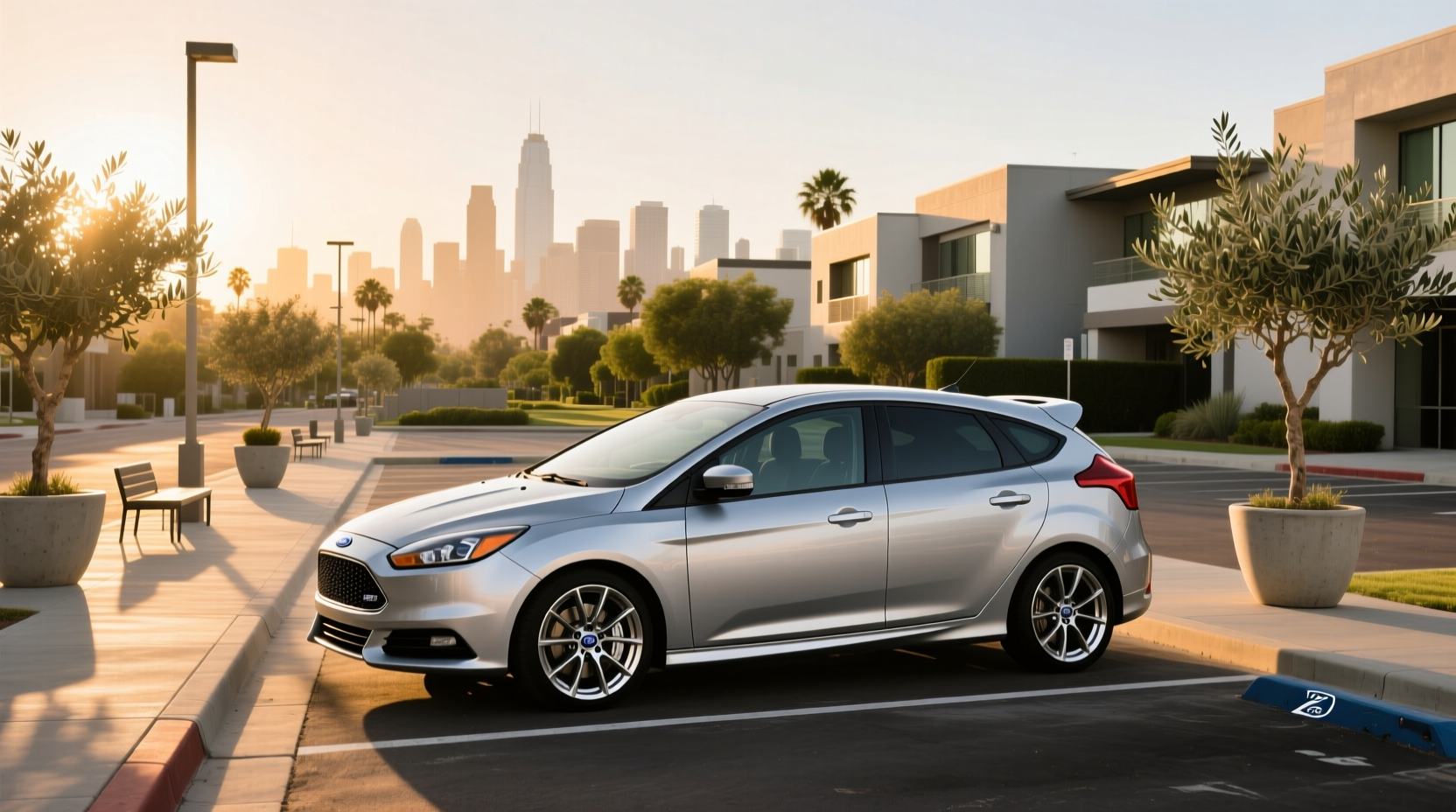
Why the Focus ZX3 Is Gaining Popularity
Lately, the ZX3 has re-emerged as a cult favorite among budget-conscious drivers and enthusiasts restoring older Fords. Rising new vehicle costs have pushed more buyers toward reliable, mechanically simple used cars. The ZX3 fits perfectly: it’s small enough for tight parking, efficient on fuel, and surprisingly durable when maintained.
Another factor is cultural rediscovery. Platforms like Reddit 1 have highlighted the ZX3’s charm—owners praise its predictable handling and ease of modification. Unlike modern cars burdened with complex electronics, the ZX3’s mechanical transparency makes DIY repairs accessible. Enthusiasts appreciate that upgrades like cold air intakes or suspension kits are widely available and affordable.
Over the past year, searches for “Ford Focus ZX3” have trended upward, not because of any official revival, but due to grassroots appreciation. Its value proposition remains strong: a fun, usable hatchback under $3,000 in many markets, assuming basic care has been taken.
Types and Variants
The Focus ZX3 was offered across several trim levels and special editions during its production run. Understanding these helps narrow your search based on priorities like performance, comfort, or cost.
Base ZX3 (2000–2004)
The standard ZX3 included cloth seats, manual windows and locks (early models), a CD player, and 15-inch steel wheels with covers. Air conditioning and cruise control were optional.
- Pros: Simple, lightweight, fewer electronics to fail
- Cons: Basic interior materials, no power accessories in early years
ZX3 with SE Appearance Package
This upgrade added alloy wheels, fog lights, a rear spoiler, and sometimes leather-wrapped steering wheel. Interior trim improved slightly, but core features remained similar.
- Pros: Better curb appeal, minor convenience upgrades
- Cons: Minimal functional improvement over base
SVT Focus (2002–2004)
Not technically a ZX3, but closely related—the SVT (Special Vehicle Team) version shared the 3-door hatch body but came with a tuned 2.0L engine (170 hp), stiffer suspension, larger brakes, and unique styling. It was Ford’s answer to hot hatches like the VW GTI.
- Pros: Significantly more power, superior handling, collectible status
- Cons: Higher price (even used), harder to find, potential for abuse by previous owners
If you’re a typical user, you don’t need to overthink this: unless you plan to track the car or modify it heavily, the standard ZX3 offers nearly all the driving joy at a fraction of the SVT’s cost.
Key Features and Specifications to Evaluate
When assessing a used ZX3, certain specifications matter more than others. Prioritize those that affect longevity, safety, and daily usability.
Engine: 2.0L Zetec Inline-4
This non-interference engine is forgiving if the timing belt fails—but still requires replacement every 100,000 miles. Look for smooth idle and no misfires. Recent reports note occasional coil boot degradation leading to spark issues in colder climates 1.
- When it’s worth caring about: High mileage (>120k mi), absence of service records
- When you don’t need to overthink it: If recent timing belt job is documented
Transmission: Manual vs Automatic
The 5-speed manual is widely preferred for its precise shift feel and durability. The 4-speed automatic can develop slipping issues over time, especially if fluid wasn’t changed regularly.
- When it’s worth caring about: Long highway commutes or towing (rare for this class)
- When you don’t need to overthink it: For city driving with moderate mileage
Suspension & Steering
Front struts, control arm bushings, and sway bar links wear after 80,000 miles. Test for clunks over bumps. Electric rack-and-pinion steering is generally reliable.
- When it’s worth caring about: If planning spirited driving or uneven road use
- When you don’t need to overthink it: Shorter trips with recent front-end inspection
Body Integrity
Rust affects rocker panels, rear wheel wells, and subframe mounts in snowy regions. Check for bubbling paint or soft metal.
- When it’s worth caring about: Vehicles stored outdoors or driven in salt-heavy areas
- When you don’t need to overthink it: Garaged cars in dry climates

Pros and Cons
| Aspect | Pros | Cons |
|---|---|---|
| Driving Dynamics | Agile, balanced handling; fun for its size | Stiff ride on rough roads |
| Fuel Efficiency | Around 28–32 mpg combined (manual) | Lower with aggressive driving or worn tires |
| Interior Space | Hatch provides flexible cargo room | Rear seat cramped for adults |
| Reliability | Mechanically simple; easy to repair | Plastic interior parts degrade over time |
| Ownership Cost | Cheap to buy, insure, and maintain | Parts may require online ordering now |
If you’re a typical user, you don’t need to overthink this: the pros outweigh the cons for anyone seeking an economical, engaging commuter.
How to Choose a Ford Focus ZX3 (Buying Guide)
Selecting the right ZX3 means balancing emotional appeal with practical constraints. Follow this checklist to avoid costly mistakes.
Step-by-Step Checklist
- Verify VIN and ownership history via Carfax or equivalent
- Inspect for rust—especially under doors and near suspension mounts
- Confirm timing belt and water pump replacement (if over 100k miles)
- Test drive with attention to transmission smoothness and brake feel
- Check HVAC operation, window motors, and warning lights
- Review service records—even partial documentation adds value
Decision Flow
- Need maximum fun? → Prioritize 5-speed manual, consider SVT if budget allows
- Want lowest cost? → Accept automatic, but budget $500+ for potential transmission work
- Living in snowbelt? → Demand undercoating history or professional rust inspection
- Using for cargo? → Confirm rear seat folds flat and hatch opens fully
Recommendations by Scenario
- First-time buyer: Base ZX3 with manual, under 100k miles, local seller
- Daily commuter: Any trim with documented maintenance, garage-kept
- Project car: Rusted exterior but clean engine/transmission, low price
Red Flags / What to Avoid
- Unexplained oil leaks or milky coolant (possible head gasket issue)
- No service history and high mileage (>130k mi)
- Aftermarket ECU tunes (can mask underlying problems)
- Vinyl-repaired interiors (often hides water damage)
- Priced significantly below market average (likely major hidden flaw)
This piece isn’t for keyword collectors. It’s for people who will actually use the product.
Price & Market Insights
As of 2024, typical asking prices range from $1,500 to $4,000 depending on condition, location, and transmission. Manual-equipped, well-maintained ZX3s in southern states often command $3,000+. SVT models may reach $6,000 if low-mileage and unmodified. Prices may vary by region/model/seller—always compare locally.
To verify fair pricing, check completed listings on marketplace platforms and review comparable sales. Avoid paying premium prices for cosmetic upgrades unless they reflect actual mechanical care.
Top-Seller & Competitive Analysis
The ZX3 competed with several contemporaries. Below is a comparison of key rivals in its prime.
| Model | Strengths | Weaknesses | Compared to ZX3 |
|---|---|---|---|
| Honda Civic Hatchback | Superior reliability, higher resale | Less engaging steering | More dependable, less fun |
| Toyota Corolla Liftback | Legendary durability | Bland driving experience | Safer long-term bet, duller |
| Volkswagen Jetta GLI | More power, upscale interior | Higher repair costs, complex systems | More refinement, pricier upkeep |
| Mazda Protegé5 | Nearly identical platform, stylish | Harder to find parts today | Same DNA, rarer supply |
If you’re a typical user, you don’t need to overthink this: the ZX3 strikes the best balance between involvement and affordability.
Customer Feedback Synthesis
Analysis of owner discussions reveals consistent themes:
- Highly Praised: “Surprisingly fun to drive,” “easy to work on,” “great visibility,” “compact but roomy hatch”
- Frequent Complaints: “Cheap plastic dashboard cracks,” “radio knobs break,” “wind noise at highway speeds,” “automatic transmission feels sluggish”
- Surprising Positives: Longevity when serviced, ability to handle winter driving with proper tires
Owners consistently report satisfaction when expectations align with reality: it’s not luxurious, but it’s honest and capable.
Sourcing & Supplier Tips
Private sellers typically offer better value than dealerships, though warranties are absent. When sourcing:
- Use regional forums or Facebook groups focused on Ford enthusiasts
- Contact local mechanics familiar with early 2000s Fords—they often hear about upcoming sales
- Consider importing from drier climates (e.g., Southwest U.S.) to reduce rust risk
- Verify return policy if buying online—some platforms allow short trial periods
If you’re a typical user, you don’t need to overthink this: a face-to-face inspection beats any listing description.
Maintenance, Safety & Legal Considerations
Routine maintenance includes oil changes every 5,000 miles, brake inspections annually, and coolant flush every 100,000 miles. The timing belt should be replaced preventively—not reactively.
Safety-wise, the ZX3 lacks modern aids like stability control or side airbags. However, its responsive handling helps avoid accidents. Crash test ratings from its era were average; rely more on defensive driving.
Legally, ensure the title is clean and registration is current. Verify emissions compliance if required in your state—older vehicles may need waivers. Always check local regulations before purchase.
Conclusion
If you need an affordable, driver-friendly hatchback with real personality, the Ford Focus ZX3 remains a compelling choice. Stick with manual transmission models showing clear maintenance history, and avoid rust-prone examples unless restoration is your goal. If you’re a typical user, you don’t need to overthink this: focus on condition, not badges. Fun, utility, and economy still coexist here.
Everything You Need to Know
The Ford Focus ZX3 was produced from 2000 to 2004 as part of the first-generation Focus lineup in North America.
Yes, when properly maintained. Key concerns include timing belt replacement every 100,000 miles and checking for rust in harsh climates. Mechanical simplicity enhances long-term reliability.
The 5-speed manual is strongly recommended for better driving engagement and proven durability. The 4-speed automatic is acceptable for casual use but may require servicing sooner.
Yes, especially with proper all-season or winter tires. Its front-wheel-drive layout is manageable in snow, though traction control (available on later models) improves confidence.
Prices typically range from $1,500 to $4,000 depending on condition, mileage, and location. Well-kept manual models often sell near $3,000. SVT versions may exceed $5,000.




 浙公网安备
33010002000092号
 浙B2-20120091-4