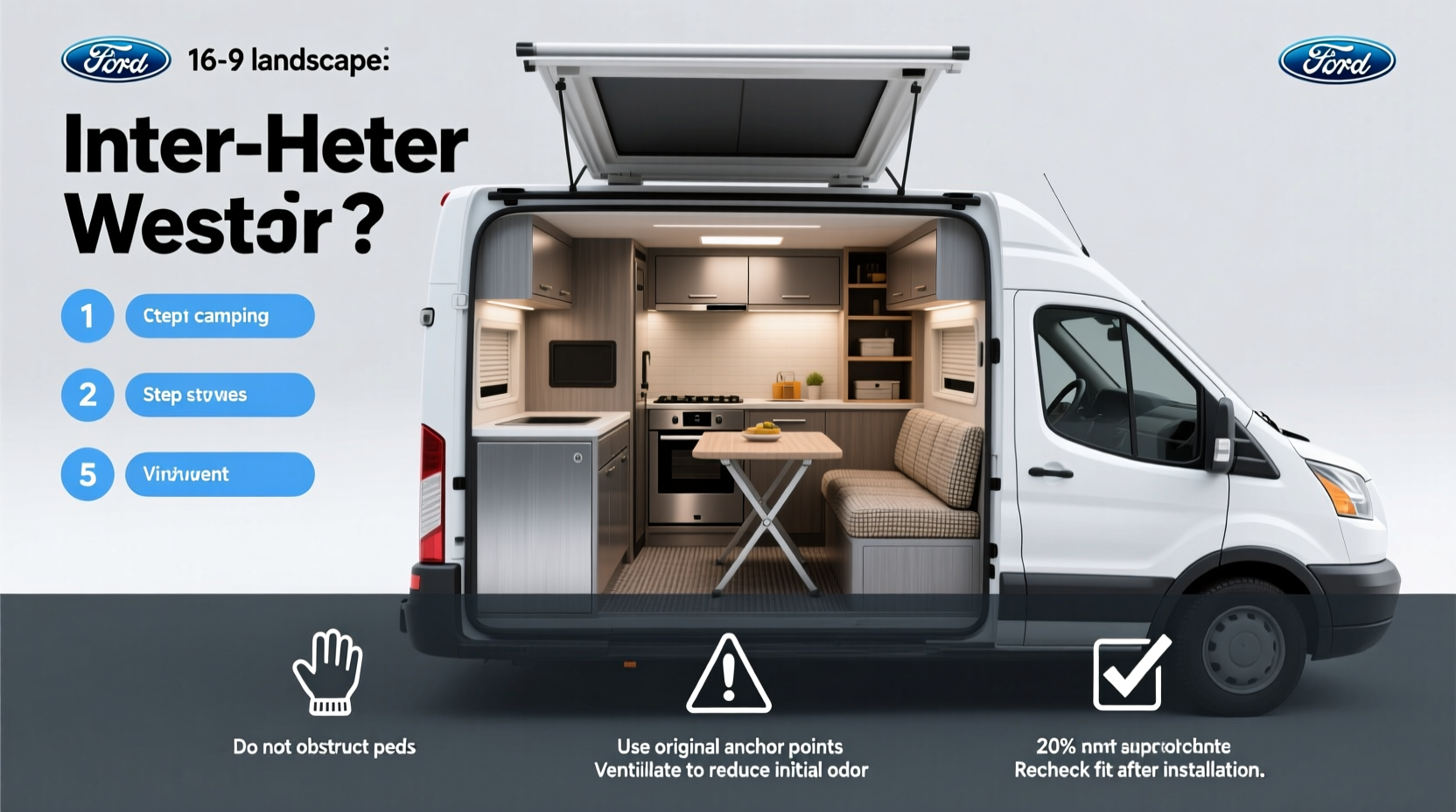
If you're searching for a how to choose Ford Transit camping car occasion guide, start by identifying your primary use case: weekend trips, full-time living, or off-grid adventures. Prioritize models with documented service history, verified camper conversions, and structural integrity checks. Avoid units with hidden water damage, unverified electrical systems, or unclear ownership records. Focus on medium-wheelbase (MWB) or long-wheelbase (LWB) Transits depending on space needs, and always inspect insulation, ventilation, and gas/water systems. A pre-purchase inspection by a qualified mechanic is strongly advised.
📌About Ford Transit Camping Car Occasion
A 'Ford Transit camping car occasion' refers to a used or second-hand Ford Transit van that has been converted into a campervan or motorhome. These vehicles combine the reliability and availability of the Ford Transit chassis with customized interior layouts for sleeping, cooking, and storage—making them ideal for mobile living or recreational travel. Unlike factory-built RVs, many used Transit campers are owner- or small-builder converted, which increases variability in quality and design.
Typical use cases include weekend getaways, cross-country road trips, digital nomad lifestyles, and seasonal work travel. The 'occasion' aspect means buyers are often looking for cost-effective alternatives to new camper vans, trading some predictability for lower entry prices. These vans are especially popular in Europe and North America, where lightweight motorhome categories allow easier driving and parking.
📈Why Ford Transit Camping Car Occasion Is Gaining Popularity
The growing interest in flexible, minimalist travel has fueled demand for used Ford Transit campers. Rising costs of new RVs have pushed budget-conscious adventurers toward the secondary market, where a well-maintained Ford Transit conversion can offer 70–80% of the functionality at half the price.1
Ford Transit vans are known for their durability, fuel efficiency (especially diesel variants), and wide service network. Their boxy interior shape maximizes usable space, simplifying conversions. As remote work expands, more people seek mobile living solutions—and a used Transit camper offers an attainable entry point. Additionally, the DIY van life movement has created a robust aftermarket ecosystem for parts, kits, and support, making ownership and repairs more accessible.
📋Types and Variants
Used Ford Transit camping vans come in several configurations, each suited to different needs:
- High Roof vs. Low Roof: High roof models allow standing room and better airflow but increase wind resistance and garage clearance issues. Low roof versions are more fuel-efficient and easier to park but limit interior usability.
- Wheelbase (SWB/MWB/LWB): Short-wheelbase (SWB) models are nimble but offer limited sleeping and storage space. MWB strikes a balance, while LWB provides room for larger beds, kitchens, and even wet bathrooms.
- Conversion Type: Factory-style partial conversions (e.g., basic kitchen and bed) are common. Full DIY builds vary widely in quality. Some are professionally done with certified materials; others may lack proper insulation or safety clearances.
- Drive Configuration: Most are front-wheel drive. All-wheel-drive (AWD) models are rarer and typically more expensive but useful for off-road or winter conditions.
When evaluating what to look for in a Ford Transit camping car occasion, consider how each variant aligns with your travel style and physical access needs.
⚙️Key Features and Specifications to Evaluate
To make an informed decision in your Ford Transit camping car occasion buying guide, assess these critical components:
- Chassis Condition: Check mileage, service history, rust (especially underbody and wheel arches), and engine health. Look for signs of oil leaks, transmission issues, or suspension wear.
- Insulation & Ventilation: Poor insulation leads to extreme temperatures. Verify use of closed-cell foam or wool, not just foam board. Roof vents (e.g., MaxxFan) or opening windows are essential for air circulation.
- Electrical System: Confirm battery type (AGM, lithium), capacity (measured in Ah), charging sources (alternator, solar, shore power), and inverter size. Miswired systems are a common red flag.
- Plumbing & Water Systems: Inspect freshwater tank location, gray water disposal method, pump operation, and freeze protection. Tanks mounted in unheated areas risk cracking in cold climates.
- Gas Appliances: If equipped, ensure stoves or heaters are properly installed, vented, and certified. Gas leaks pose serious risks.
- Sleeping & Storage Layout: Test mattress comfort and ease of setup. Overhead cabinets should be securely mounted. Consider weight distribution when packed.
- Weight & Payload: Many conversions exceed safe payload limits. Calculate curb weight + gear to ensure you’re not overloading the vehicle.
Pro Tip: Always request a full photo set of the van’s underside, electrical wiring diagram, and any modification receipts. Transparency often reflects build quality.
✅Pros and Cons
Advantages:
- Lower upfront cost than new campers
- Widespread availability of parts and mechanics
- Good fuel economy (especially 2.0L EcoBlue diesel)
- Compact size allows urban access and standard parking
- Customizable interiors based on personal needs
Disadvantages:
- Inconsistent build quality in DIY conversions
- Limited headroom in low-roof models
- Potential for hidden water damage or mold
- Shorter lifespan of non-marine-grade materials
- Resale value highly dependent on condition and upgrades
🔍How to Choose Ford Transit Camping Car Occasion
Follow this step-by-step checklist to avoid costly mistakes:
- Define Your Use Case: Will you boondock, stay in campgrounds, or use it primarily for day trips? This determines power, water, and insulation needs.
- Set a Realistic Budget: Include potential repair and upgrade costs (e.g., new batteries, tires).
- Verify Vehicle History: Use VIN lookup tools to check for accidents, title branding, or odometer rollback.
- Inspect the Conversion Quality: Tap walls for hollow spots (sign of poor bonding), check floor firmness, and test all appliances.
- Test Electrical Systems: Run lights, fridge, and heater off battery. Confirm solar charging works if advertised.
- Check for Leaks & Moisture: Smell for mildew, examine seams around windows and roof vents, and ask about past leaks.
- Assess Weight Distribution: Ensure heavy items (batteries, water tanks) are centered and within payload limits.
- Schedule a Pre-Purchase Inspection: Hire a mechanic experienced with camper vans to evaluate both chassis and conversion.
Red Flags to Avoid:
- Vendors who won’t allow independent inspections
- Missing documentation for modifications
- Water stains near ceiling or under sinks
- Battery systems without fuses or proper grounding
- Unsecured propane cylinders or improper ventilation
💰Price & Market Insights
Prices for used Ford Transit campers vary widely based on year, mileage, conversion quality, and region. As of 2024:
- $15,000–$25,000: Older models (2010–2016), basic conversions, higher mileage (>150,000 km)
- $25,000–$40,000: Mid-range (2017–2020), better insulation, lithium batteries, solar panels
- $40,000+: Recent models (2021+), professional builds, full amenities (heating, bathroom, AC)
Europe tends to have more competitive pricing due to higher supply, while North America sees premium pricing for turnkey vans. Remember: a lower price doesn’t always mean better value. Factor in needed repairs or part replacements when comparing options.
📊Top-Seller & Competitive Analysis
While most used Transit campers are custom builds, some recurring models stand out due to popularity and reliability:
| Model/Build Type | Year Range | Key Features | Common Issues | Estimated Value |
|---|---|---|---|---|
| Ford Transit Custom Camper | 2018–2022 | MWB, high roof, 2.0L diesel, basic kitchen | Limited water capacity, basic insulation | $28,000–$35,000 |
| DIY Vanlife Pro Build | 2019–2021 | Lithium battery, 200W solar, composting toilet | Aftermarket parts warranty gaps | $35,000–$42,000 |
| Ford Transit AWD Adventure Van | 2016–2020 | All-wheel drive, skid plates, off-road tires | Higher fuel consumption, rare availability | $30,000–$38,000 |
When reviewing top-sellers, focus on consistency in build quality rather than brand names. Independent builders with online portfolios and customer references often deliver better results than anonymous sellers.
👥Customer Feedback Synthesis
Analysis of buyer reviews and forum discussions reveals recurring themes:
Common Praises:
- 'Reliable engine performance even after 100k miles'
- 'Easy to drive and park compared to larger RVs'
- 'Well-insulated builds keep comfortable in cold weather'
- 'Solar setup works perfectly for off-grid stays'
Frequent Complaints:
- 'Found mold behind walls due to prior leak'
- 'Battery died within months—wiring was substandard'
- 'Not enough headroom despite high roof claim'
- 'Seller omitted previous flood damage'
Transparency and documentation consistently emerge as top predictors of satisfaction.
🛒Sourcing & Supplier Tips
You can find used Ford Transit campers through:
- Online marketplaces (e.g., eBay Motors, Craigslist, CamperVans.com)
- Specialized dealers offering warranties
- Private sellers via Facebook groups or van life forums
- Auctions (riskier but potentially lower prices)
For private purchases, insist on a test drive and inspection period. Reputable dealers often provide return windows or service guarantees. If buying from abroad, factor in shipping, import duties, and compliance adjustments (e.g., electrical standards). Always verify title status and lien-free ownership before payment.
🔧Maintenance, Safety & Legal Considerations
Routine maintenance includes regular oil changes, brake inspections, and checking fluid levels. For the camper-specific systems:
- Drain and winterize plumbing in cold climates
- Service propane systems annually by a certified technician
- Inspect roof seals and window gaskets yearly
- Ensure CO and smoke detectors are functional
Safety-wise, secure all interior fixtures to withstand sudden stops. Never operate gas appliances while driving.
Legally, camper vans must meet local vehicle safety standards. In many regions, converted vehicles require inspection or certification to be insured or registered for habitation. This varies significantly by country and state. Always check with your local DMV or transport authority to confirm compliance requirements before purchasing. Insurance providers may also require proof of safe installation for gas and electrical systems.
✨Conclusion
Choosing a Ford Transit camping car occasion requires balancing cost, condition, and conversion quality. If you need an affordable, compact adventure van for occasional trips, a well-documented mid-mileage model with basic amenities may suit you. For full-time living or off-grid use, prioritize professional builds with lithium power, proper insulation, and verified safety systems. Always conduct a thorough inspection and verify legal compliance. With careful research, a used Transit camper can offer reliable, flexible mobility without the premium price tag.
❓FAQs
Can I finance a used Ford Transit camping van?
Yes, many lenders offer loans for used RVs and camper vans, though terms depend on credit history, age of vehicle, and down payment. Some specialized lenders focus on recreational vehicles.
How do I verify if the camper conversion is safe?
Hire a qualified inspector familiar with RV systems. Check for proper grounding, fused circuits, certified gas installations, and structural integrity of built-in furniture.
Are Ford Transit campers suitable for winter camping?
Only if they have adequate insulation (e.g., spray foam), heated floors or diesel heaters, and protected plumbing. Most basic conversions are not winter-ready.
What's the average fuel efficiency?
Most diesel Ford Transit campers achieve 20–28 mpg (US) depending on weight, driving style, and terrain. AWD and heavier builds reduce efficiency.
Do I need a special license to drive one?
In most U.S. states and European countries, a standard driver’s license is sufficient for Transit-based campers under 3.5 tons GVWR. Always confirm local regulations.




 浙公网安备
33010002000092号
 浙B2-20120091-4