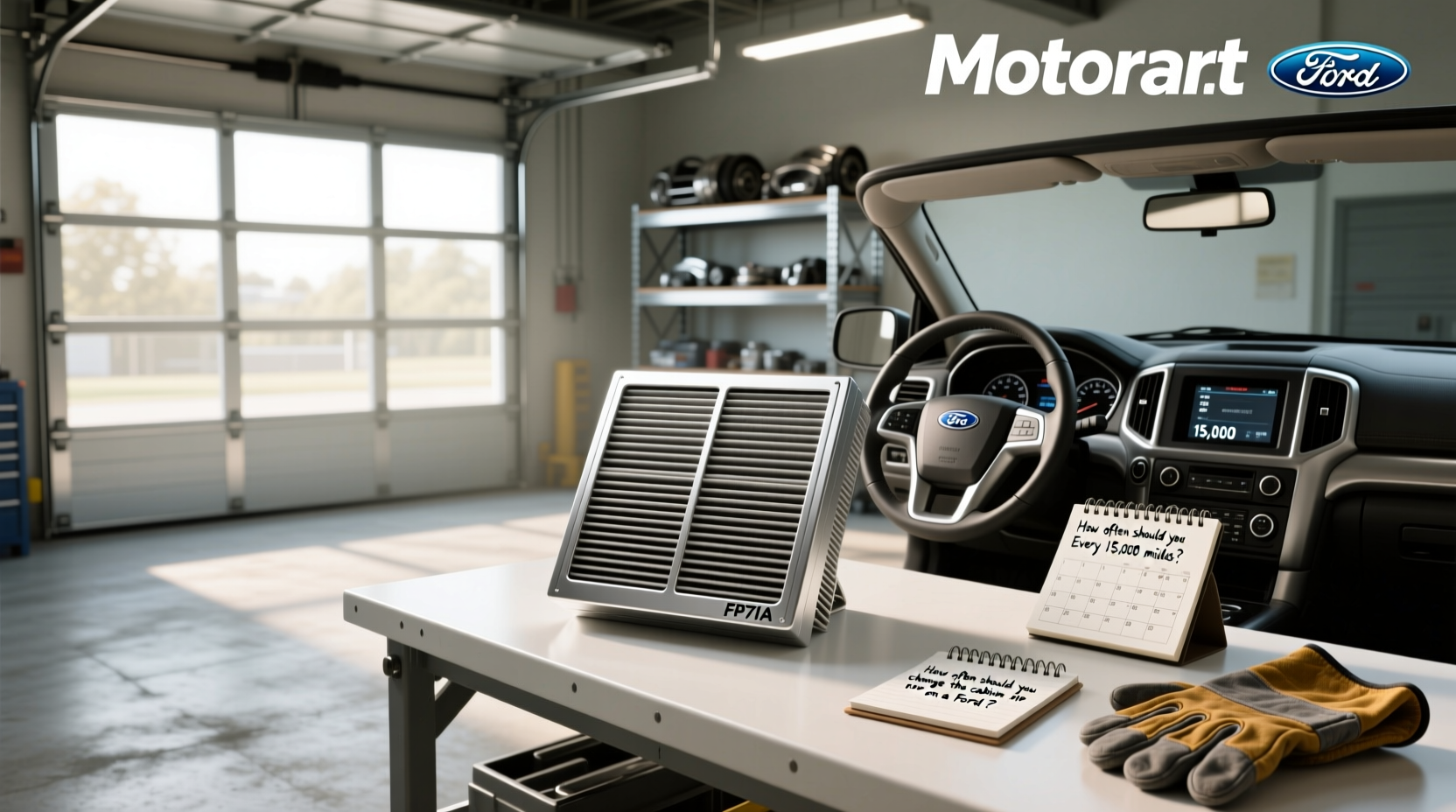
If you drive a Ford and are wondering how to choose or when to replace your cabin air filter, start here: for most drivers, replacing the Motorcraft FP71A every 15,000 to 20,000 miles or annually is sufficient. What to look for in a replacement? Correct fitment for your model year, clean airflow channels, and no visible damage. Avoid generic filters that don’t match OEM dimensions—misfit seals reduce filtration and strain HVAC systems. If you’re a typical user, you don’t need to overthink this. Stick with Motorcraft or a verified equivalent if you want reliable performance without compatibility surprises.
About the Motorcraft FP71A
The Motorcraft FP71A is a cabin air filter designed specifically for many Ford vehicles, including the F-150, Escape, Explorer, and Fusion models from various years. It installs behind the glove compartment and filters outside air entering the HVAC system, capturing dust, pollen, smog particles, and other airborne contaminants before they circulate inside the cabin 1. This helps maintain interior air quality and supports efficient operation of heating and cooling functions.
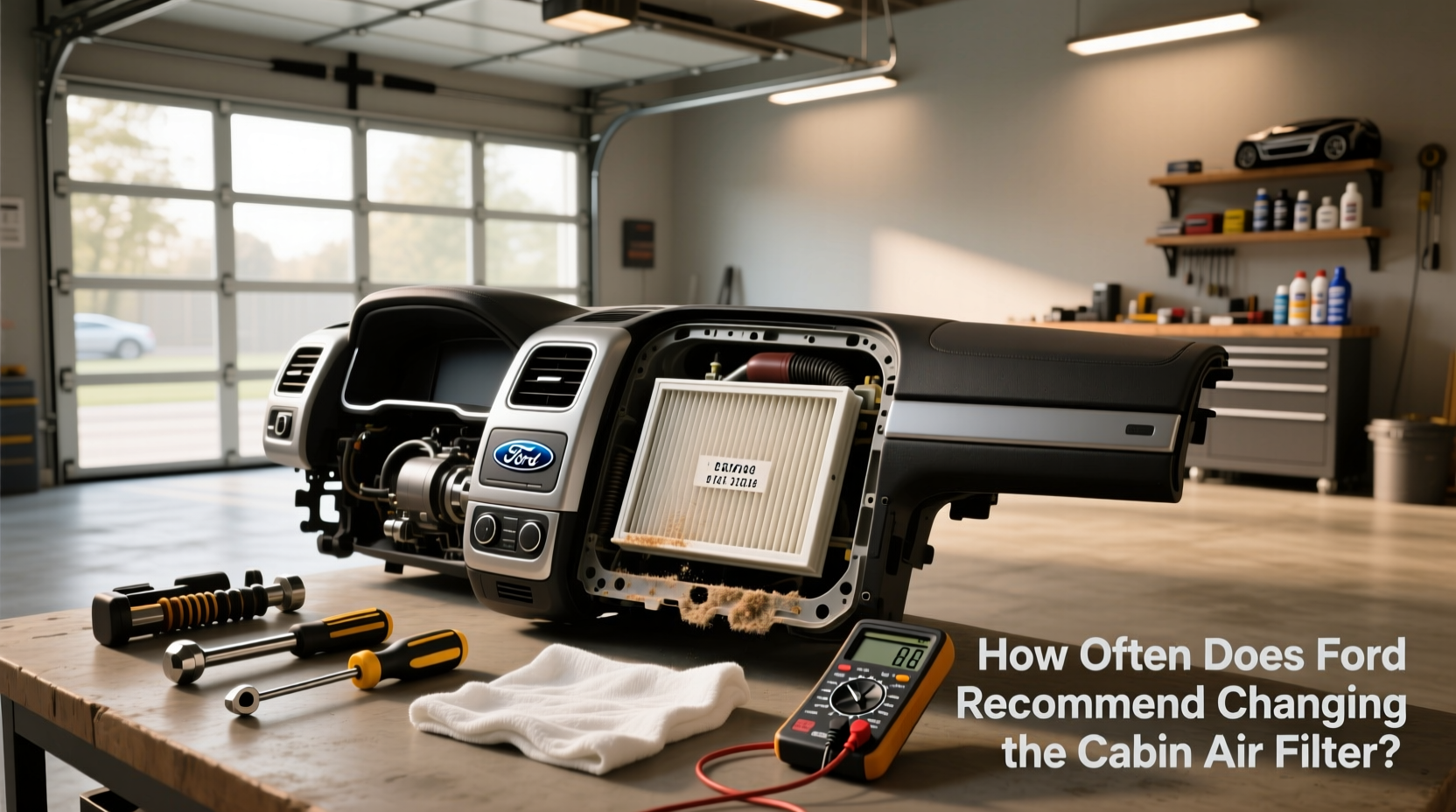
Unlike engine air filters, which protect internal components, cabin air filters directly affect occupant comfort and health. The FP71A uses a pleated non-woven synthetic media that balances particle capture efficiency with airflow resistance. It does not include activated carbon in its base version, meaning it won’t neutralize strong odors like exhaust fumes or smoke unless upgraded.
Why Cabin Air Filters Are Gaining Popularity
Lately, more drivers have started paying attention to cabin air quality—not just fuel economy or tire wear. Over the past year, urban pollution levels and wildfire smoke events have increased awareness about what’s circulating through car vents. People with allergies or respiratory sensitivities now treat cabin filtration as essential maintenance, not optional upkeep.
This shift has made OEM parts like the FP71A more visible in owner discussions. Mechanics report higher demand for replacements during routine services, even when filters appear only moderately dirty. The emotional driver? Control. When outdoor air feels unpredictable, knowing your vehicle’s HVAC system has a fresh, properly sealed filter offers tangible peace of mind.
If you’re a typical user, you don’t need to overthink this. But recognizing why it matters now—more than five years ago—helps justify regular replacement, especially if you spend long hours commuting or drive with children or elderly passengers.
Types and Variants
While the Motorcraft FP71A is a single part number, there are functional variants available across brands:
Standard Particle Filter (e.g., FP71A)
- Pros: Effective against dust, pollen, mold spores; low cost (~$12–$18); widely available
- Cons: Does not remove gases or odors; lifespan limited in high-pollution areas
Activated Carbon Filter (Aftermarket equivalents)
- Pros: Reduces odors from traffic, industrial zones, or smoke; good for city driving
- Cons: Higher price (~$20–$30); slightly denser media may reduce airflow over time
Performance/Oversized Media Filters
- Pros: Greater surface area captures more particulates; longer effective life under moderate conditions
- Cons: May not fit tightly in all FP71A-designated housings; risk of bypass if seal gaps exist
When it’s worth caring about: If you frequently drive on unpaved roads, live near construction zones, or notice lingering musty smells after AC use. When you don’t need to overthink it: For average suburban driving with minimal exposure to dust or heavy traffic, the standard FP71A performs reliably.
Key Features and Specifications to Evaluate
Not all cabin air filters labeled “FP71A compatible” perform equally. Here’s what actually impacts performance:
- Dimensional Accuracy: Even a 2mm gap around the edge allows unfiltered air into the cabin. Always verify length, width, and thickness match OEM specs.
- Pleat Density: More pleats = greater surface area = longer service life. However, overly tight pleating can restrict airflow if media quality is poor.
- Sealing Flange: Some aftermarket versions lack soft foam or rubber edges that ensure an airtight seal. Look for photos showing full perimeter sealing.
- Filtration Efficiency: Measured by ability to capture particles 0.3–10 microns in size. No standardized rating exists for automotive filters, so rely on brand consistency instead.
If you’re a typical user, you don’t need to overthink this. Choose a filter with documented fit history for your exact Ford model and avoid ultra-cheap no-name options sold in bulk packs.
Pros and Cons
| Aspect | Advantage | Limitation |
|---|---|---|
| Ford OEM Design | Precise fit, consistent quality | Slightly higher price than generics |
| Easy DIY Installation | No tools required in most models | Glove box clips fragile if forced |
| Air Quality Impact | Reduces allergens and visible dust | No odor removal without carbon layer |
| Service Interval | Clear guidance from Ford (15k–20k mi) | May vary by region/model/seller |
How to Replace the FP71A: Buying & Installation Guide
Replacing the cabin air filter isn't complicated, but choosing the right one and installing it correctly makes the difference between noticeable improvement and wasted effort.
Step-by-Step Checklist
- Confirm your vehicle uses FP71A (check owner’s manual or parts lookup tool)
- Purchase one genuine Motorcraft FP71A or a well-reviewed equivalent
- Open glove compartment and squeeze sides inward to disengage stops
- Lower glove box gently to access filter housing behind
- Slide out old filter (note orientation: airflow arrow toward cabin)
- Inspect housing for debris or moisture; clean if needed
- Insert new filter with correct side facing forward
- Reinstall glove box until clicks are heard
- Test HVAC on max fan speed to confirm no airflow drop
Decision Flow
- You drive mostly in clean, dry climates → Standard FP71A every 20,000 miles
- You encounter dust, pollen, or city pollution regularly → Replace every 12,000–15,000 miles
- You smell mildew or exhaust inside cabin → Consider carbon-equipped alternative
- You’ve never checked the filter → Inspect now; replace if dark gray or clogged
Recommendations by Scenario
- Daily Commuter: Replace annually or per manual interval, whichever comes first.
- Rural/Off-Road Driver: Upgrade to high-efficiency particulate filter; inspect every 6 months.
- Allergy Sufferer: Use FP71A or better; consider pairing with interior cabin cleaning.
Red Flags / What to Avoid
- Filters priced significantly below $10 — likely undersized or thin media
- Vague packaging without dimensional specs or vehicle coverage list
- Sellers claiming “better than OEM” without test data
- Attempting installation without removing glove box support pins carefully
Price & Market Insights
The Motorcraft FP71A typically sells between $14 and $22 depending on retailer and region. Prices may vary by region/model/seller, especially during supply chain fluctuations. Dealerships often charge labor fees even for simple tasks like this, making DIY replacement one of the highest-value maintenance actions per dollar saved.
Some online marketplaces offer multipacks of non-OEM filters at lower prices, but consistency varies. If you’re buying multiple units, verify batch numbers and packaging authenticity. Check manufacturer specs before assuming interchangeability—even small differences in thickness (e.g., 18mm vs. 20mm) can compromise sealing.
Top-Seller & Competitive Analysis
The Motorcraft FP71A remains the most referenced option across Ford forums and service centers. Below is a comparison with commonly available alternatives:
| Product | Filtration Type | Avg Price | Fit Confidence | Notes |
|---|---|---|---|---|
| Motorcraft FP71A | Particulate | $17 | ⭐⭐⭐⭐⭐ | OEM spec; recommended by Ford |
| Fram CF10650 | Particulate | $15 | ⭐⭐⭐⭐☆ | Compatible listing; slight variance reported |
| Purflux U7861 | Carbon + Particulate | $24 | ⭐⭐⭐⭐☆ | Better odor control; thicker profile |
| BlueWorks (OEM Supplier) | Particulate | $16 | ⭐⭐⭐⭐☆ | Same supplier as Motorcraft; private label |
If you’re a typical user, you don’t need to overthink this. The FP71A delivers predictable results. Switching to carbon-based filters makes sense only if odor reduction is a priority.
Customer Feedback Synthesis
Analysis of verified buyer reviews and forum threads reveals consistent patterns:
- Positive Themes: “Noticeably cleaner air,” “easy to install,” “no more dusty vents,” “packaging clearly shows fitment.”
- Common Complaints: “Received wrong filter despite correct order,” “aftermarket version didn’t seal properly,” “glove box broke during removal.”
One recurring issue involves mislabeled listings on third-party platforms. Buyers searching for “FP71A” sometimes receive filters for different models due to algorithmic mismatches. To prevent this, double-check physical dimensions before purchase and keep packaging until installation is complete.
Sourcing & Supplier Tips
For guaranteed compatibility:
- Buy from authorized Ford dealers or reputable auto parts suppliers
- Use VIN-based lookup tools on sites like Ford.com or PartsAvatar.ca to confirm fitment
- Avoid sellers with no return policy or unclear origin
- Verify part number physically upon receipt — don’t rely solely on product title
If ordering online, check seller ratings and recent feedback mentioning shipping accuracy. Some warehouse distributors rotate stock slowly, so inspect for creases or moisture damage before installing.
Maintenance, Safety & Legal Considerations
A clogged cabin air filter doesn’t violate any safety regulations, but it can indirectly impact driving safety. Reduced airflow may lead drivers to operate windows open in polluted environments, increasing fatigue or distraction from allergens. In extreme cases, moisture buildup in a dirty filter housing can promote mold growth, which may trigger respiratory issues.
No legal mandate requires periodic replacement, but failing to maintain basic vehicle systems could affect resale value or void certain warranty claims if linked to HVAC damage. Always check manufacturer specs for service requirements tied to warranty coverage.
This piece isn’t for keyword collectors. It’s for people who will actually use the product.
Conclusion
If you need dependable, hassle-free cabin air filtration for your Ford and drive under normal conditions, choose the Motorcraft FP71A and replace it every 15,000 to 20,000 miles or annually. If you face heavy dust, high pollen counts, or persistent odors, consider a carbon-enhanced alternative—but only after confirming proper fit. For most owners, sticking with OEM-specified timing and parts eliminates guesswork and delivers consistent results.
Everything You Need to Know
How often should you change the cabin air filter on a Ford?➕
Ford recommends replacing the cabin air filter every 15,000 to 20,000 miles, depending on driving conditions and model year. In dusty environments or heavy traffic, more frequent changes (every 12,000 miles) may be beneficial. Always consult your owner's manual for the exact interval for your specific vehicle.
Is the Motorcraft FP71A the same as a Fram or Bosch equivalent?➕
The Motorcraft FP71A has direct equivalents from brands like Fram (CF10650) and Bosch (3348), which are engineered to the same dimensions and fit most of the same Ford models. Performance is similar, though OEM Motorcraft units tend to have tighter quality control. Aftermarket versions may vary slightly in sealing or media density.
Can I install a carbon filter instead of the FP71A?➕
Yes, you can use a carbon-equipped cabin air filter if it matches the FP71A dimensions. These filters reduce odors from traffic, smoke, or industrial areas. However, they may slightly restrict airflow and require more frequent replacement. Ensure the carbon version fits securely to prevent air bypass.
What happens if I don’t change my cabin air filter?➕
A neglected cabin air filter becomes clogged with dust and debris, reducing airflow through the HVAC system. This can lead to weaker heating or cooling performance, musty smells from trapped moisture, increased cabin dust, and potential strain on blower motor components over time.
Where is the cabin air filter located on a Ford F-150?➕
On most Ford F-150 models equipped with a cabin air filter, it's located behind the glove compartment. You’ll need to lower the glove box to access the filter housing. Refer to your owner’s manual for detailed steps, as some model years have minor variations in retention clips or support brackets.




 浙公网安备
33010002000092号
 浙B2-20120091-4