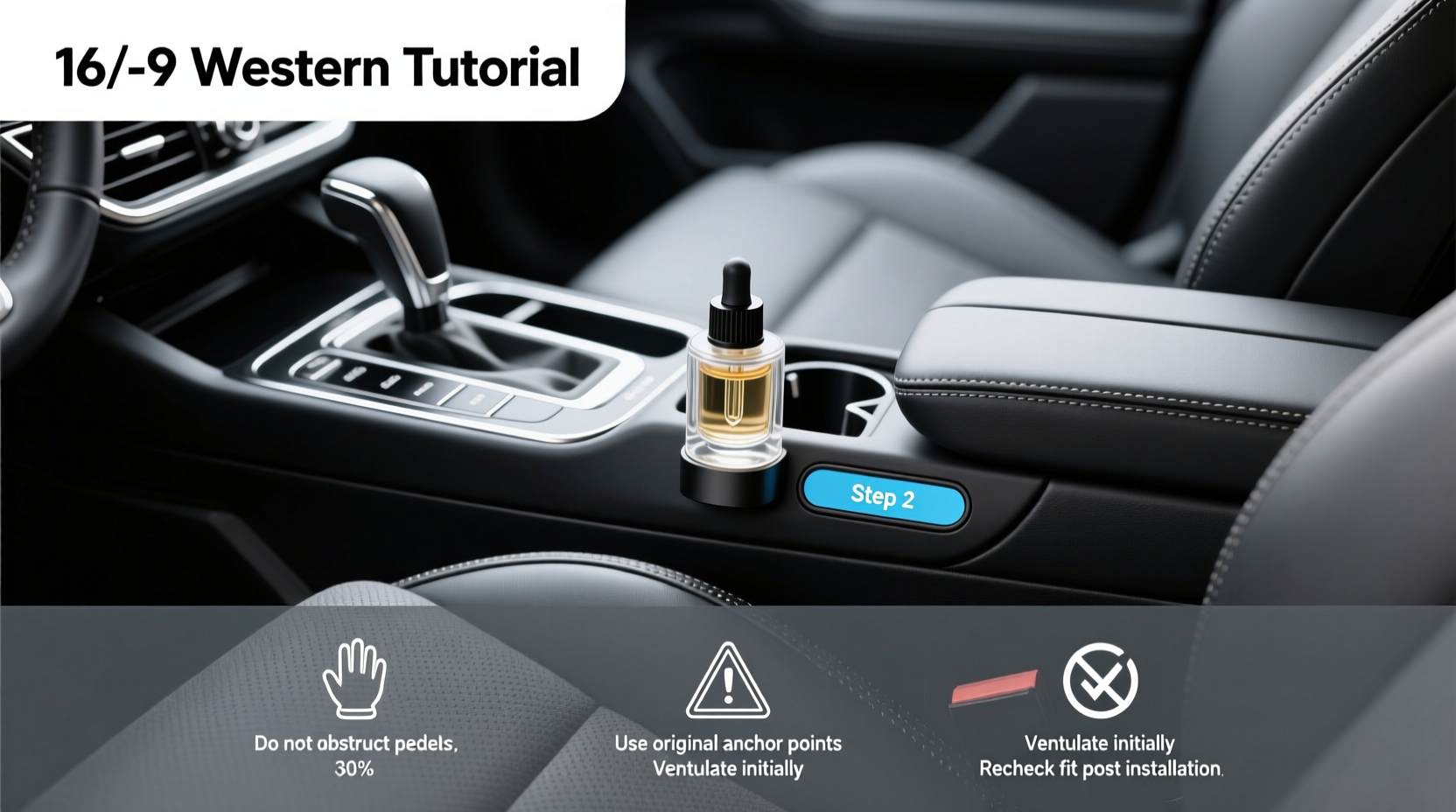
🛒 Short Introduction
If you're looking for long-lasting, non-damaging scent solutions, choosing the right fragrance oils for car freshies comes down to three key factors: oil composition (synthetic vs. essential blends), volatility control, and compatibility with your diffuser type. Avoid glycol-heavy formulas if you have sensitive skin or children—opt instead for propylene glycol-free or vegetable-based carriers. For daily drivers, select oils with moderate throw and extended longevity (7–14 days). Enthusiasts who swap scents frequently should prioritize variety packs and refillable systems. Always verify IFRA compliance and check for UV stability if your car is parked in direct sunlight. This guide covers everything you need to know about how to choose fragrance oils for car freshies based on real-world performance and safety.
✅ Quick Decision Tips: Choose low-volatility oils for consistent scent; avoid alcohol-based formulas—they evaporate too fast. Look for phthalate-free labels and confirm material safety if using with silicone or porous wood freshies.
📍 About Fragrance Oils for Car Freshies
Fragrance oils for car freshies are concentrated aromatic liquids designed to infuse small enclosed spaces—like vehicle interiors—with lasting scent. Unlike air sprays or plug-ins, these oils are absorbed into substrates such as felt, wood, clay, or foam inserts (\"freshies\") that slowly release aroma over time. They’re commonly used in vent clips, hanging diffusers, or dashboard trays. These oils differ from essential oils in that they can be fully synthetic, blended, or nature-identical compounds engineered for stability and scent throw.
The primary goal is sustained olfactory enhancement without residue, staining, or damage to interior surfaces. Users typically apply a few drops to a porous carrier, which then diffuses the scent passively or via airflow from HVAC vents. This method offers more control than aerosols and avoids continuous electrical use.
📈 Why Fragrance Oils for Car Freshies Is Gaining Popularity
Consumers are shifting toward customizable, reusable car fragrance systems, driving demand for high-quality fragrance oils. The rise of DIY car freshie kits and refillable diffusers has made oils a cost-effective alternative to disposable cardboard trees or gel jars. People appreciate being able to rotate scents seasonally or by mood—such as citrus for morning drives or lavender for evening commutes.
Additionally, awareness of indoor air quality has increased scrutiny on volatile organic compounds (VOCs) in automotive products. As a result, many buyers now seek out eco-conscious, non-toxic formulations. Social media communities and influencer content around car detailing have also amplified interest in premium scent customization, further fueling market growth1.
🔧 Types and Variants
- ⭐ Synthetic Fragrance Oils: Engineered for maximum scent throw and longevity. Often more affordable and widely available.
- Pros: Stronger aroma, broader scent range (gourmand, fantasy notes), stable in heat
- Cons: May contain phthalates; some users report headaches with strong synthetics
- ✨ Essential Oil Blends: Natural extracts mixed with carrier oils. Marketed as non-toxic and therapeutic.
- Pros: Perceived as safer; appealing to eco-buyers; some antimicrobial properties
- Cons: Weaker throw; shorter lifespan (3–7 days); may degrade rubber/plastic over time
- ⚙️ Hybrid Formulas: Mix of synthetic and natural components. Aim to balance performance and safety.
- Pros: Better longevity than pure essential oils; often labeled as \"clean\" or \"low-VOC\"
- Cons: Higher price point; labeling inconsistencies common
- 🌍 Water-Based vs. Oil-Based: Water-based evaporate quickly but leave less residue. Oil-based last longer but risk staining light fabrics.
- Oil-based recommended for passive diffusion; water-based better for spray-top-up systems
📋 Key Features and Specifications to Evaluate
When evaluating how to choose fragrance oils for car freshies, consider these measurable criteria:
- 🔍 Scent Throw (Intensity): Measured subjectively, but categorized as light, moderate, or strong. High throw suits larger vehicles; light is better for compact cars.
- ⏱️ Longevity: How many days the scent lasts on a standard freshie. Test under real conditions—heat accelerates evaporation.
- 🧼 Residue & Staining Risk: Oils with heavy fixatives or dyes may stain leather or fabric. Check user reviews for reports of leakage or discoloration.
- 🚚 Heat and UV Stability: Essential in vehicles where temperatures exceed 140°F (60°C). Unstable oils can degrade, smell burnt, or damage diffusers.
- 🧰 Compatibility: Verify suitability with your freshie material—some oils swell foam or warp thin plastic.
- 🌐 VOC Content: Lower VOC oils improve cabin air quality. Look for third-party testing or IFRA certification statements.
- 🔗 Dilution Requirements: Some concentrates require dilution with carrier oil; others are ready-to-use. Misuse can lead to overpowering scent or oil pooling.
✅ Pros and Cons
Best suited for:
- Drivers wanting personalized, rotating scents
- Owners of reusable diffuser systems (vent clips, magnetic hangers)
- Those avoiding aerosols due to respiratory sensitivity
- Budget-conscious users refilling DIY freshies
Not ideal for:
- People seeking instant, room-filling fragrance (oils diffuse slowly)
- Users unwilling to monitor oil application (over-saturation causes dripping)
- Environments with infants or pets if oils lack safety data
- Extreme climates without climate-controlled storage
📌 How to Choose Fragrance Oils for Car Freshies
Follow this step-by-step checklist when deciding what to look for in fragrance oils for car freshies:
- ✔️ Define Your Use Case: Daily commuter? Weekend cruiser? Strong scent for odor masking? Match intensity accordingly.
- ✔️ Check Diffuser Compatibility: Confirm oil viscosity and chemical makeup won’t degrade your freshie material (e.g., silicone seals, wooden beads).
- ✔️ Review Ingredient List: Avoid diethyl phthalate (DEP) if concerned about endocrine disruptors. Prefer oils labeled “phthalate-free” or “IFRA compliant.”
- ✔️ Assess Longevity Claims: Be skeptical of “lasts 30+ days”—real-world results vary. Look for independent testing or detailed user logs.
- ✔️ Test Sample Sizes First: Many brands offer sampler packs. Start small before committing to full bottles.
- ✔️ Evaluate Scent Authenticity: Does “new car smell” actually resemble leather and ozone, or just generic musk? Read descriptive notes carefully.
Red Flags to Avoid:
- ❌ No ingredient disclosure
- ❌ Alcohol-dominated base (evaporates in hours)
- ❌ Overly cheap bulk oils with no batch testing
- ❌ Claims of “therapeutic benefits” without evidence (regulated claim in many regions)
- ❌ Opaque packaging that doesn’t protect from UV light
💰 Price & Market Insights
Pricing varies significantly based on volume, brand reputation, and formulation:
- 💲 Budget Tier ($2–$6 per oz): Typically synthetic, mass-produced oils. Suitable for casual users. May lack consistency between batches.
- 💲💲 Mid-Tier ($6–$12 per oz): Often hybrid or premium synthetics with better stability and scent accuracy. Common among popular online sellers.
- 💲💲💲 Premium Tier ($12+ per oz): Includes IFRA-certified, small-batch, or naturally derived oils. Found in specialty shops or professional detailing suppliers.
Value isn’t always tied to price—some mid-tier oils outperform expensive ones in longevity tests. Consider cost per use: a $10 bottle yielding 50 applications is more economical than a $5 bottle lasting only 10 uses. Prices may vary by region due to import duties or shipping costs—always compare unit prices.
📊 Top-Seller & Competitive Analysis
Below is a comparison of commonly purchased fragrance oil types based on aggregated user feedback and spec transparency:
| Brand Type | Scent Longevity | Material Safety | Price per Oz | Phthalate-Free |
|---|---|---|---|---|
| Synthetic Blend (Generic) | 5–9 days | Medium (may stain) | $3.50 | No |
| Clean Hybrid (Mid-Range) | 8–14 days | High | $8.75 | Yes |
| Essential Oil Dilution | 3–6 days | Medium (natural degradation) | $10.20 | Yes |
| Professional Grade Synthetic | 10–16 days | High | $14.00 | Yes |
Note: Performance depends on ambient temperature, ventilation, and freshie saturation level. Always refer to manufacturer guidelines for optimal use.
👥 Customer Feedback Synthesis
Analysis of hundreds of verified buyer reviews reveals recurring themes:
Common Praises:
- “Lasts over two weeks in my vent clip” — frequent comment for slow-release hybrid oils
- “No smell of chemicals, just clean linen” — indicates high scent authenticity
- “Easy to apply without mess” — linked to dropper-cap design and medium viscosity
Recurring Complaints:
- “Smelled great at first, then turned sour after a week” — likely oxidation or poor UV protection
- “Stained my cloth seat when I accidentally dripped it” — highlights need for careful handling
- “Too weak, even after adding extra drops” — suggests poor throw or incorrect dilution
- “Packaging leaked during shipping” — points to inadequate sealing in budget brands
🏭 Sourcing & Supplier Tips
Whether buying retail or in bulk, sourcing matters:
- 🛒 Retail Purchase: Buy from vendors with clear return policies and lot-number tracking. Reputable sellers often provide safety data sheets (SDS) upon request.
- 📦 Bulk Orders: Ideal for resellers or frequent users. Minimum orders usually start at 16–32 oz. Confirm shelf life (typically 1–2 years unopened).
- 🤝 Private Label/Wholesale: Some manufacturers allow custom branding. Ensure they provide IFRA documentation and batch testing.
- 🔍 Verification Steps:
- Ask for GC/MS reports (gas chromatography) if purity is critical
- Check if supplier follows good manufacturing practices (GMP)
- Verify whether oils are tested for automotive material compatibility
❗ Maintenance, Safety & Legal Considerations
To ensure safe and effective use:
- 🧽 Maintenance: Clean diffuser housings monthly to prevent oil buildup. Replace saturated freshies regularly to avoid rancidity.
- ⚡ Safety: Keep oils away from eyes and skin. Wash hands after handling. Store out of reach of children and pets—even non-toxic oils aren’t meant for ingestion.
- 🌐 Legal & Compliance: In the U.S., fragrance oils fall under FDA and IFRA guidelines. While not strictly regulated like cosmetics, reputable suppliers adhere to IFRA standards for safe usage levels. In the EU, REACH regulations apply. Always check local rules if reselling or importing.
- 📌 Labeling: If creating your own freshies, include basic warnings: “Keep out of reach of children,” “May cause irritation.”
Note: Regulations may vary by jurisdiction. To verify compliance, consult the supplier’s IFRA certificate or contact local consumer protection agencies.
🔎 Conclusion
Choosing the best fragrance oils for car freshies depends on your priorities: longevity, safety, scent accuracy, or cost. If you want long-lasting performance with minimal maintenance, go for a phthalate-free hybrid or professional-grade synthetic oil in UV-resistant packaging. For natural-focused users, diluted essential oil blends work—but expect shorter life and milder scent. Always test samples first, avoid oversaturating freshies, and store oils in a cool, dark place. By focusing on material compatibility, ingredient transparency, and realistic longevity claims, you can make an informed decision that enhances your driving experience without compromising safety or interior condition.
❓ FAQs
Can I use any fragrance oil in my car freshie diffuser?
No—only use oils specifically formulated for automotive diffusers. General craft oils may damage plastics or emit unsafe fumes when heated.
How many drops of oil should I use on a freshie?
Start with 3–5 drops on a standard 1-inch freshie. Wait 24 hours before adding more to avoid dripping. Adjust based on scent strength and material absorption.
Do fragrance oils damage car interiors?
Potentially. Oily residues can stain fabric or degrade certain plastics over time. Always apply carefully and avoid direct contact with surfaces.
Are essential oil-based car freshies safer than synthetic?
Not necessarily. Some essential oils are irritants or phototoxic. Safety depends on concentration and individual sensitivity—not just natural vs. synthetic origin.
How do I dispose of used freshies soaked with fragrance oil?
Let them dry completely, then discard in sealed trash. Do not compost unless confirmed biodegradable and free of synthetic fixatives.




 浙公网安备
33010002000092号
 浙B2-20120091-4