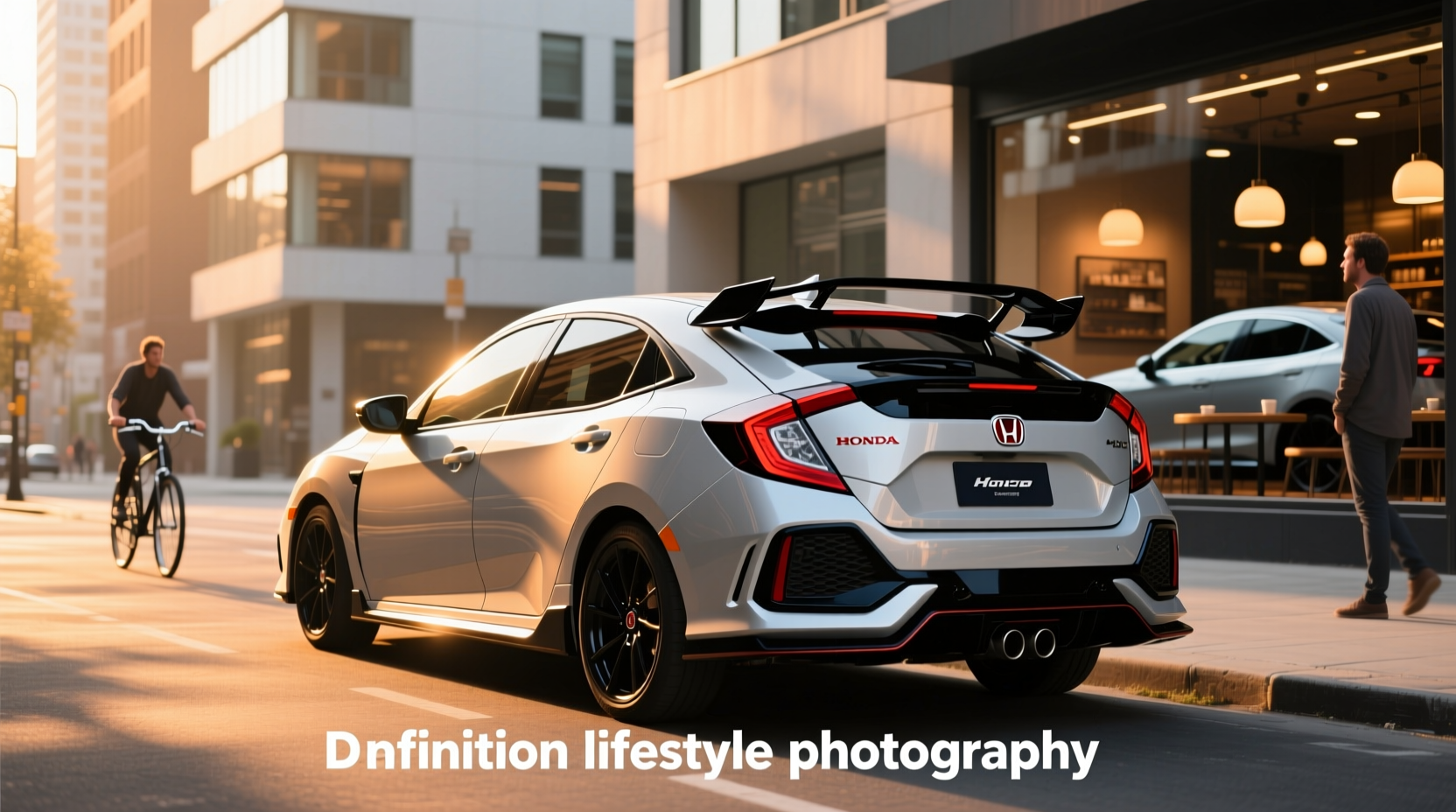
If you’re looking for a Honda Civic hatchback with a spoiler, start by checking the Sport or Sport Touring trim—these often come with integrated rear spoilers as standard. The Civic Type R has the most aggressive wing, designed for track performance. For other trims, factory-approved HPD accessories or aftermarket duckbill spoilers are common upgrades. If you’re a typical user, you don’t need to overthink this. Aesthetic appeal usually matters more than aerodynamics unless you’re modifying for high-speed stability. When choosing, focus on fitment quality and material durability—poorly installed spoilers can trap moisture and damage paint over time.
About Honda Civic Hatchbacks with Spoilers
The Honda Civic hatchback has long appealed to drivers who want practicality without sacrificing sporty styling. Over the past year, interest in visual customization—especially rear spoilers—has grown noticeably among compact car buyers. This isn’t just about looks. Spoilers subtly influence airflow, reduce lift at highway speeds, and enhance the vehicle’s stance. But not all spoilers are equal. Some are functional, others purely cosmetic. And crucially, they vary significantly across model years and trim levels.
The 11th-generation Civic (2022–present) streamlined its design language, making subtle spoilers more effective visually. Earlier models, like the 10th-gen (2016–2021), saw higher adoption of aftermarket wings due to their sharper lines and enthusiast culture. Recently, factory integration has improved, reducing the need for drilling or adhesives in many cases.
Why Honda Civic Spoilers Are Gaining Popularity
Lately, there's been a shift toward personalization in mainstream vehicles. Compact cars like the Civic are no longer just commuter tools—they're platforms for identity. Social media showcases, local meetups, and online forums have amplified demand for distinctive features. The spoiler sits at the intersection of form and function, offering both visual impact and minor performance benefits.
This piece isn’t for keyword collectors. It’s for people who will actually use the product.
Another factor is OEM support. Honda now offers official accessories through HPD (Honda Performance Development), giving owners confidence in fit and finish. These parts undergo weather testing and match factory paint codes, unlike many third-party options. As dealerships promote these upgrades during purchase or lease, awareness has increased.
Types and Variants
1. Factory-Installed Spoilers (Sport & Sport Touring Trims)
- Pros: Seamless integration, covered under warranty, no modification required
- Cons: Limited design options, only available on select trims
If you’re a typical user, you don’t need to overthink this. Choosing a Sport trim with a built-in spoiler ensures reliability and resale value.
2. Civic Type R Rear Wing
- Pros: Functional downforce, iconic design, engineered for high-speed stability
- Cons: Bulky appearance, not suitable for daily-driven non-Type R models
When it’s worth caring about: You track your car regularly or prioritize aggressive styling.
When you don’t need to overthink it: You drive mostly in urban settings below 70 mph.
3. HPD (Honda Performance Development) Accessories
- Pros: Genuine Honda part, tested for durability, easy dealer installation
- Cons: Higher cost than generic aftermarket, limited availability outside North America
If you’re a typical user, you don’t need to overthink this. HPD spoilers offer peace of mind if bought through authorized channels.
4. Aftermarket Duckbill Spoilers
- Pros: Affordable, wide variety of finishes (gloss black, carbon fiber look), simple adhesive installation
- Cons: Risk of peeling, may void paint warranty, inconsistent aerodynamic benefit
When it’s worth caring about: You want a custom look without permanent modification.
When you don’t need to overthink it: You plan to resell within two years—some buyers see non-OEM parts as red flags.
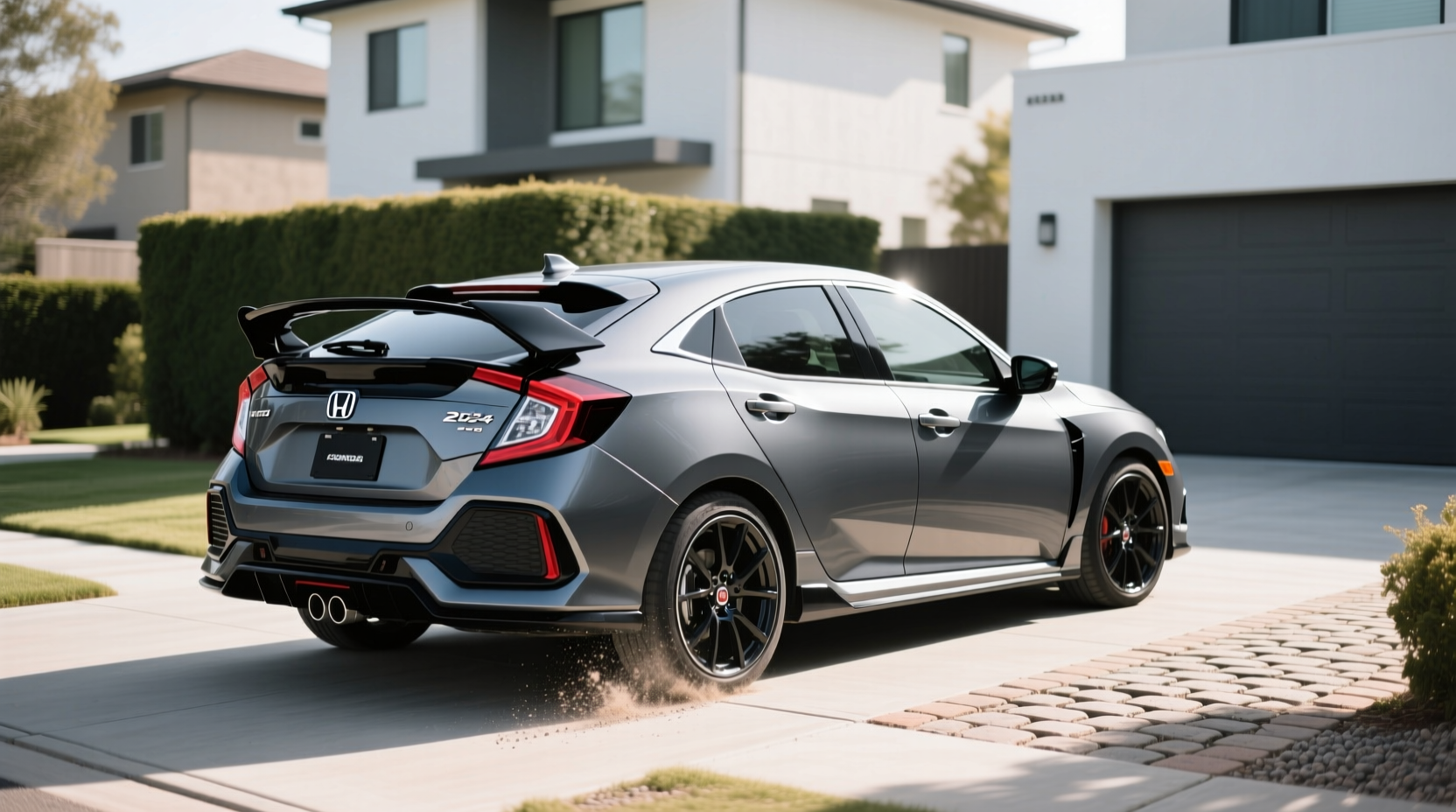
Key Features and Specifications to Evaluate
Don’t get lost in marketing terms. Focus on these measurable aspects:
- Material: ABS plastic is common; polyurethane offers better flexibility in cold climates
- Mounting Method: Adhesive-only vs. bolt-on. Bolt-on lasts longer but requires drilling
- Finish: Paint-matched units blend best; matte black hides imperfections
- Aerodynamic Profile: Flat blades add minimal drag; raised wings may affect fuel economy slightly
If you’re a typical user, you don’t need to overthink this. Most drivers won’t notice any real-world change in handling or efficiency from a small spoiler.
Pros and Cons
Advantages
- Improves rear visibility by breaking up air turbulence
- Adds perceived sportiness to the vehicle’s profile ✨
- Can reduce rear lift at sustained highway speeds ⚡
- Factory and HPD versions maintain warranty coverage 🏭
Drawbacks
- Potential water pooling if poorly sealed 🔧
- Increased wind noise on some aftermarket models
- Limited impact on actual performance for average driving
- May complicate automated car washes with overhanging designs
How to Choose the Right Spoiler: A Practical Guide
Step-by-Step Checklist
- Determine your Civic model year and trim level
- Check if your trim includes a factory spoiler (Sport/Sport Touring/Type R)
- Decide whether you want an OEM, HPD, or aftermarket option
- Verify compatibility with your exact body style (hatchback vs sedan)
- Confirm installation method—adhesive, bolts, or clip-on
- Review return policy in case of fitment issues
- Compare painted vs unpainted options based on your color scheme
Decision Flow
- You drive daily and care about resale → Choose Sport trim with factory spoiler
- You want mild customization → Select HPD accessory via dealership
- You’re on a budget and open to DIY → Consider reputable aftermarket brand with 3M tape backing
- You modify for track use → Look into adjustable wings with proper mounting brackets
Recommendations by Scenario
- Urban Commuter: Skip it unless included. Minimal benefit.
- New Car Buyer: Add HPD spoiler at purchase—financed with the vehicle.
- Used Civic Owner: Check OEM surplus or certified accessories.
- Enthusiast Builder: Research fitment forums before buying.
Red Flags / What to Avoid
- Products claiming "easy installation" without specifying surface prep—cleaning is critical
- Vendors that don’t provide fitment charts for specific model years
- Cheap spoilers made from brittle plastic that cracks in winter
- Universal-fit models marketed for Civics—many don’t align with hatch contours
- Sellers refusing to disclose return policies or warranty terms
Price & Market Insights
Pricing varies widely depending on origin and installation method. Factory-equipped trims typically add $300–$800 to MSRP. HPD accessories range from $400–$900, including paint and labor at dealerships. Aftermarket duckbills can cost as little as $60, but professional installation may double the total.
These figures may vary by region/model/seller. Always check manufacturer specs and verify retailer return policy before ordering.
Top-Seller & Competitive Analysis
While we can't cite specific sales rankings, observed trends from automotive retailers and forums suggest strong preference for OEM-integrated solutions. HPD remains a top choice where available.
| Type | Average Cost | Installation Time | Warranty Support | Resale Impact |
|---|---|---|---|---|
| Factory (Sport Trim) | Included | N/A | Full coverage ✅ | Neutral to positive |
| HPD Accessory | $400–$900 | 1–2 hours | Dealership-backed ✅ | Slight positive |
| Aftermarket Duckbill | $60–$200 | 30–60 min (DIY) | Limited or none ❌ | Potentially negative |
| Civic Type R Wing | N/A (model-specific) | N/A | Standard with vehicle ✅ | Strong positive |
Customer Feedback Synthesis
Based on owner discussions and verified reviews:
Common Praises
- "The HPD spoiler matches perfectly and doesn’t rattle."
- "Love how the Sport trim spoiler completes the look."
- "Easy to clean and doesn’t interfere with opening the hatch."
Frequent Complaints
- "My aftermarket spoiler started lifting after six months."
- "Paint mismatch ruined the whole effect."
- "Didn’t realize it would increase wind noise until I drove on the highway."
Sourcing & Supplier Tips
Where you buy matters as much as what you buy.
- OEM Parts: Use Honda’s official parts portal or contact your local dealer with VIN for precise matching 📍
- HPD Accessories: Only available through authorized Honda dealers—avoid third-party claims of "genuine" HPD gear 🔗
- Aftermarket: Stick to brands with documented fitment guides and responsive customer service 📋
- International Options: UK or JDM-market OEM spoilers sometimes offer unique styles; confirm compatibility before import 🌍
If you’re a typical user, you don’t need to overthink this. Start with your dealership—they can order factory parts even for older models.
Maintenance, Safety & Legal Considerations
No major safety risks are associated with properly installed spoilers. However:
- Inspect adhesive seals annually for cracking or lifting
- Clean underneath periodically to prevent dirt buildup and corrosion
- Ensure no sharp edges could pose injury risk during loading/unloading
Legality is rarely an issue for low-profile spoilers. If modifying with large wings, confirm local regulations regarding protrusion limits and mounting height. To verify: consult municipal transportation codes or ask your inspection station.
Conclusion
If you want a clean, hassle-free upgrade, go for a Civic Sport or Sport Touring hatchback with a factory-installed spoiler. If you already own a base model and want a tasteful enhancement, an HPD accessory is the safest bet. For most drivers, the visual benefit outweighs any technical gain. This isn’t about maximizing downforce—it’s about finishing the look you want.
If you’re a typical user, you don’t need to overthink this.
Everything You Need to Know




 浙公网安备
33010002000092号
 浙B2-20120091-4