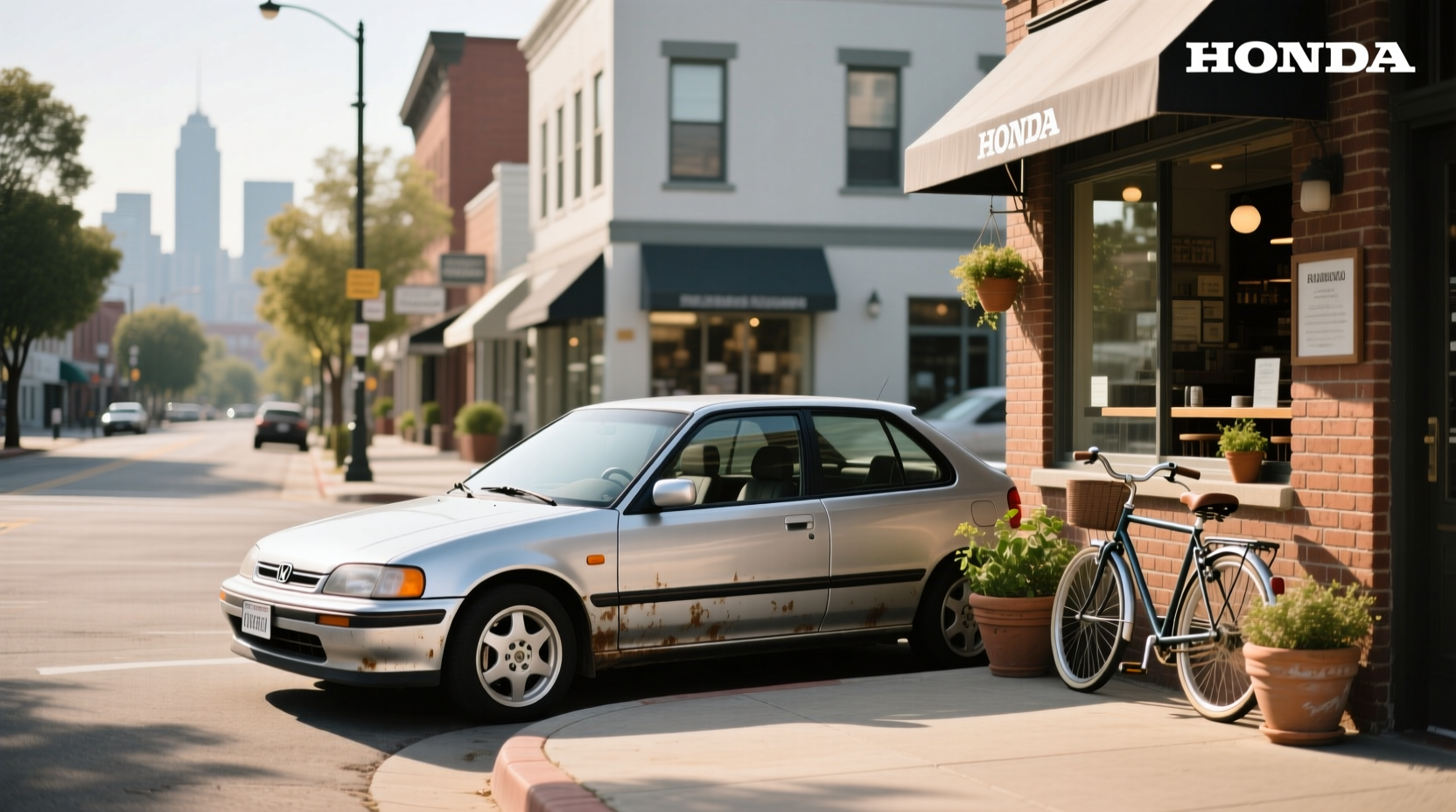
Honda Hatchback 2000 Guide: How to Choose the Right Model
Short introduction
If you're looking for a reliable used hatchback from the year 2000, the Honda Civic is one of the most practical choices—especially the sixth-generation model, which was in its final production year. For buyers asking how to choose a Honda hatchback from 2000, focus on trim level, engine type (VTEC vs. non-VTEC), and regional availability. The EX and Si trims offer better performance; avoid models with unclear maintenance history. If you’re a typical user, you don’t need to overthink this.
Lately, interest in early-2000s Hondas has grown due to their reputation for longevity and mechanical simplicity compared to modern vehicles burdened with complex electronics. Over the past year, online searches for "used Honda hatchback 2000" have risen, especially among DIY mechanics and urban drivers seeking affordable, fuel-efficient transportation. This guide breaks down what actually matters when selecting a model—so you can skip the nostalgia and focus on usability.
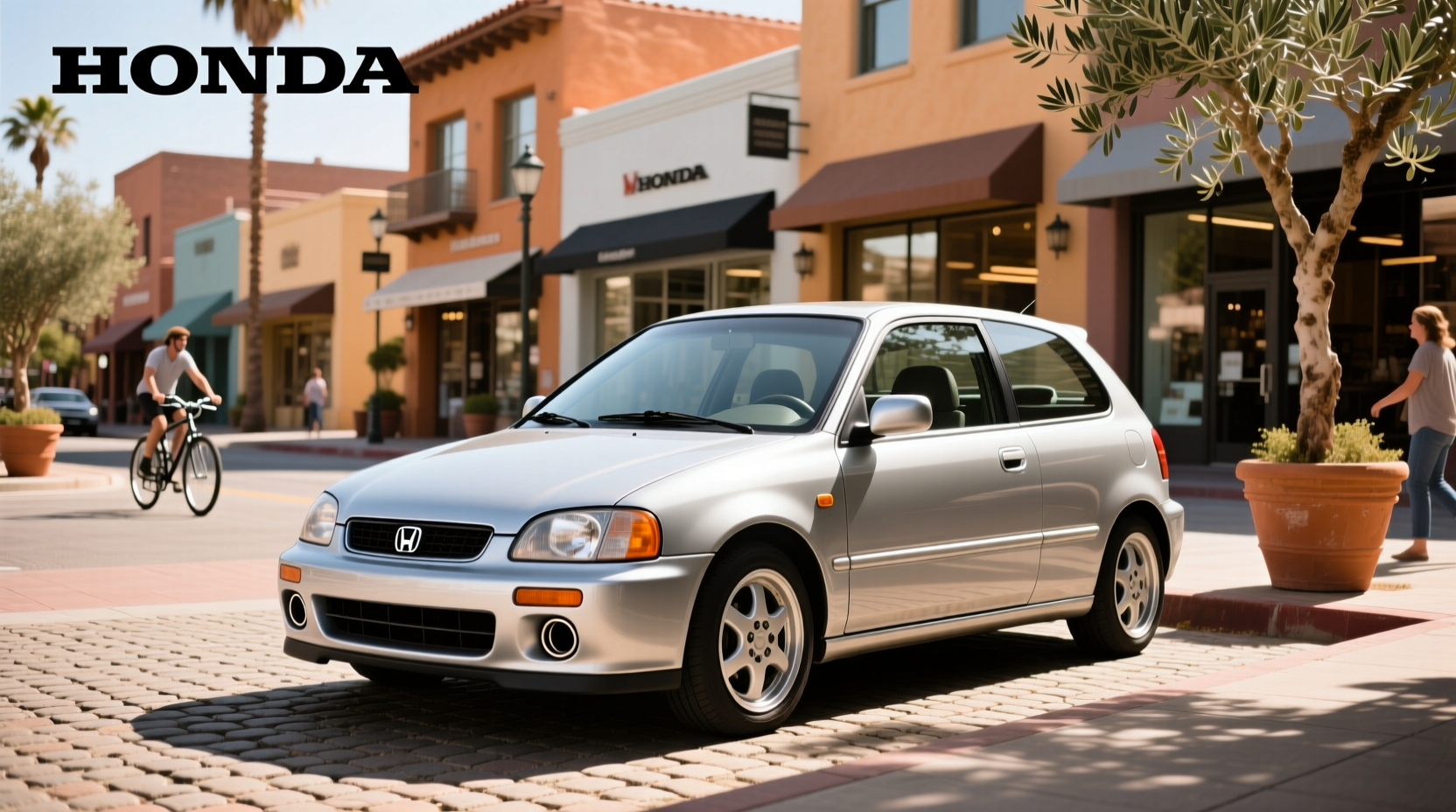
About Honda Hatchbacks in 2000
In 2000, Honda offered several hatchback variants globally, primarily under the Civic nameplate. The sixth generation (1996–2000) was still available early in the year, while the seventh generation debuted in September 2000 as a 2001 model. Most markets received the 5-door hatchback version, though some regions like Europe also got unique configurations such as the Domani-based liftback and Aerodeck wagon.
The core lineup included trims like DX, LX, EX, HX, and the sport-oriented Si. Engine options ranged from the economical 1.6L VTEC-E (HX) to the peppy 1.6L DOHC VTEC (Si). In Japan and Europe, high-performance versions like the Civic Type R were introduced around this time, but these were not widely available outside select markets.
This was also the launch period for the Honda Insight—a two-seat hybrid coupe notable for its aluminum construction and exceptional fuel economy. While not a traditional hatchback, it shared platform logic with Honda’s compact offerings and represented a technological leap forward.
Why Honda Hatchbacks from 2000 Are Gaining Popularity
Over the past year, older Civics have gained traction among budget-conscious buyers, restoration hobbyists, and those avoiding modern car tech. Their appeal lies in proven durability, widespread parts availability, and ease of repair. Unlike newer cars with integrated software systems, the 2000 models rely on mechanical components that are easier to diagnose and replace.
If you’re a typical user, you don’t need to overthink this: the simplicity of the D-series and B-series engines means even novice mechanics can handle basic maintenance. Additionally, emissions standards in many cities still allow pre-2005 vehicles, making them viable for daily use without registration hurdles.
This piece isn’t for keyword collectors. It’s for people who will actually use the product.
Types and Variants
- Civic 1.6 DX/LX: Base models with SOHC 1.6L engine, manual or automatic transmission.
- Civic EX (VTEC): Mid-tier trim with 1.6L DOHC VTEC engine, improved suspension.
- Civic HX (VTEC-E): Fuel-focused model with lean-burn technology, ideal for city driving.
- Civic Si: Sporty coupe/hatch with DOHC VTEC, stiffer chassis, and limited-slip differential.
- European/JDM Civic VTi/Type R: Higher-output engines, lightweight builds, and track-ready tuning.
- Domani-based Liftback: Longer rear deck, marketed in Europe as a family-oriented alternative.
Pros and Cons by Variant
| Model | Pros | Cons |
|---|---|---|
| Civic DX/LX | Reliable, low cost, easy to maintain | Underpowered, basic features |
| Civic EX | Balanced power and efficiency, VTEC responsiveness | Slightly higher parts cost than base models |
| Civic HX | Excellent fuel economy, smooth at low RPM | Less acceleration, rare in some markets |
| Civic Si | Fun to drive, strong engine, sport suspension | Fewer units produced, harder to find |
| Type R (JDM/Euro) | High-revving 2.0L i-VTEC, race-bred handling | Expensive imports, strict import rules apply |
Key Features and Specifications to Evaluate
When assessing a 2000 Honda hatchback, prioritize mechanical condition over cosmetic appeal. Key areas to inspect include:
- Engine type: D16Y7 (non-VTEC), D16Y8 (VTEC), or B16A (Si/Type R). VTEC engines deliver better highway performance.
- Transmission: Manual gearboxes are more durable; automatics may show wear after 150,000 miles.
- Mileage: Well-maintained examples often exceed 200,000 miles. Look for service records.
- Body integrity: Check for rust around wheel arches and undercarriage, especially in cold climates.
- Interior electronics: Power windows, climate control, and stereo systems degrade over time.
If you’re a typical user, you don’t need to overthink this: a clean title, consistent oil changes, and no major accident history matter more than factory-original interiors.
Pros and Cons
Pros
- Proven long-term reliability with proper maintenance
- Low running costs and excellent fuel economy
- Widespread availability of OEM and aftermarket parts
- Simple design allows for DIY repairs
- Strong resale value among enthusiast circles
Cons
- Outdated safety features (no side airbags, weak crumple zones)
- Limited cargo space compared to modern subcompacts
- Basic infotainment (if equipped at all)
- Potential rust in high-salt regions
- Few remaining factory-warranty benefits
How to Choose a Honda Hatchback from 2000
Buying a 20-year-old car requires a clear checklist. Follow these steps to minimize risk and maximize value.
Step-by-Step Checklist
- Define your use case: Daily commuter? Weekend project? City errands?
- Set a budget: Include potential repair costs (up to 15% of purchase price).
- Verify VIN and ownership history: Use a trusted registry to check for accidents or flood damage.
- Inspect engine and transmission: Listen for knocking, check for blue smoke (oil burn), test shift quality.
- Review maintenance logs: Look for timing belt replacements every 60,000–100,000 miles.
- Test drive: Assess steering response, brake feel, and cabin noise.
- Get a pre-purchase inspection: Recommended for any vehicle over $2,000.
Decision Flow
- If you want reliability → go for a Civic EX with documented oil changes.
- If you want fun driving → seek a Civic Si or imported Type R (verify legality).
- If you want maximum fuel economy → consider the HX trim or early Insight hybrid.
- If you’re on a tight budget → accept minor cosmetic flaws but insist on mechanical soundness.
Recommendations by Scenario
- First-time buyer: Civic DX or LX with under 150k miles and local ownership.
- DIY mechanic: Any model with manual transmission and salvageable body.
- Urban driver: HX or standard EX—compact size and low fuel costs win here.
- Enthusiast restorer: Si coupe or Euro-spec VTi hatchback for authenticity.
Red Flags / What to Avoid
- Unexplained gaps in ownership history
- Replaced engine without documentation
- Aftermarket ECU tune with no dyno sheet
- Rust penetrating structural panels
- Vehicles stored outdoors for years
- Priced significantly below market average

Price & Market Insights
Prices for 2000 Honda hatchbacks vary widely based on region, condition, and trim. In North America, a drivable DX or EX typically ranges from $1,500 to $4,000. Si models command premiums ($5,000+) if original and low-mileage. JDM imports like the Type R may exceed $10,000 depending on auction results and shipping costs.
Keep in mind that values may vary by region/model/seller. Enthusiast forums and classifieds like Parkers.co.uk 1 or ExchangeandMart 2 offer localized pricing trends. Always verify current listings near you before offering.
Top-Seller & Competitive Analysis
The Civic hatchback dominated its segment in 2000 due to balance of efficiency, space, and refinement. Competitors included the Toyota Corolla, Mazda Familia (323), and Volkswagen Golf. However, the Civic stood out for its VTEC engine option and lighter curb weight.
| Model | Engine | MPG (est.) | Notable Advantage |
|---|---|---|---|
| Honda Civic EX | 1.6L DOHC VTEC | 32 city / 38 hwy | Responsive throttle, smooth shifting |
| Toyota Corolla CE | 1.8L SOHC | 29 city / 36 hwy | Durable but less engaging drive |
| Mazda 323 FS | 1.6L DOHC | 28 city / 35 hwy | Sporty feel, weaker resale |
| VW Golf GL | 2.0L SOHC | 25 city / 31 hwy | Solid build, costlier repairs |
Customer Feedback Synthesis
Based on owner reviews from sources like Parkers.co.uk and enthusiast communities, common themes emerge:
Highly Praised
- Longevity: Many report 200,000+ mile engines with only routine servicing
- Fuel economy: Real-world MPG close to EPA estimates
- Parts availability: OEM and aftermarket support remains strong
- Driving engagement: Light steering and direct shifter praised
Frequently Criticized
- Thin door panels and interior plastics
- Lack of modern safety aids (ABS optional, no stability control)
- Noise levels at highway speeds
- Early electronic failures (radio, window motors)
Sourcing & Supplier Tips
When sourcing a 2000 Honda hatchback, prioritize private sellers with full documentation. Dealerships rarely stock these models unless part of a classic inventory. Online platforms like local Facebook groups, Craigslist, or Gumtree (UK) often list well-maintained examples.
For parts, OEM components can be sourced through Honda dealerships or authorized distributors. Aftermarket suppliers like RockAuto or eBay Motors offer cost-effective alternatives. Verify compatibility using the VIN or chassis code (e.g., EM1, ES6).
If you’re a typical user, you don’t need to overthink this: start with a locally owned car, avoid cross-country purchases without inspection, and confirm return policy if buying online.
Maintenance, Safety & Legal Considerations
Regular maintenance is critical for longevity. Key intervals include:
- Oil change: Every 3,000–5,000 miles
- Timing belt: Replace every 60,000–100,000 miles
- Brake fluid: Flush every 2 years
- Suspension bushings: Inspect every 50,000 miles
Safety-wise, the 2000 Civic lacks advanced driver aids. It earned a 4-star NHTSA frontal crash rating when tested, but side impact protection is minimal. Consider adding modern LED lighting and high-grip tires to improve visibility and control.
Legally, ensure the vehicle meets your state or country’s emissions and registration requirements. Some regions exempt vehicles over 20 years old from smog checks. Confirm local regulations before purchase.
Conclusion
If you need dependable, low-cost transportation with room for customization, a 2000 Honda Civic hatchback—particularly the EX or Si trim—is a solid choice. If your priority is fuel efficiency and light-duty use, the HX or base DX will serve reliably. If you’re a typical user, you don’t need to overthink this: focus on maintenance history, avoid rust-prone examples, and test thoroughly before committing.




 浙公网安备
33010002000092号
 浙B2-20120091-4