
If you’re looking at a 2010 Honda Civic hatchback, focus on engine type, service history, and accident records. The 1.8L i-VTEC is the most balanced choice for daily driving—reliable, fuel-efficient, and widely supported. Avoid models with mismatched odometer readings or rust on rear wheel arches. If you’re a typical user, you don’t need to overthink this: a well-maintained Civic from 2010 with under 180,000 km offers predictable ownership and low repair costs. Over the past year, demand for used Civics from this era has stabilized as newer models flood the market, but their reputation for durability keeps them relevant in budget-conscious circles.
About the 2010 Honda Civic Hatchback
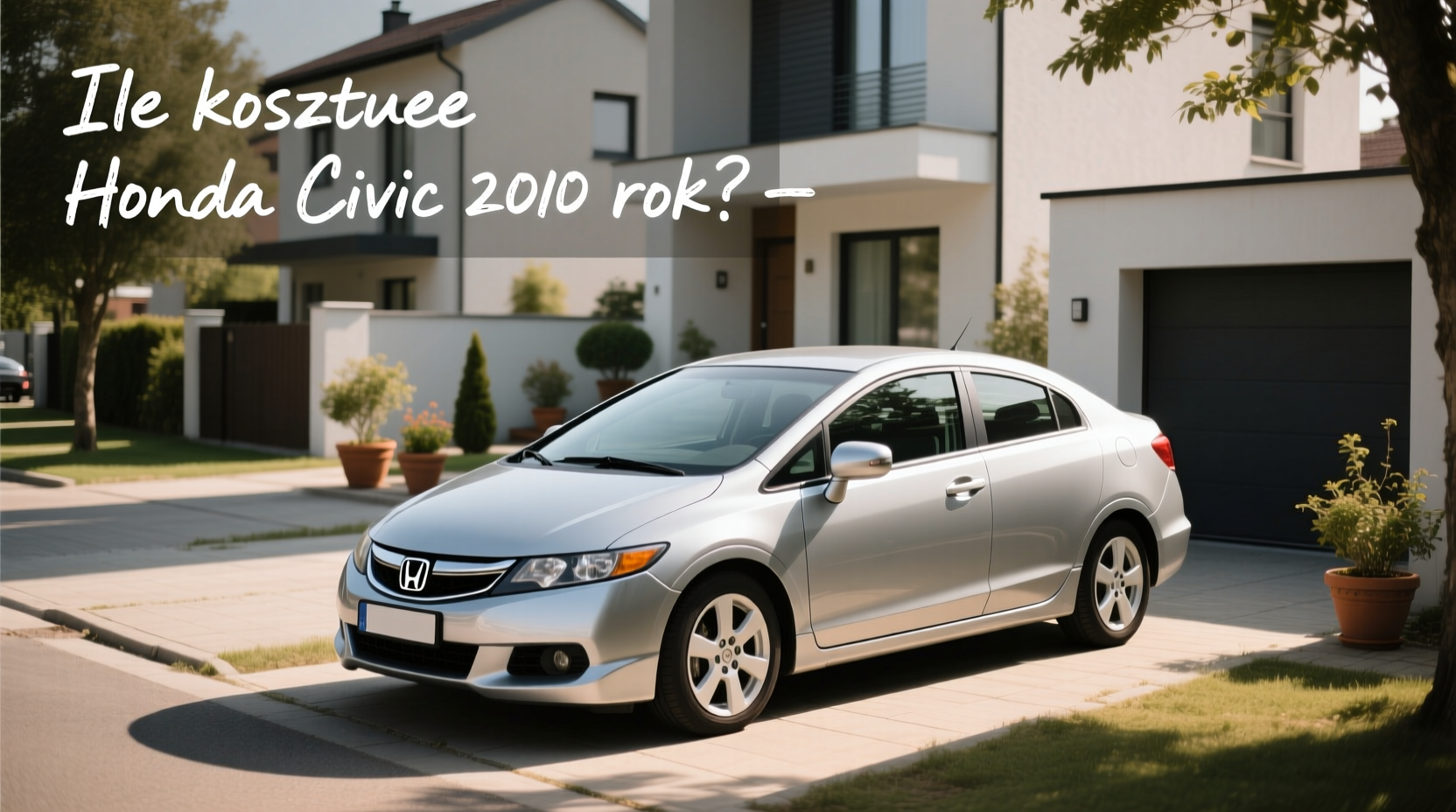
The eighth-generation Honda Civic (2006–2011) was designed for efficiency, practicality, and driver engagement. The 2010 model year brought minor updates: revised front fascia styling, improved interior materials, and standard stability control in many markets. Available as sedan or hatchback, the five-door version appeals to urban drivers needing cargo flexibility without sacrificing compact dimensions. It seats four comfortably, with a roomy trunk and foldable rear seats. While not sporty like the Type R, the hatchback balances handling and comfort better than most economy cars of its time.
Why the 2010 Civic Remains Relevant
Lately, older reliable sedans have gained attention due to rising new car prices and supply chain delays. The 2010 Civic stands out because it avoids major design flaws seen in earlier years—like the problematic 2007–2008 throttle body issue—and predates the more complex infotainment systems that plague later models. Its mechanical simplicity means fewer electronic gremlins and easier diagnostics. For buyers avoiding modern software-heavy vehicles, the 2010 Civic offers a refreshingly analog experience with proven longevity. If you’re a typical user, you don’t need to overthink this: if the car runs cleanly and has been serviced regularly, it will likely continue doing so for years.
Types and Variants
The 2010 Civic hatchback came in several trims and powertrains, each suited to different needs:
1.8L i-VTEC (Petrol)
- Pros: Smooth power delivery, good fuel economy (~6.5 L/100km combined), low maintenance cost, wide parts availability
- Cons: Underpowered when fully loaded, less torque than diesel options
2.2L i-DTEC (Diesel – Europe only)
- Pros: Strong low-end torque, excellent highway efficiency (~5.0 L/100km), ideal for high-mileage drivers
- Cons: Higher initial cost, DPF (diesel particulate filter) can be expensive to replace, not available in North America
Type S (Sport Trim)
- Pros: Firmer suspension, limited-slip differential, sportier steering feel, visual upgrades
- Cons: Stiffer ride quality, pricier to insure, rarer and often modified
This piece isn’t for keyword collectors. It’s for people who will actually use the product.
Key Features and Specifications to Evaluate
When assessing a used 2010 Civic hatchback, prioritize these features based on your usage pattern:
Engine Condition
When it’s worth caring about: High-mileage examples (>160,000 km) or those with inconsistent service history.
When you don’t need to overthink it: If the engine starts quickly, idles smoothly, and shows no blue smoke, it’s likely fine. If you’re a typical user, you don’t need to overthink this—most 1.8L engines last beyond 200,000 km with basic care.
Transmission (Manual vs Automatic)
When it’s worth caring about: If you drive mostly in traffic or value smooth shifts.
When you don’t need to overthink it: Manual gearboxes are simpler and cheaper to maintain. Automatic versions from this year are generally robust unless abused or poorly serviced.
Suspension and Steering
When it’s worth caring about: After rough roads or pothole damage.
When you don’t need to overthink it: Minor wear is normal; clunking noises or pulling require inspection.
Interior Electronics
When it’s worth caring about: If navigation, climate controls, or windows malfunction repeatedly.
When you don’t need to overthink it: Isolated button failures are easy fixes. Widespread electrical glitches suggest deeper issues.
Pros and Cons
Pros ✅
- Proven long-term reliability
- Fuel-efficient engines across variants
- Low cost of routine maintenance
- Solid resale value for age
- Compact size eases city maneuvering
Cons ⚠️
- Ride can feel stiff on poor roads
- Infotainment system outdated by modern standards
- Rear seat space tight for tall adults
- Plastic interior trim shows wear over time
- Diesel models may face future emissions restrictions
How to Buy a 2010 Honda Civic Hatchback
A step-by-step approach reduces risk and ensures you get a dependable vehicle.
Step-by-Step Checklist 📋
- Verify ownership history and number of previous owners
- Request full service records (especially timing belt changes)
- Inspect for rust—common areas: rear wheel wells, door sills
- Test drive focusing on transmission smoothness and brake feel
- Scan for stored engine codes using an OBD2 reader
- Check tire wear patterns for alignment issues
- Review exterior panel gaps for signs of prior accidents
Decision Flow 🔍
If your priority is low running cost → choose 1.8L petrol with manual transmission.
If you drive over 20,000 km/year → consider diesel (where legal and available).
If you want sportier dynamics → seek a Type S with documented care.
If budget is under $3,500 USD (~15,000 zł) → expect higher mileage or minor cosmetic flaws.
Recommendations by Scenario
- First-time buyer: Prioritize service history over low mileage.
- City commuter: Hatchback body + 1.8L engine ideal for parking and fuel economy.
- Long-term keeper: Confirm timing belt was replaced around 100,000–120,000 km.
Red Flags / What to Avoid ❗
- Sold “as-is” without test drive opportunity
- Inconsistent service stamps or handwritten logs
- Oil leaks near valve cover or oil pan
- Cracked dashboard (sign of sun damage or neglect)
- Replaced catalytic converter (possible underlying engine issue)
Price & Market Insights
Pricing varies significantly by region, condition, and engine type. In Poland, recent listings show:
| Model Year | Engine | Average Price (PLN) | Notes |
|---|---|---|---|
| 2006–2007 | 1.8L i-VTEC | 13,000 – 18,000 | 20-year-old models; lower availability |
| 2010 | 1.8L i-VTEC | 18,000 – 25,000 | Stronger demand due to newer age |
| 2010 | 2.2L i-DTEC | 20,000 – 25,000 | Diesel premium reflects fuel savings |
| 2010 | Type S | ~22,000 | Premium for sport trim, if unmodified |
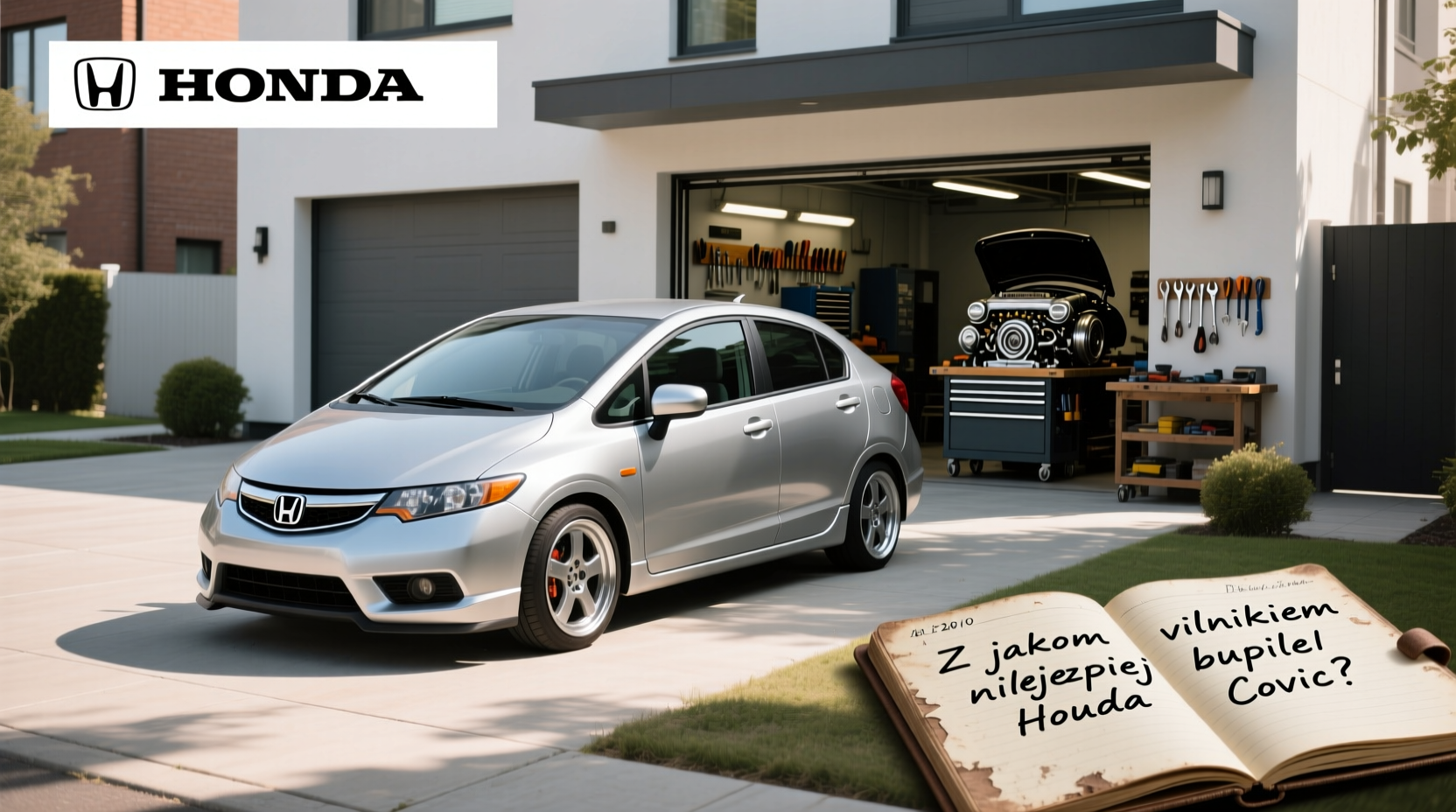
Prices may vary by region/model/seller. To verify current values, check aggregated platforms like Autoplac.pl or Otomoto.pl for real-time comparisons 1. In Western Europe or North America, similar models sell for €3,000–€6,000 depending on import status and local taxes.
Top-Seller & Competitive Analysis
The 2010 Civic competes with contemporaries like the Toyota Corolla, Mazda3, and Volkswagen Golf. Here's how they compare:
| Model | Reliability | Fuel Economy | Parts Cost | Resale (Relative) |
|---|---|---|---|---|
| Honda Civic 2010 | ⭐⭐⭐⭐☆ | ⭐⭐⭐⭐☆ | ⭐⭐⭐⭐☆ | High |
| Toyota Corolla 2010 | ⭐⭐⭐⭐☆ | ⭐⭐⭐☆☆ | ⭐⭐⭐☆☆ | High |
| Mazda3 2010 | ⭐⭐⭐☆☆ | ⭐⭐⭐☆☆ | ⭐⭐☆☆☆ | Medium |
| Volkswagen Golf 2010 | ⭐⭐☆☆☆ | ⭐⭐⭐☆☆ | ⭐☆☆☆☆ | Medium-Low |
The Civic leads in overall balance—few weaknesses, strong support network. While the Corolla matches reliability, the Civic offers sharper handling. The Mazda3 feels more engaging but has higher repair costs. The Golf, while refined, suffers from costlier maintenance and aging turbocharged engines.
Customer Feedback Synthesis
Based on owner reports across forums and review sites:
Common Praises ✨
- “Still running strong at 190,000 km with only oil changes and brakes.”
- “Easy to park and very reliable for daily school runs.”
- “Great highway stability despite small size.”
Recurring Complaints 🔧
- “Radio failed twice—aftermarket units fit easily though.”
- “Rear suspension creaks over bumps—common after 120,000 km.”
- “Climate control knobs break easily—cheap plastic.”
Most negative feedback ties to age-related wear rather than inherent design flaws.
Sourcing & Supplier Tips
Where you buy matters as much as what you buy:
- Private sellers: Often offer lower prices but limited recourse. Always get an independent inspection.
- Certified pre-owned dealers: May include warranty, but markup is common.
- Online marketplaces: Use filters for non-smoker, accident-free, full service history.
- Auctions: Riskier but potential for deals—only enter if mechanically knowledgeable.
If you’re a typical user, you don’t need to overthink this: paying slightly more for documented maintenance beats chasing the lowest price.
Maintenance, Safety & Legal Considerations
Maintenance: Follow factory intervals. Key items: timing belt (replace every 100,000–120,000 km), spark plugs, coolant, brake fluid.
Safety: Standard ABS and dual airbags were typical. No advanced driver aids—expect basic protection.
Legal: Emissions compliance varies by country. Check local requirements before importing or registering, especially for diesel models. Verify VIN against national databases for theft or salvage titles.
Conclusion
If you need a durable, economical hatchback for city or mixed driving, the 2010 Honda Civic with a 1.8L i-VTEC engine is a sound choice. If you plan to keep it long-term, confirm major services are up to date. If you’re a typical user, you don’t need to overthink this—focus on condition, not calendar age.
Everything You Need to Know
In Poland, prices for a 2010 Honda Civic hatchback typically range from 18,000 to 25,000 zł, depending on engine, trim, and condition. Diesel and Type S variants sit at the upper end. Older models (2006–2007) may be found for 13,000–18,000 zł. Prices may vary by region/model/seller—verify through local listing aggregators like Otomoto.pl or Autoplac.pl.
The 1.8L i-VTEC petrol engine offers the best balance of reliability, efficiency, and serviceability for most users. The 2.2L i-DTEC diesel suits high-mileage drivers in Europe but comes with DPF maintenance concerns. Avoid modified engines or unclear rebuild histories. If you’re a typical user, you don’t need to overthink this—stick with stock 1.8L unless you have specific needs.
Yes, many 2010 Civics remain roadworthy today if properly maintained. Honda’s build quality and simple engineering contribute to longevity. Watch for rust, worn suspension components, and outdated electronics. Regular oil changes and timely belt replacements are critical. If you’re a typical user, you don’t need to overthink this—mechanical reliability remains strong even at this age.
Known issues include failing window regulators, cracked dashboards (due to UV exposure), and occasional i-VTEC solenoid faults. Some automatic transmissions exhibit shuddering if fluid wasn’t changed regularly. Rust on rear wheel arches is common in regions using road salt. Most problems are manageable with routine checks and modest repairs.
A 2006 Civic (VIII generation) can still function well, but parts availability and overall condition become bigger concerns. These models are now 18+ years old, so finding one with clean history and no rust is harder. Expect higher maintenance needs. The 2010 model offers better safety features and fresher engineering. Unless you're restoring or seeking a bargain with full mechanical knowledge, the 2010 version is preferable.




 浙公网安备
33010002000092号
 浙B2-20120091-4