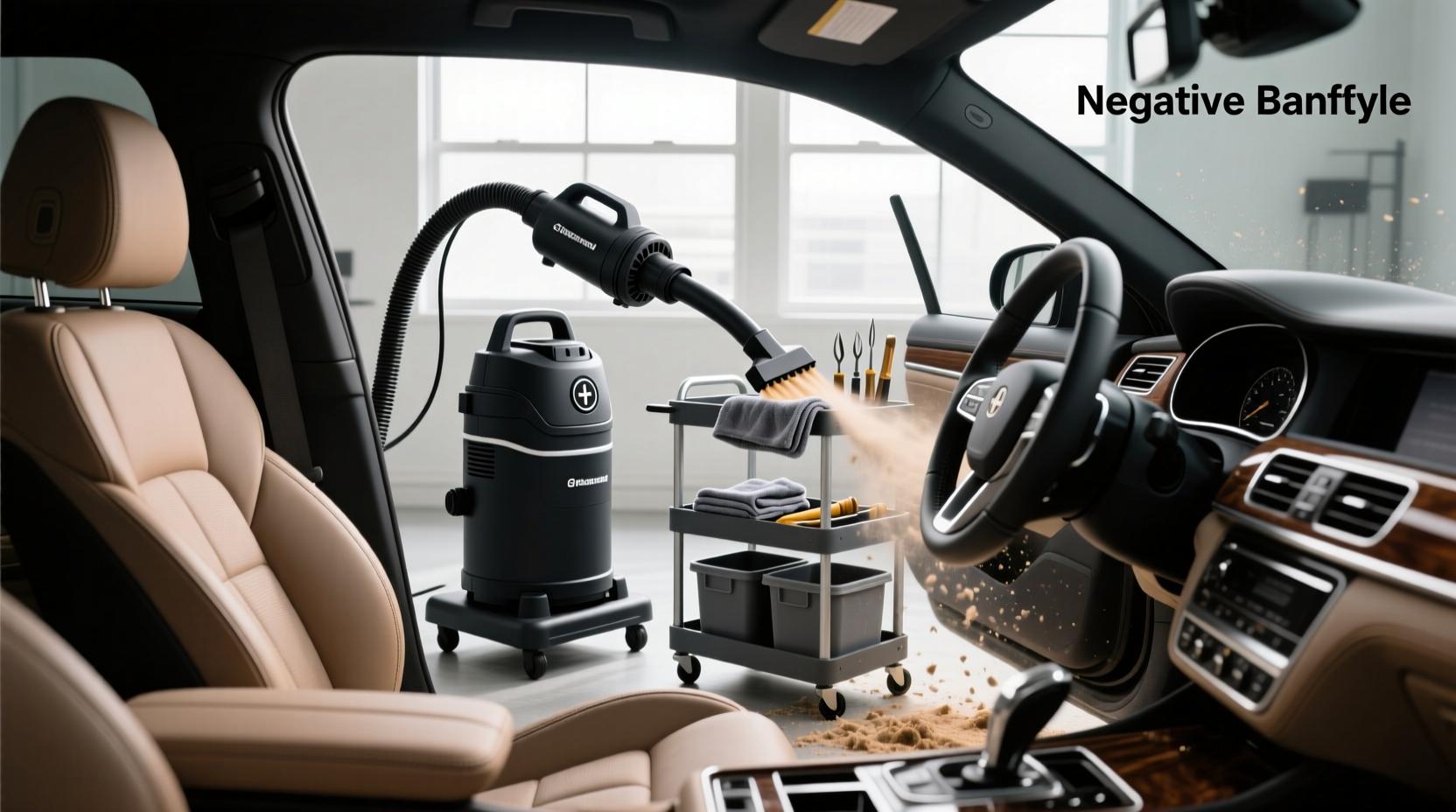
If you're asking how to choose an automotive car vacuum cleaner or wondering what vacuum do auto detailers use, start here: professionals prioritize strong suction, wet/dry capability, durability, and specialized attachments. For shop-based operations, wall-mounted or high-capacity wet/dry vacuums like the Ridgid WD4070 are common due to consistent power and large tanks. Mobile detailers often choose compact, portable models such as the EGO Power+ 9 Gallon or cordless options like the Worx 20V Cube Vac for ease of transport and flexibility. Key factors include suction strength (measured in air watts or water lift), bin capacity, hose length, weight, and compatibility with essential tools like crevice nozzles and turbo brushes. Avoid models with flimsy hoses or poor filtration if you plan frequent use.
About automotive car vacuum cleaner,What vacuum do auto detailers use?
An automotive car vacuum cleaner is specifically designed to clean vehicle interiors, which present unique challenges like confined spaces, mixed surfaces (fabric, leather, plastic), and potential liquid spills. Unlike standard home vacuums, these units are built to handle fine dust, debris, sand, pet hair, and moisture without clogging or damage. The question what vacuum do auto detailers use reflects a need for reliability and performance under repeated commercial use. These vacuums are used in both personal and professional settings—DIY car owners cleaning their own vehicles, mobile detailers servicing cars on-site, and fixed-location shops handling multiple vehicles daily. Their primary function is deep-cleaning carpets, seats, floor mats, consoles, vents, and door panels efficiently and thoroughly.
Why automotive car vacuum cleaner,What vacuum do auto detailers use? is gaining popularity
The demand for effective automotive car vacuum cleaners has grown alongside the rise of the car care industry and increased consumer focus on interior maintenance. As vehicles become more technologically advanced and expensive, owners invest more in preserving cabin condition. Additionally, the growth of mobile detailing services means professionals require lightweight, powerful, and durable equipment that can be transported easily. Consumers also seek convenience—cordless handheld models offer quick cleanup between errands or after transporting pets. The shift toward electric vehicles (EVs) hasn’t changed vacuum needs directly but has heightened attention to cabin air quality, making HEPA-filter-equipped models more desirable. This growing awareness drives interest in understanding what to look for in an automotive car vacuum cleaner beyond basic suction.
Types and variants
Different types of vacuums serve distinct purposes depending on usage frequency, location, and budget. Knowing the differences helps answer how to choose an automotive car vacuum cleaner.
🛒 Wall-Mounted Vacuums
Commonly found in professional auto shops, these systems connect to a central unit via long hoses.
- Pros: High, consistent suction; saves floor space; ideal for high-volume work
- Cons: Not portable; requires installation; higher upfront cost
🚚 Compact & Mobile Wet/Dry Vacuums
These standalone units are popular among both professionals and serious DIYers.
- Pros: Powerful suction; handles liquids and solids; durable construction
- Cons: Heavier than handhelds; requires storage space; needs power outlet
⚡ Cordless Handheld Vacuums
Battery-powered models offer freedom of movement and are perfect for spot cleaning.
- Pros: Lightweight; easy to store; no cords; great for tight spaces
- Cons: Limited runtime; smaller bin capacity; less suction than corded models
🏭 Corded Stick Vacuums
A hybrid between upright and handheld designs, often used in residential and light commercial settings.
- Pros: Longer reach; better ergonomics; moderate suction power
- Cons: Tied to power source; bulkier than handhelds; limited mobility
Key features and specifications to evaluate
When evaluating automotive car vacuum cleaner, what vacuum do auto detailers use, consider these measurable and functional attributes:
- 🔧 Suction Power: Measured in air watts or inches of water lift. Higher values indicate stronger debris pickup, especially from embedded dirt in fabrics.
- 💧 Wet/Dry Functionality: Essential for cleaning up spills, shampoo extraction residue, or rainy-day messes. Ensure seals and motor protection prevent damage from moisture.
- 📦 Bin or Tank Capacity: Larger tanks (e.g., 4+ gallons) reduce emptying frequency during multi-vehicle detailing. Smaller bins (under 1L) suit quick cleanups.
- ⚖️ Weight & Portability: Units under 10 lbs are easier to carry between vehicles. Look for ergonomic handles and compact footprints.
- 🧰 Attachments: A versatile set—including crevice tools, soft brushes, turbo nozzles, and blower tips—improves access and effectiveness across surfaces.
- 🔋 Battery Life (for cordless): Aim for at least 15 minutes of continuous runtime. Swappable batteries extend usability.
- 🛡️ Filtration System: HEPA filters capture fine particles and allergens, important for allergy sufferers or detailed cabin restoration.
- 🔌 Hose Length & Quality: Longer hoses (10–20 ft) improve reach. Reinforced, non-kinking hoses perform better than thin, flexible ones.
Pros and cons
| Use Case | Recommended Type | Advantages | Limits / Drawbacks |
|---|---|---|---|
| Professional shop detailing | Wall-mounted or large wet/dry | High efficiency, minimal downtime | Not mobile; costly setup |
| Mobile detailing service | Compact wet/dry or cordless | Packable, powerful enough for full cleans | May require generator or extension cords |
| Home garage use | Mid-sized wet/dry or corded stick | Good balance of power and price | Takes storage space |
| Quick cleanups / touch-ups | Cordless handheld | Instant access, easy storage | Limited suction and runtime |
How to choose automotive car vacuum cleaner,What vacuum do auto detailers use?
Follow this step-by-step checklist when deciding how to choose an automotive car vacuum cleaner:
- Define your use case: Are you a professional, mobile technician, or occasional user?
- Evaluate power needs: For heavy debris or wet jobs, prioritize wet/dry models with 3+ HP or equivalent suction.
- Check portability requirements: If moving between locations, opt for units under 12 lbs with comfortable handles.
- Inspect included attachments: Ensure it comes with or supports crevice tools, turbo brushes, and soft nozzles.
- Review filtration: Add a HEPA filter if allergies or fine dust are concerns—even if not included by default.
- Test hose quality: Replace stock hoses with commercial-grade versions if they feel flimsy.
- Verify warranty and support: Lifetime warranties (like Ridgid’s) signal confidence in durability.
Red flags to avoid:
- ❌ No wet/dry capability if you expect liquid spills
- ❌ Poor customer reviews about motor burnout or plastic cracking
- ❌ Incompatible or missing attachment ports
- ❌ Short battery life (<10 min) for cordless models intended for full vehicle cleaning
Price & market insights
Prices vary significantly based on type and performance. Basic cordless handhelds start around $50, while premium corded wet/dry models range from $100–$200. Professional wall-mounted systems can exceed $500. Generally:
- Budget ($50–$100): Entry-level cordless or small wet/dry units. Suitable for light-duty use.
- Midscale ($100–$180): Includes reliable models like Ridgid WD4070 or EGO Power+. Ideal for regular detailing.
- Premium ($180+): High-end cordless sticks (e.g., Dyson V8) or commercial installations. Justified for pros needing top performance.
Value isn't always tied to price—some affordable models outperform pricier ones in specific tasks. Always compare specs per dollar and read verified buyer feedback before purchasing.
Top-seller & competitive analysis
Below is a comparison of leading models frequently recommended when discussing what vacuum do auto detailers use.
| Model | Type | Weight | Bin Capacity | Battery Life | Key Features | Price |
|---|---|---|---|---|---|---|
| Ridgid WD4070 | Wet/Dry | 10.0 lbs | 4 gallons | N/A | 5 HP, 20' cord, Lifetime Warranty | $120 |
| EGO Power+ 9 Gallon | Wet/Dry | 12.0 lbs | 9 gallons | N/A | Powerful suction, reliable, affordable | $150 |
| Worx 20V Cube Vac | Cordless Handheld | 3.0 lbs | 207 ml | 21.4 minutes | Strong suction, long battery life, crevice tool | $96 |
| Dyson V8 | Cordless Stick | 5.58 lbs | 530 ml | 36.9 minutes | Outstanding cleaning, powered brushes, long runtime | $300 |
| Shark MessMaster | Corded Shop Vac | 9.8 lbs | 1,893 ml | N/A | Excellent cleaning performance, large bin | $170 |
While the Ridgid WD4070 remains a staple for its durability and value, the EGO offers greater capacity for similar pricing. The Worx 20V stands out in cordless performance, whereas the Dyson V8 delivers superior run time and brushroll technology at a much higher cost.
Customer feedback synthesis
Analysis of verified buyer reviews reveals consistent patterns:
- ✅ Frequently praised: Suction strength (especially in Ridgid and EGO), battery life in cordless models, ease of emptying bins, and inclusion of useful attachments.
- ❗ Common complaints: Flimsy stock hoses (noted across several brands), lack of HEPA filters in mid-tier models, short power cords limiting mobility, and noise levels above 75 dB.
- 🔧 Frequent upgrades: Users often replace original hoses with reinforced versions and add aftermarket HEPA filtration kits for improved air quality.
Sourcing & supplier tips
Automotive vacuums are widely available through major retailers (e.g., Home Depot, Amazon, Walmart), specialty auto parts stores, and industrial suppliers. For bulk purchases or resale:
- Consider authorized distributors to ensure genuine products and full warranty coverage.
- Look for B2B platforms offering volume discounts or drop-shipping options.
- Always verify return policies and check for open-box deals on last year’s models.
- When importing or sourcing internationally, confirm voltage compatibility and plug types match your region.
Maintenance, safety & legal considerations
To extend lifespan and ensure safe operation:
- Empty the bin after each use and clean filters regularly according to manufacturer instructions.
- Never use a wet/dry vacuum for flammable liquids or combustible dust without proper certification.
- Inspect cords and housings for cracks or wear before each use.
- Store in a dry place to prevent mold and electrical hazards.
- Compliance with local electrical safety standards (e.g., UL listing in the U.S.) is essential—verify product certifications before commercial deployment.
For businesses, maintaining equipment logs and adhering to workplace safety guidelines helps mitigate liability risks.
Conclusion
Choosing the right automotive car vacuum cleaner depends on your specific needs. If you’re a stationary professional detailer, a wall-mounted or robust wet/dry model like the Ridgid WD4070 offers unmatched durability and power. Mobile technicians should prioritize lightweight, portable units such as the EGO Power+ 9 Gallon or Worx 20V Cube Vac. For homeowners doing light cleaning, a cordless handheld may suffice. Regardless of type, investing in quality attachments and upgrading components like hoses and filters enhances performance. Always assess suction, capacity, build quality, and compatibility before buying. Answering what vacuum do auto detailers use isn’t about one-size-fits-all—it’s about matching tools to workflow.




 浙公网安备
33010002000092号
 浙B2-20120091-4