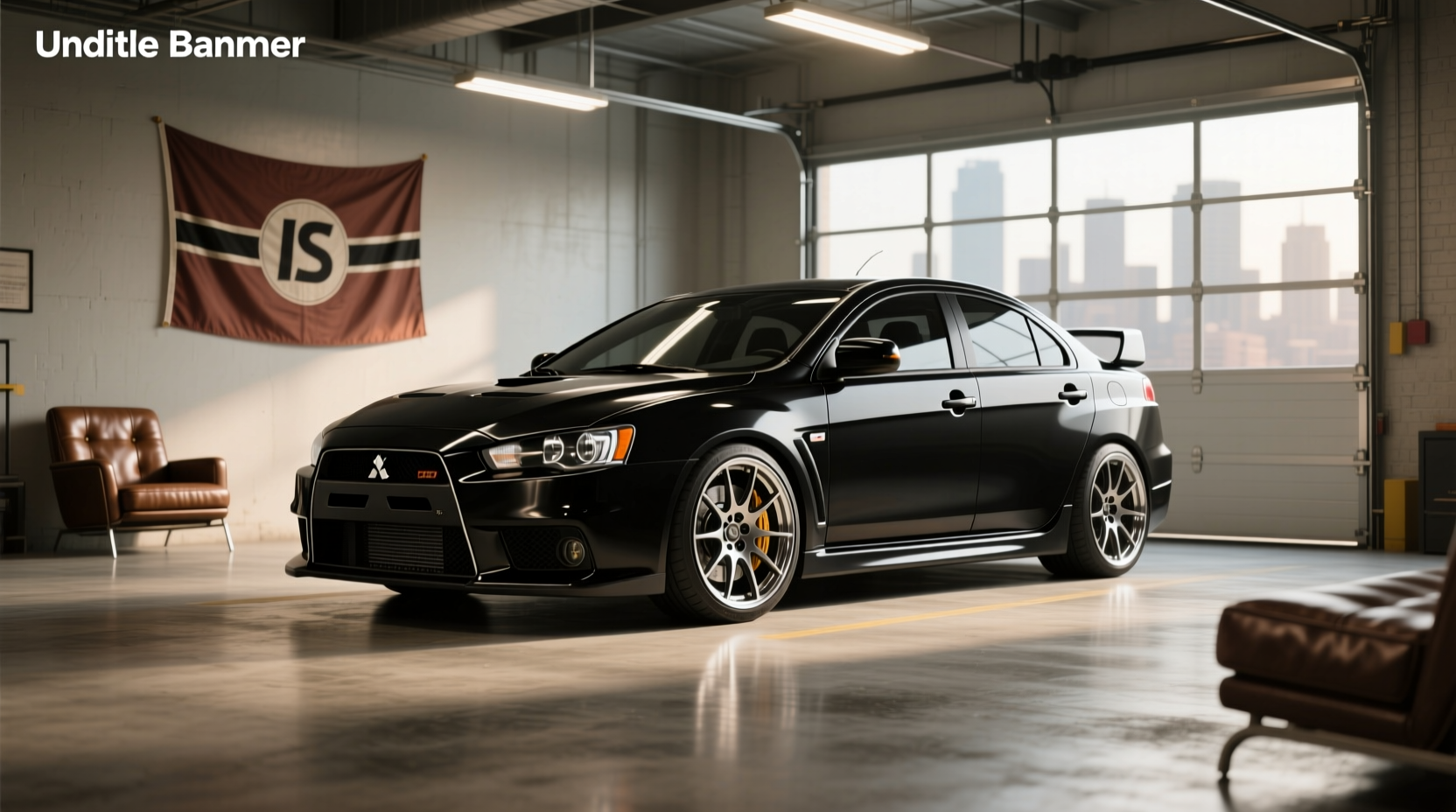
If you're asking how big are Lancer rims or looking for guidance on how to choose lancer alloy wheel, start here: most base Mitsubishi Lancer trims (like ES and LE) come with 16-inch aluminum alloy wheels (6.5" width, +46 mm offset), while sportier models like the Ralliart and Evolution X use 18-inch rims. When upgrading, always match the bolt pattern (5x114.3 mm) and center bore (67 mm). Avoid mismatched offsets or overly wide wheels without fender modifications—they can cause rubbing. Your choice depends on trim, driving style, and whether you prioritize comfort, performance, or stance.
🛒 About Lancer Alloy Wheels: What Size Do They Come In?
The term "lancer alloy wheel" refers to lightweight, durable rims made from aluminum alloy, commonly factory-fitted or added as upgrades on Mitsubishi Lancer models from 2008 to 2017. The size of these wheels varies significantly depending on the trim and generation. Knowing how big are Lancer rims is essential when replacing or upgrading, as incorrect sizing affects ride quality, handling, speedometer accuracy, and clearance.
Factory specifications typically range from 16 to 18 inches in diameter. Base models such as the Lancer ES and LE usually feature 16-inch wheels, while higher-performance versions like the AWD SE, SEL, Ralliart, and especially the Evolution X, come equipped with larger 18-inch rims. These differences aren’t just cosmetic—they reflect engineering choices related to suspension tuning, weight distribution, and intended driving dynamics.
Understanding your specific model’s original equipment manufacturer (OEM) specs ensures compatibility if you’re restoring, replacing damaged wheels, or seeking a subtle upgrade that maintains factory integrity.
✨ Why Lancer Alloy Wheels Are Popular Among Enthusiasts
The Lancer platform has earned a loyal following, particularly due to the legendary Evolution X variant. This reputation drives strong interest in aftermarket lancer alloy wheel options. Owners appreciate the balance of affordability, modularity, and visual appeal the chassis offers. Upgrading wheels is one of the most visible and impactful modifications you can make—improving aesthetics, grip, and cornering response.
Many drivers seek a more aggressive stance or flush fitment, where the tire edge aligns perfectly with the fender line. Because the Lancer’s suspension geometry and strut placement allow flexibility, it's a favorite for custom builds. Additionally, the consistent bolt pattern (5x114.3 mm) across all trims means a vast selection of compatible aftermarket wheels exist, making swaps easier than on many other vehicles.
Whether you're aiming for daily drivability, track readiness, or show-worthy styling, knowing what to look for in lancer alloy wheel, how big are Lancer rims? helps narrow down suitable choices.
🔧 Types and Variants of Lancer Alloy Wheels
When exploring lancer alloy wheel options, several types are available, each suited to different goals:
1. Factory OEM Replica Wheels
These mimic the original design but may be produced by third-party manufacturers at lower cost.
- ✅ Pros: Perfect fit, reliable specs, easy installation
- ❌ Cons: Limited design variety, sometimes heavier than performance alternatives
2. Flow-Formed / Forged-Look Wheels
Manufactured using advanced techniques to reduce weight while maintaining strength—ideal for performance applications.
- ✅ Pros: Lighter than cast wheels, better acceleration and braking response
- ❌ Cons: Higher price point, fewer designs compared to standard cast
3. One-Piece Cast Alloy Wheels
The most common type—affordable, widely available, and offered in countless styles.
- ✅ Pros: Cost-effective, diverse finishes (matte, chrome, black), good durability
- ❌ Cons: Heavier than flow-formed, may crack under hard impacts
4. Multi-Piece Wheels
Constructed from two or three parts bolted together—popular in show and drift scenes.
- ✅ Pros: Repairable if damaged, highly customizable widths and offsets
- ❌ Cons: More expensive, require regular maintenance to prevent leaks
5. Deep Lip / "Stretched" Style Wheels
Designed for extreme negative camber and low-offset setups.
- ✅ Pros: Aggressive visual appeal, popular in car shows
- ❌ Cons: Risk of sidewall damage, potential handling instability
Choosing among these depends on budget, usage, and desired aesthetic.
⚙️ Key Features and Specifications to Evaluate
To properly answer how big are Lancer rims? and select the right replacement or upgrade, consider these critical specs:
- Diameter: Most common sizes are 16", 17", or 18". Larger isn’t always better—it affects ride comfort and fuel economy.
- Width: Measured in inches (e.g., 7.0"). Wider wheels support wider tires, improving grip—but check fender clearance.
- Offset (+46 mm typical): Distance from mounting surface to centerline. Too low (<+30 mm) pushes wheels outward; too high (>+50 mm) causes inner rubbing.
- Bolt Pattern: 5x114.3 mm (5 lug bolts spaced 114.3 mm apart)—standard on all Lancers.
- Center Bore: 67 mm—must match hub size or use hub-centric rings.
- Lug Nut Thread: M12 x 1.5 pitch—ensure correct hardware.
- Tire Size Compatibility: Match recommended tire dimensions (e.g., 205/60R16 for base models).
Always verify compatibility before purchase. Use online fitment calculators or consult fitment guides from trusted enthusiast communities.
📊 Pros and Cons of Upgrading Lancer Alloy Wheels
👍 When It Makes Sense to Upgrade
- You want improved visual presence or stance.
- Your current wheels are damaged or corroded.
- You’re installing performance tires and need proper support.
- You drive frequently and value reduced unsprung weight (with lighter alloys).
👎 When You Might Want to Reconsider
- You live in an area with poor road conditions—larger wheels transmit more vibration.
- You’re on a tight budget—cheap aftermarket wheels may compromise safety.
- You plan to keep the car stock for resale value.
- You don’t understand offset implications and risk rubbing or clearance issues.
📋 How to Choose Lancer Alloy Wheel, How Big Are Lancer Rims?
Follow this step-by-step guide when selecting new lancer alloy wheels:
- Identify Your Trim and Year: Check your VIN or owner’s manual. Is it a base ES, GTS, Ralliart, or Evo X? This determines starting specs.
- Measure Current Setup: Note existing wheel size, offset, and tire size. Take photos of side profile for stance reference.
- Define Your Goal:
- Daily driver? Stick close to OEM specs (16"–18").
- Flush fitment? Aim for 18" x 8.5" with +35 to +40 offset.
- Aggressive stance? Consider 9.5"+ width with +15 to +30 offset (may require rolled fenders).
- Verify Bolt Pattern & Center Bore: Confirm 5x114.3 mm and 67 mm bore. Use hub-centric rings if needed.
- Select Appropriate Tire Size: Ensure new combo stays within 3% of overall diameter to avoid speedometer errors.
- Avoid These Common Mistakes:
- Ignoring offset—leads to rubbing or poor handling.
- Using non-hub-centric wheels without adapters.
- Installing oversized wheels that strain brakes or suspension.
- Skipping torque wrench during installation—risk of warping rotors or loose lugs.
This process answers what to look for in lancer alloy wheel, how big are Lancer rims? with practical clarity.
💰 Price & Market Insights
Pricing for lancer alloy wheels varies widely based on brand, construction, and finish:
- OEM Replicas: $80–$150 per wheel
- Mid-Tier Cast Alloys: $120–$200 per wheel
- Flow-Formed Performance Wheels: $200–$350 per wheel
-
Multi-Piece or Forged Wheels: $400+ per wheel
Full sets (4 wheels) often offer savings. Prices may differ by region and retailer. Consider total cost including tires, balancing, and alignment. While premium wheels offer weight savings and durability, they may not provide noticeable benefits for casual drivers. Evaluate value relative to your use case.
🏆 Top-Seller & Competitive Analysis
Popular aftermarket brands include Enkei, OZ Racing, SSR, and Konig. Below is a comparison of commonly purchased 18-inch wheels compatible with Lancer models:
| Brand & Model | Size | Offset | Weight (lb) | Best For |
|---|---|---|---|---|
| Enkei RPF1 | 18x8.0" | +40 | 17.2 | Track/daily balance |
| OZ Superleggera | 18x8.5" | +35 | 20.1 | Classic performance look |
| Konig Hypergram | 18x9.0" | +30 | 19.5 | Aggressive flush fitment |
| SSR GT1 | 18x10.0" | +25 | 22.0 | Show/stanced builds |
Note: Lighter wheels improve responsiveness. Offset determines fitment—match to your suspension setup.
👥 Customer Feedback Synthesis
Based on aggregated buyer reviews and forum discussions:
高频好评点 (Frequent Praises)
- "Perfect fit on my 2013 Lancer GTS with no modifications."
- "Lightweight Enkei wheels made a noticeable difference in steering feel."
- "Love the deep concave look of my Konig set—gets compliments every time."
常见抱怨 (Common Complaints)
- "Wheels arrived with curb rash—packaging was insufficient."
- "Offset didn’t match description—rubbing on front fenders."
- "Had to buy longer lug nuts separately—should’ve been included."
Buyers value accurate listings, secure packaging, and clear spec labeling. Always double-check product details before ordering.
🌐 Sourcing & Supplier Tips
Where you buy matters. Consider:
- Reputable Online Retailers: Sites like Tire Rack, Discount Tire, or specialized shops like RimsDealer offer fitment filters and return policies.
- Local Wheel Shops: Allow physical inspection and professional advice.
- Used Marketplaces: Facebook Marketplace or Craigslist can offer deals—but inspect for cracks, bends, or hidden damage.
- Wholesale/Bulk Buyers: Distributors may offer discounts for multiple sets, but verify authenticity and warranty terms.
Check return policies and shipping costs. Request real photos if buying used. Verify seller ratings and history.
🧼 Maintenance, Safety & Legal Considerations
After installing new lancer alloy wheels, follow these practices:
- Re-torque lug nuts after 50 miles to ensure proper seating.
- Keep wheels clean—brake dust and road salts can corrode finishes.
- Inspect regularly for cracks, especially around spokes or valve stem areas.
- Ensure tires are balanced and aligned post-installation to prevent uneven wear.
- Confirm local regulations—some regions restrict extreme modifications affecting vehicle width or ride height.
Improperly fitted wheels pose serious safety risks. If you hear vibrations or rubbing noises, stop driving and inspect immediately.
✅ Conclusion: Matching Your Needs to the Right Wheel
So, how big are Lancer rims? Standard sizes are 16" for base trims and 18" for performance models. Choosing the right lancer alloy wheel depends on your goals. If you need reliability and comfort, stick with OEM-sized 16" or 18" wheels with +46 mm offset. If you want a sportier stance, 18" x 8.5" wheels with +35 to +40 offset work well with minor adjustments. For show builds, explore wider multi-piece options—but expect some modification needs. Always confirm bolt pattern (5x114.3 mm), center bore (67 mm), and proper tire sizing to ensure safe, legal operation.
❓ FAQs
Can I put 18-inch wheels on a base 16-inch Lancer?
Yes, but only if clearance allows. Verify suspension travel, brake size, and tire diameter. A 215/45R18 is close to stock diameter. Professional installation and alignment are recommended.
What is the bolt pattern for Mitsubishi Lancer wheels?
All Lancer models use a 5x114.3 mm bolt pattern. This is standard across trims and years, simplifying aftermarket compatibility.
Do I need hub-centric rings for aftermarket wheels?
Yes, if the aftermarket wheel’s center bore is larger than 67 mm. Hub-centric rings center the wheel on the hub, reducing vibration and stress on lug bolts.
Will changing wheel size affect my speedometer?
Yes, if the overall tire diameter changes by more than 3%. Use a tire size calculator to compare revolutions per mile before switching.
How do I know if a wheel will fit without rubbing?
Check offset and width against known fitment data. Test-fit with minimal camber first. Forums like EvolutionM.net have detailed user-reported setups.




 浙公网安备
33010002000092号
 浙B2-20120091-4