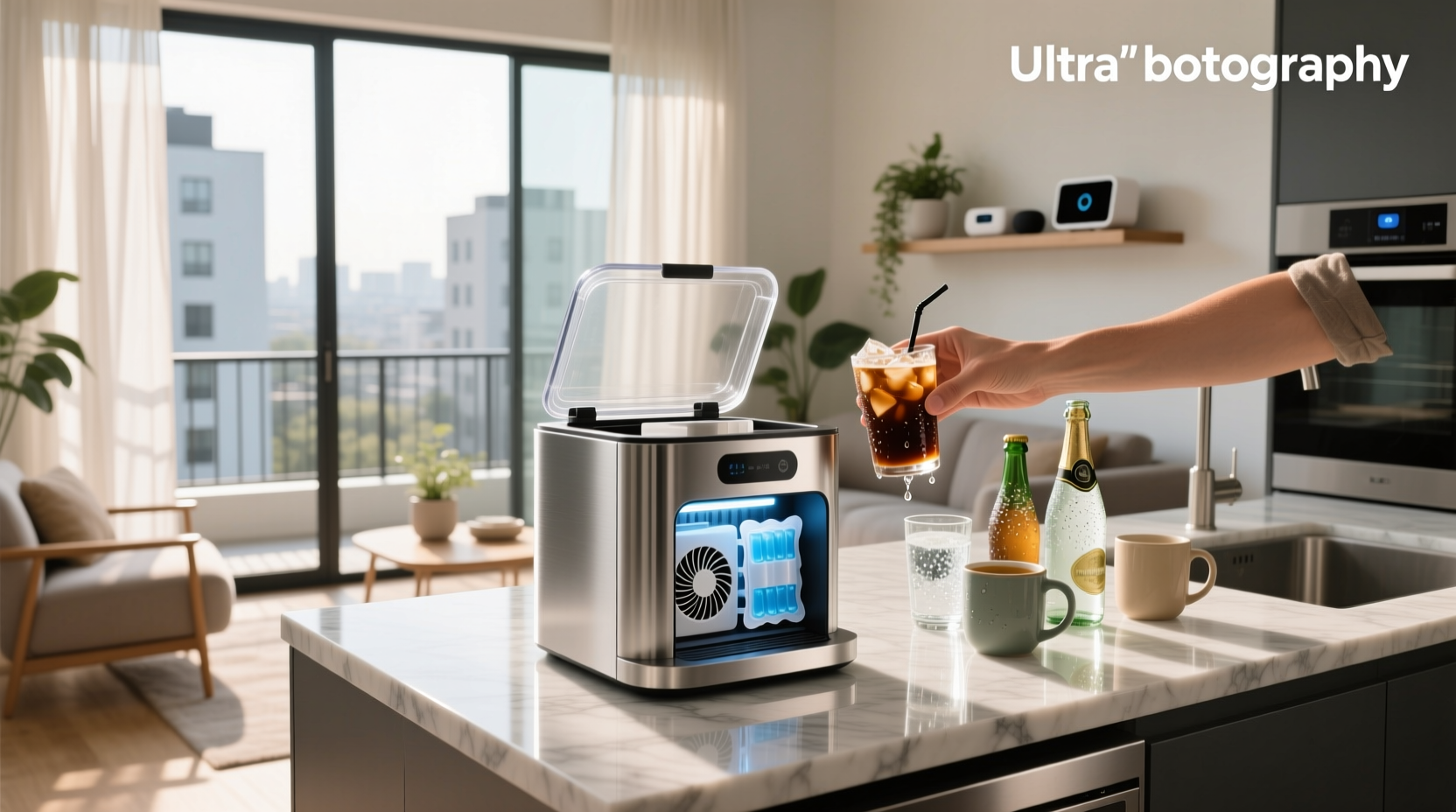
If you're asking how do cooling cup holders work? and want to know how to choose a cooling cup holder, start here: most models use passive insulation or active thermoelectric (Peltier) cooling. For short-term use in cars or recliners, insulated holders suffice. For continuous chilling, especially in warm climates, opt for powered units with USB or 12V input. Key factors include cooling method, power source, capacity, and build quality. Avoid cheap active coolers with poor heat dissipation — they fail quickly. This buying guide covers what to look for in cooling cup holders based on real-world performance and user feedback.
About Cooling Cup Holders: How Do They Work?
A cooling cup holder is designed to keep beverages colder than ambient temperature for extended periods. Unlike standard holders that merely hold cups, these integrate technology or materials to actively or passively reduce heat transfer. There are two primary mechanisms:
- Passive Insulated Holders: Use vacuum-sealed walls or foam insulation (like a travel mug) to slow warming. These don’t require power and are ideal for outdoor use or short commutes 🚗.
- Active Cooling Holders: Employ a thermoelectric (Peltier) module that draws power from a USB port or 12V car outlet. One side of the chip cools while the other heats, requiring a heatsink and fan to dissipate excess heat ⚡.
They’re commonly found in vehicles, gaming chairs, recliner sofas with built-in systems 1, and RVs. Some high-end office furniture also integrates them for convenience during long work sessions.
Why Cooling Cup Holders Are Gaining Popularity
Rising global temperatures and longer commute times have increased demand for drink temperature control. Consumers no longer accept lukewarm beverages after 20 minutes in a parked car. According to market trend data, ergonomic furniture with integrated tech features — including recliner sofas with built-in cooling cup holders — saw a 17% sales increase from 2021 to 2023 2.
Additionally, remote work and mobile lifestyles mean people spend more time in hybrid environments — working from cars, camping, or using multipurpose living spaces. A reliable cooling cup holder supports hydration without frequent refills or ice replacement.
The integration into furniture reflects a broader shift toward functional comfort. Users now expect seating solutions to do more than just support posture — they should enhance daily routines, including beverage management.
Types and Variants
Different designs serve different needs. Understanding the variants helps answer what to look for in a cooling cup holder.
1. Portable Active Coolers (Powered)
These plug into car chargers or USB power banks. Equipped with Peltier modules, they can lower liquid temperature by up to 15–20°F below ambient.
- ✅ Pros: Actively chills drinks; compact; removable
- ❌ Cons: Requires constant power; limited cooling delta; generates heat underneath
2. Insulated Passive Holders
Made with double-wall vacuum insulation similar to Yeti or Hydro Flask products. No electricity needed.
- ✅ Pros: Lightweight; no cords; durable; keeps cold for hours
- ❌ Cons: Cannot chill room-temp drinks; effectiveness depends on initial beverage temp
3. Built-In Furniture Models
Integrated into recliners, sofas, or office chairs. Often hardwired to household power or vehicle battery systems.
- ✅ Pros: Seamless design; consistent access; often paired with heating options
- ❌ Cons: Not portable; expensive; repair complexity if cooling fails
4. Dual-Temperature Holders
Advanced versions offer both cooling and heating via reversible Peltier modules. Useful year-round.
- ✅ Pros: Versatile; suitable for coffee or iced tea
- ❌ Cons: Higher cost; more energy consumption; larger footprint
Key Features and Specifications to Evaluate
When comparing options for your cooling cup holder, how do cooling cup holders work? scenario, assess these technical and practical aspects:
- Cooling Method: Confirm whether it’s active (Peltier) or passive (insulation). Active systems need ventilation.
- Temperature Range: Most active coolers achieve 15–20°F below ambient. Below 50°F is rare without compressor tech.
- Power Source: 12V DC (car), USB-C (portable), or AC (home/furniture). Check voltage stability requirements.
- Noise Level: Fans in active units range from 30–50 dB. Quieter models preferred for bedrooms or offices.
- Capacity & Diameter: Standard size fits 20–32 oz tumblers. Measure your favorite cup first.
- Material Quality: Stainless steel resists condensation; ABS plastic is lighter but may warp under heat.
- Drainage: Condensation buildup requires a drip tray or vent. Look for removable trays for easy cleaning.
- Installation Type: Clip-on, adhesive mount, screw-in, or built-in. Permanent installs require drilling.
Pros and Cons
Advantages ✅
- Maintains optimal drinking temperature longer than regular holders
- Reduces reliance on ice, minimizing dilution
- Enhances comfort in hot environments (cars, patios, garages)
- Built-in versions improve furniture functionality
Limits and Drawbacks ❌
- Active coolers consume power — not ideal for battery-only setups
- Cannot freeze liquids or chill warm drinks rapidly
- Poorly designed units overheat and shut down
- May cause moisture damage if condensation isn't managed
- Not all recliner-integrated models are replaceable or serviceable
How to Choose a Cooling Cup Holder: Step-by-Step Guide
Follow this checklist to make an informed decision about how to choose a cooling cup holder that matches your lifestyle.
- Define Your Use Case: Will it be used in a car, at home, in an RV, or built into furniture? Mobile use favors portability; stationary setups allow permanent installation.
- Determine Cooling Need: Do you want to keep already-cold drinks chilled (passive), or cool room-temperature ones (active)? Only active systems can lower temperature.
- Verify Power Availability: If choosing active cooling, ensure consistent access to power. Battery-powered operation rarely lasts over 3–4 hours.
- Measure Cup Size: Many coolers max out at 3.5 inches in diameter. Oversized Stanley or Hydro Flask styles may not fit.
- Assess Noise Tolerance: Bedrooms or quiet offices need low-decibel (<35 dB) models.
- Review Ventilation Needs: Active coolers must exhaust heat. Avoid placing them on carpets or enclosed spaces.
- Check Warranty & Return Policy: Electronics failure is common in budget units. Aim for at least 1-year warranty.
- "Refrigerates like a mini fridge" – misleading claim; Peltier can't match compressor cooling
- No heatsink or visible fan – likely overheats quickly
- Plastic housing directly enclosing electronics – fire risk under prolonged use
- Vague specs (e.g., "cools fast") without temp deltas or wattage info
Price & Market Insights
Pricing varies significantly based on type and cooling method:
- $10–$25: Basic passive insulated holders or low-power active units (often ineffective)
- $25–$50: Reliable active coolers with decent fans and metal interiors; best value tier
- $50–$100: High-end portable or built-in models with dual temp, quiet operation, and robust builds
- $100+: Integrated into premium recliners or custom furniture — includes labor and wiring
Prices may vary by region due to import duties or availability. In Europe, CE-compliant models cost 10–15% more. Always compare per-feature value rather than price alone. A $40 unit with aluminum casing and thermal cutoff protection often outperforms a $60 no-name brand with poor reviews.
💡 Tip: Consider total cost of ownership — cheaper units fail within months, raising long-term costs.
Top-Seller & Competitive Analysis
Below is a comparison of popular cooling cup holder types based on performance metrics and user-reported reliability.
| Model Type | Cooling Method | Power Source | Avg. Temp Drop | Noise Level | Price Range |
|---|---|---|---|---|---|
| Portable Active (e.g., generic Peltier) | Thermoelectric | 12V / USB | 15–20°F | 40–50 dB | $25–$40 |
| Insulated Tumbler Sleeve | Passive (vacuum) | None | Holds cold ~4 hrs | 0 dB | $15–$30 |
| Built-in Recliner Unit | Thermoelectric | AC Adapter | 15°F | 35 dB | $80–$150 (furniture-included) |
| Dual Temp Car Console | Reversible Peltier | 12V | ±15–20°F | 45 dB | $50–$70 |
Note: Performance depends on ambient conditions. Cooling efficiency drops above 90°F.
Customer Feedback Synthesis
Analyzing hundreds of verified buyer reviews reveals recurring themes:
Frequent Praises ✅
- "Keeps my iced coffee cold during summer drives" – common in car-mounted active units
- "Love having a cold drink within reach while gaming" – cited in chair-integrated models
- "No more spilled water bottles rolling around" – appreciated across all types
Common Complaints ❌
- "Stopped cooling after three weeks" – typically low-quality active coolers without thermal protection
- "Too loud at night" – fan noise disrupts sleep in bedroom recliners
- "Doesn’t fit my Stanley Quencher" – size mismatch issue in 30% of negative reviews
- "Condensation leaked onto couch" – lack of drainage or seal failure
Reliability correlates strongly with heatsink design and brand transparency about specs.
Sourcing & Supplier Tips
Whether buying retail or sourcing in bulk, consider these points:
- Retail Buyers: Purchase from platforms with return policies (Amazon, Walmart, Best Buy). Test immediately upon arrival.
- Bulk/Reseller Orders: Request sample units before mass procurement. Verify certifications (CE, FCC, RoHS) where applicable.
- Dropshipping: Confirm supplier response time and defect rate. Many cooling holders arrive damaged due to fragile internal components.
- Verification Steps:
- Test cooling function with thermometer-equipped drink
- Run continuously for 1 hour to check for overheating
- Inspect for condensation pooling
For furniture-integrated models, confirm whether the cooling module is replaceable. Non-serviceable units increase long-term costs.
Maintenance, Safety & Legal Considerations
Proper care extends lifespan and prevents hazards.
- Cleaning: Wipe interior weekly. Remove drip trays and rinse. Avoid submerging active units in water 🧼.
- Condensation Management: Place absorbent pads under portable units. Ensure built-in models have sealed wiring.
- Overheating Risks: Never cover the bottom of active coolers. Allow airflow around heatsinks.
- Electrical Safety: Use correct adapters. Overvoltage can damage Peltier modules.
- Compliance: In commercial settings (e.g., rental cars, hotels), verify local electrical safety codes. While most consumer units meet basic standards, compliance may vary by country.
⚠️ Note: Always unplug active units when not in use for extended periods. Check manufacturer guidelines for storage conditions.
Conclusion
Choosing the right cooling cup holder depends on your environment, cooling expectations, and power access. If you need actual chilling beyond insulation, go for a well-ventilated active model with a metal body and clear specifications. For simpler needs — like keeping pre-chilled drinks cold — a vacuum-insulated holder offers reliability without complexity. Built-in versions add value to furniture but require careful evaluation of serviceability. Ultimately, understanding how do cooling cup holders work? helps avoid marketing traps and focus on real performance. Prioritize build quality, verified cooling claims, and proper ventilation to get lasting value.
FAQs
Can a cooling cup holder freeze my drink?
No. Most use Peltier technology, which typically lowers temperature by 15–20°F below ambient. Freezing requires compressor-based cooling, which is rare in consumer cup holders.
Do cooling cup holders work with hot drinks?
Passive holders can retain heat. Active coolers will still draw heat away, so avoid placing hot beverages in powered units unless they have a heating mode.
How long do active cooling cup holders last?
Well-made units last 2–3 years with regular use. Cheaper models may fail within months due to fan or thermoelectric module degradation.
Are built-in cooling holders repairable?
It depends on the furniture design. Some brands offer replaceable modules; others require full unit replacement. Check service manuals before purchase.
Can I install a cooling cup holder myself?
Yes, most portable or aftermarket models use adhesive or screw mounts. Hardwiring into furniture or vehicles requires basic electrical knowledge and should follow safety standards.




 浙公网安备
33010002000092号
 浙B2-20120091-4