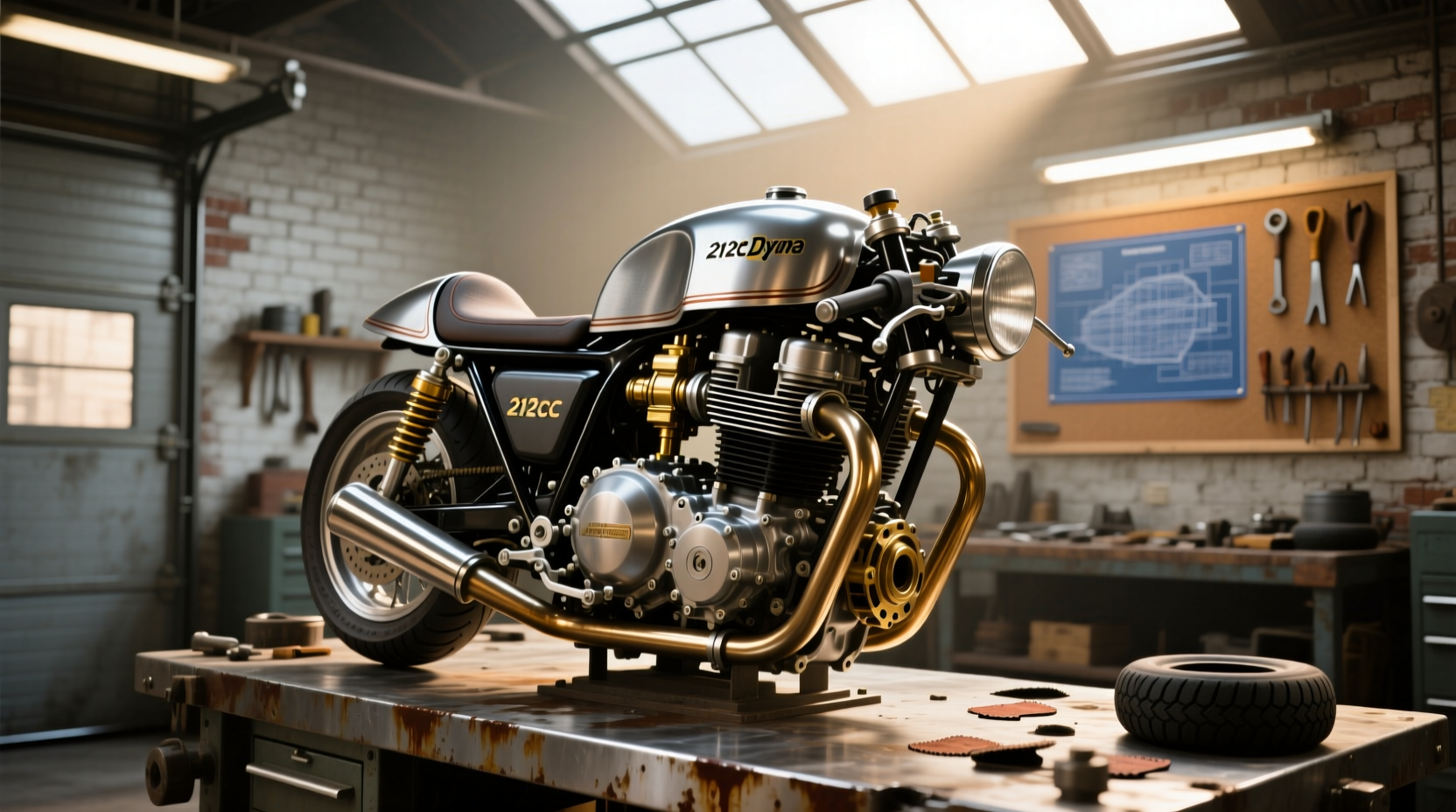
About Daytona 212 Engine, How Fast Will a 212cc Engine Go?
The Daytona 212 engine typically refers to a 212cc horizontal-shaft OHV gasoline engine commonly used in go-karts, mini bikes, and small utility vehicles. While not an official Daytona Motorsports model, the term often describes upgraded builds using engines like the Briggs & Stratton Predator 212cc, installed in platforms such as the Daytona Anima 190 or similar recreational machines 1.
When users ask, “How fast will a 212cc engine go?”, they’re usually referring to its top speed in a lightweight vehicle. In factory-stock form—with a governor limiting RPM—the engine produces around 6.5 horsepower and can propel a typical go-kart to speeds between 25 and 35 mph. However, real-world results vary significantly due to design, tuning, and mechanical configuration.
Why Daytona 212 Engine, How Fast Will a 212cc Engine Go? Is Gaining Popularity
🛠️ The 212cc engine has become a favorite among DIY builders and hobbyists because it offers a balanced mix of affordability, availability, and tunability. Unlike specialized racing engines, the Predator 212 and similar clones are mass-produced, widely available, and compatible with a vast ecosystem of aftermarket parts.
Enthusiasts appreciate the ability to incrementally improve performance—from basic bolt-on upgrades to full race builds. Online communities share test data, gear ratio calculators, and modification guides, making it easier than ever to customize performance. This modularity drives interest in questions like how to choose a Daytona 212 engine, how fast will a 212cc engine go?, especially for users building from scratch or upgrading older models.
Types and Variants
While most 212cc engines follow a similar design, variations exist that impact performance and suitability:
- ✅ Stock Predator 212cc (Governed): Comes with RPM limiter, standard carburetor, and muffler. Ideal for beginners. Max speed: ~25–35 mph.
- 🔧 De-Governed 212cc: Governor spring removed to allow higher RPM. Requires no internal changes. Can gain 5–10 mph depending on setup.
- ✨ Performance-Tuned 212cc: Includes high-flow air filter, performance carb, header exhaust, and possibly a high-compression piston. Output: 10–12 HP. Top speeds exceed 40 mph.
- ⚙️ Hemi-Head 212cc: Features a hemispherical combustion chamber for improved airflow. Requires precise tuning but can outperform flat-head versions if optimized.
Each variant serves different needs. Stock engines suit family recreation; modified versions appeal to teens and adults seeking thrilling performance.
Key Features and Specifications to Evaluate
When assessing a 212cc engine setup, focus on these measurable factors:
- 📊 Engine Output: Stock output is ~6.5 HP. Modified versions may reach 10–12 HP. Verify claims with dyno charts if available.
- 🔢 Gear Ratio: Calculated as (rear sprocket teeth) / (clutch sprocket teeth). Higher ratios increase top speed; lower ratios improve acceleration.
- ⚖️ Vehicle Weight: Lighter frames (under 150 lbs) achieve higher speeds. Every 10 lbs saved can add 1–2 mph under same power.
- 🌬️ Air Intake & Exhaust: Aftermarket headers and filters enhance breathing, boosting power. Look for smooth transitions and minimal backpressure.
- 🔋 Cooling System: Air-cooled only. Ensure adequate shrouding and clearance for fins to prevent overheating during extended runs.
These specs directly influence how fast a 212cc engine will go in practice and should guide your selection process.
Pros and Cons
✅ Affordable (~$150–$250 for engine)
✅ Large community support and tutorials
✅ Easy to modify with off-the-shelf parts
✅ Reliable for casual and semi-serious use
❌ Stock governors limit performance
❌ Not street-legal without proper registration and safety gear
❌ Modifications increase noise and vibration
❌ Durability decreases with aggressive tuning
Best suited for private property use, youth training karts, or weekend fun. Not recommended for daily transportation or high-mileage applications.
How to Choose Daytona 212 Engine, How Fast Will a 212cc Engine Go?
Selecting the right 212cc engine involves matching performance goals with realistic expectations. Follow this step-by-step guide:
- Define Your Use Case: Are you building a kid’s go-kart (stick to stock), a backyard racer (consider Stage 1 mods), or a high-speed mini bike (plan full upgrades)?
- Check Compatibility: Confirm shaft size, mounting pattern, and clutch type match your frame. Most 212cc engines use a 1” x 1.1875” horizontal PTO shaft.
- Evaluate Gearing Options: Use online gear ratio calculators. For example, a 12-tooth clutch and 70-tooth rear sprocket yields a 5.83:1 ratio—good for speed. A 17/52 setup (3.06:1) favors acceleration.
- Decide on Modifications: If pursuing higher speeds, budget for a performance carb (~$40), header (~$60), and free-flow filter (~$25).
- Prioritize Safety: Add kill switch, throttle limiter, and sturdy brakes. Consider roll bars for open-frame vehicles.
Red Flags to Avoid:
- Sellers claiming “guaranteed 50+ mph” without specifying build details.
- Engines advertised as “racing ready” but lacking cooling or structural reinforcement.
- Used engines without maintenance history or visible signs of oil leaks.
Price & Market Insights
💰 Engine prices vary by condition and origin:
- New OEM-style (e.g., Predator): $180–$250
- Used or Refurbished: $100–$160
- Pre-Modified Kits (Stage 1–2): $300–$500 (includes carb, header, de-governing)
Complete go-karts with 212cc engines range from $800 to $1,500. Prices may differ by region and retailer. Always compare total cost—including shipping, taxes, and required accessories—before buying. For best value, buy stock engines and upgrade gradually based on performance feedback.
Top-Seller & Competitive Analysis
Popular models include the Briggs & Stratton Predator 212cc, Harbor Freight clones, and third-party tuned variants. Below is a comparison of common choices:
| Model | Horsepower | Top Speed (Est.) | Mod Support | Price Range |
|---|---|---|---|---|
| Predator 212 (Stock) | 6.5 HP | 25–35 mph | Excellent | $180–$220 |
| Predator 212 (De-Gov) | 7.5 HP | 35–40 mph | Excellent | $190–$230 |
| Stage 1 Tuned Kit | 10–11 HP | 40–46 mph | Very Good | $300–$400 |
| Hemi-Head 212cc | 10–12 HP | 42–48 mph* | Good | $250–$350 |
*Highly dependent on tuning quality. Hemi engines offer potential but require expertise to maximize gains.
Customer Feedback Synthesis
Based on user forums and reviews, common sentiments include:
- Frequent Praise: Reliability when maintained, ease of installation, strong aftermarket part availability, noticeable speed gains after simple mods.
- Common Complaints: Poor stock carb tuning, weak stock clutch at high RPM, excessive vibration after de-governing, difficulty sourcing exact replacement gaskets.
- Surprising Insight: Many buyers underestimate the importance of rear axle bearings and chain tensioners—upgrades here often yield smoother performance than engine tweaks alone.
Realistic expectations and incremental improvements lead to highest satisfaction.
Sourcing & Supplier Tips
🛒 Purchase engines from reputable suppliers like Northern Tool (for Predator), Kartsmart, or specialized mini-bike shops. When buying online:
- Verify return policy and warranty terms (typically 1 year limited).
- For bulk purchases (e.g., fleet builds), contact distributors directly for discounts.
- Inspect upon delivery: check for shipping damage, missing bolts, and oil leaks.
- If sourcing from marketplaces like eBay or Facebook, request video proof of operation.
Consider buying a rebuild kit ($20–$40) with new gaskets, spark plug, and oil filter for long-term reliability.
Maintenance, Safety & Legal Considerations
🔧 Regular maintenance extends engine life and ensures consistent performance:
- Change oil every 25 hours or seasonally.
- Clean air filter monthly; replace annually or after dusty use.
- Inspect clutch and drive belt for wear every 10 hours.
- Tighten mounting bolts after first 5 hours of use.
⚠️ Safety is critical, especially with modified engines:
- Always wear helmets, gloves, and closed-toe shoes.
- Never operate on public roads unless compliant with local laws.
- Install functional brakes and emergency kill switches.
🌐 Regulations vary by state and country. Some areas classify motorized mini bikes as mopeds requiring registration, insurance, and operator licensing. Always verify local rules before public use.
Conclusion
If you need a reliable, easy-to-modify engine for recreational go-karting or mini biking, a 212cc powerplant like the Predator-based Daytona 212 engine is a solid choice. For beginners, a stock setup offers safe, manageable speeds of 25–35 mph. Enthusiasts aiming to answer how fast will a 212cc engine go? with numbers above 40 mph should invest in de-governing, optimized gearing, and airflow upgrades. Your final decision should balance performance goals, budget, and safety requirements. By understanding the key variables—gearing, weight, and modifications—you can make an informed choice tailored to your specific project.
Frequently Asked Questions
How fast does a stock 212cc engine go?
A stock 212cc engine in a typical go-kart or mini bike achieves 25–35 mph. Actual speed depends on vehicle weight, tire size, and gearing.
Can I remove the governor to make my 212cc engine faster?
Yes, removing the governor allows higher RPM and increases speed by 5–10 mph. However, it may reduce engine lifespan and increase vibration.
What gear ratio gives the highest speed on a 212cc engine?
A higher rear sprocket tooth count (e.g., 70T) paired with a smaller clutch sprocket (e.g., 12T) creates a high gear ratio ideal for top speed, though acceleration suffers.
Are modified 212cc engines street legal?
Generally no. Most jurisdictions require lights, mirrors, turn signals, VIN, and registration for road use. Check your local DMV or transportation authority for specifics.
How much horsepower does a 212cc engine produce?
Stock engines produce about 6.5 HP. With performance upgrades (carb, header, filter), output can reach 10–12 HP.




 浙公网安备
33010002000092号
 浙B2-20120091-4