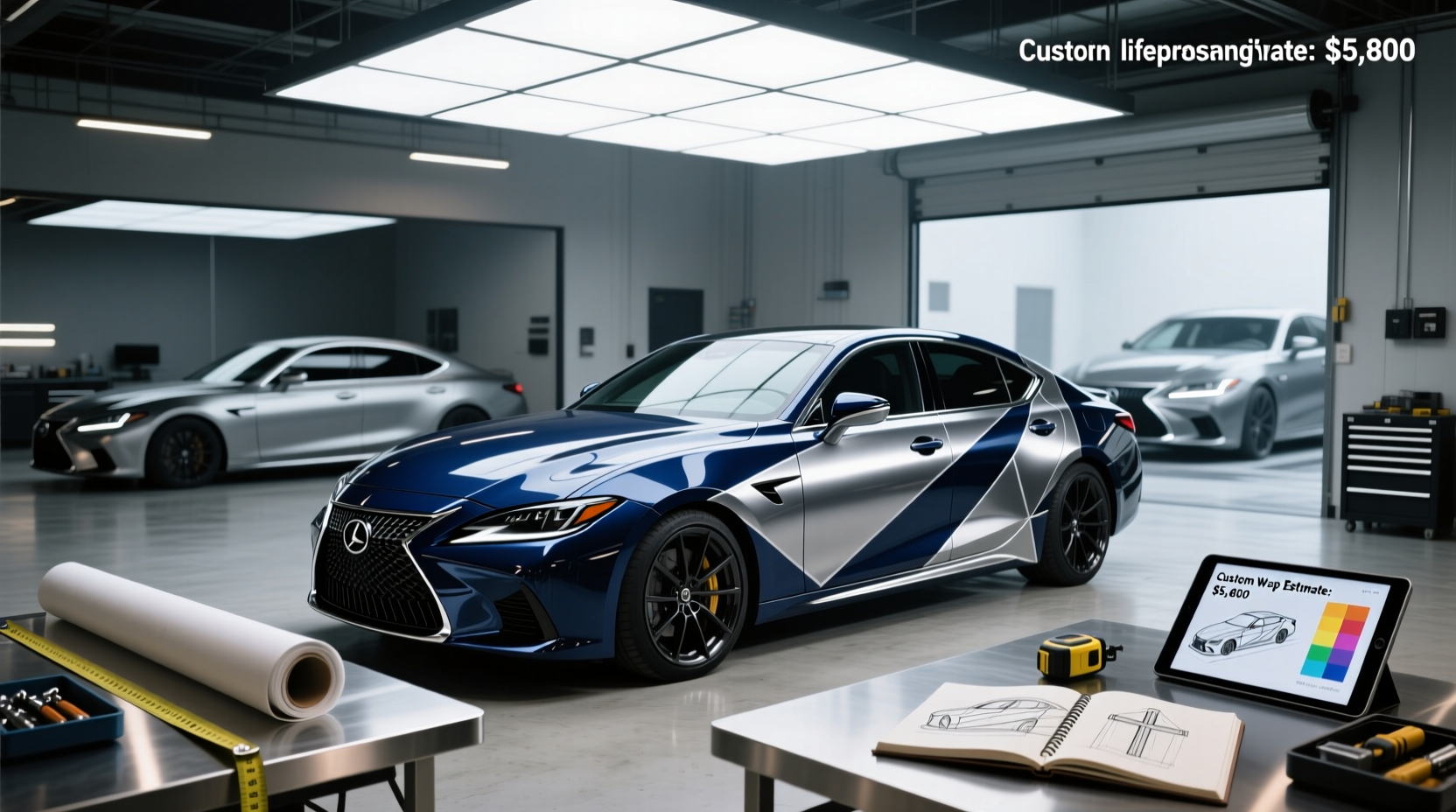
A typical professional full vinyl car wrap costs between $2,000 and $7,000, depending on vehicle size, material quality, design complexity, and installer expertise 1. When deciding how to choose vinyl car wrap,How much is a typical wrap for a car?, focus first on your vehicle type and desired finish—solid colors are more affordable, while chrome or carbon fiber wraps can exceed $6,000. DIY kits may reduce material costs to under $1,500, but improper installation risks damage and higher long-term expenses. For most buyers seeking durability and a flawless finish, hiring a certified installer is recommended despite the premium price. Avoid shops offering unusually low quotes, as they may use inferior materials or skip proper surface preparation.
About vinyl car wrap,How much is a typical wrap for a car?
A vinyl car wrap is a large adhesive film applied over a vehicle’s original paint to change its appearance or protect the surface. It can cover the entire vehicle (full wrap) or specific panels (partial wrap). The question, "How much is a typical wrap for a car?", refers to the average market price for a professionally installed full wrap on a standard passenger vehicle. These wraps are commonly used for personal customization, fleet branding, paint protection, or temporary color changes without permanent modifications.
Why vinyl car wrap,How much is a typical wrap for a car? is gaining popularity
Vinyl wraps have become increasingly popular due to their versatility, non-permanent nature, and cost-effectiveness compared to repainting. They allow car owners to dramatically alter a vehicle’s look without committing to a permanent change, making them ideal for leased vehicles or those planning frequent style updates. Businesses use wraps for mobile advertising at a fraction of traditional media costs. Additionally, high-quality wraps offer UV protection and minor scratch resistance, preserving the factory paint underneath. As social media highlights unique vehicle designs, demand for matte, chrome, and textured finishes continues to grow.
Types and variants
Different vinyl wrap types vary in appearance, durability, and price. Choosing the right one depends on aesthetic goals, budget, and intended use.
- ✨Solid Color Vinyl: Offers a uniform finish in various hues. Affordable and easy to install. Best for simple color swaps. Limited visual impact compared to specialty finishes.
- Matte Finish: Provides a non-reflective, modern look. Requires careful maintenance to avoid stains and swirl marks. More expensive than standard gloss finishes.
- ⚙️Carbon Fiber Texture: Mimics real carbon fiber for a sporty appearance. High cost due to complex pattern alignment and premium material. Prone to visible seams if not installed perfectly.
- ⚡Chrome / Metallic: Delivers a mirror-like or lustrous effect. Among the most expensive options ($6,000–$9,000) due to difficult installation and specialized films. Sensitive to heat and environmental damage.
- 🛒Gloss & Semi-Gloss: Traditional shiny finishes that enhance depth and color vibrancy. Easier to clean and maintain. May show imperfections in underlying paint.
- 🧼Textured & Specialty Films: Includes brushed metal, leather, or holographic effects. Highest cost and installation difficulty. Ideal for show cars or branding projects.
Key features and specifications to evaluate
When evaluating how to choose vinyl car wrap,How much is a typical wrap for a car?, consider these technical and practical aspects:
- Film Thickness: Measured in mils (usually 6–10), thicker films resist scratches better but are harder to stretch over curves.
- Stretchability (Conformability): Critical for wrapping around complex contours. Cast vinyl conforms better than calendered film.
- Adhesive Type: Removable adhesives allow clean removal after 3–7 years; permanent options offer longer life but risk residue.
- UV Resistance: Prevents fading and yellowing, especially important for white or light-colored wraps.
- Warranty: Reputable brands offer 3–7 year warranties against cracking, peeling, or delamination.
- Brand Reputation: 3M, Avery Dennison, and Oracal are known for consistent quality and installer support.
Pros and cons
✅ Pros: Protects factory paint, reversible modification, wide range of colors/textures, cost-effective vs. paint job, useful for branding.
❌ Cons: High upfront cost, requires skilled installation, needs special cleaning products, edges may lift over time, not suitable for damaged paint surfaces.
Wraps are ideal for well-maintained vehicles needing cosmetic enhancement or protection. They are less suitable for cars with existing rust, deep scratches, or uneven paint, as these flaws will be magnified under the film.
How to choose vinyl car wrap,How much is a typical wrap for a car?
Follow this step-by-step process to make an informed decision:
- Assess Your Vehicle: Measure size and complexity. Compact sedans cost less than SUVs or trucks.
- Define Your Goal: Is it for protection, aesthetics, or advertising? This guides material choice.
- Select Wrap Type: Balance budget and desired look. Solid colors offer best value; chrome has highest visual impact.
- Research Installers: Look for certified professionals with portfolios and customer reviews. Ask about warranty and removal services.
- Get Multiple Quotes: Compare at least three detailed estimates including prep, materials, labor, and potential extras.
- Inspect Surface Preparation: Ensure the shop cleans and decontaminates the paint before application.
Red flags to avoid:
- Quotes significantly below average ($1,500 for a full wrap)
- No portfolio or customer references
- Pressure to pay in full upfront
- Lack of written warranty or contract
- Shops that don’t inspect paint condition beforehand
Price & market insights
The average cost of a full car wrap ranges from $2,000 to $7,000, but prices vary widely based on several factors 2. Below is a general estimate by vehicle type:
| Vehicle Type | Estimated Full Wrap Cost (USD) |
|---|---|
| Compact Car / Sedan | $2,000 – $4,800 |
| Coupe | $2,500 – $5,000 |
| Compact SUV | $3,000 – $5,200 |
| Full-Size SUV | $3,000 – $7,000 |
| Pickup Truck | $3,600 – $6,500 |
| Luxury Sports Car | $4,000 – $12,000+ |
Specialty finishes like chrome or matte black add $1,000–$3,000 to base prices. Regional labor rates also affect cost—urban areas typically charge more. While higher-priced wraps often use better materials and skilled labor, always verify what’s included in the quote to assess true value.
Top-seller & competitive analysis
Popular vinyl wrap brands include 3M Wrap Film Series, Avery Supreme Wrapping Films, and TeckWrap. While no single "best" product fits all needs, top sellers share traits like excellent conformability, long warranties, and wide color availability.
| Brand | Material Type | Warranty | Typical Use Case |
|---|---|---|---|
| 3M | Cast vinyl | 5–7 years | Professional installations, fleets |
| Avery Dennison | Cast & calendered | 3–5 years | Custom designs, resellers |
| TeckWrap | Calendered vinyl | 1–3 years | Budget-conscious DIY users |
When comparing products, prioritize manufacturer-backed warranties and installer certification programs over price alone.
Customer feedback synthesis
Analysis of buyer reviews reveals recurring themes:
- Positive Feedback: High satisfaction with visual transformation, paint protection benefits, and installer professionalism when expectations were clearly communicated.
- Common Complaints: Issues include bubbling or peeling at edges (often due to poor prep), color mismatch from photos, and unexpected additional fees for surface correction or removal.
- Maintenance Challenges: Many users report difficulty cleaning matte finishes without causing damage, emphasizing the need for专用 cleaners.
- Value Perception: Customers who received detailed quotes and saw before/after examples felt the investment was justified, especially for business branding.
Sourcing & supplier tips
Purchase vinyl from authorized distributors to ensure authenticity and warranty coverage. For DIY projects, suppliers like Amazon, eBay, or specialty stores (e.g., TeckWrap, Wrapify) offer roll sales. Professionals should source through certified dealers such as Laminators Inc. or GWS. Always request sample swatches to verify color and texture under natural light. For bulk orders, confirm return policies and shipping conditions—heat exposure during transit can damage rolls. Verify installer certification when outsourcing work, as some brands require certified applicators for warranty validation.
Maintenance, safety & legal considerations
Proper care extends wrap life. Wash weekly with pH-neutral cleaner and soft cloth or sponge. Avoid automatic car washes with brushes. Dry thoroughly to prevent water spots, especially on matte finishes. Do not wax or seal unless specified by the manufacturer.
No major safety risks are associated with properly installed wraps. However, ensure headlights, taillights, and license plates remain fully visible. Some regions regulate window tinting and reflective finishes—check local transportation authority rules before choosing highly reflective chrome or dark wraps on windows. Removal should be done by professionals to avoid paint damage.
Conclusion
If you want a cost-effective, reversible way to transform your car’s appearance or protect its paint, a vinyl wrap is a strong option. For daily drivers, a solid-color or matte wrap from a reputable brand installed by a certified professional offers the best balance of value and durability. If budget is tight and you have time and patience, DIY is possible but carries rework risks. Always get a detailed quote, inspect the installer’s past work, and confirm warranty terms before proceeding. Remember, "how much is a typical wrap for a car?" depends on your specific needs—investing in quality pays off in longevity and appearance.
FAQs
How long does a vinyl car wrap last?
Most high-quality wraps last 5–7 years with proper care. Exposure to sun, harsh weather, and improper cleaning can shorten lifespan.
Can I wash my wrapped car at an automatic car wash?
Touchless car washes are safe. Brush-based systems may damage edges or textured finishes, especially matte wraps.
Does a car wrap damage the original paint?
When applied and removed correctly, wraps protect factory paint. However, pre-existing damage or poor removal techniques can cause issues.
Can I wrap a car with scratches or dents?
Minor imperfections may be covered, but deep scratches or dents will still be visible and could compromise adhesion. Repair paint first for best results.
Is wrapping cheaper than painting?
Yes, a full wrap is typically less expensive than a high-end paint job and preserves resale value by protecting the original finish.




 浙公网安备
33010002000092号
 浙B2-20120091-4