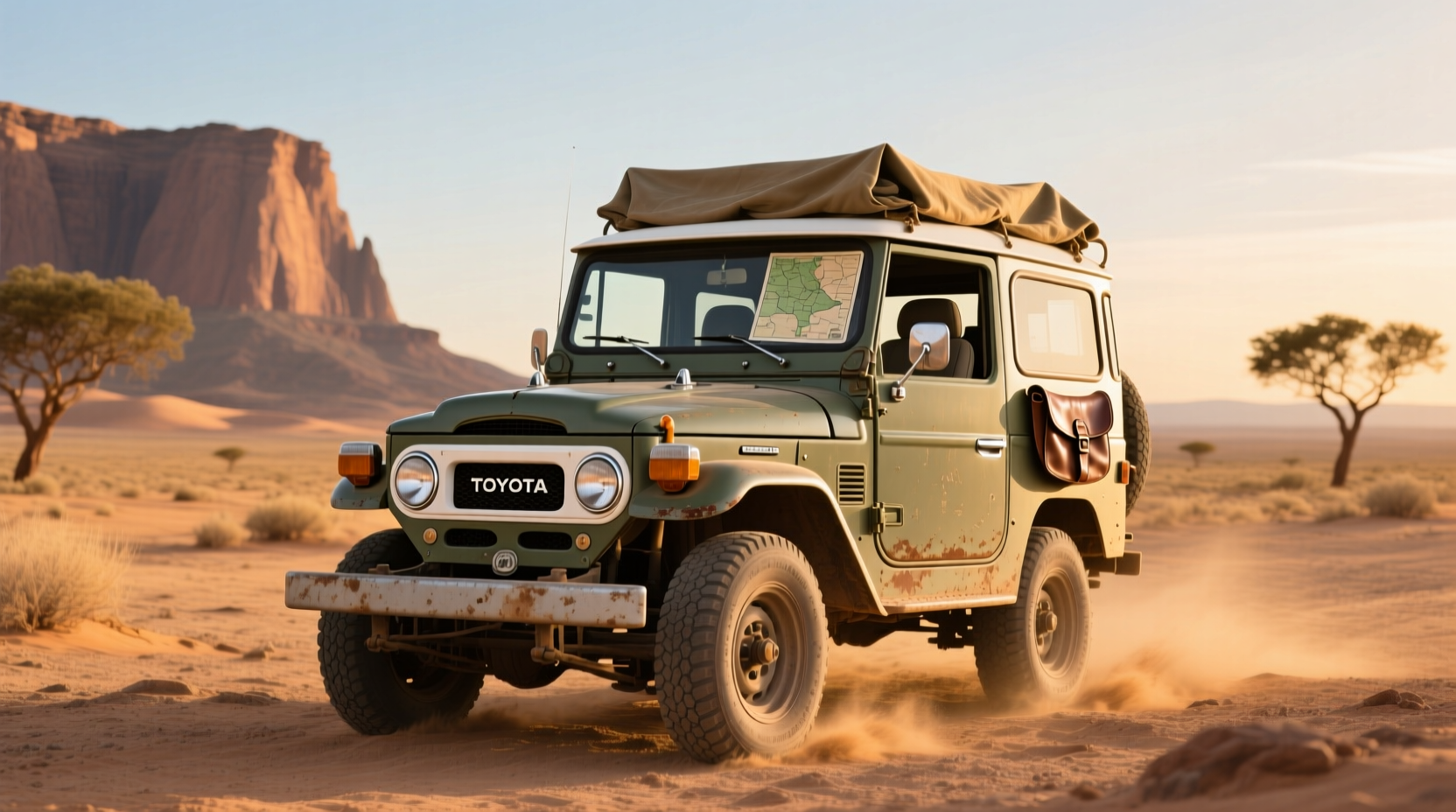
How to Choose a 1971 Toyota Land Cruiser: What to Look for and How Much It’s Worth
If you're asking how much a 1971 Toyota Land Cruiser is worth or trying to decide how to choose a 1971 Toyota Land Cruiser, start here: value ranges from under $20,000 for modified or high-mileage models to over $70,000 for fully restored, original-spec examples 12. The most valuable FJ40s are those with low mileage, original engines, minimal rust, and factory-correct configurations. Avoid vehicles with engine swaps (like V8 conversions), heavy customization, or frame damage — these can significantly reduce collector appeal and resale value 3. For trail enthusiasts, a solid, drivable example under $30,000 may offer better utility than a showpiece.
About the 1971 Toyota Land Cruiser
The 1971 Toyota Land Cruiser, commonly known as the FJ40, is a classic four-wheel-drive SUV celebrated for its rugged simplicity and off-road durability. Built during a pivotal year in the model’s evolution, it featured a 3,878cc inline-six gasoline engine (the F engine), manual transmission, and body-on-frame construction. Available in soft-top, hardtop (FJ40V), and pickup variants, the FJ40 was designed for military, agricultural, and remote civilian use 4.
Today, the 1971 model appeals to collectors, vintage 4x4 enthusiasts, and restomod builders. Its timeless boxy design, mechanical transparency, and global reputation for reliability make it a sought-after classic. Whether used for weekend adventures, restoration projects, or display at car shows, the FJ40 remains a symbol of automotive resilience.
Why the 1971 Land Cruiser Is Gaining Popularity
Interest in the 1971 Toyota Land Cruiser has grown steadily over the past decade. A wave of nostalgia, combined with increasing appreciation for analog driving experiences, fuels demand 5. Unlike modern SUVs packed with electronics, the FJ40 offers a raw, engaging drive — no power steering, no traction control, just mechanical feedback and go-anywhere capability.
Additionally, the rise of the "restomod" culture has boosted visibility. Some buyers seek original examples to preserve, while others purchase lower-cost models for upgrades like modern suspensions, fuel-injected engines, or updated interiors. Despite this, purists emphasize originality, which continues to command premium prices in collector markets 2. The active ownership community and strong parts availability also contribute to sustained interest.
Types and Variants
The 1971 Land Cruiser came in several configurations, each affecting value and usability:
- 🛒 Soft-Top (FJ40): Open-air design with foldable canvas roof. Offers maximum outdoor access and a classic look.
Pros: Lightweight, great for warm climates, authentic appearance.
Cons: Less weather protection, potential for canvas wear, reduced structural rigidity. - 🏭 Hardtop (FJ40V): Fixed steel roof with removable rear section. More refined and weather-resistant.
Pros: Better insulation, improved resale value, more comfortable daily driving.
Cons: Heavier, prone to rust in roof seams, slightly less adventurous aesthetic. - 🚚 Pickup (FJ45): Longer wheelbase with open bed. Rarer than the FJ40.
Pros: Functional cargo space, unique collector appeal.
Cons: Lower production numbers mean fewer parts, less common in private collections.
Transmission options included a 4-speed manual; automatics were not offered in 1971. Left-hand and right-hand drive versions exist, with LHD being more common in North America.
Key Features and Specifications to Evaluate
When assessing a 1971 Land Cruiser, focus on these core elements that directly affect performance, safety, and value:
- ✅ Original Engine (F-Type Inline-Six): The 3.9L F engine is critical for authenticity. Replacements (especially V8 swaps) lower collector value 1.
- 🔧 Transmission and Drivetrain: Check for smooth shifting, absence of grinding, and proper 4WD engagement. Original manuals are preferred.
- 🧼 Rust and Frame Condition: Inspect the frame rails, floor pans, and suspension mounts. Rust or patchwork can indicate costly repairs ahead 3.
- 📊 Mileage: Low mileage (under 50,000 miles) is rare and valuable. One example with only 310 miles sold for over $100,000 6.
- ✨ Originality and Documentation: Matching numbers, factory paint codes, and service history increase trust and value.
- 🌐 Electrical System: Older 12-volt systems may need rewiring. Ensure lights, gauges, and starter function reliably.
Pros and Cons
| Pros | Cons |
|---|---|
| Legendary off-road durability | No modern safety features (airbags, ABS) |
| Mechanically simple, easy to repair | Poor fuel economy (~12 mpg) |
| Strong collector demand and resale | Basic comfort (no AC, limited sound insulation) |
| Extensive aftermarket and club support | High restoration costs if project vehicle |
| Timeless, iconic design | Requires regular maintenance due to age |
Best suited for: Off-road adventurers, vintage vehicle collectors, DIY mechanics.
Not ideal for: Daily commuters seeking comfort, families needing safety features, budget buyers avoiding ongoing upkeep.
How to Choose a 1971 Toyota Land Cruiser
Follow this step-by-step guide when evaluating a potential purchase:
- Define Your Use Case: Are you restoring, driving casually, or building a restomod? This determines whether originality or functionality matters more.
- Inspect the Frame and Chassis: Use a flashlight to check for rust, especially under the battery tray, behind the axles, and along the rocker panels. A compromised frame is a deal-breaker.
- Verify Engine Authenticity: Confirm it’s the original F-type six-cylinder. Ask for documentation or consult an FJ specialist.
- Test Drive Thoroughly: Listen for unusual noises, test 4WD engagement, and check gear shifts. Note any smoke, leaks, or warning signs.
- Review Service History: Full records suggest better care. Absence doesn’t disqualify, but increases risk.
- Get a Pre-Purchase Inspection: Hire a mechanic experienced with vintage Toyotas. Cost ($200–$400) is minor compared to potential repair bills.
Red Flags to Avoid:
• Engine swaps (especially non-Toyota V8s)
• Extensive body filler or poor repaints
• High mileage without supporting maintenance logs
• Salvage title or flood damage history
• Missing original parts (hub caps, badges, trim)
Price & Market Insights
The market for 1971 Land Cruisers varies widely based on condition and provenance. Below is a summary of current pricing tiers:
| Condition / Configuration | Average Price (USD) | Notes |
|---|---|---|
| Fair / Modified | $17,500 – $23,000 | High mileage, custom bumpers, possible engine replacement |
| Good / Original | $25,000 – $35,000 | Solid mechanicals, mostly stock, drivable daily |
| Excellent / Restored | $35,200 – $54,000 | Show-quality finishes, correct details, low mileage |
| Restomod / Custom | $25,250 – $55,000 | Modern upgrades; value depends on build quality |
| Low Mileage (Under 1k mi) | $27,655 – $115,000 | Collector-grade; one sold for $132,000 2 |
The median sale price since 2020 is $35,200, with values trending upward due to scarcity and demand 2. While some sell below $20,000, well-preserved originals rarely do. Prices may vary by region — U.S. and Japanese markets often see higher valuations than European listings.
Top-Seller & Competitive Analysis
While all 1971 FJ40s share core DNA, certain configurations dominate the market:
| Variant | Popularity | Value Trend | Buyer Notes |
|---|---|---|---|
| FJ40 Soft-Top | High | Stable | Preferred for authenticity; easier to restore to stock |
| FJ40V Hardtop | Very High | Rising | Better daily usability; commands premium if original |
| FJ45 Pickup | Moderate | Gradual Increase | Niche appeal; fewer comparables, harder to value |
The hardtop (FJ40V) often sells faster due to broader appeal, but soft-tops attract purist bidders at auctions. When comparing listings, prioritize completeness and service history over cosmetic perfection.
Customer Feedback Synthesis
Analysis of owner forums, auction reviews, and marketplace comments reveals consistent themes:
- ⭐ Positive Feedback:
- “Mechanical simplicity makes repairs manageable.”
- “Unmatched off-road confidence on rough trails.”
- “Strong community support — parts and advice are easy to find.” - ❗ Common Complaints:
- “Rust creeps up quickly in humid climates.”
- “Finding a truly original, unmolested example is tough.”
- “Daily driving is tiring — stiff steering, noisy cabin.”
Owners who treat the FJ40 as a weekend or seasonal vehicle report higher satisfaction than those relying on it as a primary car.
Sourcing & Supplier Tips
Where you buy matters as much as what you buy:
- Online Marketplaces: ClassicCars.com, Hemmings, and Bring a Trailer offer vetted listings with photos and histories.
- Auctions: Live and online auctions (e.g., Barrett-Jackson, RM Sotheby’s) feature high-end examples but carry bidding risks.
- Private Sellers: Often offer better prices but require thorough due diligence. Always request a vehicle history report.
- Import Options: Some buyers import from Japan or Australia, where rust levels may be lower. However, verify compliance with local emissions and safety regulations before shipping.
Regardless of source, conduct a pre-purchase inspection and confirm title status. Avoid deals that seem too good to be true — they often involve hidden damage or title issues.
Maintenance, Safety & Legal Considerations
Older vehicles lack modern safety systems. Use seat belts if equipped, and consider adding auxiliary lighting for night driving. Brake systems should be inspected annually; drum brakes require frequent adjustment.
Maintenance is straightforward but regular: oil changes, coolant flushes, and greasing suspension points are essential. Parts are widely available through specialty suppliers like Cruiser Outfitters or Marlin Crawler.
Legally, ensure the vehicle meets your state or country’s requirements for registration, especially if modified. Emissions rules vary — some regions exempt classics, others require testing. Always verify local regulations before purchase 7.
Conclusion
Deciding how much a 1971 Toyota Land Cruiser is worth depends on condition, originality, and configuration. If you’re a collector, prioritize low-mileage, matching-numbers models with full documentation. For off-road use, a solid, mechanically sound FJ40 under $30,000 offers excellent value. Avoid heavily modified examples if long-term appreciation is a goal. Whether you seek adventure, craftsmanship, or investment, the 1971 Land Cruiser remains a compelling choice — provided you understand its demands and limitations.
FAQs
How much is a 1971 Toyota Land Cruiser worth?
Prices range from $17,500 for modified or high-mileage models to over $70,000 for restored, original examples. The median sale price is around $35,200.
Does a V8 swap decrease the value of a 1971 Land Cruiser?
Yes, engine swaps typically reduce collector value. Purists and appraisers favor original F-type six-cylinder engines.
What is the most desirable 1971 Land Cruiser configuration?
The FJ40V hardtop is highly sought after for its balance of comfort and originality, though soft-tops remain popular among purists.
Are 1971 Land Cruisers reliable for daily driving?
They can be driven regularly but lack modern comfort and safety. Best suited for occasional or recreational use.
Where can I find a genuine 1971 Toyota Land Cruiser for sale?
Check online platforms like Bring a Trailer, Hemmings, ClassicCars.com, or specialized forums like IH8MUD for listings worldwide.




 浙公网安备
33010002000092号
 浙B2-20120091-4