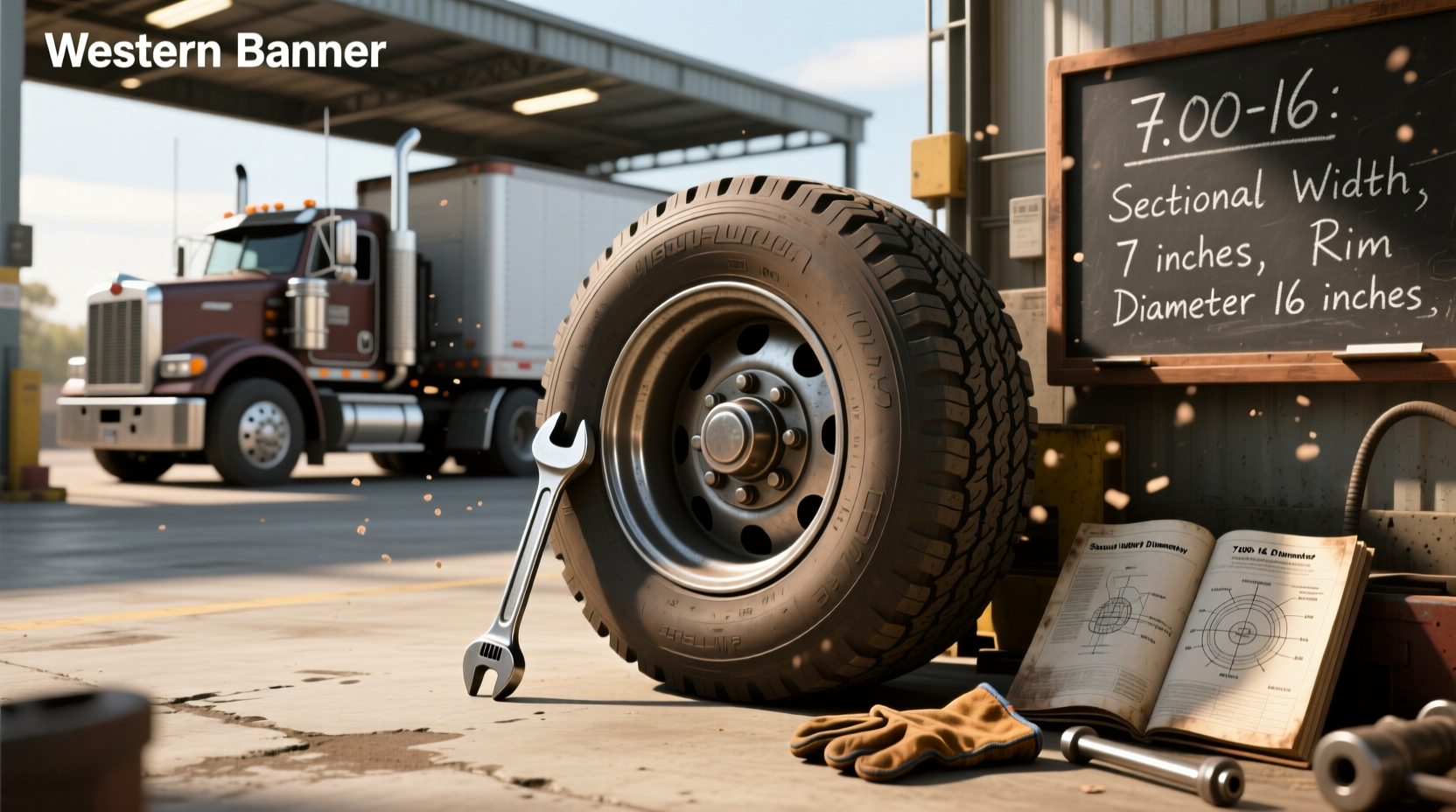
If you're asking how to choose tyre 700 16 truck, start here: the '7.00-16' marking refers to a tire with a 7-inch section width and designed for a 16-inch rim diameter — commonly used on light trucks, SUVs, and off-road vehicles 1. When selecting these tires, prioritize models labeled LT (Light Truck) for higher load capacity and durability. Avoid mismatching construction types — ensure radial (R) or bias-ply aligns with your vehicle’s original design. Always verify load index and speed rating match your usage needs, especially if hauling heavy loads or driving at highway speeds.
This guide breaks down what what is the meaning of 7.00-16 tyre? really means in practical terms and helps you evaluate options based on real-world performance factors like tread life, load range, terrain compatibility, and safety standards. Whether upgrading from bias-ply to radial or replacing worn tires, this buying guide covers everything from sizing confusion to supplier vetting so you can make an informed decision without marketing hype.
About Tyre 700 16 Truck, What Is the Meaning of 7.00-16 Tyre?
The designation "7.00-16" belongs to an older alphanumeric tire sizing system still widely used for light-duty trucks, utility vehicles, and some classic models. Unlike modern metric tire codes (e.g., 205/55R17), this format uses imperial units measured entirely in inches:
- 📏7.00: Section width in inches — the distance between sidewalls when mounted and inflated, approximately 7 inches wide.
- 🔧16: Rim diameter in inches — indicates the wheel size the tire fits, specifically a 16-inch diameter rim.
- ⚙️No “R” symbol? That usually means it's a bias-ply tire. If you see "7.00R16", that denotes radial construction, which offers better fuel efficiency and ride comfort.
- 🚚Often followed by LT (e.g., 7.00R16LT), indicating it's built for Light Trucks with reinforced sidewalls and higher load ratings than passenger car tires.
These tires are typically found on:
- Pickup trucks (especially older or work-focused models)
- SUVs with rugged suspension setups
- Delivery vans and small commercial fleets
- Off-road trailers and utility equipment
Understanding this size code is essential because misreading it could lead to improper fitment, reduced load capacity, or unsafe handling conditions.
Why Tyre 700 16 Truck, What Is the Meaning of 7.00-16 Tyre? Is Gaining Popularity
While newer vehicles often use metric tire sizes, the 7.00-16 remains popular due to its proven reliability in demanding environments. One reason for renewed interest is the growing market for retrofitted work trucks and vintage off-roaders where original specifications called for flotation-style tires. Additionally, many fleet operators prefer the simplicity and durability of LT-rated 7.00-16 tires for consistent daily use under variable loads.
Another driver of demand is the global availability of cost-effective replacements from manufacturers in Asia and Eastern Europe. As long as vehicles continue using 16-inch rims with moderate width requirements, the 7.00-16 will remain relevant — particularly in regions where spare parts logistics favor standardized, non-metric sizes.
Types and Variants
Not all 7.00-16 tires are created equal. The main variations come down to construction type, service classification, and tread pattern. Here's a breakdown of common types:
🔸 Bias-Ply (7.00-16)
Traditional diagonal-layer construction ideal for slow-speed, high-load applications.
- Pros: Durable sidewalls, resistant to cuts and impacts, good for uneven terrain
- Cons: Stiffer ride, lower fuel efficiency, shorter tread life, not ideal for highway speeds
- Best For: Farm equipment, trailers, low-speed utility vehicles
🔸 Radial (7.00R16 or 7.00R16LT)
Modern steel-belted radial design offering improved rolling resistance and longevity.
- Pros: Smoother ride, better heat dissipation, longer lifespan, suitable for highway driving
-
- Best For: Daily-driven pickups, delivery vans, overlanding rigs
🔸 Load Range Variants (C, D, E)
Marked after LT (e.g., LT235/85R16/C), these indicate ply rating and maximum load pressure.
- C: 6-ply equivalent — standard for most light trucks
- D: 8-ply — enhanced strength for heavier payloads
- E: 10-ply — maximum load capacity, often used in commercial settings
Choosing the right load range ensures your tires can safely support your vehicle’s GVWR (Gross Vehicle Weight Rating).
Key Features and Specifications to Evaluate
To effectively compare 7.00-16 truck tires, focus on these measurable criteria:
- ✅Load Index & Speed Rating: Found on the sidewall (e.g., 107/104, Q). Higher numbers mean greater weight capacity per tire. Confirm total axle load doesn’t exceed combined tire limits.
- 🔍Tread Depth & Pattern: Deeper treads (12–16mm) last longer and perform better off-road. Look for aggressive lug patterns for mud/gravel or ribbed designs for pavement stability.
- 🌐UTQG Ratings: Uniform Tire Quality Grading gives wear, traction, and temperature grades (e.g., 500 A B). Useful for estimating treadwear relative to other models.
- ⚡Rim Compatibility: Ensure the tire matches your wheel width — typically 5.0 to 6.0 inches for a 7.00-wide tire.
- 🏭Made Date Code: Check DOT number ending in four digits (e.g., 2223 = 22nd week of 2023). Avoid tires older than 3 years to prevent dry rot.
Pros and Cons
When 7.00-16 Tires Are Ideal ✅
- Vehicles originally equipped with 16-inch wheels needing direct replacements
- Operators requiring simple, robust tires for mixed urban/rural routes
- Fleet managers sourcing affordable, globally available spares
- Owners restoring classic trucks where authenticity matters
Limits and Drawbacks ❗
- Limited selection compared to metric sizes like 215/80R16
- Fewer premium brands offering advanced features (noise reduction, eco-compounds)
- Aspect ratio not specified — actual height may vary between brands
- Potential difficulty finding local retailers stocking less common variants
How to Choose Tyre 700 16 Truck, What Is the Meaning of 7.00-16 Tyre?
Follow this step-by-step checklist when shopping:
- 📋Confirm Your Vehicle’s Requirements: Check owner’s manual or door jamb placard for recommended tire size, load range, and inflation pressure.
- 🔎Decide Between Radial vs Bias-Ply: Choose radial for comfort and mileage; bias-ply only if operating at low speeds with heavy static loads.
- 📊Compare Load Index: Add up your vehicle’s total loaded weight and divide by 4 (or 6 for dualies). Each tire must exceed that value.
- 🌧️Match Tread to Terrain: All-season for city/highway mix; all-terrain for occasional dirt roads; mud-terrain only if regularly off-pavement.
- 🛑Avoid These Red Flags:
- Tires without clear LT or load range markings
- No visible DOT code or illegible date stamp
- Dealers refusing to provide spec sheets or warranty details
- Prices significantly below market average — may indicate retreads or expired stock
Always double-check mounting compatibility — even within the same size, some 7.00-16 tires may have different overall diameters affecting speedometer accuracy.
Price & Market Insights
Pricing varies significantly depending on construction, brand origin, and load rating:
- Bias-Ply (7.00-16): $60–$90 per tire
- Radial (7.00R16LT): $90–$140 per tire
- High-Load (Load Range D/E): $120–$180 per tire
Premium Western brands (Michelin, Goodyear) command higher prices but often offer longer warranties and better customer support. Budget-friendly alternatives from China or India are viable for short-haul operations but may lack rigorous quality control. Prices may vary by region — always request landed cost including shipping for international orders.
Top-Seller & Competitive Analysis
Below is a comparison of three commonly purchased 7.00R16LT tire models:
| Model | Construction | Load Range | Estimated Tread Life | Best Use Case |
|---|---|---|---|---|
| BFGoodrich All-Terrain T/A KO2 | Radial | E | 60,000 miles | Overlanding, heavy payloads |
| Goodyear Wrangler ST | Radial | D | 50,000 miles | Delivery vans, mixed terrain |
| Hankook Dynapro HL22 | Radial | C | 45,000 miles | Urban commuting, light duty |
Note: While exact 7.00R16LT versions may be limited, equivalent metric sizes (like 215/80R16) are more common and sometimes interchangeable — verify with a tire professional before substituting.
Customer Feedback Synthesis
Based on aggregated user reviews across retail platforms:
- Common Praises:
- "Durable sidewalls handle potholes well"
- "Easy to mount and balance"
- "Good grip in wet conditions"
- Frequent Complaints:
- "Limited availability forces online ordering"
- "Some budget brands show uneven wear after 15k miles"
- "Tread noise increases noticeably above 55 mph"
Many users appreciate the straightforward sizing and rugged build, though dissatisfaction tends to center around supply chain issues and inconsistent manufacturing batches in lower-cost lines.
Sourcing & Supplier Tips
Whether buying one set or placing bulk orders:
- 🛒For Individuals: Buy from authorized dealers with return policies. Verify tire date codes upon arrival.
- 👥For Fleets/Businesses: Consider working directly with regional distributors or OEM partners for volume discounts and dedicated inventory.
- 🔍Online Orders: Request photos of DOT codes before shipment. Confirm whether tires are new (not stored >2 years).
- 🧰Inspection Upon Delivery: Check for cracks, bulges, or deformities. Inflate slowly during first mounting to detect structural flaws.
Be cautious with third-party marketplaces — counterfeit or recapped tires have been reported in rare cases. Stick to reputable suppliers with verifiable business credentials.
Maintenance, Safety & Legal Considerations
To maximize safety and compliance:
- ⏱️Inspect tires monthly for tread depth (use penny test), cracks, and proper inflation.
- 🌡️Maintain correct PSI as listed on the vehicle placard — underinflation reduces load capacity and increases blowout risk.
- 🔄Rotate tires every 6,000–8,000 miles to promote even wear.
- ⚖️Ensure total vehicle weight (including cargo) stays within tire load limits.
While specific regulations vary by country, most require minimum tread depth (typically 2/32 inch) and prohibit visibly damaged or repaired tires on steer axles. Always check local transport authority guidelines — do not assume international standards apply.
Conclusion
Choosing the right tyre 700 16 truck comes down to matching construction, load capacity, and intended use. If you need durable, load-ready tires for a work van or older pickup, go with a radial LT model in Load Range D or E. For low-speed industrial use, bias-ply remains a solid option. Always confirm the full designation — such as 7.00R16LT — rather than relying solely on size. By focusing on verified specs, trusted suppliers, and routine maintenance, you’ll get reliable performance from your 7.00-16 investment.
FAQs
❓ What does 7.00-16 mean on a tire?
The "7.00-16" marking indicates a tire with a 7-inch section width and designed to fit a 16-inch diameter wheel rim. It's part of an older sizing system commonly used for light trucks and utility vehicles.
❓ Can I replace 7.00-16 tires with metric sizes?
Sometimes. Equivalent sizes like 215/80R16 are close in diameter and width, but you must verify clearance, load capacity, and speed rating compatibility. Consult a tire professional before making substitutions.
❓ What’s the difference between 7.00-16 and 7.00R16?
The absence of "R" usually indicates bias-ply construction, while "R" stands for radial. Radial tires offer better fuel economy, ride comfort, and tread life, especially at higher speeds.
❓ How long do 7.00-16 truck tires last?
Lifespan depends on usage, load, and road conditions. Radial LT tires typically last 40,000–60,000 miles under normal conditions. Bias-ply tires may wear faster, especially on highways.
❓ Are 7.00-16 tires still being manufactured?
Yes, though availability varies. Several global manufacturers produce both bias-ply and radial versions, particularly for commercial and replacement markets. However, selection is more limited than for metric sizes.




 浙公网安备
33010002000092号
 浙B2-20120091-4