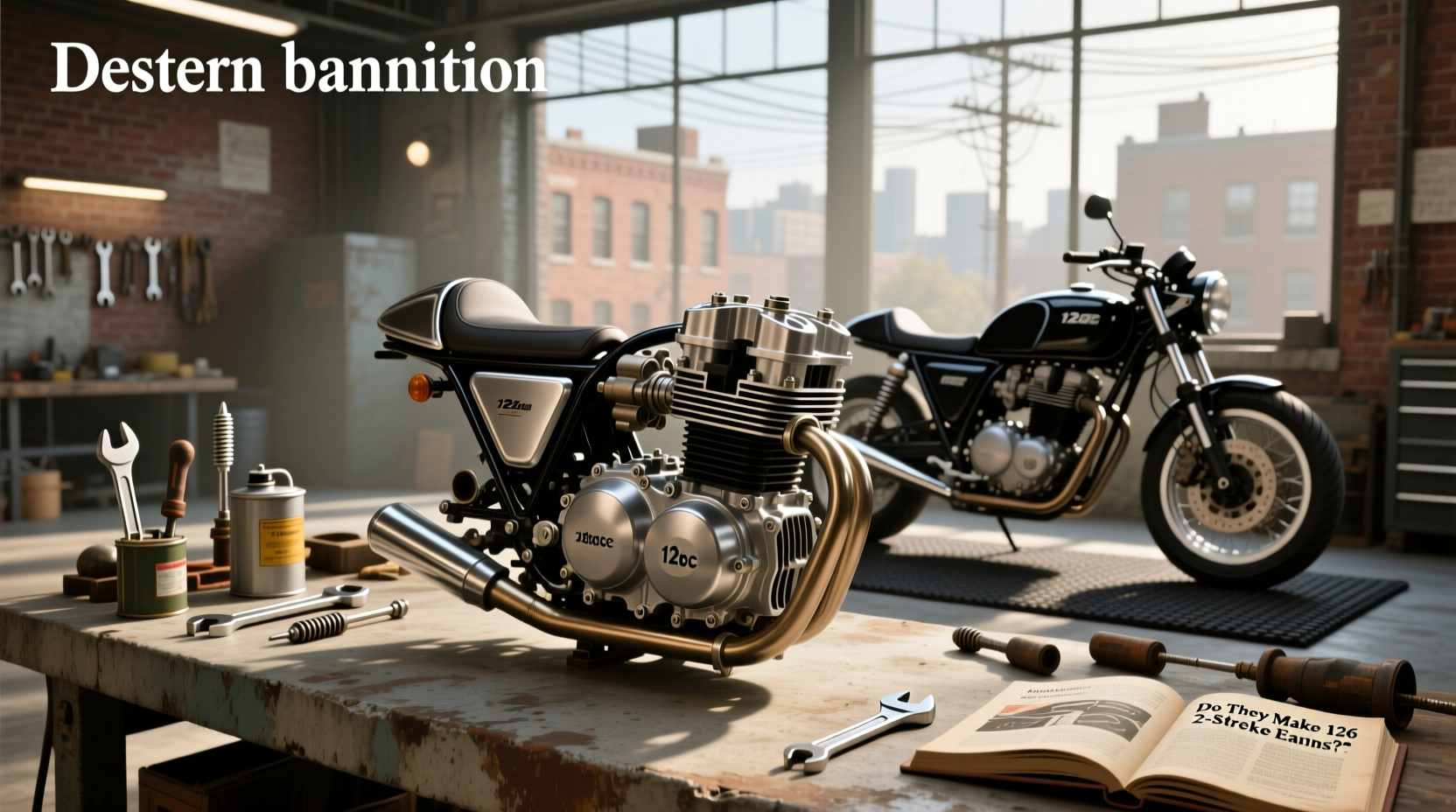
If you're asking do they make 125 2 strokes?, the answer is yes—both as original equipment and aftermarket replacements. When considering how to choose a two stroke 125cc engine, focus first on your intended use: off-road motorcycles, pit bikes, go-karts, or utility applications like pumps and generators. Key factors include power output (typically 20–35 hp), weight (35–55 lbs), carburetion type, cooling method (air or liquid), and compatibility with existing frames or mounts. Avoid engines without clear emissions certification if street use is intended, and always verify mounting dimensions and shaft output specs before purchase. For performance builds, consider complete kits with expansion chambers and reed valves.
About Two Stroke 125cc Engine, Do They Make 125 2 Strokes?
The 125cc two-stroke engine remains a popular choice in niche markets despite broader industry shifts toward four-stroke and electric powertrains. These compact, lightweight engines deliver high power-to-weight ratios, making them ideal for motocross, trail riding, mini-bikes, and karting. The short answer to “do they make 125 2 strokes?” is affirmative—many manufacturers and third-party suppliers continue producing these engines for both OEM integration and retrofitting.
Typically found in dirt bikes such as the KTM 125 SX or Yamaha YZ125, this engine class uses a two-cycle combustion process where intake, compression, combustion, and exhaust occur in just two piston strokes. This design allows for simpler mechanics, reduced part count, and explosive acceleration, though at the cost of higher fuel consumption and emissions compared to four-strokes.
Today’s availability spans new production models from select European and Asian brands, as well as robust aftermarket options designed for customization, restoration, or DIY projects like motorizing bicycles or building custom track karts.
Why Two Stroke 125cc Engine, Do They Make 125 2 Strokes? Is Gaining Popularity
Despite environmental regulations limiting widespread adoption, interest in 125cc two-stroke engines has seen a resurgence among enthusiasts and specialized users. One major driver is the raw performance characteristic: immediate throttle response and high RPM power delivery that many riders find exhilarating on tracks and trails.
🛠️ Another reason lies in the growing DIY and restoration communities. Many vintage motocross bikes are being revived using modernized 125cc two-stroke platforms that offer improved reliability while preserving classic feel. Additionally, modular engine kits allow tinkerers to build custom machines—from pocket rockets to sand rails—without relying on obsolete stock parts.
🌐 Online marketplaces and global supply chains have also made it easier than ever to source complete engines or rebuild kits. Aftermarket support remains strong, with numerous vendors offering performance upgrades like billet crankshafts, high-flow carburetors, and tuned exhaust systems.
Types and Variants
When evaluating how to choose a two stroke 125cc engine, understanding the different types available is essential. Each variant serves distinct purposes and comes with trade-offs in complexity, cost, and usability.
1. OEM Racing Engines (e.g., KTM 125 SX, Husqvarna TC 125)
- Pros: Precision engineering, race-proven durability, full manufacturer support
- Cons: High price ($3,000+), limited availability outside dealer networks
2. Generic Chinese Production Engines (e.g., Zongshen, Lifan-based clones)
- Pros: Affordable ($400–$900), widely available online, compatible with common aftermarket parts
- Cons: Inconsistent quality control, shorter lifespan under heavy use, minimal documentation
3. Crate Engines for Custom Builds
- Pros: Designed for integration into non-motorcycle platforms (karts, trikes), often include mounting brackets and ignition systems
- Cons: May require additional components (clutch, chain drive) not included in base package
4. Rebuildable Core Units
- Pros: Ideal for restorations; sold as bare long blocks for complete customization
- Cons: Require significant mechanical knowledge and tooling to assemble and tune
Key Features and Specifications to Evaluate
To make an informed decision when shopping for a two stroke 125cc engine, assess the following technical and practical criteria:
- ⚙️ Displacement & Power Output: True 125cc displacement should yield 20–35 horsepower depending on tuning.
- 🔧 Carburetion Type: Mikuni TM/VM series carbs are preferred for tunability over basic slide carbs.
- 🌡️ Cooling System: Air-cooled units are simpler but prone to overheating; liquid-cooled versions offer better thermal management.
- ⚖️ Dry Weight: Ranges from 35–55 lbs. Lighter engines improve agility in racing applications.
- 🔌 Ignition System: CDI modules should be digital and adjustable for timing curves.
- 🔩 Mounting Configuration: Verify bolt patterns and center distances match your frame or application.
- 🔄 Output Shaft Type: Spline count and diameter must align with clutch or drivetrain components.
- 🌍 Emissions Compliance: Check whether the engine meets EPA or EU standards if used on public roads or regulated tracks.
Pros and Cons
Pros ✅
- High power-to-weight ratio
- Simpler internal design, fewer moving parts
- Lower initial cost than equivalent four-strokes
- Explosive acceleration and responsive throttle
- Easy to disassemble and maintain with basic tools
Cons ❗
- Higher fuel and oil consumption
- Louder operation and more vibration
- Shorter engine life under sustained load
- Not street-legal in many regions due to emissions
- Frequent rebuilding may be needed after 50–100 hours of hard use
How to Choose Two Stroke 125cc Engine, Do They Make 125 2 Strokes?
Follow this step-by-step guide when deciding what type of 125cc two-stroke engine suits your needs best.
Step 1: Define Your Use Case
Ask yourself: Will this engine go into a competition bike, a backyard pit bike, a generator, or a custom vehicle? Performance demands vary drastically across applications.
Step 2: Confirm Compatibility
Measure your chassis or platform. Ensure engine width, mount spacing, and output shaft alignment are compatible. Misalignment can lead to drivetrain stress or installation failure.
Step 3: Prioritize Build Quality
Look for forged pistons, needle-bearing connecting rods, and CNC-machined cylinders. Avoid cast-aluminum internals unless budget is extremely tight.
Step 4: Evaluate Included Components
Some engines come with carburetor, CDI, flywheel, and exhaust manifold; others do not. Factor in missing parts’ costs when comparing prices.
Step 5: Research Supplier Reputation
Check reviews for consistency in packaging, labeling accuracy, and customer service responsiveness. Poorly documented engines increase setup time and frustration.
Avoid These Red Flags ⚠️
- No serial number or model identification plate
- Vague or missing technical specifications
- Claims of “race-ready” without supporting component details
- Pricing significantly below market average (indicates counterfeit or defective units)
- Lack of return policy or warranty terms
Price & Market Insights
Pricing for 125cc two-stroke engines varies widely based on origin, completeness, and intended use:
- Budget Tier ($400–$700): Typically Chinese-made, air-cooled, basic carburetor, no warranty. Suitable for hobbyists and low-intensity use.
- Mid-Range ($700–$1,500): Better materials, some liquid-cooled options, includes full ignition and fuel system. Often used in replica builds.
- Premium Tier ($2,500–$4,000): Genuine OEM units from KTM, Yamaha, or Husqvarna. Include full factory support and compliance certifications.
While cheaper engines may seem appealing, long-term value often favors mid-tier options with reliable parts availability. Always confirm whether shipping includes import duties, especially when ordering internationally.
Top-Seller & Competitive Analysis
Below is a comparison of leading engine types commonly searched under “two stroke 125cc engine, do they make 125 2 strokes?”
| Model / Type | HP Range | Cooling | Weight (lbs) | Avg Price | Best For |
|---|---|---|---|---|---|
| KTM 125 SX (OEM) | 35 hp | Liquid | 54 | $3,800 | Racing, professional use |
| Yamaha YZ125 (OEM) | 33 hp | Liquid | 55 | $3,600 | Track days, resale value |
| Zongshen Clone Kit | 28 hp (est.) | Air | 42 | $650 | Pit bikes, DIY builds |
| Generic Crate Engine | 25 hp | Air | 38 | $520 | Karts, utility machines |
Note: Performance figures for generic models are estimates and may vary by build quality and tuning.
Customer Feedback Synthesis
Based on aggregated buyer reviews across e-commerce and enthusiast forums, here are the most frequently mentioned points:
Common Praises ✨
- “Excellent power for size—perfect for small-frame motocross.”
- “Easy to start once properly jetted.”
- “Great value for DIY builders who know their way around a wrench.”
- “Aftermarket support makes upgrades straightforward.”
Recurring Complaints ❗
- “Received incorrect gasket set with order.”
- “No instructions or wiring diagram included.”
- “Engine seized after 10 hours—possibly pre-existing damage.”
- “Difficult to verify authenticity of ‘premium’ clone parts.”
Sourcing & Supplier Tips
🛒 When sourcing a 125cc two-stroke engine, consider multiple channels:
- OEM Dealers: Best for certified, warrantied units. Ideal for competitive riders needing compliance.
- Online Retailers (e.g., eBay, AliExpress, RevZilla): Offer wide selection but require careful vetting of seller ratings and product descriptions.
- Specialty Performance Shops: Provide expert advice and tested configurations, though at higher markup.
👥 For bulk purchases or resale, contact distributors directly. Request sample units before placing large orders. Always inspect incoming shipments for shipping damage and missing components. Keep records of invoices and communications for warranty claims.
Maintenance, Safety & Legal Considerations
🧼 Regular maintenance is critical for two-stroke longevity. Key practices include:
- Mixing correct fuel-to-oil ratio (typically 50:1 for modern oils)
- Inspecting spark plug condition every 5–10 hours
- Cleaning air filter weekly in dusty environments
- Checking cylinder head torque after break-in period
⚠️ Safety precautions: Secure the engine properly to prevent vibration-induced loosening. Use protective guards around rotating parts. Operate only in well-ventilated areas due to exhaust fumes.
📌 Regulatory note: While do they make 125 2 strokes? is a valid question, legality depends on jurisdiction. Many regions restrict unlicensed two-strokes from public roads and even certain off-road parks. Always check local regulations before operating. Emissions standards (EPA, CARB, Euro) may apply—even for private use in some areas.
Conclusion
If you need a lightweight, high-revving powerplant for racing, recreation, or custom fabrication, then yes—they do make 125 2 strokes, and they remain a viable option today. For serious performance, choose OEM models like the KTM 125 SX. For budget-conscious builders, verified aftermarket kits offer flexibility. Always prioritize compatibility, component quality, and supplier transparency. Whether you’re restoring a classic or designing a new machine, understanding how to choose a two stroke 125cc engine ensures better results and fewer setbacks.
FAQs
- Q: Do they still manufacture 125cc two-stroke engines?
A: Yes, several manufacturers—including KTM, Yamaha, and various aftermarket suppliers—still produce 125cc two-stroke engines for off-road and specialty applications. - Q: Can I use a 125cc two-stroke engine on the street?
A: Generally no. Most 125cc two-strokes lack necessary emissions certifications for road use. Check local laws before attempting registration. - Q: What is the typical lifespan of a 125cc two-stroke engine?
A: With proper maintenance, expect 50–100 hours of runtime under aggressive use. Regular rebuilds extend total service life. - Q: Are parts readily available for 125cc two-stroke engines?
A: Yes, especially for popular OEM models and common Chinese clones. Performance and replacement parts are widely accessible through online retailers and specialty shops. - Q: How much does a 125cc two-stroke engine cost?
A: Prices range from $500 for basic kits to over $3,500 for OEM racing engines, depending on brand, condition, and included components.




 浙公网安备
33010002000092号
 浙B2-20120091-4