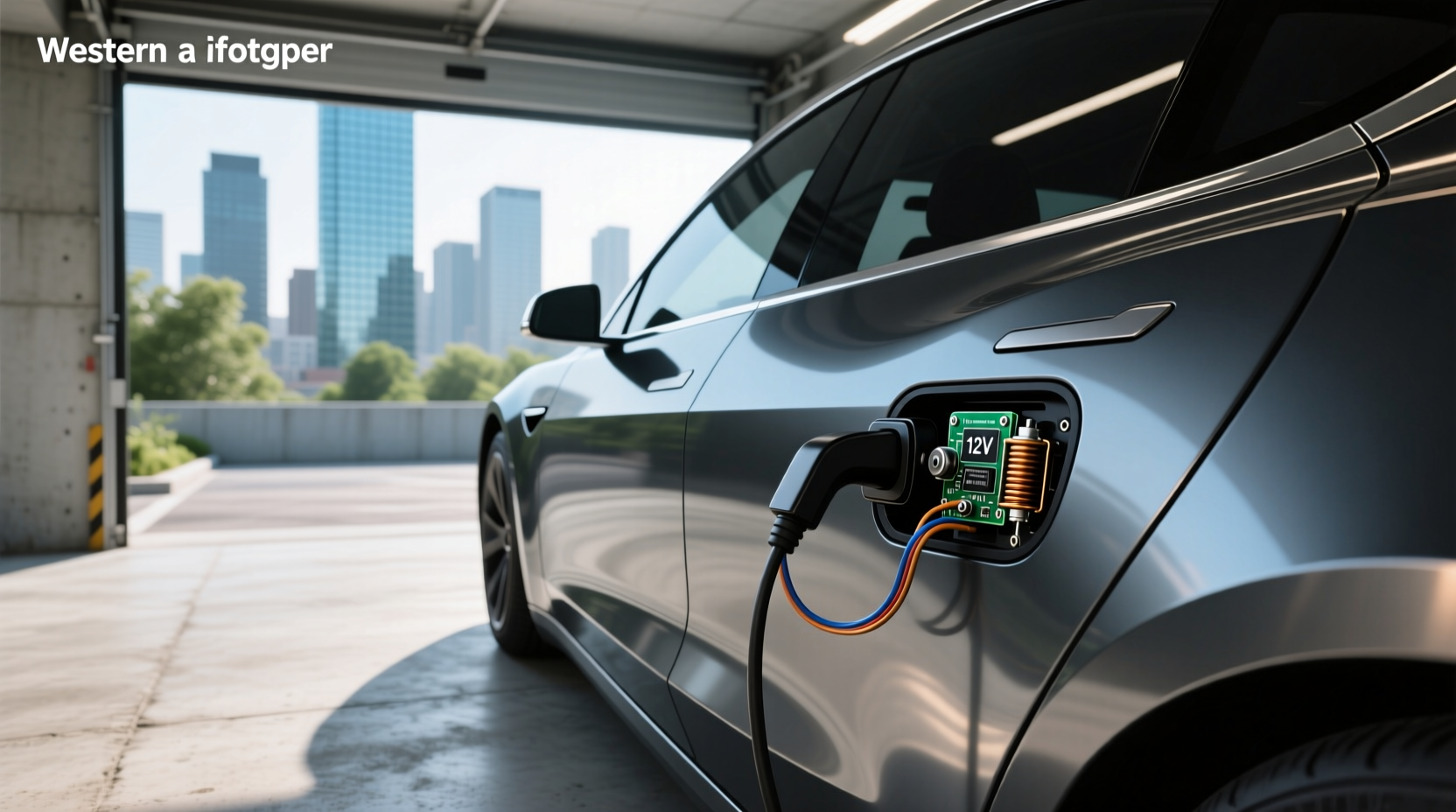
If you're wondering how to choose an electric car door lock 12v or asking what is the voltage of an electric lock, here's the quick answer: nearly all automotive power door locks operate on 12 volts DC, matching the standard vehicle electrical system powered by the car battery. When selecting a replacement or upgrade, prioritize compatibility with your vehicle’s wiring (commonly 3-wire or 4-wire configurations), ensure components like relays and switches are rated for 12V DC, and verify current draw doesn’t exceed circuit capacity. Avoid universal 'one-size-fits-all' actuators without confirming mechanical fit and polarity control—miswiring can damage motors or prevent operation.
About Electric Car Door Lock 12V: What Is the Voltage of an Electric Lock?
An electric car door lock 12V refers to the electromechanical actuator used in modern vehicles to automatically lock and unlock doors via remote key fobs, interior switches, or central locking systems. The “12V” designation indicates it operates on 12 volts direct current (DC), which aligns with the standard low-voltage electrical architecture of most gasoline and hybrid passenger vehicles 1. This voltage is supplied by the vehicle’s primary 12V battery and distributed through the wiring harness to each door’s actuator.
The core component is a small DC motor connected to a gear train that converts rotational motion into linear movement, pulling or pushing a rod linked to the door latch mechanism. These systems are designed for intermittent use—locking or unlocking takes just a second or two—and consume relatively low power, typically between 3W and 6W per actuator.
While the term “electric lock” may refer broadly to any electronically controlled locking device, in automotive contexts it specifically describes these 12V-powered actuators. In commercial or industrial settings, such as access control systems, 24V DC is more common due to reduced voltage drop over long cable runs 2.
Why Electric Car Door Lock 12V Is Gaining Popularity
Electric door locks have been standard equipment in cars for decades, but demand for replacement parts and aftermarket upgrades remains strong. Their popularity stems from convenience, integration with security systems, and increasing vehicle electrification. Modern drivers expect seamless operation—pressing a button on a key fob should instantly lock all doors, often accompanied by visual feedback like flashing lights.
As older vehicles age, door lock actuators wear out due to repeated use, moisture exposure, or mechanical binding. This creates a steady market for DIY replacements. Additionally, some owners retrofit manual lock systems with electric ones for improved usability, especially in custom builds or classic car restorations.
The reliability of 12V systems, combined with widespread availability of compatible parts, makes them a go-to solution. Integration with alarm systems, smart entry modules, and fail-safe behaviors (like defaulting to unlocked during battery failure) further enhances their appeal 3.
Types and Variants
Different vehicle manufacturers use various actuator designs, but they generally fall into three main types:
- ⚙️Rack-and-Pinion Actuators: Most common in modern cars. They feature a small motor driving a toothed rack that moves linearly. Compact and efficient, these are ideal for tight spaces inside door panels.
- ⚙️Worm Gear Actuators: Use a rotating worm screw to move a follower. Known for durability and self-locking properties (won’t back-drive under load), but slightly slower than rack-and-pinion models.
- ⚙️Cable-Drive Actuators: Employ a motor that pulls a flexible Bowden cable. Often found in older vehicles or those with complex door geometries. More prone to stretching or snagging over time.
Each type has pros and cons:
| Actuator Type | Pros | Cons |
|---|---|---|
| Rack-and-Pinion | Fast response, compact size, high precision | Can bind if misaligned, sensitive to debris |
| Worm Gear | Durable, holds position well, resists back-driving | Slower operation, bulkier design |
| Cable-Drive | Flexible routing, good for awkward installations | Cables stretch over time, less reliable long-term |
Key Features and Specifications to Evaluate
When evaluating a 12V electric car door lock, consider these technical and practical factors:
- ⚡Voltage Rating: Must be 12V DC. Never use a 24V actuator on a 12V system—it won’t operate. Using a lower-voltage relay or switch can cause overheating 4.
- 🔌Wiring Configuration: Check whether your vehicle uses 3-wire (common ground, separate lock/unlock signals) or 4/5-wire (reversing polarity via relay). Mismatched wiring leads to incorrect operation.
- 🔋Current Draw: Typically 250–600mA per actuator. High current draw may overload weak switches or thin wires, especially in older cars.
- 📏Stroke Length & Force: Measured in millimeters and newtons. Must match original equipment to ensure full engagement of the lock mechanism.
- 🔧Mounting Style: Clips, brackets, or screws? Ensure compatibility with your door’s internal structure.
- 🛡️Weather Resistance: Look for sealed motors and corrosion-resistant housings, especially for vehicles in humid or salty environments.
Pros and Cons
Advantages:
- ✅ Enables remote and centralized control
- ✅ Integrates easily with alarms and immobilizers
- ✅ Improves accessibility and user experience
- ✅ Widely available and standardized around 12V
Disadvantages:
- ❗ Susceptible to moisture damage and mechanical wear
- ❗ Wiring complexity increases risk of faults
- ❗ May not function during complete battery drain (though many systems default to unlocked)
- ❗ Aftermarket units may lack OEM-level durability
How to Choose Electric Car Door Lock 12V: Step-by-Step Buying Guide
Follow this checklist when selecting a replacement or upgrade:
- 🔍Confirm Vehicle Compatibility: Match make, model, year, and door side (driver’s vs. passenger’s). Some actuators differ by position.
- 🧰Inspect Original Unit First: Remove the old actuator and note its wiring diagram, connector type, and physical dimensions.
- 🔌Verify Wiring Type: Determine if your system uses polarity reversal (4-wire) or separate signal lines (3-wire). Use a multimeter to test voltage during lock/unlock commands.
- 📊Check Electrical Specs: Ensure the new actuator matches voltage (12V DC), current draw, and stroke length.
- 📦Avoid Generic 'Universal' Kits Without Testing: While cheaper, they may require modification and lack precise fitment.
- 🛒Purchase from Reputable Suppliers: Look for sellers who provide detailed specifications, wiring diagrams, and return policies.
Red Flags to Avoid:
- No clear voltage rating or wiring instructions
- Unrealistically low price compared to OEM equivalents
- Lack of polarity protection or reverse polarity warnings
- Plastic gears in high-torque applications
Price & Market Insights
Prices for individual 12V door lock actuators range from $15 to $50, depending on brand, build quality, and whether they’re OEM-replacement or generic. Complete 4-door kits sell for $40–$120. OEM parts from dealerships cost significantly more ($80–$150 per unit) but offer guaranteed fit and longer warranties.
Value isn't always tied to price—some mid-range aftermarket brands offer excellent durability. However, extremely cheap units often use inferior motors or brittle plastics. For most users, a $25–$35 actuator from a known supplier strikes the best balance between cost and reliability.
Prices vary by region and retailer. Always check shipping costs and return policies before purchasing, especially when buying online.
| Feature | 12V System | 24V System |
|---|---|---|
| Standard Use | Automotive, some residential | Commercial, industrial |
| Current Draw | Higher (e.g., 500mA for 6W) | Lower (e.g., 250mA for 6W) |
| Voltage Drop | More significant over distance | Less significant |
| Wire Gauge | Larger gauge needed for long runs | Smaller gauge sufficient |
| Power Supply | Vehicle battery (12V) | Commercial access controllers |
Top-Seller & Competitive Analysis
Popular aftermarket brands include Standard Motor Products, TYC, and Four Seasons. Top-selling models emphasize direct OEM compatibility, pre-assembled wiring connectors, and weather-sealed housings.
When comparing top sellers, focus on:
- Inclusion of mounting hardware and alignment guides
- Presence of built-in relays or diodes for noise suppression
- Availability of installation videos or technical support
OEM-equivalent units typically outperform generic kits in longevity and smooth operation.
Customer Feedback Synthesis
Analysis of buyer reviews reveals consistent patterns:
Frequent Praises:
- Exact fit for specific vehicle models
- Clear labeling of wires and polarity
- Smooth, quiet operation after installation
- Inclusion of detailed instructions
Common Complaints:
- Incorrect wiring configuration leading to reverse operation
- Short lifespan in humid climates
- Missing clips or brackets
- Weak motor force requiring manual assistance
Many issues stem from improper installation rather than product defects—double-check connections and mechanical linkage alignment.
Sourcing & Supplier Tips
For individual buyers, auto parts stores and online marketplaces (e.g., Amazon, RockAuto) offer convenient access. Look for sellers with:
- Detailed product descriptions including voltage, wire count, and stroke length
- High-resolution images showing connectors and labels
- Responsive customer service for technical questions
- At least a 30-day return window
For bulk purchases (e.g., repair shops), consider distributors offering tiered pricing. Verify authenticity by cross-referencing part numbers with OEM catalogs. Always inspect units upon arrival for damaged housing or loose wires.
Maintenance, Safety & Legal Considerations
To extend life:
- Keep door seals intact to prevent water intrusion
- Lubricate moving rods periodically with silicone-based grease
- Avoid forcing manual locks when the actuator is engaged
Safety-wise, ensure the system defaults to unlocked during total power loss if required by local regulations. While no universal law mandates this, some regions consider occupant egress in emergencies. Confirm with vehicle safety standards applicable in your area.
Never modify wiring in a way that disables factory safety features like child locks or automatic unlock on crash detection.
Conclusion
If you need a reliable replacement for a failed door lock actuator, choose a 12V DC unit matched to your vehicle’s make, model, and wiring type. Prioritize correct voltage, proper current rating, and mechanical compatibility over price. For upgrades or retrofits, ensure your vehicle’s electrical system can handle the additional load and use relays where necessary. Understanding what is the voltage of an electric lock in automotive applications—almost always 12V—is the first step toward making an informed decision. Whether you're repairing a single door or upgrading a full set, attention to detail ensures long-term performance and safety.
FAQs
What is the voltage of an electric car door lock?
Nearly all electric car door locks operate on 12 volts DC, matching the standard vehicle electrical system powered by the 12V battery.
Can I use a 24V lock on a 12V system?
No. A 24V actuator will not function properly on a 12V system and may fail to activate or overheat.
How do I know if my door lock actuator is failing?
Symptoms include slow operation, clicking sounds without movement, partial locking, or complete failure—often starting with one door.
Do electric door locks work when the car is off?
Yes, as long as the 12V battery has charge. However, they stop working if the battery is fully drained.
Are 12V door lock actuators reversible?
Yes, most are designed to reverse direction based on polarity or signal input to lock and unlock the door.




 浙公网安备
33010002000092号
 浙B2-20120091-4