Short introduction
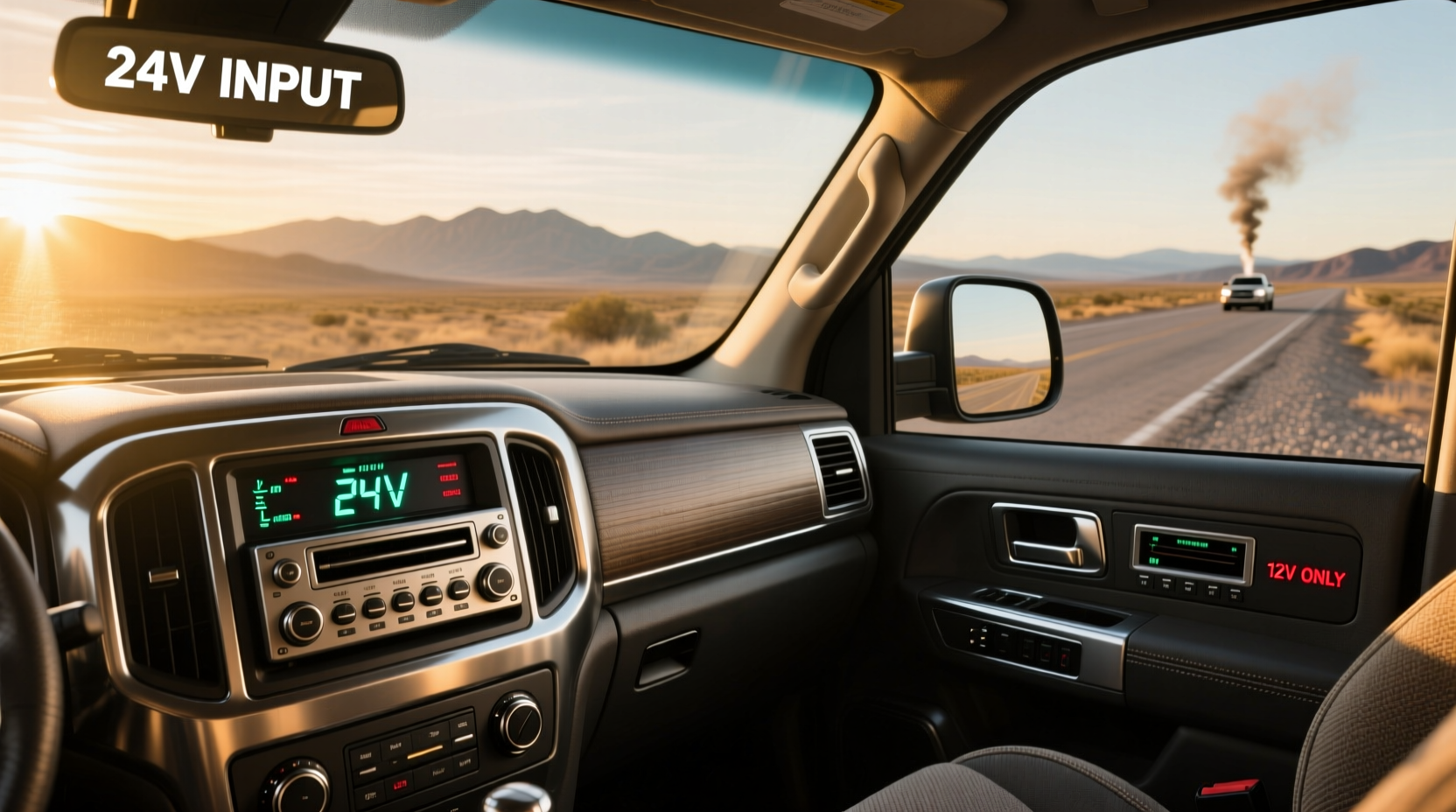
Selecting the correct car radio for a 24V electrical system requires careful consideration of voltage compatibility, power delivery, and safety mechanisms. Many users wonder: Will a 12V radio work on a 24V system? The short answer is no—not without proper voltage regulation. Connecting a 12V radio directly to a 24V supply risks immediate component failure due to overvoltage stress. However, with the right tools—such as a DC-DC step-down converter—you can safely operate a 12V unit. Alternatively, investing in a native 27V-rated car radio ensures seamless integration and long-term durability. Understanding what to look for in car radio 24v,Will a 12V radio work on 24V? applications helps avoid costly mistakes and supports reliable performance in demanding environments like fleet vehicles, RVs, or industrial machinery.
About car radio 24v,Will a 12V radio work on 24V?
A car radio 24v refers to an audio system designed to operate within a 24-volt nominal electrical architecture, commonly found in heavy-duty vehicles such as large trucks, buses, construction equipment, and some military or off-grid vehicles. These systems typically run on dual 12V batteries wired in series, producing a combined 24V output. In contrast, most consumer-grade car stereos are built for 12V systems, standard in passenger cars and light-duty vehicles.
The central question—Will a 12V radio work on a 24V system?—arises when owners attempt to retrofit modern infotainment units into higher-voltage platforms. While tempting due to wider availability and lower cost of 12V models, direct connection poses serious risks. A 12V radio expects a regulated input around 12–14.4V; exposing it to 24V (or even 27V under charging conditions) exceeds its design tolerance, leading to catastrophic failure 1.
Why car radio 24v,Will a 12V radio work on 24V? is gaining popularity
Demand for compatible audio solutions in 24V systems has grown alongside the expansion of commercial transport, emergency response fleets, and recreational overlanding rigs that rely on dual-battery setups. Users seek better connectivity, Bluetooth integration, navigation, and sound quality—features often lacking in factory-installed 24V radios. As aftermarket 12V units offer superior functionality at competitive prices, more people explore ways to adapt them safely.
This trend reflects broader shifts toward customization and digital integration in non-consumer vehicles. Whether upgrading an older truck or building a custom mobile command center, understanding how to choose car radio 24v,Will a 12V radio work on 24V? becomes essential for balancing performance, budget, and system integrity.
Types and variants
When addressing voltage compatibility, two primary approaches emerge:
⚡ Native 24V-Compatible Radios
These units are engineered specifically for 24V nominal systems (typically rated up to 27V).
- Pros: Direct plug-and-play installation, no additional components needed, optimized for stable operation in high-voltage environments.
- Cons: Limited model selection, often higher cost, fewer advanced features compared to mainstream 12V head units.
🔧 12V Radios with DC-DC Step-Down Converters
A 12V stereo is paired with a voltage regulator that converts 24V input to a steady 12V output.
- Pros: Access to wider range of modern 12V radios (Apple CarPlay, Android Auto, DSP tuning), generally lower total cost if reusing existing hardware.
- Cons: Requires additional wiring and mounting space, introduces another potential point of failure, needs proper heat dissipation.
🔋 Isolated Power Systems with Auxiliary Battery
An isolated DC-DC converter charges a separate 12V battery, which powers all low-voltage electronics independently.
- Pros: Provides clean, stable power; protects sensitive devices; allows use of multiple 12V accessories without loading the main system.
- Cons: Higher complexity and cost; requires regular maintenance of secondary battery.
Key features and specifications to evaluate
To make an informed choice in any car radio 24v,Will a 12V radio work on 24V? scenario, assess these technical parameters:
- Voltage Rating: Confirm whether the radio supports 24V input (check label or datasheet). Look for “20–30V” or “27V max” ratings.
- Power Output (Watts RMS): Match speaker impedance and desired volume levels. For cabin environments, 4 x 50W RMS is typical.
- Efficiency of Converter (if used): High-efficiency (>90%) DC-DC converters reduce heat and energy loss 2.
- Protection Features: Overvoltage, overcurrent, short-circuit, and thermal shutdown are critical for reliability.
- Operating Temperature Range: Industrial-grade units should function between -10°C and +55°C.
- Connectivity Options: USB, Bluetooth 5.0+, AUX, CAN bus interface for OEM integration.
Pros and cons
| Approach | Best For | Risks / Limitations |
|---|---|---|
| Native 24V Radio | Fleet operators, minimalists, harsh environments | Limited tech features, harder to source |
| 12V Radio + Converter | Aftermarket upgrades, budget-conscious buyers | Extra installation effort, potential noise interference |
| Isolated 12V System | Multi-device setups, solar/RV installations | Costly, complex setup, battery upkeep required |
How to choose car radio 24v,Will a 12V radio work on 24V?
Follow this checklist to ensure safe and effective implementation:
- Confirm Your Vehicle’s Voltage: Measure actual system voltage with engine off and running. Some “24V” systems peak near 27–28V during charging.
- Evaluate Existing Electronics: Determine if your current radio is 12V or 24V. Check fuse rating, wiring harness, and manufacturer label.
- Decide on Compatibility Path: Choose between installing a native 24V unit or adapting a 12V model via converter.
- Select a Suitable DC-DC Converter (if applicable): Ensure input range covers 24–28V, output is regulated 12V, and current capacity exceeds radio draw by 20% 3.
- Check Physical Fit and Mounting: Verify DIN size (single or double) and dashboard compatibility.
- Review Wiring Complexity: Assess need for relay kits, ground loops, or noise filters, especially when mixing power sources.
- Install Fuses Properly: Place inline fuses on both input and output lines of the converter for safety.
- Using a 12V radio without a voltage converter
- Connecting to only one leg of a series battery bank (unbalances charge)
- Skipping protection circuits or undersized wiring
- Ignoring heat dissipation needs for converters
Price & market insights
Pricing varies significantly based on approach:
- Native 24V Radios: $150–$400+, depending on brand and features (e.g., JVC, Kenwood industrial lines).
- 12V Radios: $80–$300 for mid-range models with smartphone integration.
- DC-DC Converters: $30–$100 for reliable 3–5A units with full protection suite.
Total cost for a converted setup may be lower than a dedicated 24V unit, but factor in labor and reliability trade-offs. Prices may vary by region and supplier tier. Always verify return policies before purchase.
Top-seller & competitive analysis
Below is a comparison of common solutions based on real-world usability and technical fit:
| Product Type | Voltage Support | Max Output Current | Efficiency | Key Protection | Typical Use Case |
|---|---|---|---|---|---|
| 24V OEM Radio | 20–30V | N/A | N/A | Internal regulation | Factory replacement |
| Mid-tier 12V Head Unit | 10–16V | N/A | N/A | None (needs external) | Aftermarket upgrade |
| DC-DC Step-Down Module (e.g., Radioddity SDC12) | 24V input | 3A | ≥96.3% | Overcurrent, OVP, thermal | Single 12V device |
| Isolated 24V-to-12V Charger | 18–35V | 10A+ | ~90% | Full suite + isolation | Multiple accessories |
No single option dominates all use cases. Evaluate based on your specific needs—simplicity, scalability, or feature richness.
Customer feedback synthesis
Analysis of user reviews reveals consistent themes:
- Positive Feedback: Users appreciate the flexibility of using popular 12V brands (like Pioneer or Sony) in 24V trucks when paired with quality converters. Reliable units report years of trouble-free service.
- Common Complaints: Burnt-out converters from poor ventilation, incorrect polarity installation, and audio noise (ground loop hum) when grounding isn’t isolated properly.
- Unexpected Issues: Some note that cheap converters cannot sustain peak loads during cold starts or high-volume playback, causing resets.
Sourcing & supplier tips
When purchasing components:
- For 24V Radios: Source from industrial electronics suppliers or automotive specialty retailers. Verify compatibility with your vehicle’s harness.
- For Converters: Prioritize units with clear documentation, CE/RoHS markings, and thermal protection. Reputable brands include Victron, Tracer, and Radioddity.
- Bulk or Resale Buyers: Consider working with distributors offering warranties and technical support. Request sample units for testing before large orders.
- Verification Steps: Test output voltage under load, inspect solder joints, and confirm labeling accuracy.
Maintenance, safety & legal considerations
Maintain system health by:
- Inspecting connections annually for corrosion or looseness.
- Ensuring converters have adequate airflow to prevent overheating.
- Using fused circuits to minimize fire risk 4.
While no universal regulation governs aftermarket car radios, ensure modifications do not interfere with critical vehicle functions or violate local emissions/safety codes. Always disconnect power before servicing.
Conclusion
If you operate a 24V vehicle and need reliable audio, prioritize native 24V-compatible radios for simplicity and durability. If you prefer advanced features available only in 12V models, use a high-quality DC-DC step-down converter with proper installation practices. Never connect a 12V radio directly to a 24V system—it will likely fail and could create a safety hazard. Your final decision should balance technical feasibility, long-term maintenance, and functional requirements. By focusing on verified specs and proven configurations, you can confidently navigate any car radio 24v,Will a 12V radio work on 24V? challenge.
FAQs
❓ Will a 12V radio work on a 24V system?
No, a 12V radio will not work properly and may be damaged if directly connected to a 24V system due to overvoltage.
⚙️ How can I use a 12V radio in a 24V vehicle?
You must use a DC-DC step-down converter to reduce the voltage from 24V to a stable 12V output suitable for the radio.
✅ What should I look for in a DC-DC converter?
Look for input range covering 24–28V, regulated 12V output, sufficient current rating (e.g., 3A+), and built-in protections (overcurrent, overheating, short circuit).
📌 Can I tap into one battery of a 24V system to get 12V?
No—doing so unbalances the battery bank and can lead to premature battery failure and safety hazards.
🔍 Are there 24V car radios with Apple CarPlay?
Yes, though limited; some industrial or marine-grade units support modern connectivity, but availability is lower than in 12V models.




 浙公网安备
33010002000092号
 浙B2-20120091-4