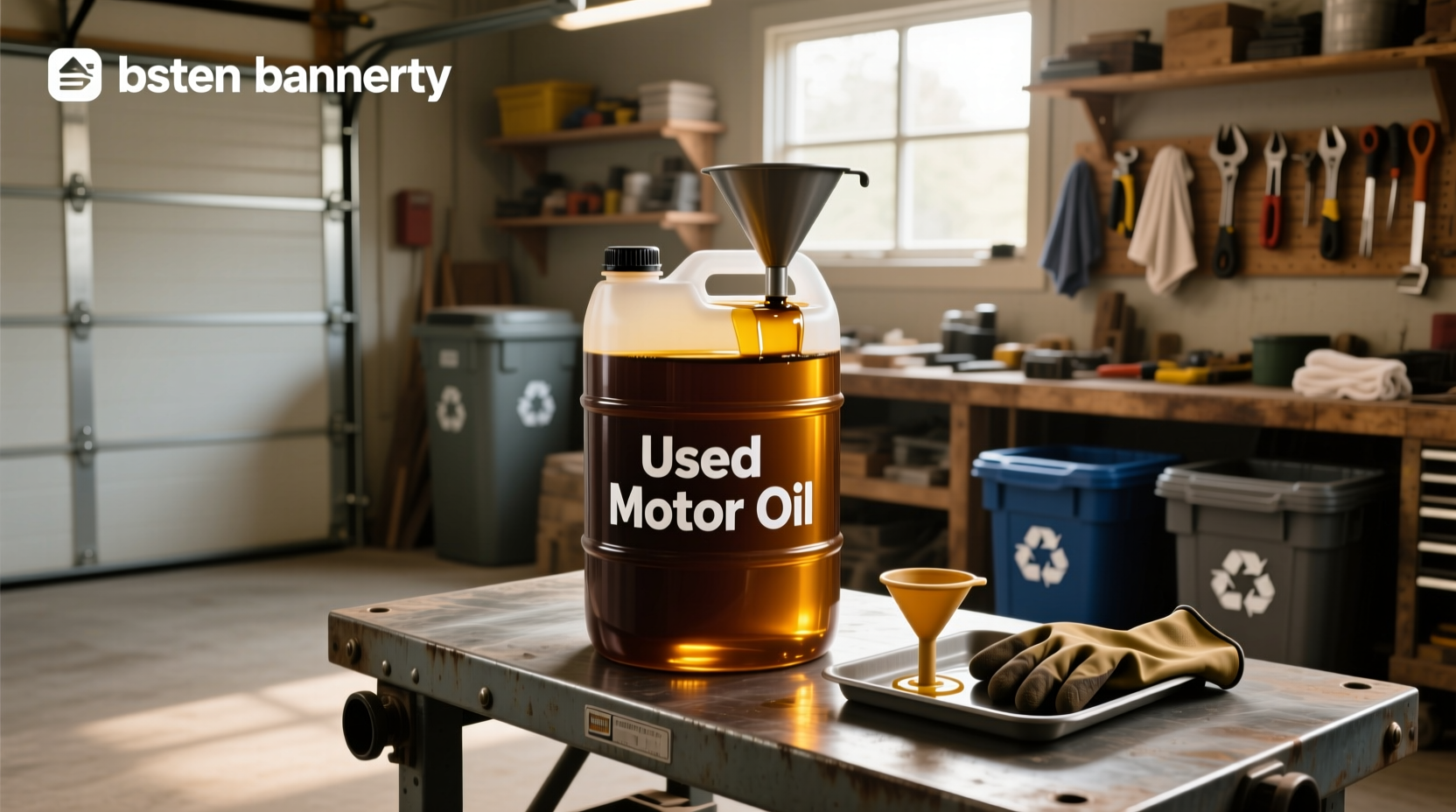
Yes, you can store used oil in a 5-gallon bucket—but only if it meets federal and state environmental regulations. The U.S. EPA requires that waste oil containers be closed, labeled “Used Oil,” made of compatible material (like HDPE plastic or stainless steel), and placed within secondary containment to prevent leaks 1,2. Choosing the wrong container risks fines, environmental harm, and safety hazards. For DIYers and small workshops, an HDPE bucket with a secure lid and spill pallet works well. Industrial users should consider durable metal drums with integrated containment. Always verify local rules—some states classify used oil as hazardous waste 6.
About waste oil container,Can you put used oil in a 5 gallon bucket?
Waste oil containers are specialized vessels designed to safely collect, store, and transport used motor oil, hydraulic fluid, transmission fluid, and other petroleum-based lubricants. A common question among homeowners, mechanics, and fleet operators is whether a standard 5-gallon bucket can legally and safely serve this purpose. While many people repurpose food-grade or industrial buckets for oil storage, not all are compliant with environmental standards.
The short answer is yes—if the bucket is made from oil-resistant material (typically HDPE plastic or metal), remains closed when not in use, is clearly labeled, and sits inside a secondary containment system. Typical use cases include:
- 🚗 Home garages for seasonal vehicle maintenance
- 🔧 Small auto repair shops with low-volume oil changes
- 🏭 Industrial facilities managing routine equipment lubrication
- 🚜 Farm operations maintaining tractors and machinery
Mistaking a general-purpose bucket for a compliant waste oil container can lead to contamination, regulatory violations, and cleanup costs.
Why waste oil container,Can you put used oil in a 5 gallon bucket? is gaining popularity
The trend toward using 5-gallon buckets for used oil stems from practicality and cost-efficiency. Many individuals already have access to sturdy plastic buckets from food service, paint, or chemical suppliers. Repurposing these containers reduces initial expenses compared to buying dedicated oil drums.
Additionally, compact storage needs make 5-gallon solutions ideal for residential users and mobile technicians. As awareness grows about proper disposal methods and recycling incentives, more people seek affordable yet compliant ways to manage used oil. However, convenience must not override compliance—especially as enforcement of EPA’s used oil management standards becomes stricter 8.
Types and variants
Different types of waste oil containers offer varying levels of durability, compatibility, and regulatory adherence. Here's a breakdown of common options suitable for 5-gallon capacity:
✅ HDPE Plastic Buckets
Made from high-density polyethylene (recycling code #2), these are widely available and chemically resistant to most oils.
- Pros: Lightweight, affordable, UV-stabilized versions resist degradation
- Cons: Can become brittle over time; thin walls may crack under impact
✅ Stainless Steel Containers
Rigid metal cans specifically designed for oil collection, often with spigots or pour spouts.
- Pros: Highly durable, fire-resistant, no risk of plastic leaching
- Cons: Heavier, more expensive, limited availability in exact 5-gal size
⚠️ Reconditioned Chemical Jugs
Repurposed containers once used for solvents or cleaners.
- Pros: Thick-walled, often come with tight lids
- Cons: Risk of residual contamination; may degrade if previously exposed to aggressive chemicals
❌ Regular Steel Drums (Uncoated)
Carbon steel containers prone to rust.
- Pros: Low cost, strong structure
- Cons: Prone to corrosion, especially in humid environments; not recommended for long-term storage
For most users, new HDPE buckets or purpose-built stainless steel units are the safest choices.
Key features and specifications to evaluate
When selecting a waste oil container—especially a repurposed 5-gallon bucket—evaluate these critical factors:
- 🔸 Material Compatibility: Ensure the container is made of HDPE (#2 plastic) or non-corrosive metal. Avoid PVC or polystyrene, which can degrade.
- 🔸 Lid Seal Quality: Must form a tight seal to keep vapors in and moisture out. Look for gasketed lids.
- 🔸 Labeling Surface: Smooth area for permanent “Used Oil” labeling with weather-resistant marker or adhesive tag.
- 🔸 Secondary Containment Capacity: The outer tray or pallet should hold at least 110% of the inner container’s volume.
- 🔸 UV Resistance: If stored outdoors, choose UV-stabilized plastic to prevent embrittlement.
- 🔸 Ease of Handling: Integrated handles or stackability improve usability in tight spaces.
These specs directly affect compliance, longevity, and safety during transport.
Pros and cons
Best suited for:
- Home mechanics performing occasional oil changes
- Small businesses generating less than 55 gallons per month
- Situations where space is limited and mobility matters
Not recommended for:
- Long-term outdoor storage without shelter
- Facilities producing large volumes requiring weekly pickups
- Areas with strict state-level hazardous waste classification
How to choose waste oil container,Can you put used oil in a 5 gallon bucket?
Follow this step-by-step guide to ensure your selection meets safety and legal requirements:
- Verify Material Type: Check for HDPE (#2 recycling symbol) or stainless steel construction.
- Inspect for Damage: No cracks, warping, or signs of prior chemical exposure.
- Test Lid Closure: Lid must fully seal and remain closed during storage.
- Add Secondary Containment: Place bucket inside a spill pallet or larger tray rated for oil.
- Label Clearly: Use bold, permanent text: “USED OIL – DO NOT MIX WITH OTHER FLUIDS”.
- Store Securely: Keep away from heat sources, children, and incompatible materials like antifreeze.
- Check Local Regulations: Some states require permits even for small quantities 3.
Red flags to avoid:
- Using unlabeled or open-top containers
- Storing near drains or stormwater systems
- Allowing pooling around the base (indicates poor containment)
- Reusing containers that held chlorinated solvents
Price & market insights
Pricing varies significantly based on material, brand, and included accessories:
- 🛒 New HDPE 5-gallon bucket with lid: $10–$25
- 🔧 Spill containment pallet (for single bucket): $40–$100
- 🏭 Stainless steel oil drum (5-gal): $80–$150
- 🏭 Bundled kits (bucket + pallet + labels): $60–$120
While basic plastic buckets are economical, investing in a complete system improves compliance and reduces long-term liability. Bulk purchases (e.g., 10+ units) often reduce per-unit cost by 15–30%. Prices may vary by region due to shipping and local supply chains.
| Feature | HDPE Bucket | Stainless Steel Can | Reconditioned Jug |
|---|---|---|---|
| Oil Resistance | High | Very High | Variable |
| Durability | Moderate | High | Low-Moderate |
| Secondary Containment Needed? | Yes | Yes | Yes |
| Labeling Required? | Yes | Yes | Yes |
| Average Cost | $10–$25 | $80–$150 | $5–$15 |
| Best For | DIY/Home Use | Commercial Shops | Short-Term Use |
Customer feedback synthesis
Based on user reviews and forum discussions, here are recurring themes:
Positive feedback:
- Appreciation for lightweight HDPE buckets that are easy to move
- Praise for stainless steel models with spigots for mess-free pouring
- Value placed on pre-labeled or color-coded containers
Common complaints:
- Plastic buckets cracking after winter exposure
- Lids not sealing properly on reused containers
- Difficulty finding secondary trays that fit standard buckets
Users emphasize reliability and leak prevention as top concerns.
Sourcing & supplier tips
You can source waste oil containers from multiple channels:
- 🌐 Online retailers (e.g., Grainger, ULINE, Amazon)
- 🏪 Industrial supply stores
- 🏭 Local waste management companies offering take-back programs
For bulk buyers (workshops, fleets), consider direct orders from manufacturers to reduce costs. When sourcing secondhand containers, inspect thoroughly for odors, residue, or structural flaws. Always confirm return policies and warranty terms before purchase. For international shipments, verify customs regulations regarding empty chemical containers.
Maintenance, safety & legal considerations
To maintain compliance and safety:
- 🧼 Clean exterior surfaces monthly to detect early leaks
- 🔍 Inspect for bulging, discoloration, or odor changes every 30 days
- ⚡ Store away from ignition sources; used oil is combustible
- 🌍 Never mix with solvents, antifreeze, or brake fluid
- 📝 Keep records of oil volume and disposal dates for at least three years 6
Regulations may differ by state—contact your local environmental agency to confirm specific requirements. If a leak occurs, stop the release, contain the spill, and report as needed under federal law 1.
Conclusion
If you're looking for an affordable, compliant way to store used oil at home or in a small shop, a new HDPE 5-gallon bucket with a sealed lid and secondary containment is a practical choice. For higher-volume or commercial settings, invest in stainless steel containers with built-in safety features. Regardless of type, always label clearly, inspect regularly, and follow local disposal guidelines. By prioritizing material compatibility, containment, and regulatory alignment, you protect both the environment and your legal standing.
FAQs
No. Only use buckets made from HDPE (#2 plastic) or metal that are intact, closable, and placed in secondary containment. Never use containers that held toxic substances.
Yes. Federal regulations require secondary containment (like a spill pallet) capable of holding 110% of the container’s volume to prevent environmental releases 2.
Under federal law, it's regulated as used oil, not automatically hazardous. However, some states treat it as hazardous if contaminated. Check with your state environmental agency 6.
Inspect monthly for leaks, damage, or labeling wear. Replace immediately if compromised. Facilities subject to EPA rules must document inspections 8.




 浙公网安备
33010002000092号
 浙B2-20120091-4