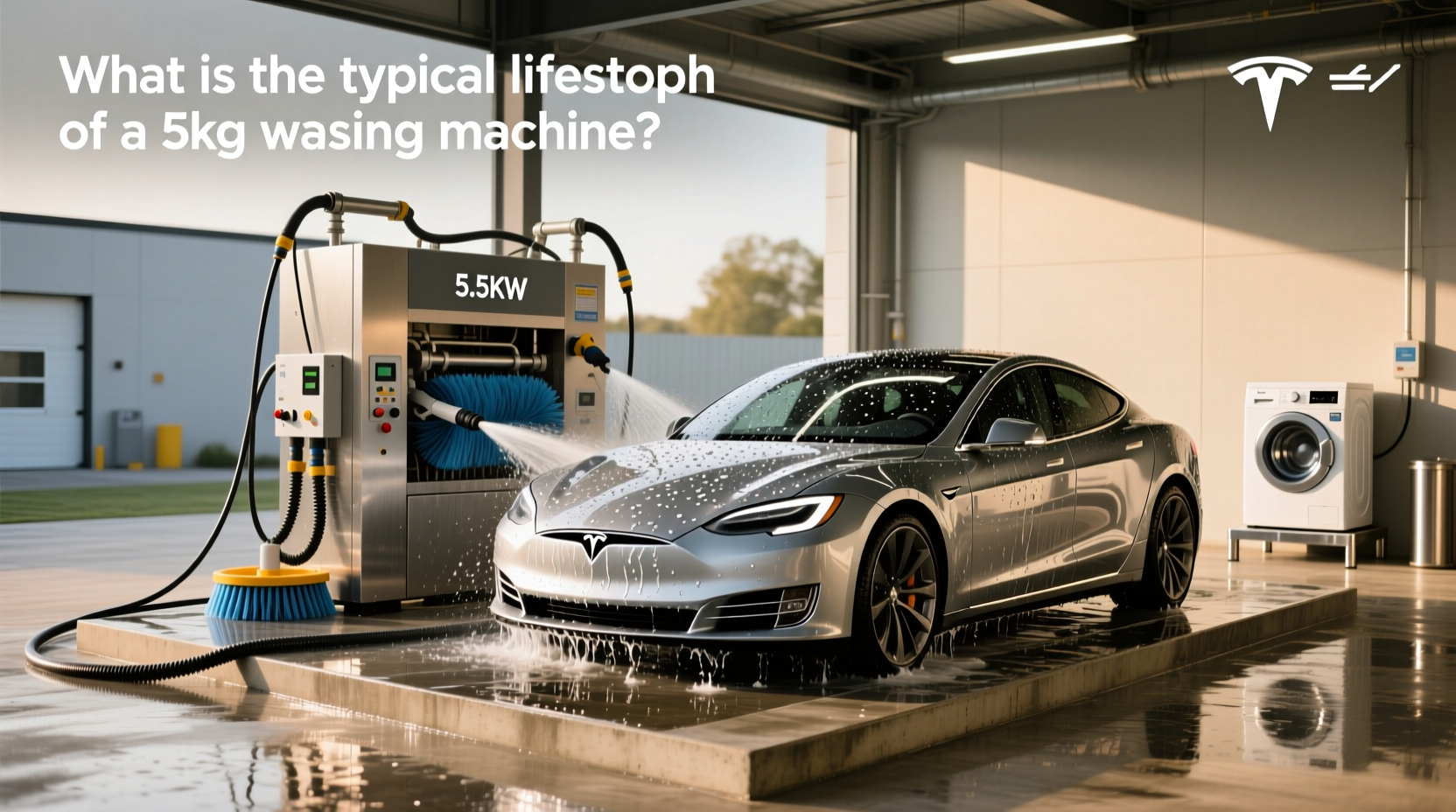
About 5.5kW Electric Car Washing Machines and Typical Lifespan
A 5.5kW electric car washing machine is not a conventional laundry appliance but rather a high-powered, industrial-grade pressure washer designed for vehicle cleaning. The “5.5kW” refers to the motor’s power output—approximately 7.9 horsepower—which drives a high-pressure pump capable of delivering strong water jets for efficient dirt removal 1. These systems are commonly used in commercial car wash bays, fleet maintenance centers, garages, and large-scale vehicle service operations 2.
In contrast, the query about the lifespan of a 5kg washing machine likely refers to a standard household laundry washer. Research indicates that the average lifespan of such appliances is around 12 years, though half are discarded before reaching 10 years due to mechanical or electronic failures 3. While these two devices serve different purposes—one for clothes, one for vehicles—the principles of durability, maintenance, and usage intensity apply to both. Understanding how component quality and operational habits influence longevity helps inform better purchasing decisions across categories.
Why 5.5kW Electric Car Washing Machines Are Gaining Popularity
The demand for powerful, energy-efficient car washing systems has grown alongside urbanization, increased vehicle ownership, and stricter environmental regulations on water usage. A 5.5kW electric model offers several advantages over smaller or diesel-powered alternatives:
- 🌍Lower emissions compared to fuel-driven units
- ⚡Consistent performance when connected to stable three-phase power
- 💻Integration with automated or contactless car wash systems
- 📈Suitable for high-volume operations needing rapid turnaround
Additionally, businesses aiming to reduce long-term operating costs find value in premium motors offering higher efficiency and extended warranties—some up to three years 4. As sustainability becomes a priority, electric models align better with green facility standards than combustion-based equipment.
Types and Variants
Not all 5.5kW car washing machines are created equal. They vary by design, automation level, and integration capability:
1. Stationary High-Pressure Units ⚙️
These are fixed installations powered by a 5.5kW motor driving a plunger pump. Often part of tunnel or gantry-style car washes.
- Pros: High throughput, consistent pressure, suitable for continuous operation
- Cons: High initial cost, requires dedicated space and plumbing
2. Mobile Pressure Washer Carts 🚚
Mounted on wheels for flexibility within workshops. Powered by either single-phase or three-phase 5.5kW motors.
- Pros: Portable, lower installation cost, ideal for multi-purpose use
- Cons: May require extension cables; risk of tripping breakers if circuit is undersized
3. Contactless Automatic Systems ✨
Integrated systems using sensors and programmable logic controllers (PLCs) to automate spray patterns and cycles.
- Pros: Minimal labor input, uniform cleaning, reduced water waste
- Cons: Complex setup, sensitive to water quality and voltage fluctuations
4. DIY or Semi-Automatic Kits 🔧
Basic setups where users assemble pumps, hoses, and nozzles around a 5.5kW motor.
- Pros: Cost-effective for custom builds, modular upgrades possible
- Cons: Requires technical knowledge, lacks safety certifications unless professionally installed
Key Features and Specifications to Evaluate
To make an informed decision when selecting a 5.5kW electric car washing machine, consider the following critical parameters:
- Motor Type: Three-phase asynchronous motors offer smoother operation and longer life under load versus single-phase equivalents 4.
- Voltage Requirement: Common voltages include 220V (single-phase) or 380V (three-phase). Verify your site's electrical infrastructure supports this.
- Pressure Output: Look for at least 200 bar (~2900 psi) for effective cleaning of mud, grease, and road grime.
- Water Flow Rate: Typically between 12–18 L/min. Higher flow improves rinsing speed but increases water consumption.
- Cooling System: Fan-cooled motors prevent overheating during prolonged use, enhancing reliability.
- Pump Material: Ceramic or stainless steel plungers resist corrosion and wear better than brass.
- IP Rating: For outdoor or wet environments, ensure IP55 or higher for moisture protection.
- Noise Level: Industrial units can exceed 80 dB; check noise regulations if operating near residential zones.
Pros and Cons
| Aspect | Advantages | Limitations |
|---|---|---|
| Performance | Strong cleaning power suitable for trucks, buses, construction vehicles | Overkill for small fleets or occasional use |
| Efficiency | Electric drive reduces fuel and emissions vs diesel models | Requires stable, high-capacity electrical supply |
| Lifespan | Durable components can last 8–12+ years with care | Heavy usage shortens life; bearings and seals need periodic replacement |
| Maintenance | Fewer moving parts than combustion engines | Water quality affects pump longevity; hard water causes scaling |
| Cost | Lower running cost per hour than fuel-powered units | Higher upfront investment and potential need for electrical upgrades |
How to Choose a 5.5kW Electric Car Washing Machine
Selecting the right unit involves assessing your specific needs, infrastructure, and long-term goals. Follow this step-by-step guide:
Step 1: Assess Your Use Case 👥
Determine whether you need the machine for light-duty workshop cleaning or full-scale commercial operations. High-frequency use demands robust cooling and three-phase power.
Step 2: Confirm Electrical Compatibility ⚡
Three-phase 380V systems deliver optimal performance. If only single-phase 220V is available, confirm the motor is rated for it—and ensure your circuit breaker can handle the startup surge.
Step 3: Prioritize Build Quality 🔍
Inspect materials: cast iron pump housings, ceramic plungers, and sealed bearings increase durability. Avoid plastic components in critical areas.
Step 4: Check Warranty and Support 📎
A 2–3 year warranty suggests manufacturer confidence. Prefer suppliers offering technical support and spare parts availability.
Step 5: Evaluate Water Source & Filtration 🌐
Poor water quality leads to premature pump failure. Install inline filters, especially if using well or recycled water.
• Units without clear pressure/flow specifications
• Single-phase motors marketed for continuous commercial use
• Lack of CE, ISO, or other recognized safety certifications
• No documentation on IP rating or insulation class
Price & Market Insights
Pricing varies significantly based on brand, origin, and features:
- Budget Tier ($800–$1,500): Often Chinese-made units with basic functionality; limited warranty (1 year)
- Mid-Range ($1,500–$3,000): Better materials, fan cooling, 2-year warranty; common among regional suppliers
- Premium ($3,000+): European or Japanese brands with advanced engineering, PLC integration, 3-year coverage
While higher price often correlates with longer expected lifespan 3, verify claims through independent reviews and service records. Note that prices may vary by region due to import duties, shipping, and local taxes.
Top-Seller & Competitive Analysis
| Model Type | Power | Pressure | Flow Rate | Warranty | Best For |
|---|---|---|---|---|---|
| Industrial Stationary Unit | 5.5kW 3-phase | 200 bar | 15 L/min | 3 years | Commercial car washes |
| Mobile Cart System | 5.5kW 1-phase | 180 bar | 14 L/min | 1 year | Workshops with limited space |
| Contactless Auto Wash | 5.5kW + control system | 210 bar | 16 L/min | 2 years | Fleet depots, express washes |
When comparing top-selling models, prioritize total cost of ownership—not just purchase price. Consider energy efficiency, ease of repair, and downtime impact.
Customer Feedback Synthesis
Analysis of buyer reviews reveals recurring themes:
- Common Praises:
• Reliable performance under daily use
• Strong pressure effectively removes caked-on dirt
• Lower noise than diesel counterparts - Frequent Complaints:
• Motor burnout when run dry or without proper ventilation
• Inadequate customer support from some overseas suppliers
• Missing mounting hardware or unclear assembly instructions
Users emphasize the importance of following startup procedures and installing protective cutoff switches to prevent damage.
Sourcing & Supplier Tips
Whether buying individually or in bulk:
- Source from suppliers who provide full technical datasheets and compliance certificates.
- For bulk purchases, request sample testing before committing.
- If importing, confirm voltage compatibility and check local customs regulations for electrical equipment.
- During inspection, test motor rotation direction, listen for abnormal vibrations, and verify hose connections are secure.
Platforms like Alibaba or ThomasNet list numerous options, but always validate supplier credentials and transaction history.
Maintenance, Safety & Legal Considerations
To maximize the lifespan of your 5.5kW electric car washing machine:
- Maintenance: Flush the system after each use, replace inlet filters monthly, lubricate moving parts as specified.
- Safety: Use GFCI-protected circuits, wear protective gear during operation, and never point nozzles at people or animals.
- Compliance: Ensure wastewater discharge complies with local environmental laws—some regions require oil-water separators.
Regular preventive maintenance can extend service life beyond 10 years, similar to findings in household appliance studies 3.
Conclusion
If you operate a commercial vehicle cleaning service or manage a large fleet, a 5.5kW electric car washing machine with a three-phase motor and robust build offers reliable, efficient performance. Its typical lifespan ranges from 8 to 12+ years depending on usage intensity and maintenance rigor—comparable to household washing machines, though duty cycles differ greatly. For lighter needs, consider downsizing to avoid unnecessary costs. Always match the unit’s specifications to your electrical capacity and cleaning demands to ensure long-term satisfaction.
Frequently Asked Questions
- Q: What is the typical lifespan of a 5.5kW electric car washing machine?
A: With proper maintenance, these industrial units typically last 8–12 years or more, though heavy daily use may shorten this range. - Q: Can I run a 5.5kW car washer on single-phase power?
A: Yes, some models support 220V single-phase, but they may experience reduced efficiency and higher thermal stress. Three-phase is recommended for continuous operation. - Q: How does water quality affect the machine’s longevity?
A: Hard or unfiltered water causes mineral buildup and accelerates pump wear. Always use a sediment filter and consider water softening in high-mineral areas. - Q: Are 5.5kW electric washers suitable for small garages?
A: They can be, provided electrical infrastructure supports the load. However, assess actual cleaning volume—smaller units may offer better cost-efficiency. - Q: What maintenance tasks should be performed regularly?
A: Key tasks include checking hoses/nozzles, cleaning filters, inspecting seals, ensuring proper ventilation, and verifying motor insulation resistance annually.




 浙公网安备
33010002000092号
 浙B2-20120091-4