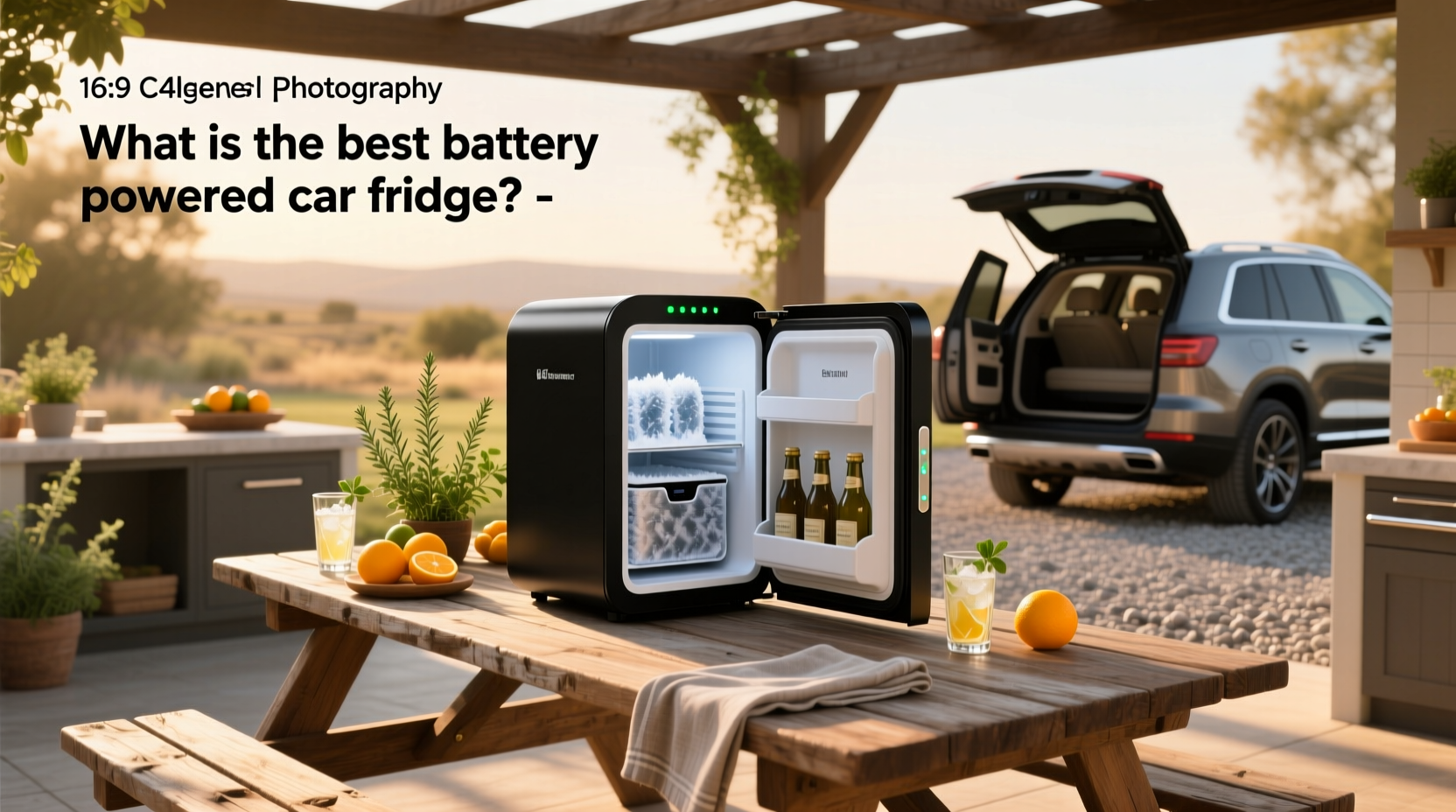
Short Introduction
If you're asking how to choose a battery powered mini refrigerator or wondering what is the best battery powered car fridge?, start here: prioritize models with dual-zone cooling, deep-cycle battery protection, and at least 30-quart capacity for road trips. Look for units that support both 12V DC and AC power, have low amp draw (under 2.5A), and include overheat/overcharge safeguards. Avoid cheap thermoelectric coolers if you need freezing capability—opt for compressor-based systems instead. This buying guide breaks down exactly what to look for in a battery powered mini refrigerator based on real-world use cases, energy efficiency, and long-term reliability.
About Battery Powered Mini Refrigerator, What Is the Best Battery Powered Car Fridge?
A battery powered mini refrigerator is a portable cooling unit designed to operate independently of grid electricity, typically using a vehicle’s 12V system or an integrated lithium battery. These fridges are commonly used in cars, RVs, trucks, boats, and outdoor worksites where access to AC power is limited. The core question—what is the best battery powered car fridge?—depends heavily on your cooling needs, duration of use, and power availability.
Unlike traditional coolers that rely on ice, battery powered models maintain consistent internal temperatures, often ranging from -4°F (-20°C) to 50°F (10°C). They’re ideal for preserving medications, baby food, perishable meals, or drinks during extended travel. Some advanced units even offer Wi-Fi connectivity and app control for remote monitoring.
Why Battery Powered Mini Refrigerator, What Is the Best Battery Powered Car Fridge? Is Gaining Popularity
The demand for reliable mobile refrigeration has surged due to increased outdoor recreation, van life trends, and remote work. People no longer want to compromise on food safety or comfort while off-grid. A battery powered mini refrigerator,What is the best battery powered car fridge? buying guide is now essential because not all models perform equally under real conditions.
Modern users expect energy efficiency, quiet operation, and smart features like low-voltage cutoff to prevent draining their car battery. Additionally, medical professionals transporting temperature-sensitive supplies and delivery drivers keeping meals fresh are adopting these devices. As lithium-ion battery tech improves, runtime and portability have become more practical than ever.
Types and Variants
⚡ Thermoelectric Coolers
These use the Peltier effect to transfer heat and are usually cheaper. They can cool about 30–40°F below ambient temperature but cannot freeze items.
- Pros: Low cost, lightweight, minimal noise
- Cons: Inefficient in hot climates, high power draw relative to cooling, no freezing capability
⚙️ Compressor-Based Fridges
Similar to household refrigerators, these use a vapor-compression cycle. Most premium battery powered mini refrigerator models fall into this category.
- Pros: Can freeze items, efficient cooling, works in high ambient temps
- Cons: Higher upfront cost, heavier, may produce slight vibration
✨ Dual Zone Car Fridge
As highlighted in recent analysis, a dual zone car fridge allows independent temperature control in two compartments—one for freezing, one for chilling. Ideal for families or professionals needing both ice packs and cold beverages.
- Pros: Versatile storage, energy-efficient zoning, reduces cross-contamination
- Cons: Larger footprint, higher power consumption if both zones active
Key Features and Specifications to Evaluate
When assessing what to look for in a battery powered mini refrigerator, consider these critical specs:
- 🔋 Cooling Technology: Compressor > Thermoelectric for performance
- 📏 Capacity: 20–30 quarts for solo travelers; 40+ quarts for families
- 🔌 Power Sources: Must support 12V/24V DC and optional AC adapter
- 🔋 Battery Runtime: Check manufacturer claims against real-world tests; lithium models last 5–20 hours depending on settings
- 🛡️ Battery Protection: Auto shut-off at 11V (for lead-acid) or 10.5V (lithium) prevents vehicle battery drain
- 🌡️ Temperature Range: Look for -4°F to 50°F (-20°C to 10°C)
- 🔇 Noise Level: Under 45 dB is ideal for cabins or nighttime use
- ⚖️ Weight & Portability: Integrated handles, wheels, or mounting brackets improve usability
Pros and Cons
- Preserves food and medicine safely without ice
- Operates while driving or parked (with proper battery setup)
- Energy-efficient models integrate well with solar setups
- Dual-zone variants offer maximum flexibility
- High-quality units are expensive ($300–$800)
- Larger models take up cargo space
- Poorly designed units may drain car batteries overnight
- Thermoelectric types underperform in summer heat
How to Choose Battery Powered Mini Refrigerator, What Is the Best Battery Powered Car Fridge?
Follow this step-by-step checklist when evaluating a battery powered mini refrigerator,What is the best battery powered car fridge?:
- Define Your Use Case: Are you camping, commuting, or transporting goods? Short trips may only need chill capability; long hauls require freezing.
- Choose Cooling Type: For true refrigeration and freezing, pick a compressor model. Avoid thermoelectric unless ambient temps stay below 85°F.
- Check Power Compatibility: Ensure it supports 12V DC (car cigarette lighter) and ideally has a built-in battery or external battery connection.
- Evaluate Battery Safeguards: Confirm low-voltage cutoff settings match your vehicle type (lead-acid vs. lithium).
- Assess Capacity Needs: Estimate daily consumption. A 40-quart fridge holds ~50 cans plus frozen items.
- Review Insulation Quality: Thicker walls mean better efficiency. Look for CFC-free foam insulation.
- Test Noise Levels: If using in a sleeping area, verify noise is under 45 dB.
- Confirm Warranty & Support: Reputable brands offer 3–5 year warranties.
Price & Market Insights
Prices vary significantly by technology and brand. Expect:
- $80–$150: Basic thermoelectric coolers—suitable only for light daytime use
- $200–$400: Entry-level compressor fridges—good for weekend trips
- $400–$700: Mid-to-high-end dual-zone models with lithium batteries and smart controls
- $700+: Premium ruggedized units with GPS tracking, solar readiness, and extended warranties
Value isn’t just about price—it’s runtime per dollar, durability, and feature integration. A $500 unit lasting 10 years outperforms five $100 units failing yearly. Prices may differ by region and retailer, so compare specifications directly rather than relying on marketing terms.
Top-Seller & Competitive Analysis
While specific models change frequently, top-selling battery powered mini refrigerator units share common traits: compressor cooling, dual-zone options, app connectivity, and robust battery management. Below is a comparison of typical high-performing categories:
| Feature | Budget Option | Mid-Range Pick | Dual-Zone Pro |
|---|---|---|---|
| Cooling Type | Thermoelectric | Compressor | Dual Compressor |
| Capacity | 20–25 qt | 30–40 qt | 40–50 qt |
| Power Input | 12V DC Only | 12V/24V + AC | 12V/24V + AC + Solar |
| Battery Runtime | N/A (no battery) | 8–12 hrs (external) | 15–24 hrs (built-in Li) |
| Temp Range | Ambient −30°F | −4°F to 50°F | −4°F to 50°F (each zone) |
| Noise Level | 35 dB | 42 dB | 45 dB |
| Weight | 10–12 lbs | 25–30 lbs | 40–50 lbs |
| Price Range | $80–$130 | $250–$400 | $600–$800 |
Note: Always check manufacturer specs before purchase—runtime and cooling performance can vary based on ambient temperature and usage patterns.
Customer Feedback Synthesis
Based on aggregated user reviews across retail platforms, common themes emerge:
- 👍 Frequent Praises: Reliable freezing performance, long battery life (especially with lithium models), ease of app control, sturdy build quality, effective insulation maintaining temps for hours after shutdown.
- 👎 Common Complaints: Units arriving damaged, misleading advertised runtimes, noisy operation in compact spaces, difficulty obtaining replacement parts, apps disconnecting unexpectedly, slow customer service response.
- ⚠️ Recurring Issues: Poor ventilation causing overheating, inadequate instruction manuals, lack of universal compatibility with aftermarket batteries.
Buyers emphasize verifying actual performance through third-party testing videos or forums before purchasing.
Sourcing & Supplier Tips
When sourcing a battery powered mini refrigerator, consider:
- 🛒 Retail Channels: Major online marketplaces (Amazon, REI, Walmart), specialty outdoor retailers, and direct-from-manufacturer sites offer varying return policies and bundling options.
- 🏭 Direct Sourcing: For bulk purchases (e.g., fleet vehicles or rental fleets), contact OEM suppliers. Minimum order quantities may apply.
- 👥 Reseller Programs: Some brands offer affiliate or reseller partnerships with technical training and co-branded marketing materials.
- 🧼 Pre-Delivery Inspection: Upon receipt, check for physical damage, test cooling function, verify all accessories included, and confirm firmware is up to date.
- 🔗 Verification Steps: Confirm electrical certifications (UL, ETL, CE), validate warranty registration process, and save proof of purchase.
Maintenance, Safety & Legal Considerations
To ensure longevity and safe operation:
- 🧼 Clean Regularly: Wipe interior with mild soap and water monthly. Avoid harsh chemicals.
- 🔋 Battery Handling: If using external batteries, store them in dry, temperate environments. Never short-circuit terminals.
- 🌐 Ventilation: Maintain at least 4 inches of clearance around vents to prevent overheating.
- 🌍 Compliance: Verify device meets local electrical safety standards. In North America, look for UL or ETL listing; in EU, CE mark with EN 60335 compliance.
- 📌 Installation: Secure the unit during transit to avoid tipping. Use straps or mounting kits in moving vehicles.
Note: Regulations regarding in-vehicle electrical modifications vary by jurisdiction. Consult your vehicle manual or local transportation authority if modifying wiring.
Conclusion
So, what is the best battery powered car fridge? There’s no one-size-fits-all answer. If you need basic cooling for short drives, a thermoelectric model under $100 may suffice. For serious off-grid living or professional use, invest in a compressor-driven unit with dual-zone capability and built-in lithium battery. Always verify low-voltage protection settings, realistic runtime estimates, and proper certifications. By focusing on your specific cooling demands, power access, and environmental conditions, you can make an informed decision using this battery powered mini refrigerator,What is the best battery powered car fridge? buying guide.
FAQs
Can I run a battery powered mini refrigerator overnight without draining my car battery?
Yes, but only if it has low-voltage cutoff protection and is connected to a secondary battery or dual-battery system. Running directly off a starter battery risks leaving you stranded.
Do battery powered car fridges work when the car is turned off?
They can, provided they’re wired to a deep-cycle auxiliary battery or have sufficient internal battery charge. Never rely solely on the vehicle’s main battery without safeguards.
Are dual zone car fridges worth the extra cost?
If you need to store frozen and chilled items separately—like vaccines and beverages—then yes. For general cooling, a single-zone model may be sufficient and more energy-efficient.
How do I maximize the battery life of my portable car fridge?
Keep it full (use water bottles as fillers), pre-chill contents, park in shade, minimize door openings, and ensure good airflow around the unit.
Can I use a solar panel to power my battery powered mini refrigerator?
Yes, many models support solar input via PWM or MPPT controllers. Match panel wattage (typically 100W+) to daily energy consumption, and include a charge controller for safety.




 浙公网安备
33010002000092号
 浙B2-20120091-4