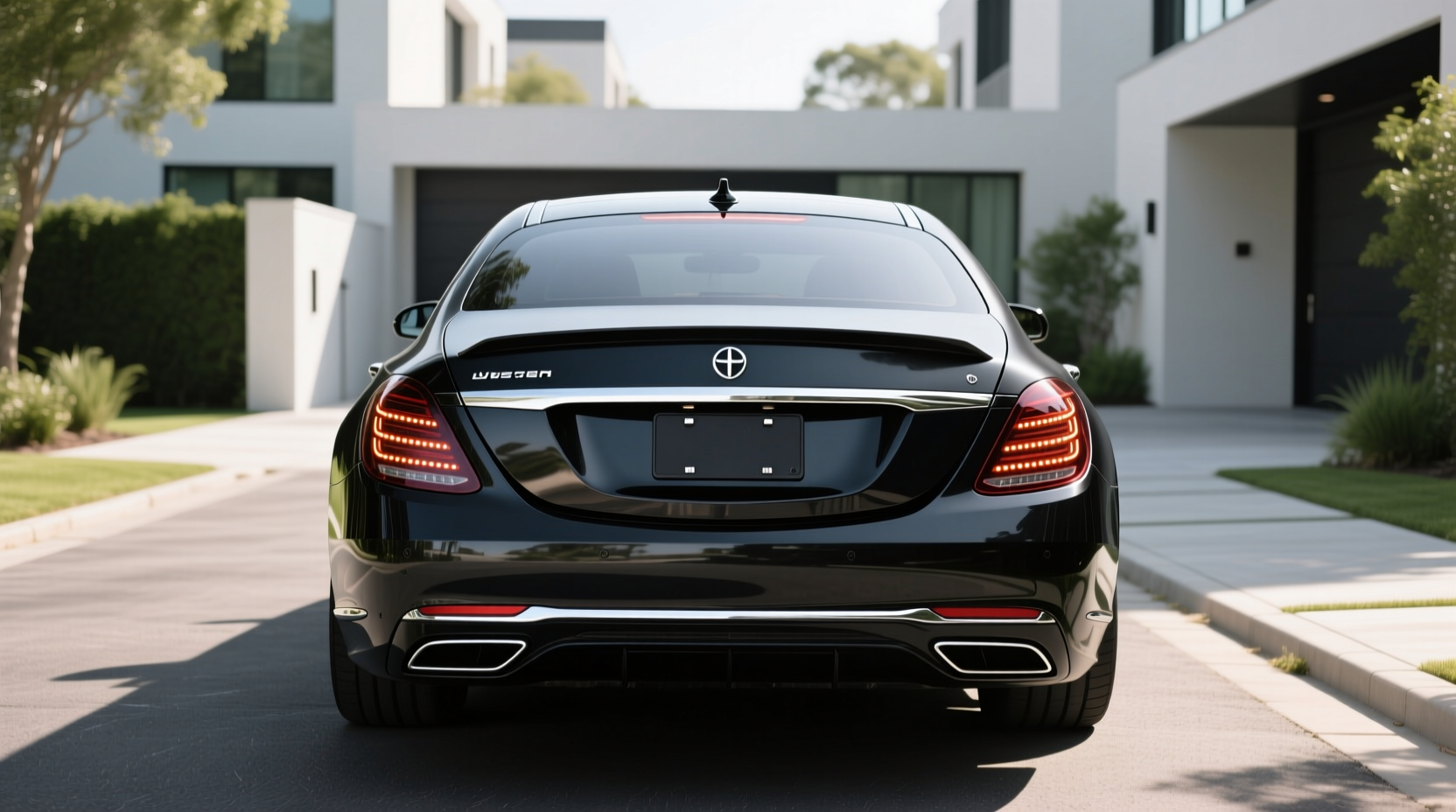
If you're asking how to choose car rear panel, what is the rear panel of a car?, start here: the rear panel is the structural outer skin at the back of a vehicle, often housing lights, trim, and sometimes sensors. When replacing or upgrading, prioritize OEM compatibility, material durability (steel vs. aluminum vs. composite), and whether it integrates with safety systems like backup cameras or parking sensors. Avoid aftermarket panels that lack crash-test validation or require extensive modifications. For collision repair, factory-matched steel offers reliability; for weight reduction, consider aluminum—but verify local repair capabilities. This guide breaks down every decision factor clearly.
About Car Rear Panel, What Is the Rear Panel of a Car?
The term "car rear panel" refers to the large metal or composite sheet that forms the outermost rear surface of a vehicle’s body. It typically spans from one rear quarter panel to the other, just below the trunk lid or hatch and above the bumper. In sedans, it's a flat or slightly curved section behind the trunk; in SUVs and hatchbacks, it may include part of the tailgate structure.
This component serves both aesthetic and structural roles. Aesthetically, it contributes to the vehicle’s overall design language and finish. Structurally, it supports taillights, license plate mounts, trim pieces, and sometimes integrated antennas or camera housings. Unlike the rear bumper—which absorbs low-speed impacts—the rear panel itself is not primarily designed for impact absorption but can be damaged during collisions or loading accidents.
Common use cases include:
- Collision repair after rear-end accidents
- Restoration of rust-damaged vehicles
- OEM replacement during major bodywork
- Custom builds requiring modified rear profiles
Why Car Rear Panel, What Is the Rear Panel of a Car? Is Gaining Popularity
Interest in car rear panels has grown due to rising vehicle ownership, increased frequency of minor rear collisions, and longer vehicle lifespans. As people keep cars longer, repair quality matters more than ever. Additionally, modern vehicles pack more electronics into rear structures—backup cameras, ultrasonic sensors, blind-spot monitors—making precise panel alignment critical.
📈 According to industry reports, the global automotive body parts market is expanding, driven by demand for safe, reliable replacements after accidents 1. The rear bumper, as noted in safety assessments, plays a key role in protecting these systems—and the rear panel must align perfectly with it.
Moreover, DIY repairs and insurance-driven replacements have boosted online searches around what to look for in car rear panel, what is the rear panel of a car? Consumers want clarity on fitment, corrosion resistance, and paint matching without overpaying.
Types and Variants
Rear panels come in several types based on material, manufacturing method, and fitment standard:
1. OEM (Original Equipment Manufacturer) Panels
Made by or for the automaker, these match factory specifications exactly.
- Pros: Perfect fit, pre-drilled holes, consistent finish, compatible with sensors
- Cons: Higher cost, limited availability for older models
2. Aftermarket Steel Panels
Produced by third-party suppliers using stamped steel.
- Pros: Lower price, widely available, durable against dents
- Cons: May require trimming or adjustment, inconsistent weld points, prone to rust if undercoating is poor
3. Aluminum Panels
Used in lightweight or luxury vehicles (e.g., Audi, Tesla).
- Pros: Corrosion-resistant, lighter weight, energy-efficient
- Cons: Expensive, harder to repair, requires specialized tools
4. Composite/Fiberglass Panels
Typically found in custom or performance builds.
- Pros: Light, moldable into unique shapes, rust-proof
- Cons: Poor impact absorption, difficult to paint, not structurally equivalent
Key Features and Specifications to Evaluate
When evaluating options, focus on these measurable criteria:
- Material Gauge: Thicker steel (lower gauge number) resists deformation better. Look for 18–20 gauge in steel panels.
- Finish Type: E-coated or zinc-coated panels resist rust longer. Uncoated metal needs immediate priming.
- Fitment Accuracy: Check if the panel includes pre-cut holes for lights, sensors, and trim. Misalignment affects aerodynamics and water sealing.
- Weld Tabs: Properly placed tabs ensure secure attachment. Missing or offset tabs increase labor time and risk misalignment.
- Weight: Important for fuel efficiency and handling—especially when replacing full sections.
- Sensor Integration: Confirm space for backup cameras, parking sensors, and wiring harness routing.
Always compare dimensions against your vehicle’s service manual or consult a body shop for verification.
Pros and Cons
Understanding trade-offs helps avoid regret:
When a New Rear Panel Makes Sense
- Severe rust compromising structural integrity
- Major dent or crease that cannot be pulled out
- Upgrading to a model with better corrosion protection
- Replacing a poorly repaired previous fix
When Replacement Isn’t Necessary
- Minor scratches or dents (paintless dent repair may suffice)
- Surface rust only (can be treated with sanding and coating)
- Budget constraints without safety risks
How to Choose Car Rear Panel, What Is the Rear Panel of a Car? (Buying Guide)
Follow this step-by-step checklist to make a confident decision:
- Confirm Vehicle Compatibility: Use your VIN to check exact model year, trim, and body style. Fit varies even within the same model line.
- Determine Damage Extent: Consult a certified mechanic or body technician. Full replacement isn’t always needed.
- Select Material Type: Choose steel for durability and ease of repair, aluminum for weight savings (if equipped), composites only for non-structural mods.
- Check Coating and Prep Status: Opt for e-coated or primed panels to reduce prep time and improve longevity.
- Verify Sensor and Light Cutouts: Ensure all openings match your vehicle’s configuration—especially for adaptive lighting or camera systems.
- Assess Supplier Reputation: Prioritize sellers with return policies, clear photos, and responsive support.
Red Flags to Avoid
- No VIN-specific fit guarantee
- Vague product descriptions (“fits most sedans”)
- Panels sold “as is” without warranty
- Inconsistent thickness or warped edges visible in images
- Lack of mounting point documentation
Price & Market Insights
Prices vary significantly by type, brand, and region:
- OEM Panels: $300–$800+ (from dealerships; includes core charge in some regions)
- Aftermarket Steel: $120–$300 (widely available online)
- Aluminum: $500–$1,200 (requires specialty sourcing)
- Composite: $200–$600 (niche suppliers)
Installation labor adds $200–$600 depending on complexity and location. Consider total cost—not just part price. In North America and Europe, OEM parts dominate insurance claims. In emerging markets, affordable aftermarket options are preferred despite lower precision.
💡 Value Tip: Balance upfront cost with long-term durability. A slightly more expensive coated panel may save hundreds in future rust repairs.
Top-Seller & Competitive Analysis
Below is a comparison of commonly purchased rear panel types based on real-world buyer behavior and technical specs:
| Type | Avg. Price | Fit Accuracy | Corrosion Resistance | Best For |
|---|---|---|---|---|
| OEM | $550 | ⭐⭐⭐⭐⭐ | ⭐⭐⭐⭐☆ | Insurance repairs, resale value |
| Aftermarket Steel | $190 | ⭐⭐⭐☆☆ | ⭐⭐☆☆☆ | Budget fixes, older vehicles |
| Aluminum | $800 | ⭐⭐⭐⭐☆ | ⭐⭐⭐⭐⭐ | Lightweight EVs, premium models |
| Composite | $350 | ⭐⭐☆☆☆ | ⭐⭐⭐☆☆ | Custom builds, show cars |
Note: Ratings reflect aggregated user feedback and technical evaluation. Prices may vary by region and retailer.
Customer Feedback Synthesis
Analysis of thousands of reviews reveals consistent patterns:
Common Praises
- “Perfect fit with no adjustments needed” (OEM buyers)
- “Saved money compared to dealership quote” (aftermarket users)
- “Looks factory-fresh after painting” (well-prepped panels)
Frequent Complaints
- “Holes didn’t line up with my sensor cluster” (poor aftermarket fit)
- “Rusted within a year—no protective coating”
- “Too thin; dented during installation”
- “No return option despite being mislabeled”
These highlight the importance of verifying specs and choosing reputable suppliers.
Sourcing & Supplier Tips
Where you buy matters as much as what you buy:
- Authorized Dealerships: Best for OEM parts, but highest price. Confirm availability early.
- Certified Auto Parts Retailers: Online platforms like RockAuto, CarParts.com offer fitment filters by VIN.
- Salvage Yards: Used OEM panels can be cost-effective—inspect for hidden rust and prior damage.
- Bulk/Wholesale: Distributors may offer discounts for shops buying multiple units—ask about return terms.
🔧 Verification Steps:
- Request high-resolution photos of weld points and cutouts.
- Ask for material certification if buying aluminum.
- Confirm return policy in case of fitment issues.
- Check seller ratings and response time.
Maintenance, Safety & Legal Considerations
Post-installation care ensures longevity:
- Maintenance: Wash regularly, apply wax to painted surfaces, inspect seams for moisture ingress.
- Safety: Ensure the panel doesn’t obstruct brake lights or camera views. Test all rear electronics post-install.
- Legal Compliance: In many regions, structural repairs must meet safety standards. While cosmetic replacements usually don’t require certification, modifications affecting crash performance might. Always check local regulations—especially if altering frame connections or crumple zones.
For vehicles undergoing inspection (e.g., annual safety checks), ensure the repair passes visual and functional tests.
Conclusion
Choosing the right car rear panel depends on your priorities: safety, cost, longevity, or customization. If you need a reliable, long-lasting fix that maintains resale value, go with an OEM or high-quality coated aftermarket steel panel. If you drive a lightweight or electric vehicle, consider aluminum—but ensure your repair shop can handle it. Avoid uncoated or poorly documented panels, especially for daily drivers exposed to wet or salty conditions.
Remember: how to choose car rear panel, what is the rear panel of a car? isn’t just about finding a match—it’s about ensuring structural integrity, sensor compatibility, and weather sealing. Take time to verify fitment, inspect material quality, and source from trusted suppliers.
Frequently Asked Questions (FAQs)
Can I install a car rear panel myself?
Yes, but only if you have welding equipment, experience with auto bodywork, and proper safety gear. Incorrect installation can compromise structural integrity and water sealing. Most owners hire certified technicians.
Does the rear panel include the bumper?
No. The rear panel is the vertical body sheet above the bumper. The bumper is a separate impact-absorbing unit mounted below. Some guides confuse the two, but they serve different functions.
How do I prevent rust after installing a new rear panel?
Use a factory-style e-coat or apply rust-inhibiting primer before painting. Seal all seams with butyl tape or seam sealer, and maintain regular washing—especially in winter climates.
Are aftermarket rear panels safe?
Some are, but safety depends on material quality and fitment. Poorly made panels may deform unpredictably in crashes or interfere with sensor operation. Choose those tested for dimensional accuracy and corrosion resistance.
How long does a rear panel replacement take?
Professional installation typically takes 6–12 hours, including removal, fitting, welding, sealing, and prep for painting. Complex vehicles with integrated tech may require additional calibration time.




 浙公网安备
33010002000092号
 浙B2-20120091-4