🛒 Short Introduction: How to Choose the Right Cloud GPS Tracker
If you're asking how to choose a cloud GPS tracker, what is GPS cloud?, start here: prioritize real-time tracking accuracy, reliable cellular connectivity (4G/5G), and a secure cloud platform with essential features like geofencing and historical reporting. For vehicles, OBD-II plug-in trackers offer quick setup, while hardwired models suit permanent fleet use. Battery-powered options work best for portable assets. Avoid low-cost devices with spotty coverage or unclear data policies. Your ideal choice depends on whether you need it for fleet management 🚚, personal vehicle security ✅, or asset tracking 📌 — each has different power, durability, and feature needs.
Understanding what is GPS cloud? is key: it refers to systems that collect location data via GPS hardware, transmit it over cellular networks to centralized servers, and allow remote access through web or mobile apps 12. This enables real-time monitoring, route history, and automated alerts — all critical when evaluating a cloud GPS tracker, what is GPS cloud? solution. Now, let’s break down exactly how these systems work and what factors matter most in your decision.
📍 About Cloud GPS Tracker, What Is GPS Cloud?
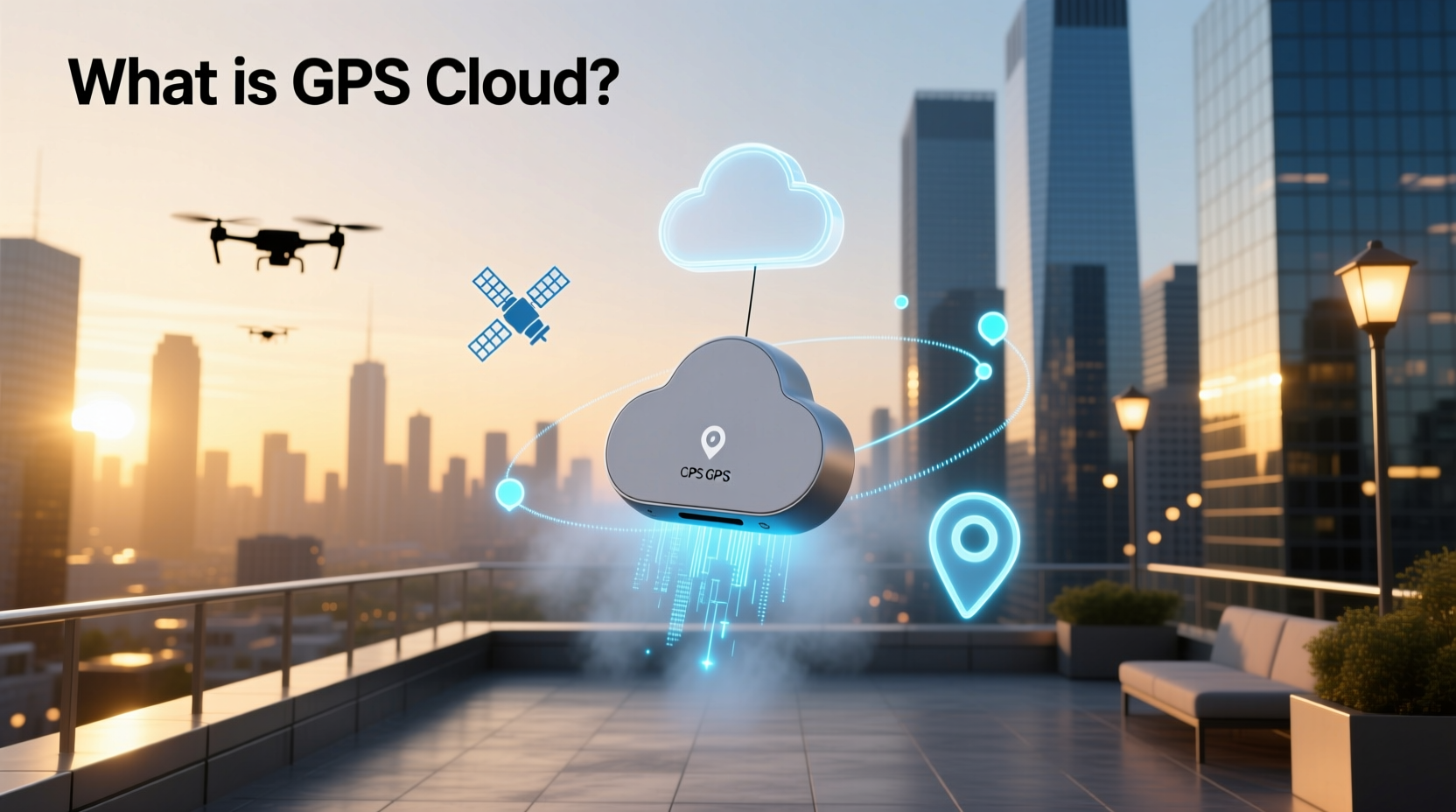
A cloud GPS tracker combines satellite positioning with internet-based data storage and access. The device uses GPS satellites to determine its location, then sends that data via a cellular network (like 4G) to a secure server in the “cloud.” Users can view this information anytime from any internet-connected device using a dashboard or app.
The term “GPS cloud” describes this entire ecosystem — not just the hardware, but also the backend infrastructure and user interface. It allows businesses and individuals to monitor movement, generate reports, set virtual boundaries (geofences), and receive instant alerts 3.
Common applications include:
- 🏭Fleet Management: Logistics companies track delivery vans in real time to optimize routes and reduce fuel use.
- 🧰Asset Tracking: Construction firms monitor expensive machinery across job sites to prevent theft.
- ✅Vehicle Security: Personal car owners get alerts if their vehicle moves outside a designated zone.
- 🚌School Bus Monitoring: Schools ensure buses follow safe routes and notify parents of arrival times.
- 🚗Car Rentals: Rental agencies verify usage, detect unauthorized trips, and streamline billing.
This integration of physical tracking and digital analytics makes GPS cloud systems powerful tools for improving efficiency, safety, and accountability.
📈 Why Cloud GPS Tracker, What Is GPS Cloud? Is Gaining Popularity
Adoption of cloud-based GPS tracking has grown rapidly due to several converging trends:
- ⚡Improved Cellular Coverage: Widespread 4G LTE and emerging 5G networks enable faster, more reliable data transmission from trackers to the cloud.
- 🌐Cloud Infrastructure Maturity: Scalable, secure hosting services make it easier and cheaper for providers to offer robust platforms without large upfront investments.
- 📊Demand for Data-Driven Decisions: Businesses want insights into operations — idle time, route inefficiencies, driver behavior — which GPS cloud platforms deliver through detailed reporting.
- ⏱️Need for Real-Time Visibility: Customers expect accurate ETAs, and managers need live updates during disruptions. Cloud GPS meets this need instantly.
- 🔧Predictive Maintenance Integration: Modern trackers read vehicle diagnostics (OBD-II data), allowing fleets to schedule maintenance before breakdowns occur.
Additionally, decreasing hardware costs and simplified installation have made these systems accessible even to small operators. As organizations seek ways to cut fuel costs (by 10–20%), reduce insurance premiums (by 10–15%), and improve customer service, GPS cloud solutions offer measurable ROI 4.
📋 Types and Variants
Not all cloud GPS trackers are the same. Choosing the right type depends on your use case, budget, and technical requirements.
🔌 OBD-II Plug-In Trackers
These plug directly into a vehicle’s onboard diagnostics port (standard on cars post-1996). They draw power from the car and often provide additional diagnostic data.
Pros:
- Easy self-installation — no wiring needed
- Access to engine performance metrics (RPM, fault codes)
- Always powered when the vehicle is running
Cons:
- Easily removed or unplugged
- Limited to vehicles with OBD-II ports
- May trigger warning lights on some models
🔋 Battery-Powered Portable Trackers
Compact, standalone units with internal rechargeable or replaceable batteries. Ideal for non-vehicular assets like trailers, containers, or equipment.
Pros:
- Highly portable — attach to anything
- No installation required
- Useful for intermittent tracking (e.g., stored machinery)
Cons:
- Battery life varies (days to months); requires periodic recharging
- Less frequent updates to conserve power
- Smaller antennas may reduce signal strength
📎 Hardwired Trackers
Permanently installed by connecting to a vehicle’s electrical system. Common in commercial fleets.
Pros:
- Discreet and tamper-resistant
- Continuous power supply ensures constant tracking
- Supports advanced sensors (door open/close, ignition status)
Cons:
- Requires professional installation
- Higher initial cost
- More complex to transfer between vehicles
⚙️ Key Features and Specifications to Evaluate
When comparing options for how to choose cloud GPS tracker, what is GPS cloud?, focus on these core criteria:
- 📍Tracking Accuracy: Look for devices using multiple satellite constellations (GPS, GLONASS, Galileo) for better precision. Be aware that low-power trackers may calculate position in the cloud, introducing slight delays 5.
- 📶Connectivity: Ensure support for current networks (4G/LTE preferred). Some high-end models include dual SIM slots or fallback to 2G/3G where available.
- 🔐Data Security: Check if data is encrypted in transit and at rest. Review the provider’s privacy policy regarding data retention and third-party sharing.
- 🔄Update Frequency: Real-time tracking typically refreshes every 10–60 seconds. Slower intervals save battery but reduce visibility.
- 🗺️Geofencing & Alerts: Ability to create virtual zones and receive notifications when entry/exit occurs is essential for security and compliance.
- 📱User Interface: A clean, intuitive dashboard or mobile app improves usability. Test demo versions if possible.
- 📤Reporting Capabilities: Can you export trip logs, speed reports, idle time summaries? Useful for audits and optimization.
- 🔌Power Source & Battery Life: Match battery longevity to your tracking frequency needs. Rechargeable models should last weeks; C-cell battery types can last years in sleep mode.
✅ Pros and Cons
Before investing, consider whether a cloud GPS tracker fits your situation.
✨ Advantages
- Real-time location visibility from anywhere
- Historical data for performance analysis
- Automated alerts enhance security
- Scalable — works for one vehicle or thousands
- Remote diagnostics help prevent costly repairs
❗ Limitations
- Requires cellular signal — won’t work well in remote areas
- Ongoing subscription fees for service and cloud access
- Potential privacy concerns with employee monitoring
- Battery-powered units need maintenance
- Accuracy can degrade indoors or under heavy cover
Suitable for: Fleet operators, rental companies, construction managers, logistics coordinators, and security-conscious vehicle owners.
Less suitable for: Individuals needing only occasional checks, users in areas with poor network coverage, or those unwilling to manage recurring service costs.
📝 How to Choose Cloud GPS Tracker, What Is GPS Cloud? (Buying Guide)
Follow this step-by-step checklist to make an informed decision:
- 🔍Define Your Use Case: Are you tracking people, vehicles, or stationary assets? This determines power needs, update frequency, and mounting style.
- 📋List Required Features: Prioritize must-haves like geofencing, speed alerts, or engine diagnostics. Avoid paying for unused capabilities.
- 📶Verify Network Compatibility: Confirm the tracker supports local carriers (e.g., Verizon, AT&T in the US). Ask about international roaming if needed.
- 🔋Assess Power Needs: For always-on tracking, choose hardwired or OBD-II. For infrequent use, battery-powered is sufficient.
- 🛡️Review Data Policies: Understand who owns the data, how long it’s stored, and whether it’s shared with third parties.
- 💸Check Total Cost of Ownership: Include hardware price, activation fee, and monthly subscription. Some plans charge per device, others offer tiered pricing.
- 🔄Test Scalability: Will the system grow with your business? Can you add users or integrate with other software (e.g., dispatch tools)?
- ⚠️Watch Out for Red Flags:
- Unclear or hidden subscription terms
- No public API or export options
- Poor customer reviews about uptime or support
- Devices lacking firmware updates
- Weak encryption or vague privacy statements
If you need simple personal tracking, a plug-and-play model with a basic app may suffice. For enterprise use, prioritize platforms with role-based access, audit trails, and integration options.
💰 Price & Market Insights
Pricing varies significantly based on type, features, and service model.
- Entry-Level Devices: $30–$80 (one-time) + $5–$15/month service. Suitable for personal vehicles or small-scale asset tracking.
- Mid-Tier Trackers: $80–$150 + $15–$25/month. Often include OBD-II data, better accuracy, and enhanced dashboards.
- Enterprise Solutions: $150+ per unit + $25+/month. Feature advanced reporting, API access, and multi-user controls.
Some providers offer annual billing discounts or bulk purchase rates. Always confirm whether contracts are required and review cancellation policies. Prices may vary by region and distributor.
📊 Top-Seller & Competitive Analysis
While specific brand recommendations aren't provided, here's a comparison of common platform types to guide evaluation:
| Platform Type | Best For | Key Strengths | Considerations |
|---|---|---|---|
| GPSWOX-based | Small businesses, resellers | Supports 900+ devices, affordable plans | Limited customization for niche uses |
| GpsGate | Large fleets, regulated industries | On-premise deployment, strong security | Higher setup complexity and cost |
| GIS Cloud Track | Field operations with GIS needs | Integrates mapping data, spatial analysis | Steeper learning curve |
| SkyWonders AI Platform | Tech-forward companies | Predictive alerts, autonomous geofencing | May be overkill for basic tracking |
When reviewing top-selling models, assess compatibility with your existing workflows and scalability needs rather than popularity alone.
📌 Customer Feedback Synthesis
Analysis of buyer reviews reveals consistent patterns:
👍 Frequent Praises
- “Accurate real-time location helped recover a stolen trailer.”
- “Saved 18% on fuel after optimizing routes using historical data.”
- “Easy setup — had it working within an hour.”
- “Reliable alerts when vehicles leave job sites after hours.”
👎 Common Complaints
- “Battery died after three weeks despite claims of six-month life.”
- “App crashes frequently on older smartphones.”
- “Customer support took three days to respond.”
- “Hidden fee increase after first year.”
These highlight the importance of testing reliability claims and reading contract details carefully.
🔗 Sourcing & Supplier Tips
Whether buying one unit or dozens:
- Purchase from authorized distributors to ensure warranty validity.
- For bulk orders, negotiate annual subscriptions or volume discounts.
- Consider white-label solutions if you plan to resell under your own brand.
- Request trial units to test signal strength and software usability in your environment.
- Verify return policies — some sellers don’t accept used trackers.
- Check if firmware updates are provided automatically or require manual intervention.
Online marketplaces offer convenience but compare seller ratings and shipping times. Direct manufacturer purchases often include better support.
🧼 Maintenance, Safety & Legal Considerations
To keep your system effective and compliant:
- Regularly check battery levels and clean device contacts.
- Ensure software stays updated to patch vulnerabilities.
- Do not install trackers in locations that obstruct driver visibility.
- If monitoring employees, inform them and comply with local labor laws — consent may be required.
- Avoid placing trackers in sealed enclosures that trap heat.
- Confirm that your usage adheres to regional regulations on surveillance and data protection.
When in doubt, consult legal counsel or refer to official government resources for workplace monitoring rules in your jurisdiction.
🎯 Conclusion
Choosing the right cloud GPS tracker, what is GPS cloud? solution depends on your specific needs. If you manage a fleet 🚚, invest in hardwired or OBD-II devices with robust reporting and driver behavior monitoring. For securing valuable assets 📌, opt for long-life battery models with strong geofencing. Small businesses or individuals seeking simplicity should consider plug-and-play trackers with transparent pricing.
Regardless of use case, always verify network coverage, data security practices, and total ownership costs. Avoid devices with unclear subscription models or limited customer support. By focusing on reliability, scalability, and feature alignment, you can select a system that delivers tangible benefits — from reduced fuel spend to improved operational control.
❓ FAQs
- What is GPS cloud technology?
GPS cloud technology uses satellite signals to locate a device, then transmits that data over cellular networks to online servers. Users access the information via apps or dashboards for real-time tracking and analysis. - Do cloud GPS trackers work without internet?
The tracker itself doesn’t need Wi-Fi, but it requires cellular connectivity (like 4G) to send data to the cloud. You need internet access to view the data on your phone or computer. - Are there monthly fees for cloud GPS trackers?
Yes, most systems require a subscription for data transmission, cloud storage, and software access. Fees vary by provider and plan level. - Can I install a GPS tracker myself?
OBD-II and battery-powered trackers are typically DIY-friendly. Hardwired models often require professional installation to avoid electrical issues. - How accurate are cloud-based GPS trackers?
Most offer accuracy within 3–5 meters under open sky. Performance may degrade near tall buildings, underground, or in dense forests.




 浙公网安备
33010002000092号
 浙B2-20120091-4