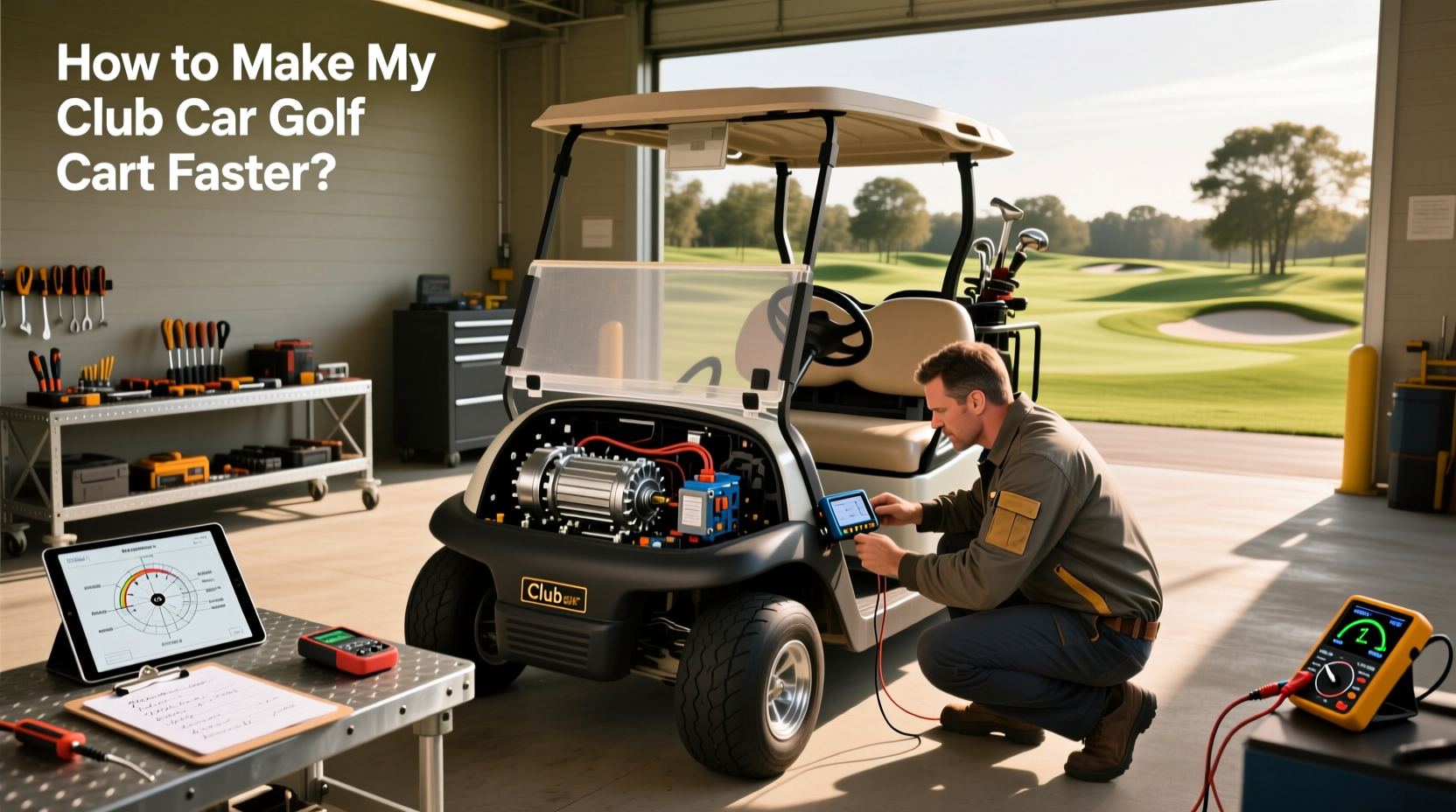
About Club Car Programmers and Speed Upgrades
A Club Car programmer is a device or service used to modify the electronic settings of a golf cart’s motor controller, allowing for increased speed, torque, or acceleration. These tools interface directly with the vehicle’s onboard controller—typically made by Curtis, Alltrax, or Navitas—and reconfigure factory-limited parameters. The primary use case is answering the common question: How do I make my Club Car golf cart faster? This desire often arises in communities where carts travel longer distances, navigate hilly terrain, or are used beyond traditional golf course environments.
Programmers come in two forms: dealer-level software adjustments and aftermarket hardware devices. Both alter how power is delivered from the battery to the motor, effectively removing speed governors built into stock systems. Understanding this distinction is essential when evaluating what to look for in a club car programmer,How do I make my Club Car golf cart faster? Your choice depends on budget, technical comfort, and desired performance level.
Why Speed Modifications Are Gaining Popularity
More owners are exploring ways to enhance their Club Car's performance due to evolving usage patterns. Originally designed for leisurely rounds of golf, many carts now serve as primary transportation in retirement communities, large estates, or campus settings. In these scenarios, the standard 12–15 mph speed becomes impractical over long distances.
Additionally, aftermarket technology has become more accessible. What once required complex wiring changes can now be achieved in minutes using plug-and-play programmers. Online forums and video tutorials have demystified the process, leading to broader adoption. As lithium-ion batteries and high-output motors enter the market, demand for programmable controllers that unlock full potential continues to grow 4.
Types and Variants of Speed Enhancement Methods
There are several approaches to increasing your Club Car’s speed. Each varies in complexity, cost, and impact:
🛒 Factory Programming (Dealer-Level)
Many Club Car models support a “Private Speed Mode” that increases top speed from ~14.8 mph to 19.6 mph. This change is performed via OEM software at authorized dealerships and does not void warranties.
- Pros: Safe, reversible, manufacturer-approved
- Cons: Limited gain compared to other methods
🔧 Aftermarket Programmers (Hardware Devices)
Devices like the Kracken or Speed Box connect to the controller and allow users to adjust speed curves, acceleration rates, and governor limits. They are typically model-specific and require no permanent modifications.
- Pros: Significant speed gains (up to +10 mph), easy installation
- Cons: May conflict with future firmware updates; warranty implications possible
⚙️ Controller & Motor Upgrades
Replacing the stock controller with a programmable unit (e.g., Alltrax AXE or Navitas NGEN) enables deeper customization. Pairing it with a high-torque motor delivers sustained performance improvements.
- Pros: Full control over performance tuning, better hill climbing
- Cons: Expensive ($500+), requires professional installation
🔋 Battery and Voltage Upgrades
Moving from a 36V to a 48V system or switching to lithium-ion batteries improves voltage stability under load, enhancing both speed and range.
- Pros: Longer lifespan, consistent power delivery
- Cons: High upfront cost; may require rewiring
Key Features and Specifications to Evaluate
When assessing options for how to choose club car programmer,How do I make my Club Car golf cart faster?, focus on these technical factors:
- Controller Compatibility: Confirm whether your cart uses a Curtis 1206AC, Alltrax NPX, or another model. Not all programmers work across platforms.
- Adjustable Parameters: Look for devices that let you tune acceleration ramp-up, top speed limit, and regenerative braking levels.
- Installation Process: Some plug directly into diagnostic ports; others require splicing wires. Assess your technical skill level before purchasing.
- Reversibility: Ensure settings can be reset to factory defaults if needed.
- Firmware Support: Check if the programmer receives updates to maintain compatibility with new controller versions.
Pros and Cons of Using a Club Car Programmer
While appealing, speed modifications aren't suitable for every owner.
| Scenario | Recommended? | Reason |
|---|---|---|
| Used primarily on flat golf courses | No | Minimal benefit; safety risks outweigh gains |
| Travels >1 mile daily in community | Yes | Time savings justify upgrade |
| Carts carry heavy loads or climb hills | Yes (with motor/controller combo) | Need sustained torque, not just speed |
| Shared among elderly users | No | Higher speeds increase accident risk |
How to Choose a Club Car Programmer: A Step-by-Step Guide
Follow this checklist to make an informed decision:
- Identify your cart model and year – Older DS models differ electronically from newer Onward or Carryall variants.
- Determine your current speed – Use GPS to measure baseline performance before upgrading.
- Define your goal: Is it faster acceleration, higher top speed, or improved hill climbing?
- Check local regulations – Some areas cap modified carts at 20 mph 5.
- Verify controller type – Open the controller cover and read the label (e.g., Curtis 1206AC).
- Research compatible programmers – Match device specs to your controller.
- Evaluate installation difficulty – If unsure, opt for dealer programming or professional help.
Red flags to avoid:
- Products claiming “unlimited speed” – physically impossible and likely fraudulent
- Universal programmers without model specificity – high failure rate
- No customer support or return policy
- Instructions requiring cutting factory wiring
Price & Market Insights
Pricing varies widely based on method and component quality:
- Factory programming: Free to $50 (dealer labor)
- Aftermarket programmers: $200–$300
- Controller upgrades: $150–$300
- Motor replacements: $500+
- Lithium battery kits: $2,000+
For most users seeking moderate gains, an aftermarket programmer offers the best value. Those needing robust off-road performance should invest in combined controller-motor-battery upgrades. Prices may vary by region and supplier, so compare multiple vendors before purchasing.
Top-Seller & Competitive Analysis
The following table compares popular speed-enhancement solutions:
| Product / Method | Type | Top Speed Gain | Cost Range | Difficulty |
|---|---|---|---|---|
| Dealer Private Mode | Software | +4.8 mph | $0–$50 | Easy |
| Kracken Programmer | Hardware | +6–11 mph | $250 | Moderate |
| Alltrax AXE Controller | Replacement | +8–12 mph | $280 | High |
| 48V Lithium Kit | Battery | +5–8 mph | $2,000+ | High |
Note: Performance results depend on cart condition, weight, and terrain. Always confirm compatibility before purchase.
Customer Feedback Synthesis
Analysis of user reviews reveals consistent themes:
Common Praises:
- “Installed the programmer in 10 minutes—immediate speed boost.”
- “Much smoother acceleration after tuning the controller.”
- “Worth it for commuting across our large neighborhood.”
Common Complaints:
- “Device stopped working after a firmware update.”
- “Cart feels unstable at higher speeds—need better shocks.”
- “Didn’t realize it would affect my warranty.”
These insights highlight the importance of post-upgrade mechanical reinforcement and verifying long-term support.
Sourcing & Supplier Tips
When sourcing a club car programmer,How do I make my Club Car golf cart faster?, consider:
- Authorized Dealers: Best for factory programming and warranty-safe options.
- Specialty Retailers: Sites like Golf Cart Garage or Extreme Kartz offer tested components with technical support.
- Marketplaces (e.g., eBay, Amazon): Broader selection but higher risk of incompatible or counterfeit units.
For bulk purchases or resale, contact manufacturers directly for distributor programs. Always request product documentation and test devices upon arrival. Verify return policies in case of compatibility issues.
Maintenance, Safety & Legal Considerations
Increased speed demands greater attention to safety:
- Brakes: Upgraded motors may overwhelm stock brake systems. Consider adding disc brakes.
- Suspension: Install lift kits and heavy-duty shocks to improve stability 6.
- Tires: Larger diameter tires increase ground clearance and top speed but require fender modifications.
- Legal Compliance: Exceeding 25 mph may reclassify your cart as a Low-Speed Vehicle (LSV), requiring seat belts, lights, and registration 3.
Always check local ordinances before modifying your cart. Consult your dealer or municipal transportation office for guidance.
Conclusion
If you're considering how to choose club car programmer,How do I make my Club Car golf cart faster?, begin with your specific needs. For modest gains, factory programming is safe and cost-effective. For more aggressive performance, aftermarket programmers offer excellent returns—but ensure compatibility and prepare supporting upgrades. Remember, speed alone isn’t the only metric; stability, braking, and legality matter just as much. When done responsibly, programming your Club Car can significantly enhance utility without compromising reliability.
FAQs
Can I install a club car programmer myself?
Yes, many aftermarket devices are designed for DIY installation using plug-and-play connectors. However, if you're uncomfortable working with electrical systems, professional installation is recommended.
Will a programmer void my Club Car warranty?
It may. While factory programming won’t affect coverage, third-party modifications could lead to denied claims. Always consult your dealer before making changes.
How fast can a modified Club Car go?
With advanced upgrades—including controller, motor, and battery enhancements—speeds up to 26–30 mph are possible. However, such modifications may exceed legal limits for neighborhood vehicles.
Do I need to upgrade brakes after installing a programmer?
Strongly recommended. Higher speeds increase stopping distance. Upgrading to disc brakes improves safety, especially on inclines.
Are there legal speed limits for modified golf carts?
Yes. Local laws vary; some areas restrict carts to 20 mph even off-road. Others classify vehicles over 25 mph as LSVs, requiring additional safety equipment and registration.




 浙公网安备
33010002000092号
 浙B2-20120091-4