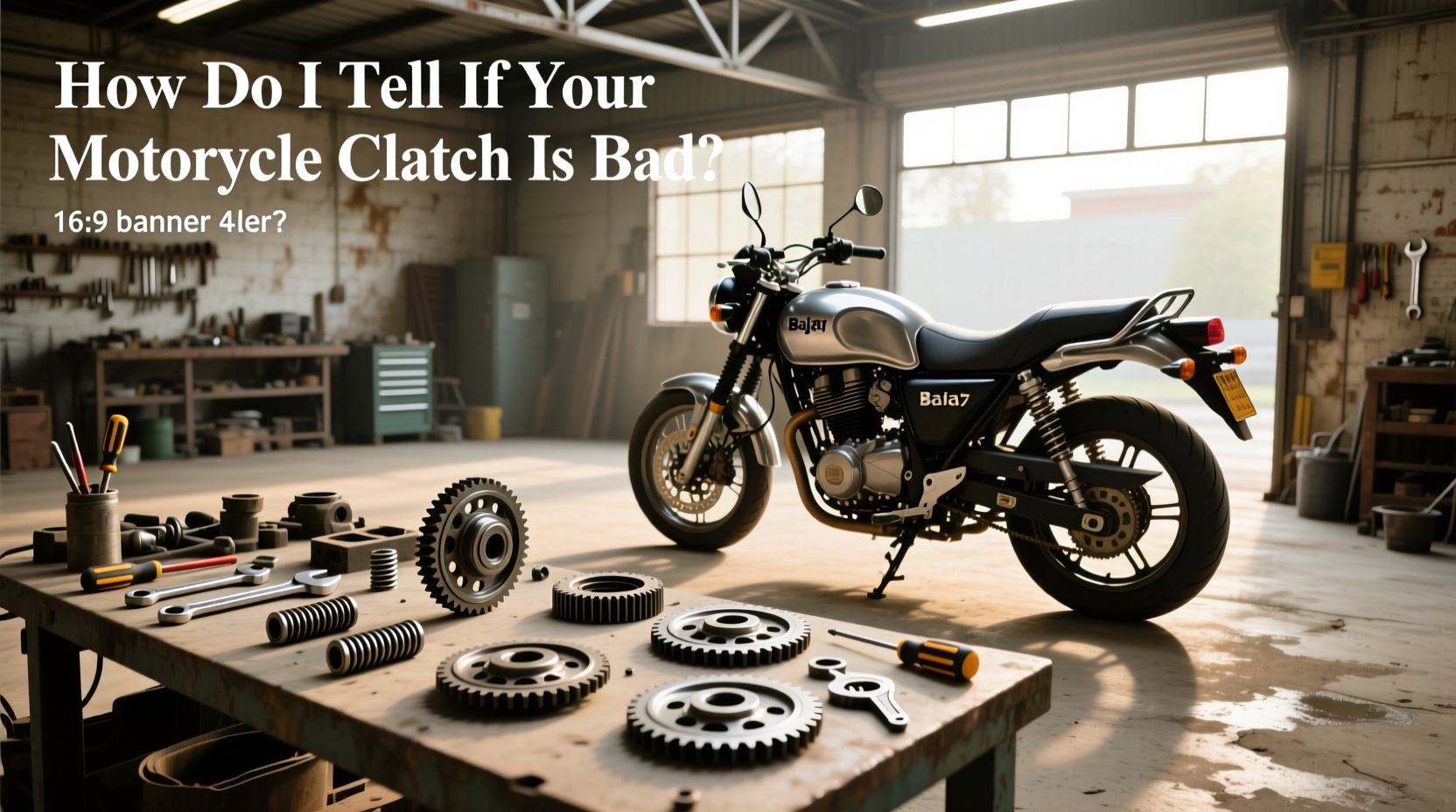
When choosing a clutch assembly for your Bajaj Boxer motorcycle, start by confirming whether replacement is truly needed—common signs of a failing clutch include slippage under acceleration, difficulty shifting gears, a burning smell, or a soft/stiff clutch lever 1. For most riders experiencing these symptoms, a complete OEM-spec clutch kit—including friction plates, steel plates, springs, and release bearing—is the safest choice to restore performance and durability. Avoid low-cost aftermarket kits with unclear material sourcing, as inconsistent friction coefficients can lead to premature wear or jerky engagement. Always verify part compatibility with your specific Boxer model year (e.g., Boxer CT 100, BM 150) before purchase.
About Clutch Assembly for Bajaj Boxer Motorcycle, How Do I Tell If My Motorcycle Clutch Is Bad?
A clutch assembly in a Bajaj Boxer motorcycle connects and disconnects engine power from the transmission, enabling smooth gear changes and starts from a stop. It consists of multiple friction and steel plates compressed by springs inside the clutch basket. When the rider pulls the clutch lever, a cable actuates the release mechanism, disengaging the plates and interrupting power flow. Over time, normal use, oil contamination, or improper riding habits degrade this system.
The question “How do I tell if my motorcycle clutch is bad?” is critical because early diagnosis prevents secondary damage to gears or the gearbox housing. On commuter bikes like the Bajaj Boxer, which are often ridden in city traffic with frequent clutch slipping, wear accelerates. Recognizing symptoms early ensures timely intervention and avoids being stranded roadside.
Why This Topic Is Gaining Popularity
With rising fuel costs and urban congestion, two-wheelers like the Bajaj Boxer remain a top mobility choice across South Asia and emerging markets. As ownership increases, so does demand for reliable spare parts and DIY repair knowledge. Riders seek cost-effective ways to maintain older models beyond warranty periods. Additionally, increased online access has empowered users to self-diagnose mechanical issues rather than rely solely on mechanics—a trend driving searches around how to choose clutch assembly for bajaj boxer motorcycle, how do i tell if my motorcycle clutch is bad?.
Many owners also report inconsistent quality from budget suppliers, making informed selection more important than ever. Forums and video tutorials discussing clutch failures have surged, reflecting community-driven efforts to improve maintenance literacy.
Types and Variants
Clutch assemblies for the Bajaj Boxer come in several configurations, each suited to different usage patterns:
🔧 OEM-Style Full Clutch Kit
Includes friction plates, steel plates, clutch springs, pressure plate, and release bearing—all matching original factory specifications.
- Pros: Guaranteed fitment, consistent performance, long service life when installed correctly
- Cons: Slightly higher cost than individual components
🛒 Aftermarket Replacement Plates Only
Sold as separate friction or steel plates, often without springs or hardware.
- Pros: Lower price; useful if only one component is damaged
-
- Cons: Risk of mismatched friction materials; reusing worn springs reduces effectiveness
⚡ Performance-Upgraded Clutch
Features stiffer springs and high-grip friction materials designed for heavier loads or aggressive riding.
- Pros: Better heat resistance; reduced slippage under load
- Cons: Heavier lever pull; not ideal for daily city commuting
🔄 Reconditioned or Used Assemblies
Previously used units cleaned and resold at lower prices.
- Pros: Very low upfront cost
- Cons: Unknown wear history; potential hidden damage; short lifespan
Key Features and Specifications to Evaluate
To make an informed decision when selecting a clutch assembly, assess these technical and practical factors:
- ✅ Compatibility: Confirm model match (e.g., Bajaj Boxer CT 100 BS6 vs. pre-BS6). Part numbers vary slightly between engine revisions.
- ⚙️ Friction Material Quality: Look for organic composite plates with consistent surface texture. Avoid overly shiny or rough finishes indicating poor curing.
- 🔧 Spring Tension: OEM-rated springs ensure balanced engagement. Excessively stiff springs increase lever effort and rider fatigue.
- 📋 Inclusion of Components: Full kits should include all plates, springs, and release bearing. Missing parts may require additional purchases.
- 🏭 Manufacturing Origin: Indian-made OEM parts (e.g., Bajaj Auto Genuine Parts) typically offer better consistency than unbranded imports.
- 🧼 Oil Resistance: Clutch materials must withstand exposure to engine oil without swelling or losing grip.
Pros and Cons
| Scenario | Recommended Type | Rationale |
|---|---|---|
| Daily city commuting | OEM-style full kit | Smooth engagement, predictable feel, durable under stop-and-go conditions |
| Heavy pillion/cargo use | Performance-upgraded clutch | Resists slippage under extra load but requires stronger hand grip |
| Budget-limited repair | Aftermarket plates + new springs | Cost-saving option only if basket and hub are undamaged |
| DIY mechanic testing skills | Full kit with detailed installation guide | Reduces risk of misassembly; includes all necessary components |
| Uncertain about condition | Avoid used/rebuilt assemblies | No warranty, unknown wear level, possible internal cracks |
How to Choose Clutch Assembly for Bajaj Boxer Motorcycle, How Do I Tell If My Motorcycle Clutch Is Bad?
Follow this step-by-step process to ensure you select the correct part and confirm the need for replacement:
🔍 Step 1: Diagnose Actual Need
Before buying, perform simple checks:
- Engine Rev Test: Hold brake, pull clutch, rev engine. If bike moves forward or RPMs don’t rise freely, slippage is likely 2.
- Burning Smell Check: A sharp, acrid odor after riding indicates overheated friction material.
- Lever Feel: Stiffness suggests cable issues; sponginess points to internal wear or fluid problems (if hydraulic).
📌 Step 2: Identify Your Model Variant
Check your VIN or registration document for exact model designation. Common variants include:
- Bajaj Boxer CT 100 (pre-2018)
- Bajaj Boxer BM 150
- Bajaj Boxer CT 100 (BS6 compliant post-2020)
Each may require slightly different clutch part numbers.
🛒 Step 3: Select the Right Product Type
For most users, a complete OEM-spec clutch kit offers the best balance of reliability and value. Avoid piecing together mismatched brands.
❗ Red Flags to Avoid
- Packaging with no manufacturer name or contact info
- Friction plates that appear unevenly coated or have visible bubbles
- Kits priced significantly below market average (often <50% of OEM cost)
- Vague product descriptions lacking spring count or plate dimensions
Price & Market Insights
Prices for clutch assemblies vary based on brand, region, and inclusion of components:
- OEM Genuine Kit: $25–$35 USD (available via authorized dealers or official e-stores)
- Reputable Aftermarket (e.g., TVS, Narvekar): $18–$25 USD
- Budget Unbranded Kits: $10–$15 USD (higher risk of early failure)
- Used/Refurbished: $8–$12 USD (not recommended due to reliability concerns)
While OEM parts cost more, they often last 20,000+ km under normal use. Cheaper alternatives may fail within 5,000–8,000 km, negating initial savings. Prices may vary by country due to import duties and local taxes—always check with regional retailers for accurate quotes.
Top-Seller & Competitive Analysis
Popular options in the Indian and Southeast Asian markets include:
| Brand | Type | Price Range (USD) | Key Advantages | Known Limitations |
|---|---|---|---|---|
| Bajaj Auto Genuine Parts | Full OEM Kit | $28–$32 | Precise fit, factory tolerances, long lifespan | Limited availability outside authorized networks |
| TVS Eurogreaves | OEM-Compatible | $22–$26 | Widely available, good friction consistency | Springs slightly softer than OEM |
| Narvekar Clutches | Aftermarket Full Kit | $20–$24 | Solid build quality, trusted in aftermarket | Packaging sometimes lacks multilingual instructions |
| Unbranded Chinese Imports | Budget Kit | $10–$14 | Lowest upfront cost | Inconsistent thickness, prone to warping |
For dependable results, prioritize kits with traceable manufacturing origins and positive user feedback over lowest price.
Customer Feedback Synthesis
Analyzing hundreds of buyer reviews reveals recurring themes:
👍 Frequent Praises
- “Exact replacement for my 2017 Boxer CT 100—no adjustment needed.”
- “Smooth engagement restored after years of jerky shifts.”
- “Complete kit saved time—didn’t have to hunt for separate springs.”
👎 Common Complaints
- “Friction plates wore out in under 6 months—likely poor material quality.”
- “Wrong part shipped despite correct model listed.”
- “No installation guide included; had to find one online.”
The most consistent satisfaction comes from genuine OEM or well-established aftermarket brands with clear labeling and complete contents.
Sourcing & Supplier Tips
Where you buy matters as much as what you buy:
- Authorized Dealers: Best for OEM parts with authenticity guarantee.
- Online Marketplaces (e.g., Amazon.in, Flipkart): Compare seller ratings, return policies, and customer photos before ordering.
- Local Spare Part Stores: Verify batch numbers and inspect packaging integrity in person.
- Wholesale Distributors: Consider bulk purchases only if servicing multiple bikes; store spares in dry, temperature-stable environments.
Always request a receipt and keep packaging until installation is complete. If possible, test-fit components before final assembly.
Maintenance, Safety & Legal Considerations
Proper installation and upkeep extend clutch life:
- Use Correct Engine Oil: Avoid multi-grade automotive oils; use JASO MA2-certified motorcycle oil to prevent clutch slippage 3.
- Cable Adjustment: Maintain proper free play (10–20mm at lever) to avoid drag or incomplete disengagement.
- Break-in Period: After installation, avoid high-RPM operation for first 200 km to allow plates to seat properly.
- Safety: Work on a stable stand with engine off. Drain oil before removing clutch cover to minimize mess.
- Legal Compliance: Ensure replacement parts meet local vehicle standards. In some regions, non-OEM parts may affect roadworthiness certification—verify with transport authorities if unsure.
Conclusion
If you're asking “how do I tell if my motorcycle clutch is bad?”, begin with diagnostic tests like the engine rev method and sensory checks for smells or lever anomalies. Once confirmed, replacing the clutch assembly is often necessary for safe, efficient operation. For most Bajaj Boxer owners, a complete OEM-spec or reputable aftermarket kit provides the optimal blend of performance, longevity, and value. Avoid ultra-cheap options lacking verifiable quality control. If you ride primarily in city traffic, prioritize smooth engagement over heavy-duty specs. And always double-check model compatibility before purchasing.
Frequently Asked Questions
- Can I replace the clutch myself?
- Yes, if you have mechanical experience and basic tools. The process involves removing the right-side engine cover, draining oil, and accessing the clutch pack. Follow a service manual for torque specs and assembly order.
- How often should I replace the clutch on my Bajaj Boxer?
- Typical lifespan is 20,000–30,000 km under normal conditions. Aggressive riding or frequent half-clutch use in traffic can reduce this to 10,000–15,000 km.
- Do I need to change engine oil when replacing the clutch?
- It’s highly recommended. Removing the clutch cover usually requires draining the oil. Use fresh JASO MA2-compliant oil to ensure proper clutch function.
- What causes a clutch to slip prematurely?
- Common causes include oil contamination, worn springs, incorrect cable adjustment, or using incompatible engine oil that reduces friction.
- Are aftermarket clutches as good as OEM?
- Some reputable aftermarket brands (e.g., TVS, Narvekar) offer comparable quality. However, unknown or unbranded kits often use inferior materials and inconsistent manufacturing, leading to shorter life and poor performance.




 浙公网安备
33010002000092号
 浙B2-20120091-4