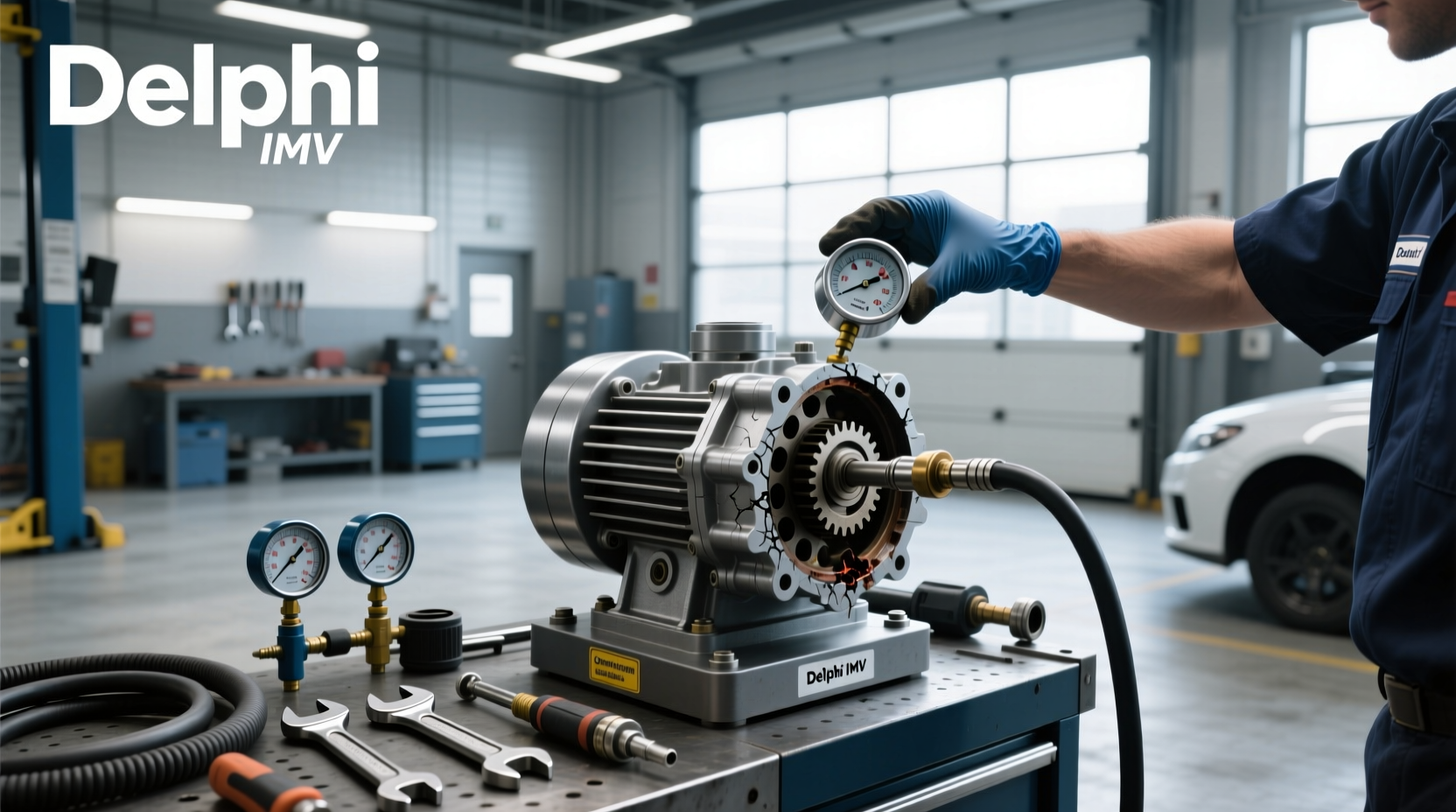
Short Introduction
Choosing the right solution when dealing with how to know if a diesel injection pump is bad involves more than just replacing parts—it requires understanding the role of components like the Delphi IMV (Inlet Metering Valve), which controls fuel entering the high-pressure pump. Many misdiagnoses occur because symptoms such as poor cold starts, erratic idling, or black smoke are attributed directly to the injection pump when the root cause may lie in the IMV or associated sensors 2. This guide walks through how to accurately assess whether your diesel injection system has a failing pump, what role the Delphi IMV plays, and how to make informed decisions when selecting replacement components based on reliability, compatibility, and serviceability.
About delphi imv,How to know if a diesel injection pump is bad?
The term "delphi imv,How to know if a diesel injection pump is bad?" combines two interrelated concepts: one technical (the Delphi Inlet Metering Valve) and one diagnostic (identifying failure in a diesel fuel injection pump). The Delphi IMV is an electronically controlled valve used primarily in common rail diesel engines to regulate the amount of fuel delivered to the high-pressure pump inlet. It works under commands from the Engine Control Module (ECM) to maintain optimal rail pressure across varying load conditions 1.
On the other hand, knowing how to tell if a diesel injection pump is failing involves recognizing performance degradation signs such as prolonged cranking, power loss, unusual noises, or visible exhaust smoke. Because the IMV influences fuel delivery precision, its malfunction can produce nearly identical symptoms, making accurate diagnosis essential before any purchase decision.
Why delphi imv,How to know if a diesel injection pump is bad? is gaining popularity
As diesel engines become increasingly reliant on electronic control systems, components like the Delphi IMV have gained attention among technicians and fleet managers seeking precise diagnostics. With stricter emissions standards and higher fuel efficiency demands, even minor deviations in fuel metering can trigger warning lights or reduce engine lifespan 3.
Additionally, online forums and repair communities frequently discuss topics like "how to test a Delphi IMV" or "symptoms of a clogged inlet metering valve," reflecting growing user awareness. Mechanics now use OBD-II scanners and fuel pressure gauges not only to read error codes but also to correlate real-time data with physical inspection results—leading to better-informed part replacements rather than guesswork.
Types and variants
Diesel fuel injection systems come in several configurations, each influencing how the IMV and injection pump interact:
- Rotary Distributor Pumps (e.g., Delphi DPA/DPC): Older mechanical designs where timing and quantity are adjusted via cam lobes and governors. These rarely include electronic IMVs.
- In-Line Plunger Pumps: Found in heavy-duty applications; some newer versions integrate electronic control modules that work with IMVs for finer regulation.
- Common Rail Systems with Delphi HP Series Pumps: Modern setups using a high-pressure accumulator (rail). The Delphi IMV regulates low-pressure fuel input into the high-pressure pump, allowing dynamic adjustments based on driving conditions.
Within Delphi IMVs themselves, variations exist by voltage (12V vs. 24V), connector type, and flow capacity. Some models feature integrated sensors for feedback to the ECM, while others operate in open-loop mode.
Key features and specifications to evaluate
When assessing options related to how to choose delphi imv,How to know if a diesel injection pump is bad?, consider these measurable factors:
- Compatibility: Match the IMV model number exactly to your engine series (e.g., Delphi E05, E10). Cross-referencing with OEM part numbers is crucial.
- Flow Rate (L/h): Must align with the original equipment specification to avoid over- or under-fueling.
- Electrical Resistance (Ohms): Test solenoid coil resistance; out-of-spec readings indicate internal damage.
- OEM vs. Aftermarket Calibration: OEM units come pre-calibrated; aftermarket ones may require ECM relearning procedures.
- Sealing Quality: Look for valves with updated elastomer seals resistant to biodiesel blends and moisture.
For diagnosing the injection pump itself, verify maximum output pressure against manufacturer specs using a calibrated gauge.
Pros and cons
| Aspect | Advantages | Limitations |
|---|---|---|
| Fault Isolation | Testing the IMV separately prevents unnecessary full-pump replacement | Requires specialized tools (multimeter, scan tool) |
| Cost Efficiency | Replacing only the IMV costs significantly less than a full pump | Potential for repeated failures if root cause (e.g., dirty fuel) isn’t addressed |
| Performance Restoration | Fixing IMV issues often restores smooth idle and cold-start capability | Doesn’t resolve mechanical wear inside the pump |
💡 Ideal for vehicles showing intermittent fuel delivery issues without major mechanical noise. Not suitable if there's confirmed internal pump wear or shaft damage.
How to choose delphi imv,How to know if a diesel injection pump is bad?
Follow this step-by-step process when deciding whether to replace the IMV, injection pump, or both:
- Scan for Fault Codes: Use an OBD-II scanner capable of reading diesel-specific codes (e.g., P0003 – Fuel Volume Regulator “A” Control Circuit Low). Focus on codes tied to fuel rail pressure discrepancies.
- Inspect Visually: Check for fuel leaks around the IMV housing or pump seals. Wetness indicates potential seal failure.
- Test IMV Functionality: Apply 12V power to the IMV terminals; listen for a distinct “click.” Lack of response suggests solenoid failure 4.
- Measure Fuel Pressure: Connect a gauge pre- and post-pump to determine if low pressure originates upstream (IMV-related) or within the pump itself.
- Bleed Air from System: If air ingress is suspected due to filter changes or tank issues, bleed lines thoroughly before concluding component failure.
- Verify Fuel Quality: Contaminants like water or microbial sludge degrade both IMVs and pumps. Drain sample from filter bowl and inspect.
❗ Avoid these mistakes:
- Replacing the entire injection pump without testing the IMV first
- Using non-OEM IMVs without confirming calibration compatibility
- Ignoring fuel filter condition and tank cleanliness during diagnosis
Price & market insights
Prices vary widely depending on region, supplier, and authenticity:
- Delphi IMV Only: $80–$200 USD for genuine parts; aftermarket units range from $40–$120 but may lack durability.
- Complete Injection Pump Assembly: $600–$1,800+, especially for remanufactured or new OEM units.
- Diagnostic Labor: Typically adds $100–$250 unless done independently.
While OEM components cost more upfront, they often provide longer service life and fewer compatibility surprises. Consider total cost of ownership—not just initial price—when choosing between brands.
Top-seller & competitive analysis
Popular Delphi IMV models include the E05, E10, and HDEV5 series, commonly found in light- and medium-duty trucks. Below is a comparison of typical offerings:
| Model | Typical Application | Key Feature | Average Price (USD) |
|---|---|---|---|
| Delphi E05 IMV | Ford Transit 2.2L TDCi | Integrated diagnostics, compact design | $130–$180 |
| Delphi HDEV5 | GM/Chevrolet Duramax LMM/LML | High-flow for performance tuning | $160–$220 |
| Aftermarket Generic IMV | Multifit (verify compatibility) | Limited calibration data | $50–$90 |
When comparing top sellers, prioritize units that include installation instructions and specify resistance values. Avoid listings that don't list exact fitment details.
Customer feedback synthesis
Analysis of buyer reviews reveals consistent patterns:
- Positive Feedback: Users report quick resolution of hard-starting issues after installing genuine Delphi IMVs. Those who tested old vs. new noted improved idle stability and smoother acceleration.
- Common Complaints: Several reviewers mentioned receiving incorrect models due to vague product titles. Others reported premature failure of budget IMVs within 6 months, often linked to contaminated fuel.
- Installation Notes: Some users emphasized the need to reset adaptation values via scan tools after replacement—a step not always documented in aftermarket packaging.
Sourcing & supplier tips
To ensure reliability when purchasing components related to how to choose delphi imv,How to know if a diesel injection pump is bad?:
- Buy from Authorized Distributors: Companies like Delphi Technologies or certified auto parts retailers offer traceable sourcing.
- Check Return Policies: Opt for suppliers with at least 30-day return windows and core exchange options.
- For Bulk Buyers: Fleet operators should request batch test reports or calibration certificates for consistency.
- Verify Before Installation: Compare physical dimensions, connector shape, and labeling against the original unit.
Online platforms like Alibaba or eBay require extra caution—filter for sellers with high ratings and detailed technical documentation.
Maintenance, safety & legal considerations
Proper maintenance extends component life:
- Replace fuel filters at recommended intervals to prevent debris from reaching the IMV.
- Use fuel additives in cold climates to prevent waxing and water accumulation.
- Always relieve fuel pressure before disconnecting lines to avoid injury or fire risk.
From a compliance standpoint, modifications affecting emissions (e.g., recalibrating IMV for higher flow without certification) may violate environmental regulations in certain regions. Always confirm local rules before altering factory settings.
Conclusion
If you suspect a diesel injection pump issue, don’t assume replacement is necessary. First, evaluate whether the problem stems from the Delphi IMV or related electronics. For accurate diagnosis, combine symptom observation with OBD-II scanning and basic functional tests. When purchasing, choose OEM-specified IMVs whenever possible, ensure electrical and mechanical compatibility, and address underlying causes like fuel contamination. If your engine shows severe mechanical knocking or sustained low pressure despite a working IMV, then full pump replacement becomes unavoidable. Understanding how to know if a diesel injection pump is bad saves time, money, and avoids unnecessary repairs.
FAQs
- Can a faulty Delphi IMV cause black smoke? Yes, if the valve sticks open, it can allow excess fuel into the pump, leading to over-fueling and incomplete combustion visible as black exhaust smoke.
- How do I test a Delphi IMV without removing it? Apply 12 volts across the terminals while listening for a click. No sound suggests a failed solenoid. Also, measure resistance with a multimeter; compare to spec (usually 2–5 ohms).
- Is it worth repairing a diesel injection pump? Remanufactured pumps from reputable rebuilders can be cost-effective. However, new OEM assemblies offer longer warranties and consistent performance.
- What tools are needed to diagnose fuel delivery issues? You’ll need an OBD-II scanner with diesel support, fuel pressure gauge, multimeter, and possibly a stethoscope for injector listening.
- Can air in the fuel system damage the IMV? While air doesn’t directly damage the IMV, prolonged operation with air bubbles causes erratic fuel delivery, mimicking IMV failure and stressing the high-pressure pump.




 浙公网安备
33010002000092号
 浙B2-20120091-4